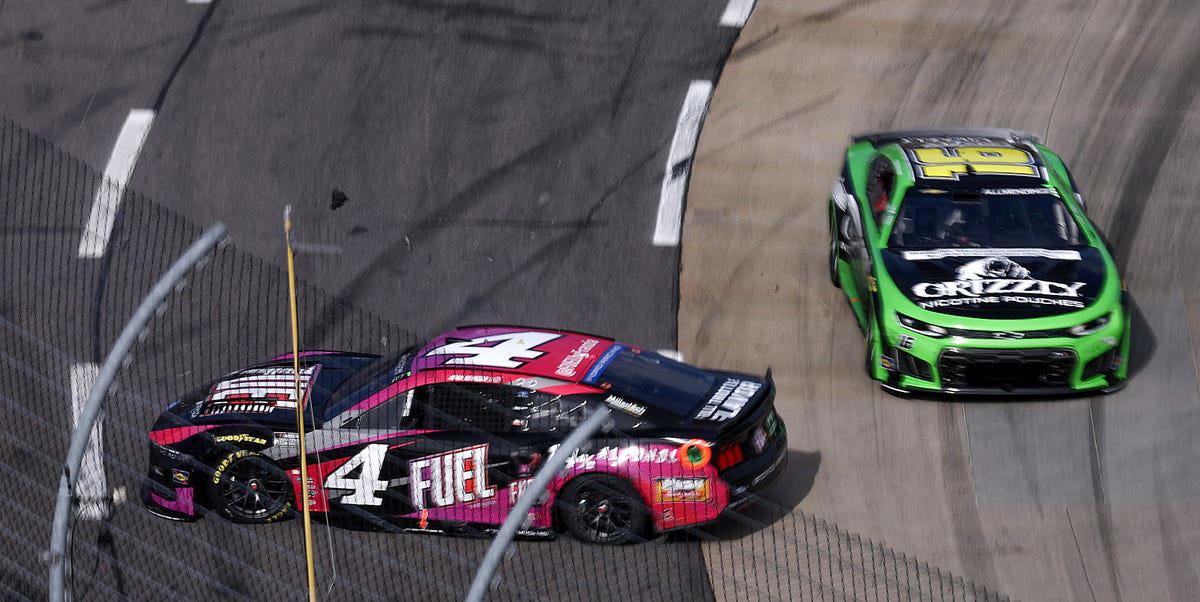


















The change for short tracks is the latest in a series of alterations to the Next Gen car to improve racing at those circuits.NASCAR has made no secret of its problems with racing on short tracks. The venues that were once home to the best and most electric oval races on Earth have struggled to put on good shows since the Next Gen car was adopted by the Cup Series in 2022, leading the series to embrace things like chaotic high-degradation tires and added power at a few of the category's shorter circuits. This weekend brings yet another new change, and this one seems to be designed to discourage bumping.Starting with next month's race at North Wilkesboro and continuing on three other short tracks under a mile in length through the end of this season, NASCAR is mandating that teams remove some energy-absorbing foam from both front and rear bumpers. Front bumper struts will also be modified as part of the change.The idea is that the changes will cause the bumper to deform more, addressing a common criticism that the Next Gen car can take repeated head-on hits from either direction without leaving drivers with any sort of aerodynamic disadvantage. By removing the risk of damage to the car doing the bumping, the previous bumper design had heavily incentivized bumper-to-bumper contact while racing, which got in the way of more conventional passes for position. Under the new rule, those hits should become less common. As an added bonus, it should help ease concerns about hit-related pain for drivers who have had to absorb the brunt of those impacts on short tracks, lap after lap.While the rule will be in effect for the shortest tracks on the schedule, it does not impact road courses or ovals of a mile or bigger. That means drivers will still have their full energy-absorbing bumpers to play with at faster contact-heavy tracks like Darlington, Phoenix, New Hampshire, and this weekend's upcoming road course race at Sonoma Raceway.