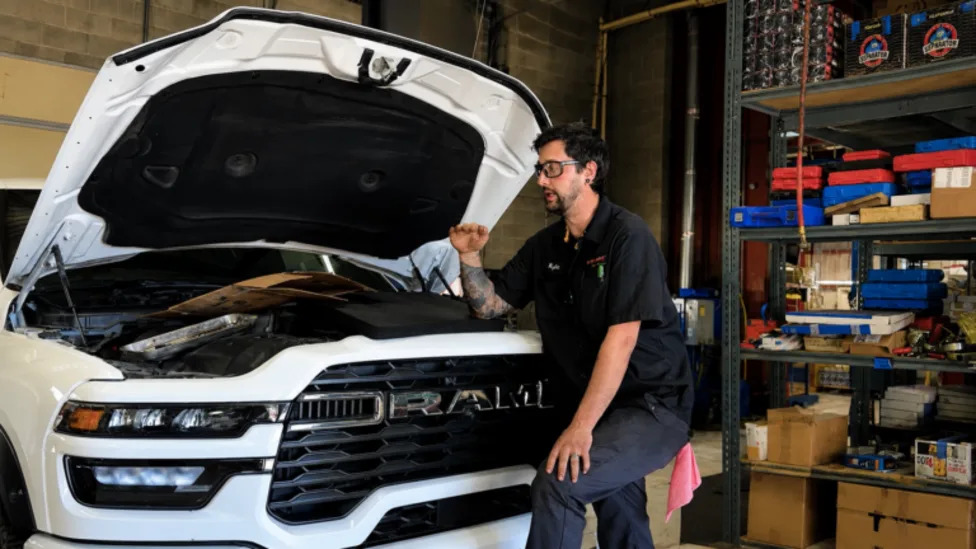
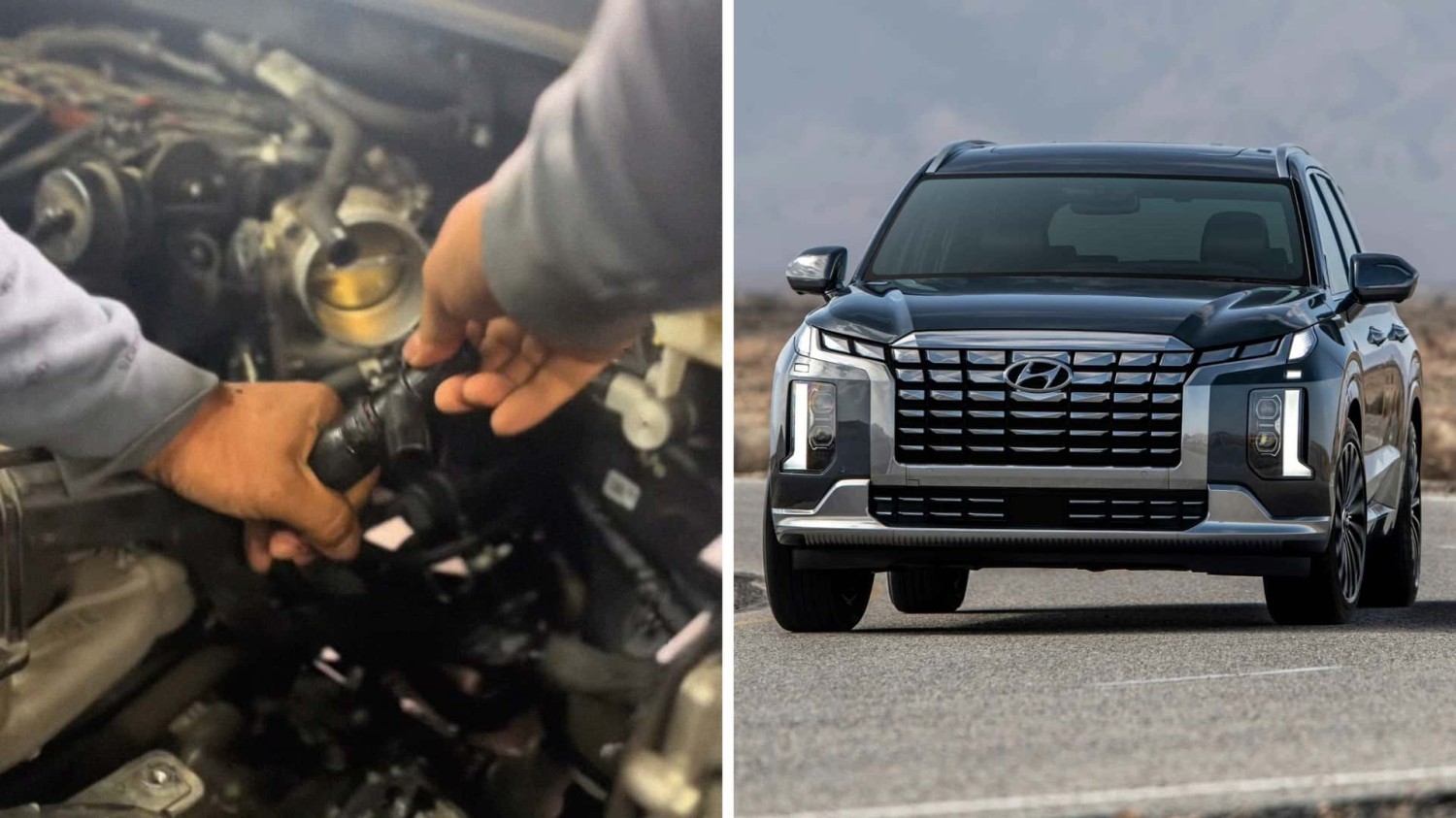
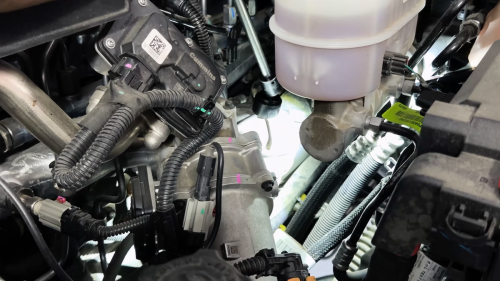
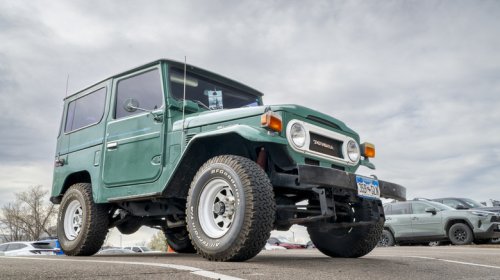
The sun is finally out, the roads are clear, and the siren song of the open road is calling. After months of waiting for the mercury to rise and the salt to wash away, it’s finally time to pull that cover off and breathe some life back into your pride and joy.But before you chase that first sunset of the season, take a breath. "Waking up" a car after a long winter hibernation is more than just turning the key—it’s a ritual that keeps your first drive of the year from becoming a mechanical headache. To ensure your return to the asphalt is as smooth as the open road ahead, we’ve teamed up with the experts at Hagerty to help you prep for the perfect spring cruise.The #1 Mistake: The "Driveway Disaster"Before you get lost in the thrill of the engine’s first roar, Bryant Kolle of Hagerty reminds us to focus on the humblest system of all: the brakes. "I’ve seen countless claims where owners are so excited to get the car out that they forget the brakes might have developed surface rust or lost pressure," Bryant explains. A slight driveway incline and a lack of pedal pressure is a recipe for a costly incident.Expert Tip: Before shifting into gear, pump the brake pedal several times and test the engagement on level ground to ensure you have firm, consistent pressure.The Fuel Dilemma: Did You Forget the Stabilizer?Did the "November You" forget to add fuel stabilizer? Don’t sweat it—you likely aren't in trouble. Modern high-octane fuels are generally stable for 3 to 6 months. For most weekend warriors who’ve had their car tucked away for the winter, a fresh top-off and a nice, long drive to cycle the fuel through the system is all you need to get back to peak performance.Watch Out for Uninvited GuestsEven if your car looks perfect from the outside, check for signs that local wildlife made themselves at home. Rodents love the warmth of a dormant engine bay. A quick under-the-hood inspection is mandatory: check your cabin filter for debris and scan your wiring harnesses for any chew marks. A few minutes of peeking now can save you from a major electrical fault or a "funky" HVAC surprise later.Does Your "Modern" Car Qualify as a Classic?Here’s a bright spot for the season: you don’t need a 1960s muscle car to get collector-level benefits. Bryant notes that many 90s and 2000s "analog modern" vehicles—and even some brand-new enthusiast models—qualify for specialized collector insurance. It’s often significantly more cost-effective than standard commercial policies, giving you better coverage for your weekend toy.Ready for the Road?Want to go deeper into the technical "dos and don'ts"? Check out our full "Ask the Expert" video with Hagerty, where we break down:Whether you should "prime" your oil pressure before that first start.How to evaluate if those tire flat spots are permanent or just a temporary side effect of winter storage.Happy motoring—let's make this the best driving season yet!Are you planning on taking your car for its first long-distance road trip of the season, or are you keeping it local while you finish up some spring maintenance?