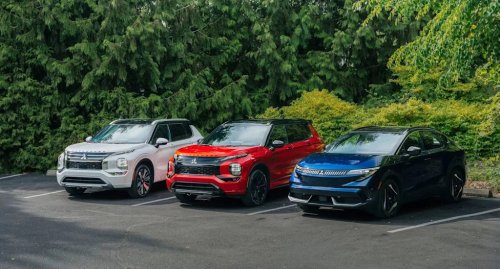
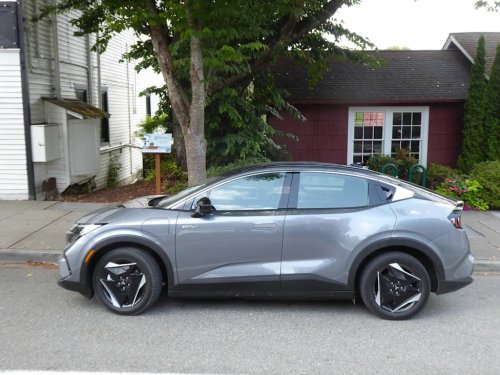
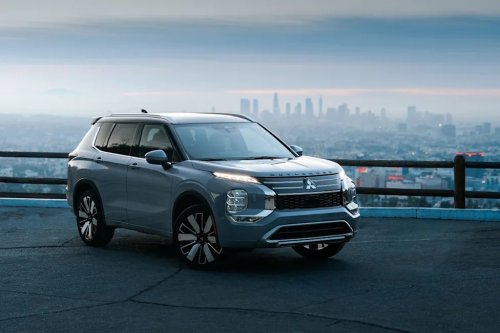
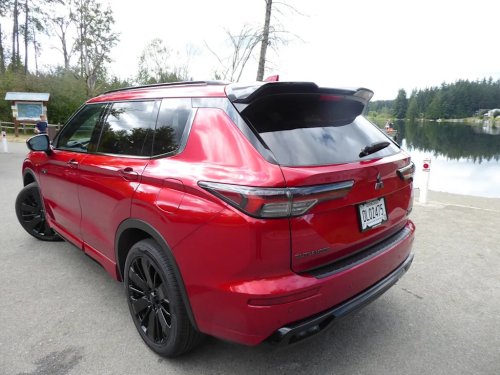
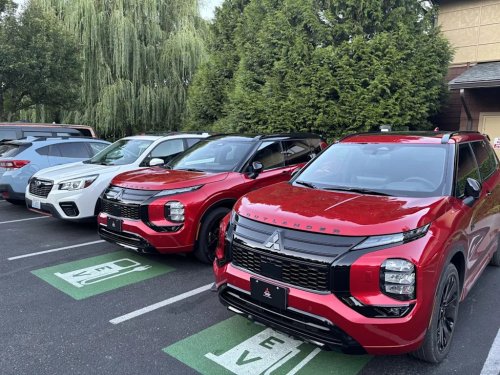
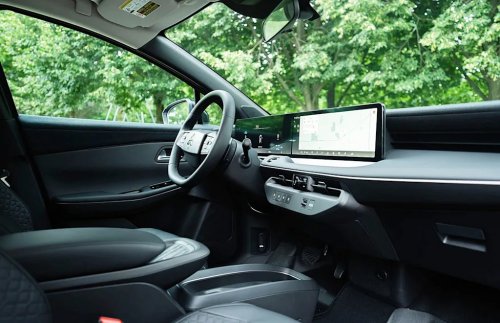
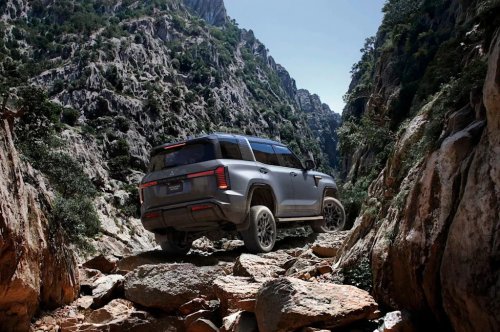
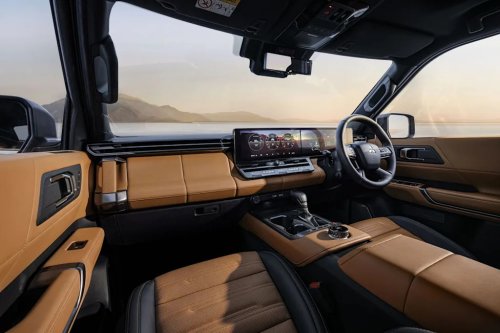
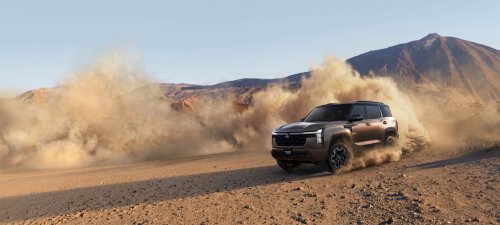
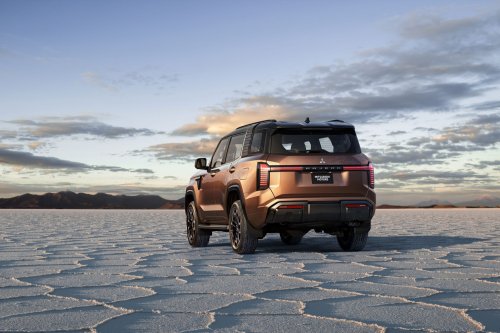
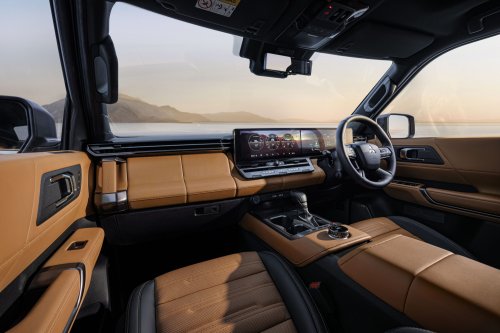
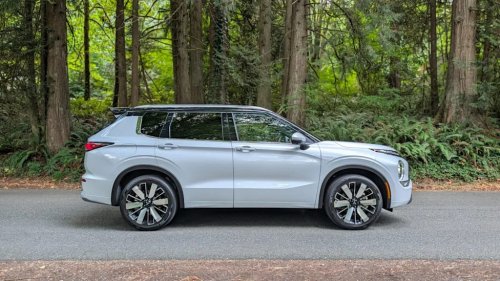
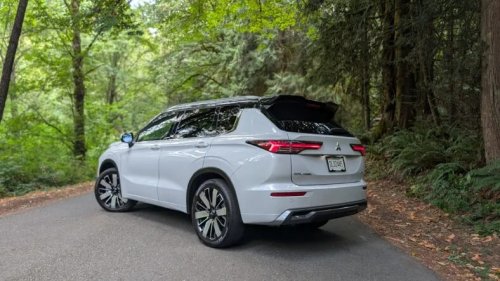
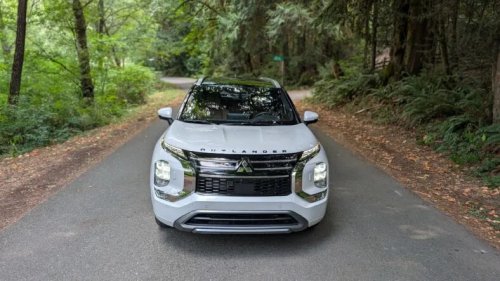
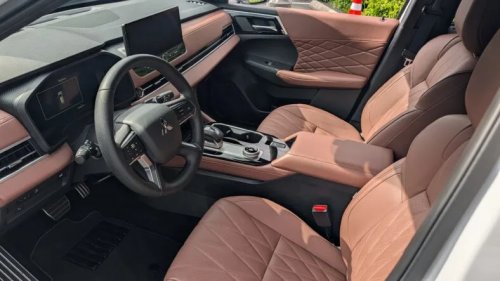
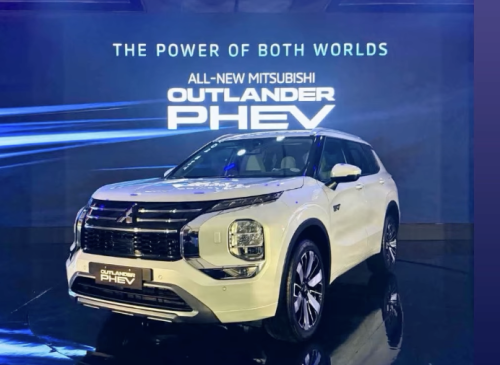
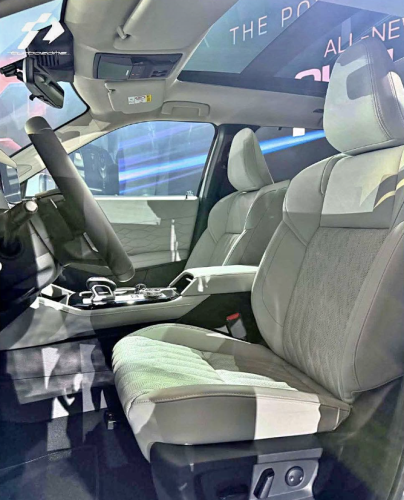
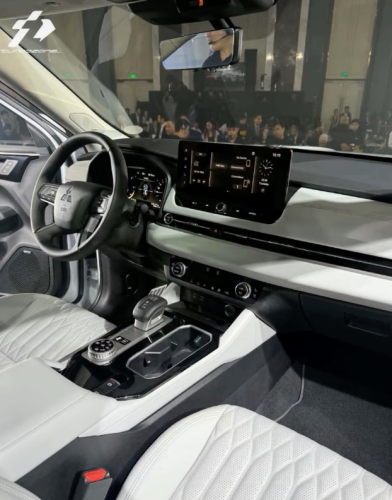
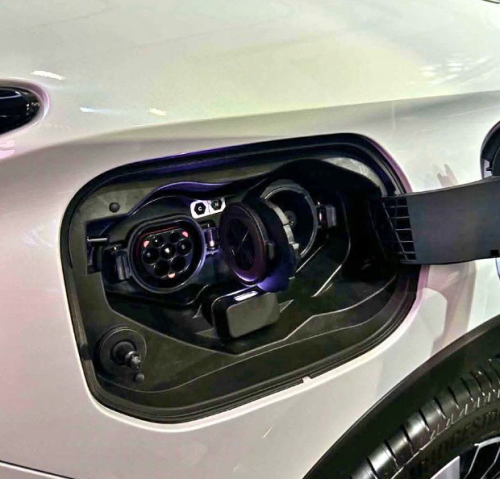
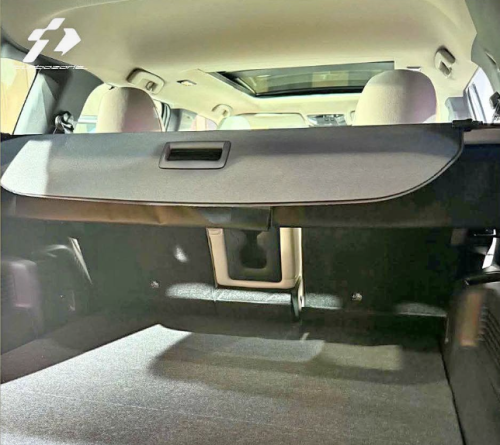
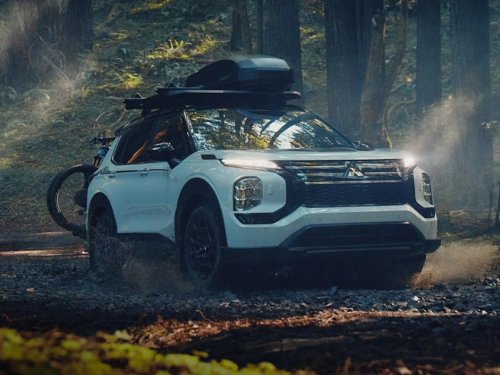
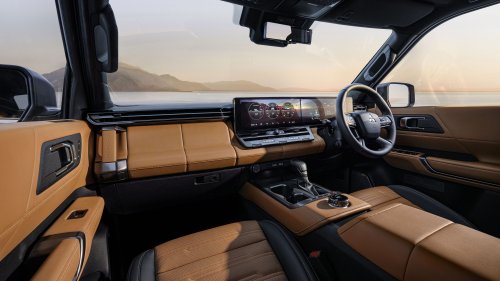
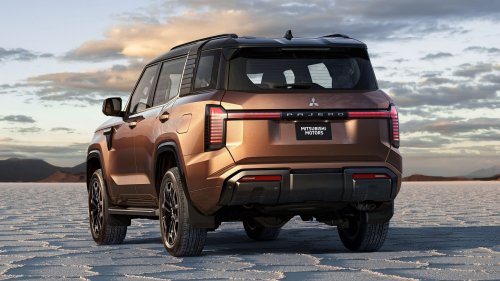
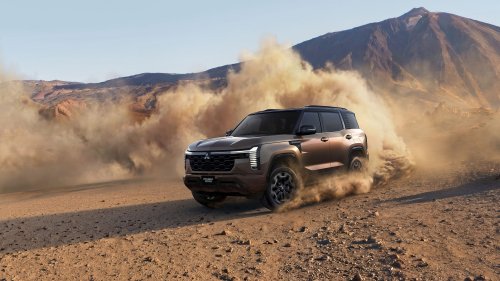
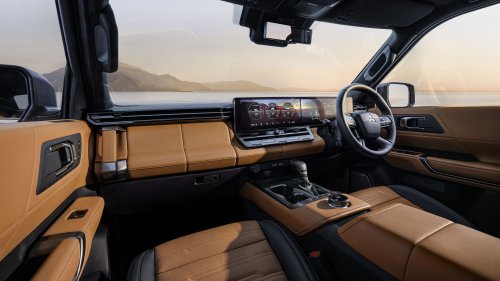
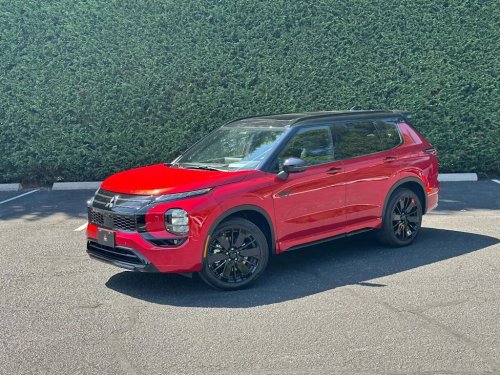
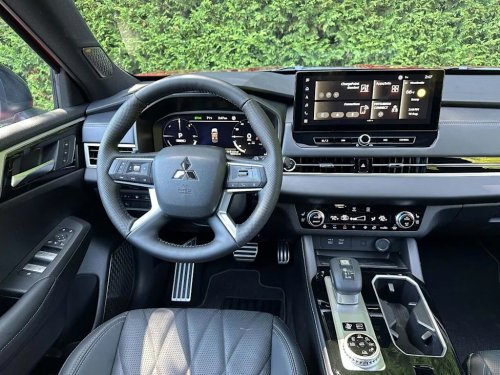
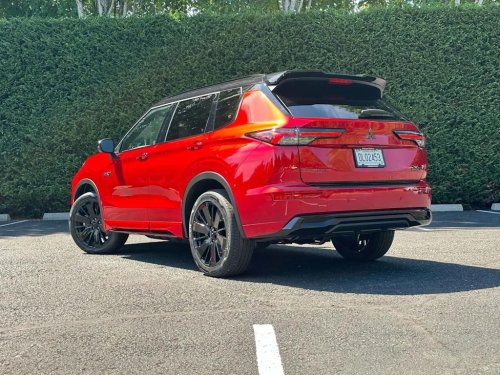
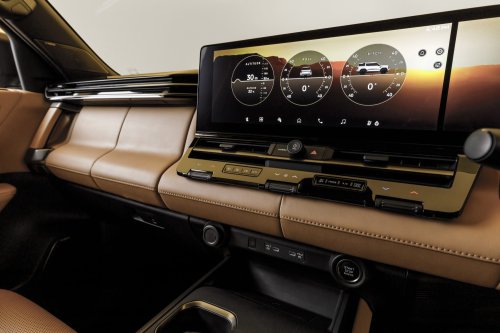
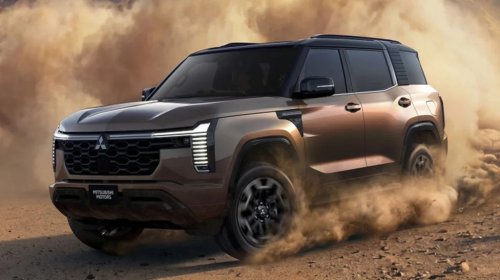
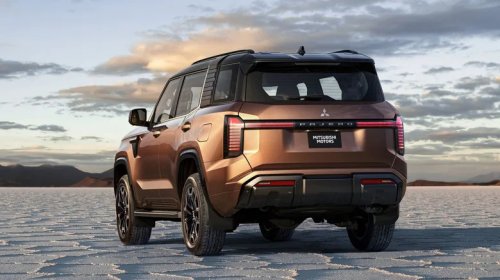
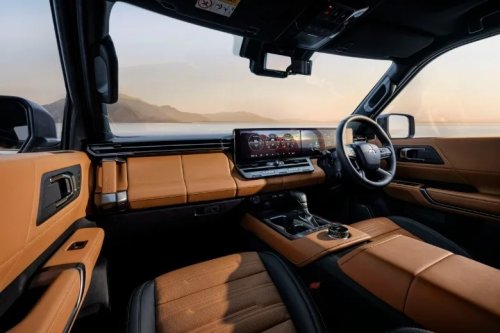
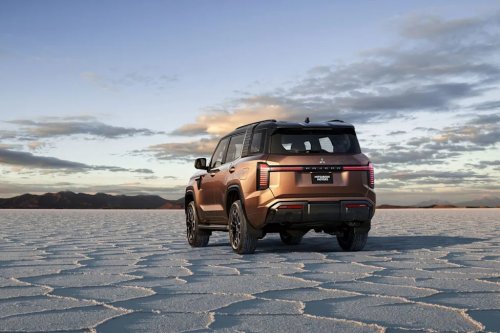
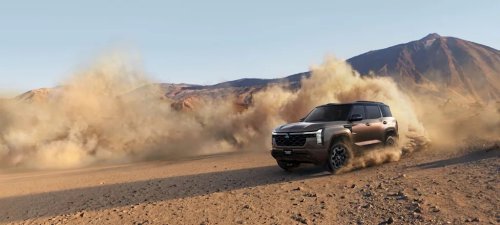
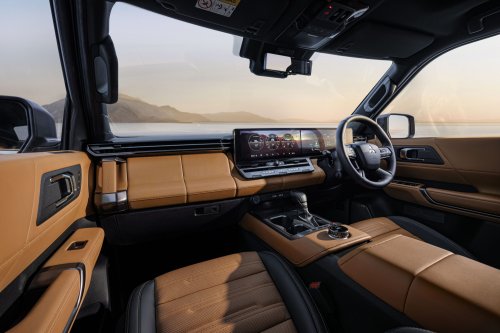
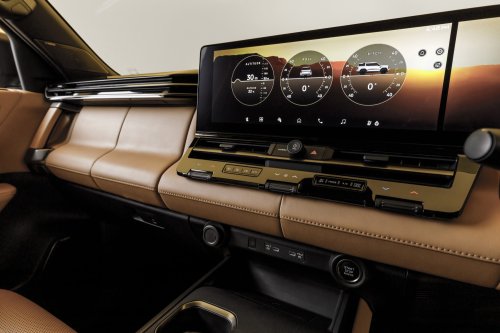
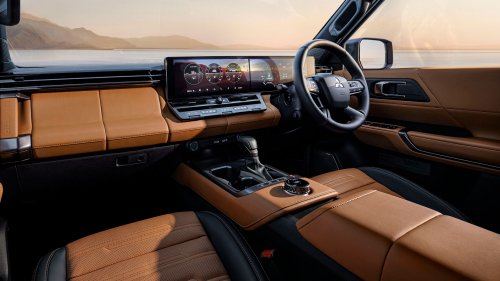
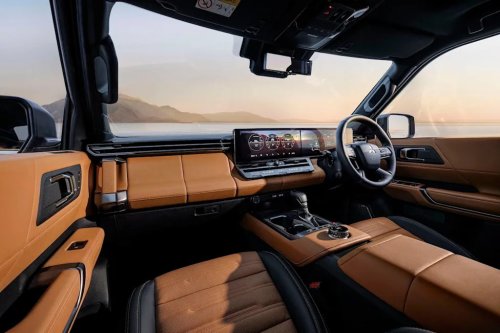
Mitsubishi Bets Buyers Want Choices, Not Just EVsMitsubishiMitsubishi was a pioneer in fielding both battery electrics (the i-MiEV subcompact back in 2009) and plug-in hybrids (the Outlander PHEV, first seen in 2013). The Mitsubishi car company that's active in the US, headquartered in Franklin, Tennessee, is part of a huge conglomerate of independent entities folded into a vast keiretsu network that is one of the biggest holding companies in Japan, going back to 1870. It has real-estate arms, chemical and electric outlets, is involved in global shipping (the original business), makes aluminum, and has brands such as Nikon and the Kirin beer company. We don't have anything quite like it in the US, though Ford, GM, and Stellantis are big companies.As a player in the American market, Mitsubishi Motors North America sold 94,754 cars and SUVs in 2025, obviously not a huge number. One model stands out: The three-row Outlander SUV (35,895 units in 2025), Outlander Sport (20,480), and Outlander PHEV (6,294). Add in the Eclipse Cross (17,508). For the first half of 2026, 50,011 vehicles were sold by Mitsubishi, again with good results from the Outlander in all its forms.Mitsubishi, in refreshing the Outlander and offering an all-electric Eclipse, is recognizing that buyers want to be able to choose between internal-combustion, hybrid, plug-in hybrid, and battery cars. It's part of the company strategy, via Momentum 2030. "Electrification will advance with a blend of powertrains—hybrid, plug-in hybrid, battery electric," Mitsubishi said in 2024, adding that it would debut "one new or completely refreshed vehicle each year between fiscal 2026 and fiscal 2030," in more segments than it currently occupies.The Eclipse Sportback battery EV is based on the Nissan Leaf.Jim MotavalliWith all this in mind, Mitsubishi (which has been selling cars under its own name in the US since 1982) invited journalists out to picturesque Woodinville, Washington, northeast of Seattle, on August 11 and 12. The goal was sampling the mid-cycle refresh of the 2026 Outlander PHEV, the 2026 Outlander with a new mild-hybrid drivetrain, and the Eclipse Sportback battery vehicle—based on the Nissan Leaf. Pricing for the latter was not announced. All Outbacks are hybrids now.AdvertisementAdvertisementAlso coming, said spokesman Jeremy Barnes, are (in early 2027) an off-road version of the Outlander, and two pickup trucks to be built (as is the Eclipse BEV) with Nissan. The company is also opening new "galleries" (the first in Antioch, Tennessee) to showcase the product and send customers into showrooms.Autoweek test drove a white 2026 Outlander in top SL trim, priced at $47,235 and featuring the all-new mild-hybrid system centered around a Mitsubishi-developed 4B40 1.5-liter, 16-valve turbocharged direct injection four-cylinder engine (shared with Eclipse Cross), coupled to an eight-speed continuously variable transmission (CVT). The refreshed 2026 went on sale in February.The mild hybrid system develops 174 horsepower and 206 lb-ft of torque, said Kevin Sittner, manager for EV powertrain engineering. It uses a belt-starter-generator (BSG) system in place of an alternator, and can direct power and torque (up to 13 horsepower) to the crankshaft. BSG captures energy while the engine is running, and uses it to re-start the engine in stop-start mode, recover brake energy, and deliver extra power in collaboration the 48-volt battery pack under the third row of seats. There's also a conventional 12-volt battery, and a DC-to-DC converter keeps both batteries charged.The mild-hybrid OutlanderMitsubishiThe system seems complicated, but the Outlander mild hybrid didn't feel that way on the road, because everything operates quietly in the background. It's a nice cruiser once you're up to speed, and feels smaller on the curvy roads around Woodinville than it actually is. But this is a family vehicle, not anyone's idea of a performance vehicle. This version of the Outlander takes 8.6 seconds to get to 60 mph, and is fairly noisy. The Outlander mild-hybrid weighs in at 3,991 pounds in AWD trim, so given that the so-so 27 miles per gallon combined (26 city/30 highway) isn't so bad.AdvertisementAdvertisementThe cabin was nicely appointed in quilted brown leather, and the $3,000 premium package included the excellent-sounding 12-speaker Yamaha system. An interesting technical detail was the use of the inner doors as sealed speaker enclosures to improve sound and reduce buzzes and rattles. On some trims, the volume is speed-adjusted. As tested the Outlander SEL mild hybrid was $47,235, though you could lower the price by choosing a lesser iteration.The Outlander PHEV has three rows and lots of cargo space.Jim MotavalliThe red Outlander PHEV, with 297 total horsepower available (up from 248), was the top Black Edition, with darkened chrome, which bottom-lined at $57,045. The all-wheel-drive PHEV uses a 131-horsepower 2.4-liter, four-cylinder engine paired with dual electric motors. It starts at $43,245, and arrived in showrooms in May. A big plus is 45 miles of EV range (420 miles total) via a 22.7 kilowatt-hour battery, and an EPA 73 MPGe rating. It is quite possible to use this car solely as a battery EV and, in anticipating that, Mitsubishi's software will start the gas motor every couple of months just to keep the fuel fresh. The mid-cycle plug-in is reaching dealerships now.The PHEV definitely felt a lot more muscular than the mild hybrid. It felt relatively refined, though the PHEV's gas engine makes itself known in high-rev situations. There is a third row that folds flat nicely, but adults wouldn't like it for other than short journeys.And then there was the Eclipse Sportback, a fairly sleek styling takeoff on the Leaf. The car is comfortable for driver and passenger, and commodious for luggage, but rear-seat travelers are short-changed in the legroom department. It's at dealerships starting around the middle of October.AdvertisementAdvertisementWith a 75-kilowatt-hour liquid-cooled battery, the Eclipse has a stated range of 282 miles. Its powertrain puts out a modest 214 horsepower and 261 pound-feet of torque.A group of Mitsubishi Outlander PHEVs at the ready in Woodinville, Washington.Jim MotaWe started our journey together with 269 miles available, and ended up with 209. The Leaf is a good base. It was introduced in 2010, initially with too-few miles to empty, but it's finally competitive in range and refinement. The Eclipse variant was a smooth performer and good handler, though not a rocket by any means (eight seconds to 60), and it was at home on the Washington back roads (where EVs are common).At a price, we're guessing, that starts around $35,000 (similar to the Leaf SV+), the Eclipse was nicely equipped in the sole trim, with twin 14.3-inch screens (digital dash and infotainment) and 10-speaker Bose. The transmission is shifted via square piano-key buttons—just like the 1963 Dodge Dart. Travis Wattles, director of product strategy at Mitsubishi North America, pointed out that battery EVs might be around six percent of US sales, but that means that "one in 20 sales is an EV, and gas prices are going up. People are looking for economical cars, and that doesn't mean, as it used to, something like a Geo Metro."Inside the Outback PHEV.MitsubishiThe Eclipse has some nice tech features, including an onboard calculator that will take terrain, driver behavior and other factors into account when calculating how much charge you'll have on arrival at your destination.AdvertisementAdvertisementAt a time when American automakers are offering very limited hybrid lineups, Mitsubishi is taking a broader approach in an attempt to increase market share. The company says that 92 percent of plug-in hybrid owners who shopped for an Outlander PHEV ended up buying one.