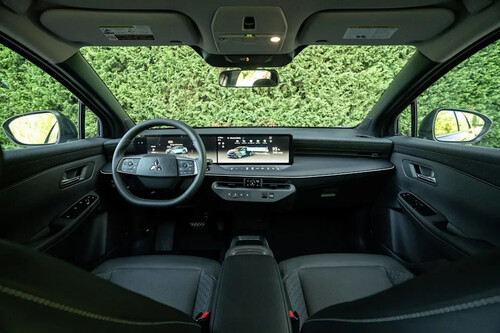
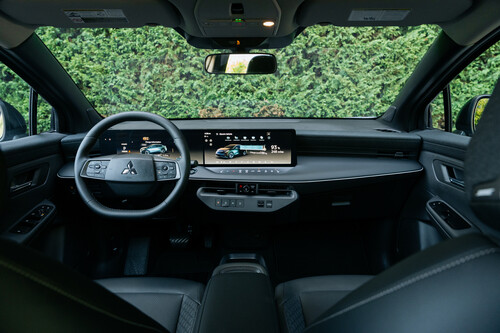
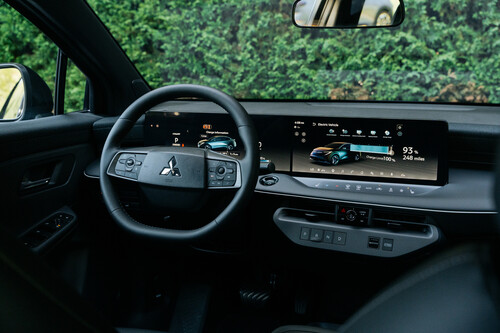
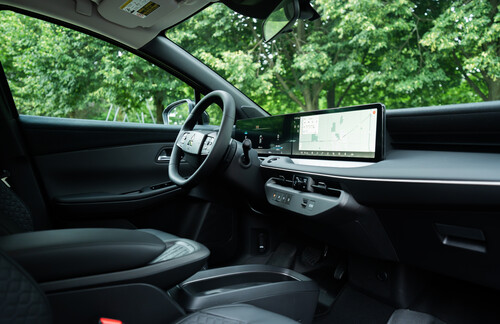
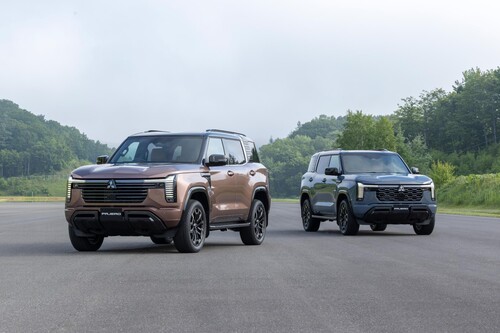
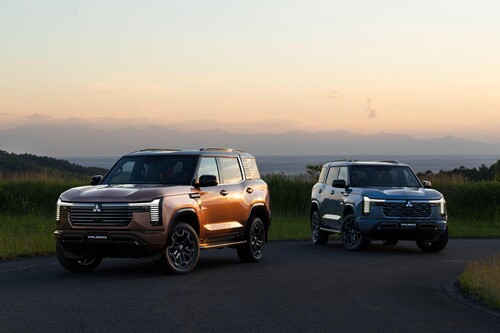
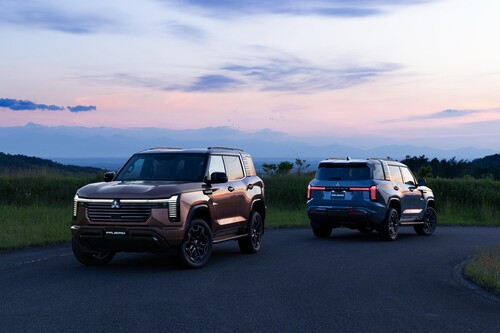
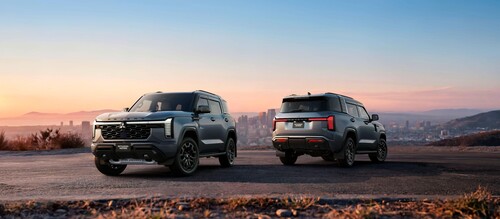
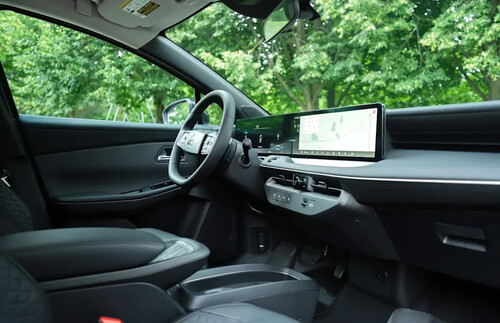
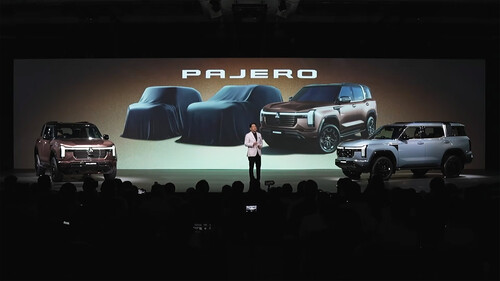
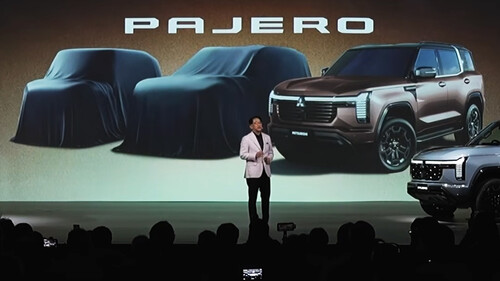
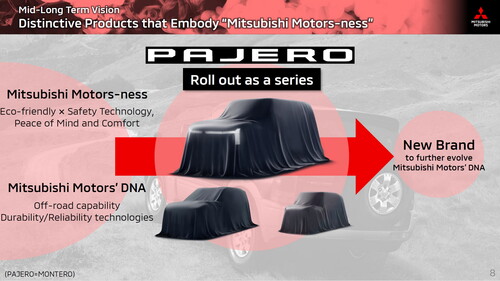
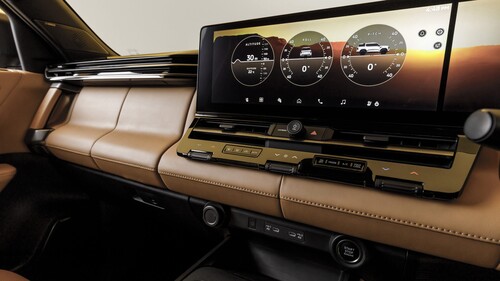
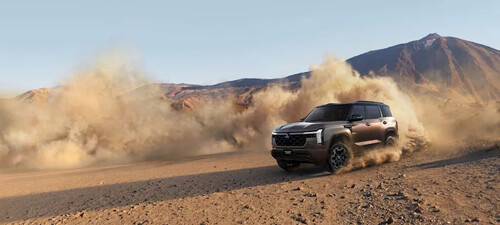
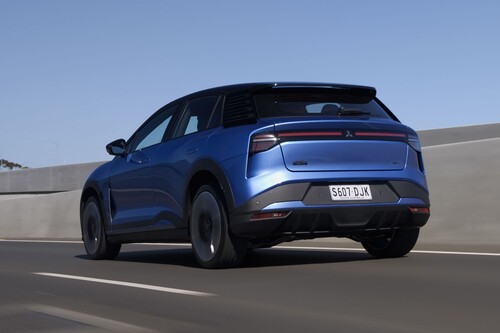
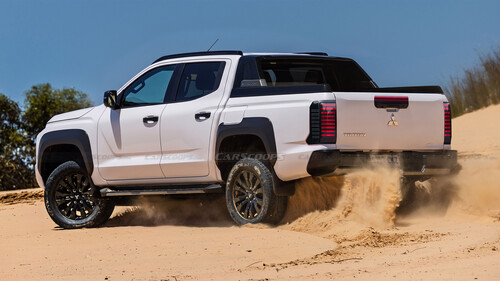
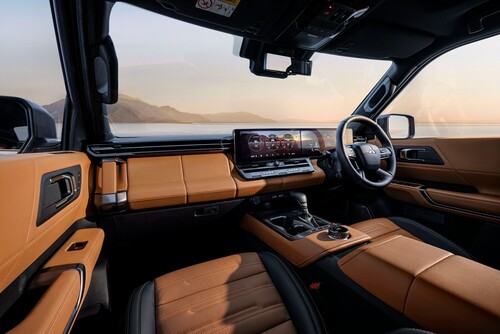
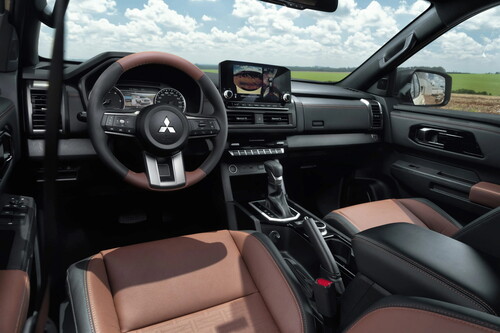
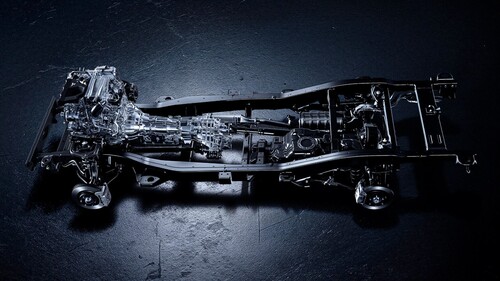
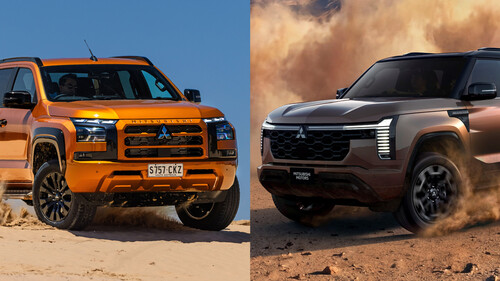
Autoblog and Yahoo may earn commission from links in this article.The Montero Name is Back After Two DecadesIt's been about 20 years since Mitsubishi pulled the Montero name from US showrooms. The Pajero badge kept going strong overseas, but American fans have spent two decades wondering if this iconic SUV would ever make a comeback.Now, the conversation is back on. After much anticipation, Mitsubishi has just pulled the covers off the all-new Pajero, its next-gen flagship SUV, and the Montero name is making a return in places where it always belonged. No word yet on a North American launch, but just seeing both names revived (among other things) should be enough.MitsubishiFamiliar Design, Upscale InteriorThe new Pajero looks familiar right out of the gate, borrowing plenty from the ASEAN-market Destinator SUV. You get the classic upright stance, boxy proportions, and that unmistakable horizontal vibe that's been a Pajero staple since day one. Up front, there are new T-shaped LED headlights, and you can pick your grille: horizontal slats if you want classy, honeycomb if you want sporty.AdvertisementAdvertisementCheck out the sides: the C-pillar nods to the original Pajero's exposed roll bar, and the rear gets a hexagonal motif as a shoutout to the old-school spare tire. But here's the twist – no more spare tire on the tailgate, which is a big break from tradition.Inside, the dashboard keeps things simple and wide, with two big 14.3-inch screens packed into what Mitsubishi calls the Monolith Display. Lower trims get 12.3-inch screens, but the look stays the same. The digital cluster updates the Pajero's classic triple-gauge setup, showing off-road info like altitude, compass, outside temp, pitch and roll, and Active Yaw Control.The cabin goes for a premium feel. Mitsubishi says the dash and doors use stitching inspired by Japanese Kimekomi craft, giving the soft-touch surfaces a layered look. The main color combo is camel leather with black accents, so it feels warm but still tough enough for the outdoors.It's a three-row, seven-seater, and Mitsubishi claims that the third row is actually usable this time – not just an afterthought. More on that later.MitsubishiNow on Ladder Frame, Diesel PowerForget the old unibody. The new Pajero sits on a tough ladder frame with more high-strength steel, so it's way stiffer and stronger than before. Mitsubishi says this means better durability and a smoother ride. Up front, you get independent double wishbones, and out back there's a new five-link rigid suspension for more wheel travel and comfort when things get bumpy.AdvertisementAdvertisementUnder the hood, there's a new 2.4-liter turbo diesel hooked up to a newly developed eight-speed automatic with Sport mode. Mitsubishi claims up to 354 lb-ft of torque, though some markets get 347. The new gearbox is supposed to shift smoother and pull harder, whether you're on the road or off it. No word yet on other engine options.PlatformNewly developed high-rigidity ladder frameEngine2.4-liter turbocharged clean diesel inline-fourTransmission8-speed automatic with Sport modeMaximum Torque354 lb-ft (347 lb-ft on some variants)DrivetrainSuper Select 4WD-II (2H, 4H, 4HLc, 4LLc)AWD Control SystemSuper All Wheel Control (S-AWC) with Active Yaw ControlFront SuspensionIndependent double wishboneRear SuspensionNew 5-link rigid rear axleMitsubishi kept one of the Pajero's best tricks: Super Select 4WD-II. You can swap between rear-wheel drive, full-time four-wheel drive, center diff lock, and low range, depending on what you're tackling. It works with Super All Wheel Control, which bundles Active Yaw Control, traction and stability control, and ABS to keep you glued to the trail.There are seven drive modes: Normal, Eco, Gravel, Snow, Mud, Sand, and Rock. Basically, you're covered for everything from the daily commute to gnarly off-road trails.Length193.7 inchesWidth75.8 inchesHeight75.2 inches (20-inch wheel model)Wheelbase113.0 inchesGround Clearance9.1 inchesSize-wise, the new Pajero is 193.7 inches long, 75.8 inches wide, and 75.2 inches tall, with a 113-inch wheelbase. Ground clearance is 9.1 inches, and you get a 30.4-degree approach angle, 22.6-degree breakover, and 25.8-degree departure – numbers that mean business off-road.AdvertisementAdvertisementEven with the longer wheelbase, the new Pajero is still smaller than the full-size, not-for-America Toyota Land Cruiser J300.MitsubishiView the 2 images of this gallery on the original articleGlobal Rollout Starts in Thailand—Around 100 Markets to FollowMitsubishi said it designed the new Pajero to be just as comfortable on long road trips as it is on trails. The second-row seats slide 5.9 inches forward and backward to improve passenger comfort and access to the third row, while the third row was engineered with additional headroom and foot space for adults. Ventilated front and second-row seats, along with three-zone automatic climate control, are available to keep all passengers comfortable.Tech-wise, there's a 3D Multi Around Monitor that stitches together four cameras and a 3D model of the SUV, so you can actually see what's around you. The Front Under Floor View pops up automatically when you're in low range, showing what's under the front bumper – perfect for rocky climbs and sketchy descents.AdvertisementAdvertisementSafety gets a big boost, too. Mitsubishi's latest suite includes Forward Collision Mitigation, Predictive Forward Collision Warning, Emergency Lane Assist, Front Cross Traffic Alert, MI-PILOT highway assist, and eight airbags – including the brand's first center airbag.Production kicks off in Thailand in the 2026 fiscal year, then it's headed to Japan and Australia. After that, the Pajero will roll out across ASEAN, Latin America, the Middle East, and about 100 markets worldwide.No pricing yet, and still no confirmation for the US. But with the Montero name officially back, longtime fans finally have something to get excited about.MitsubishiView the 27 images of this gallery on the original articleAdvertisementAdvertisementThis story was originally published by Autoblog on Sep 2, 2026, where it first appeared in the News section. Add Autoblog as a Preferred Source by clicking here.