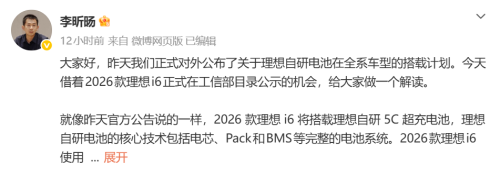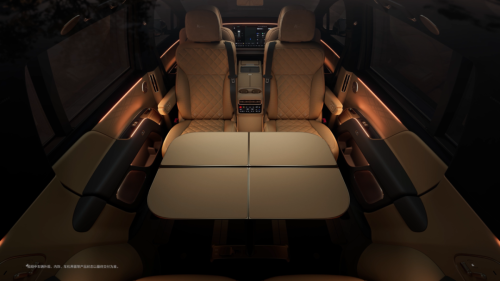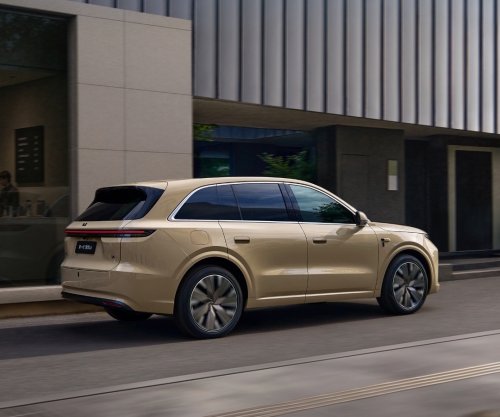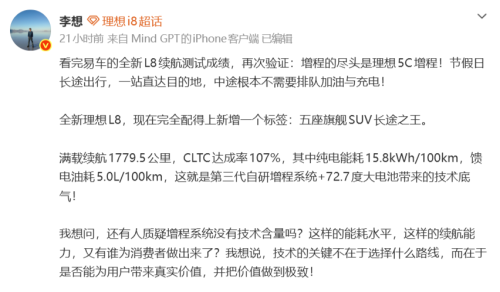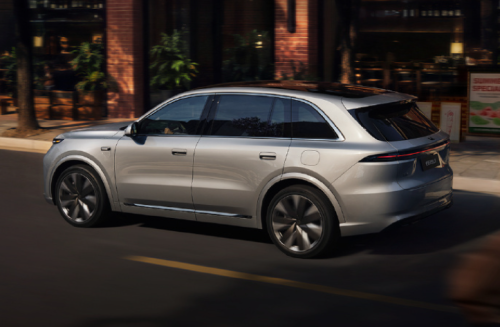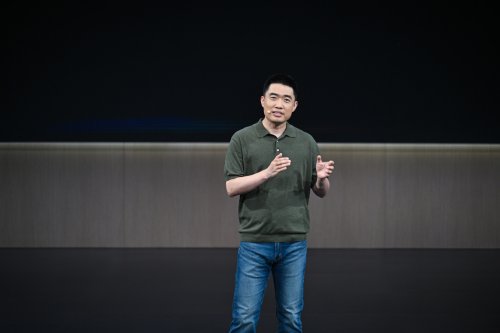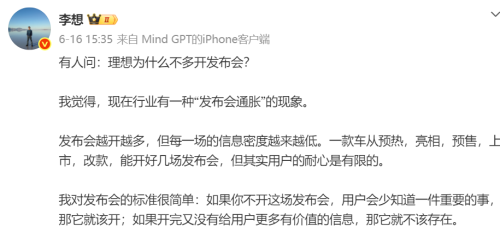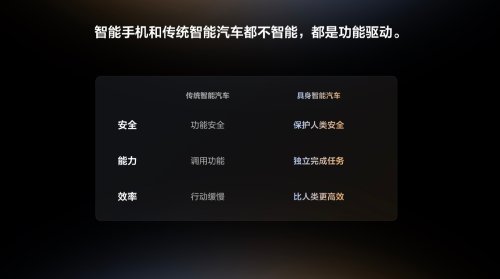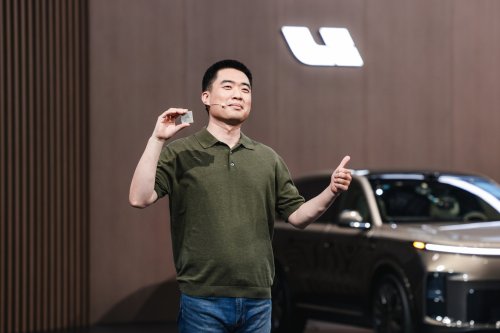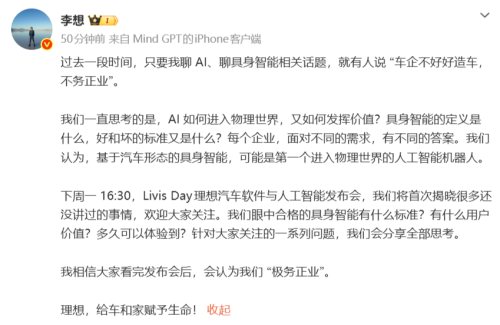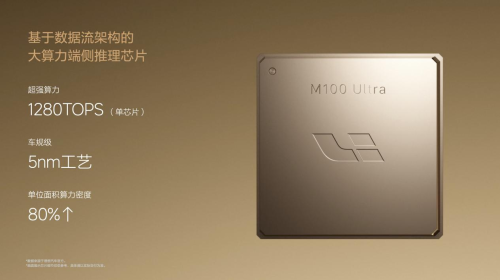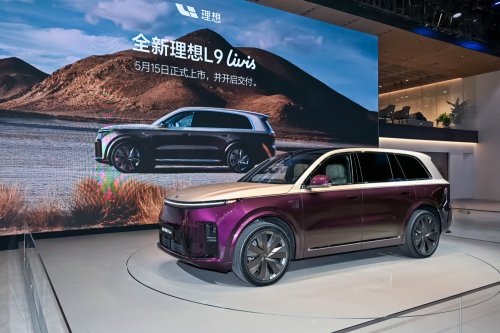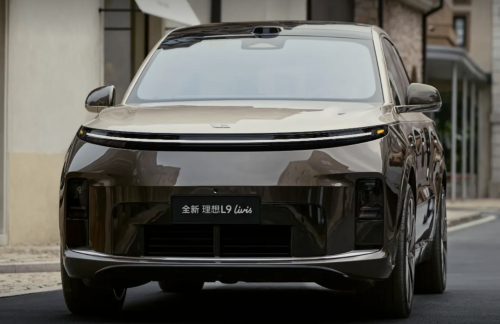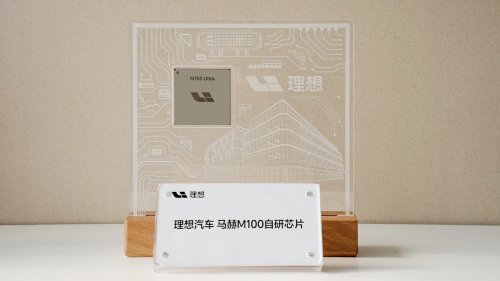
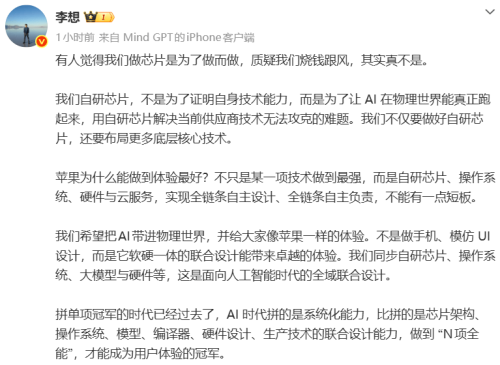

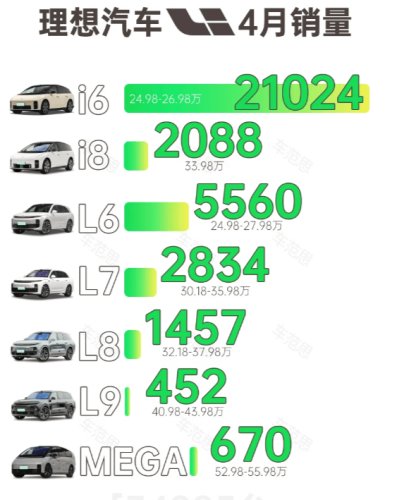



















Li Xiang Takes On Skeptics With In-House Chip Strategy Li Auto’s first in-house chip, codenamed Mach 100, has entered mass production, stirring intense industry debate just ahead of the launch of its new L9 Livis flagship SUV. In a formal statement, CEO Li Xiang rejected claims that developing its own chip is merely “burning cash to follow the trend” and laid out the full strategic rationale behind the move. Li Auto Mach Chip Skepticism is well-grounded. Nio’s Shenji and Xpeng’s Turing chips are already mass-produced and road-ready. Third-party solutions from Nvidia (Thor-U), Qualcomm (8797) and Horizon Robotics (Journey 6) span entry-level to premium segments with proven performance and stable supply chains. Lagging in first-mover advantage and supply chain readiness, Li Auto faces legitimate questions over the project’s necessity. Li made it clear that the goal is neither technical grandstanding nor blind imitation. Competition in smart EVs has moved far beyond raw computing power specs, he argued. What truly defines user experience is the seamless integration of chip, operating system, autonomous driving algorithm and vehicle hardware into a cohesive system. Li Xiang’s social media post He also emphasized a fundamental shift in competitive dynamics in the AI era. The age of competing for individual component superiority is over, he said. Success now hinges on systemic capabilities. Beyond semiconductors, Li Auto plans to invest in more core underlying technologies. On the technical front, CTO Xie Yan disclosed that Li Auto’s chip effort began in 2021, with formal project approval in November 2022. It took five years from initial idea to mass production – hardly a simple case of industry bandwagoning for an automaker. From winning buyers with its iconic “fridge, TV and sofa” features to investing heavily in in-house chip development, Li Auto has always centered its product strategy on user experience. Li previously noted the first-gen L9’s chipset was a key regret. Off-the-shelf third-party chips restricted ADAS OTA iteration speed and capped in-cabin experience, making the self-developed chip a direct fix for this longstanding flaw. Li Xiang’s social media post Still, Li Auto’s current market position makes this high-stakes chip bet especially critical. According to data from the China Passenger Car Association, Li Auto delivered 34,085 vehicles in April 2026. The all-electric i6 series accounted for more than 58% of that total, once again becoming the brand’s main growth driver. Meanwhile, the extended-range L series – once the backbone of Li Auto’s sales – saw sales plunge 62% year on year. The L9, which sold over 15,000 units a month at its peak, managed only 452 units in April. With rivals such as AITO M9 and Leapmotor C16 entering the segment, Li Auto’s first-mover advantage in extended-range EVs has all but vanished. Li Auto April 2026 sales Li’s claim of the in-house chip is part of a broader systematic technology promotion campaign. In recent days, he has been actively sharing core capabilities of the new model on social media, including its range-extender system, chassis and chips. The new Li Auto L9 Livis is set to debut dual Mach 100 chips, paired with an 800V high-voltage platform, a full-by-wire chassis and Range Extender 3.0 system.