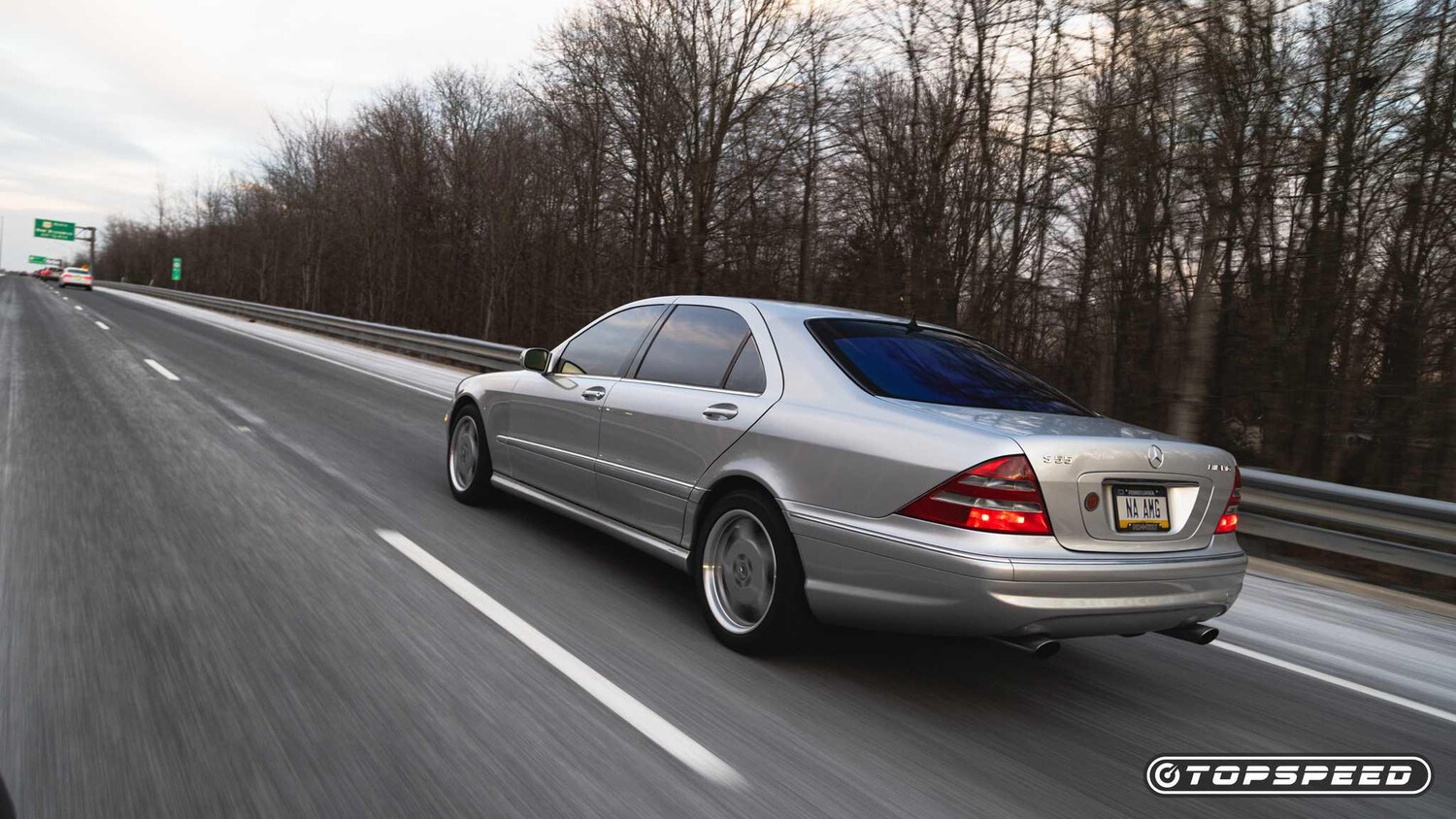
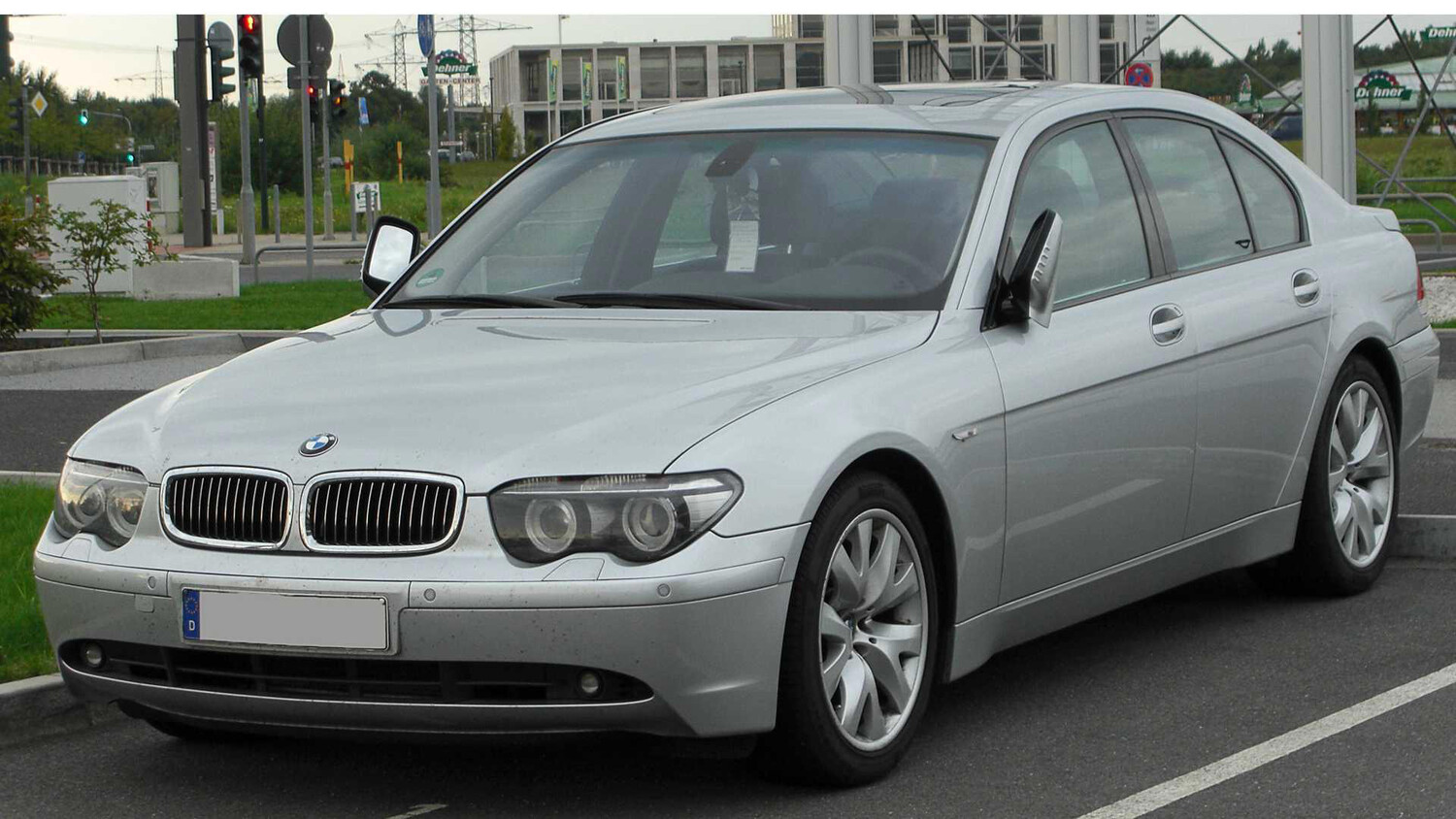
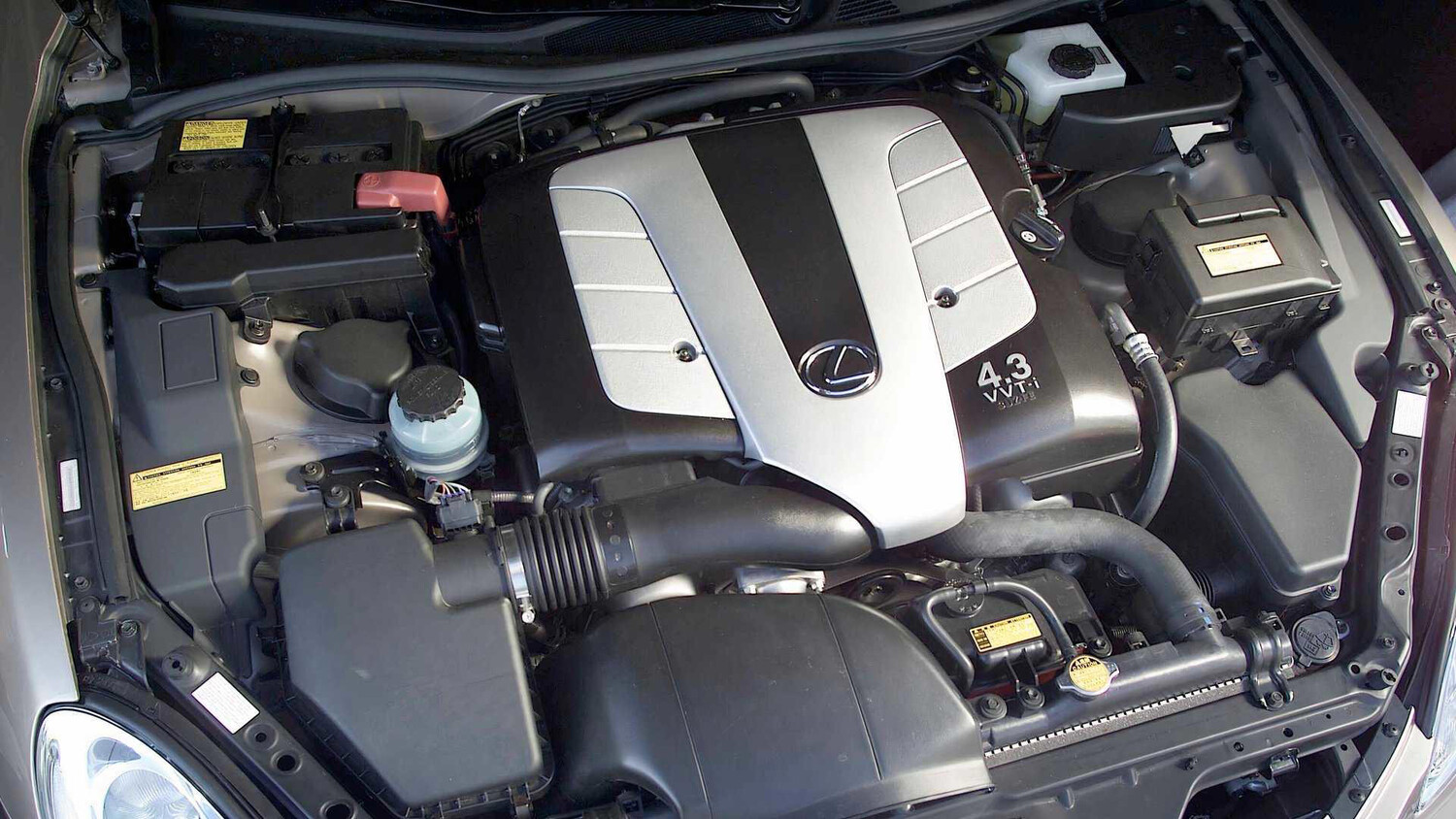
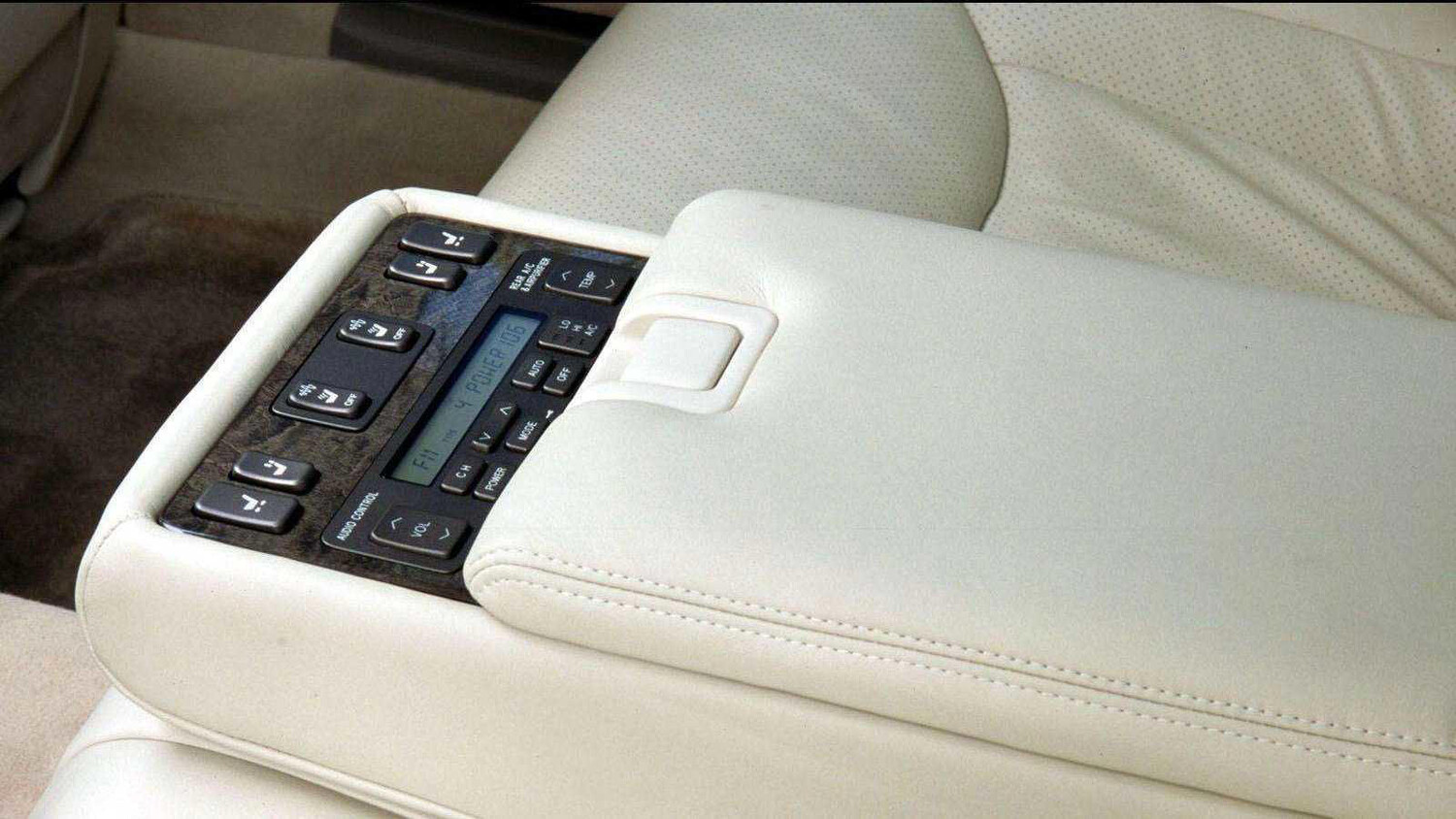
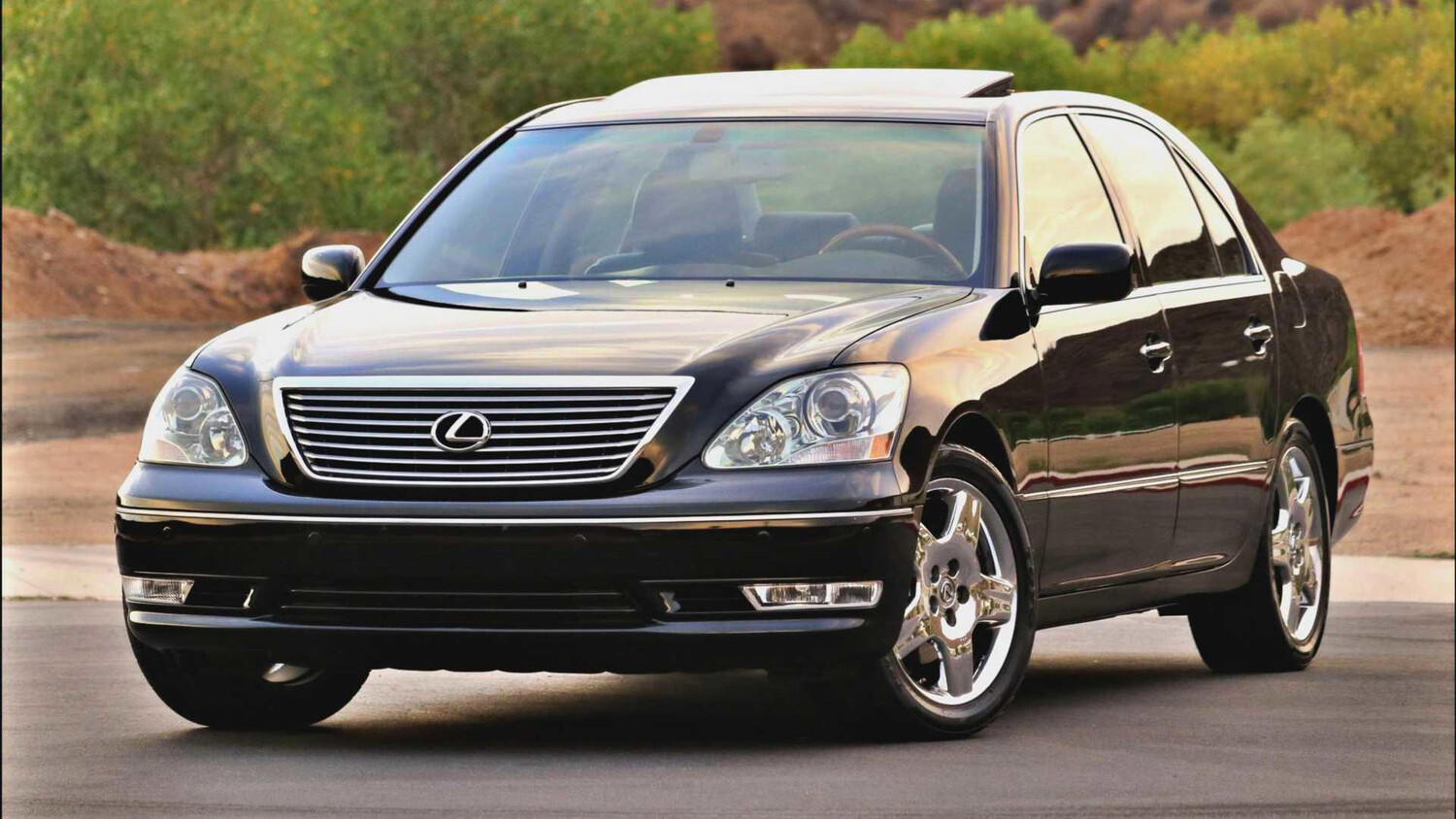
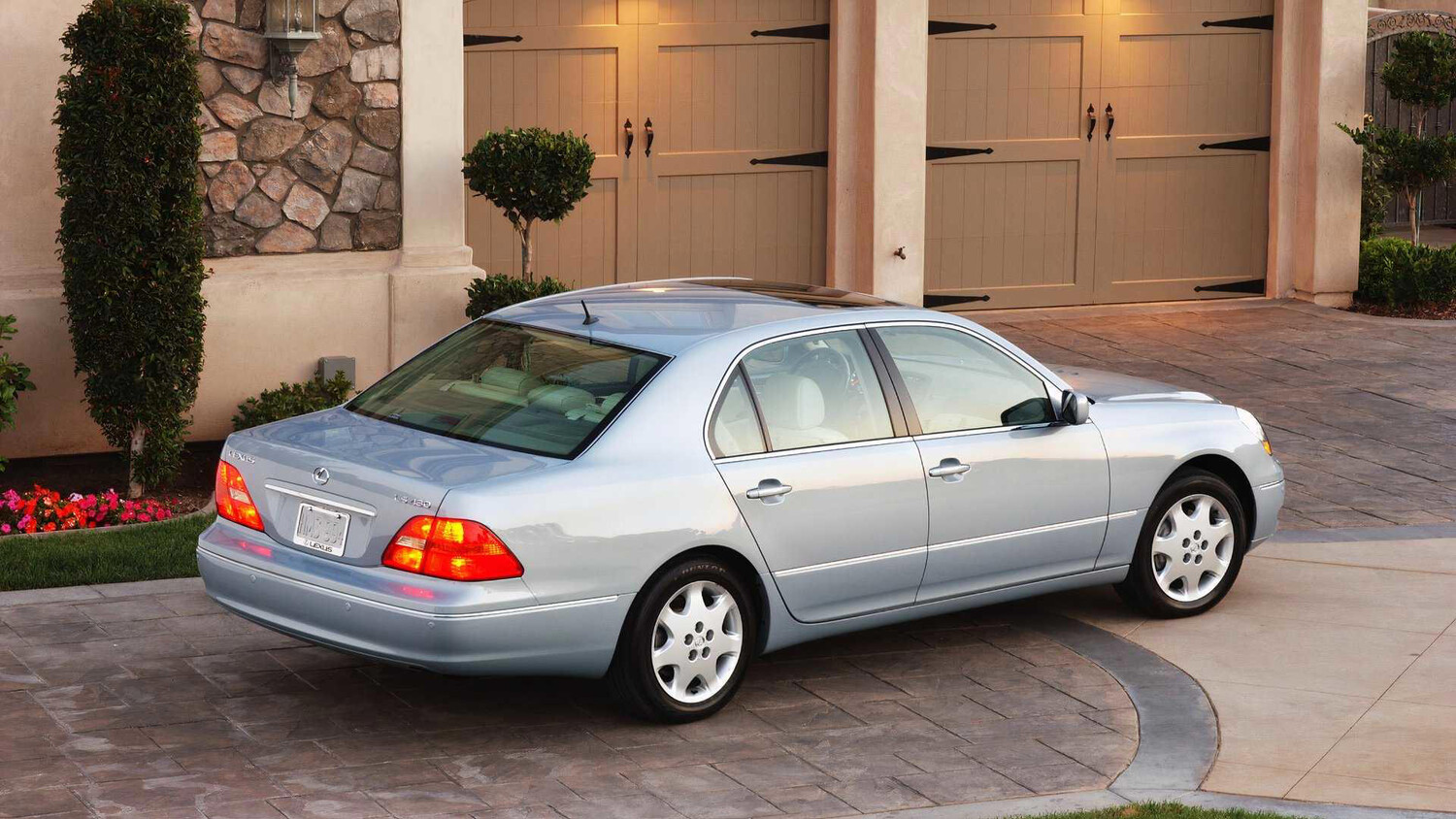
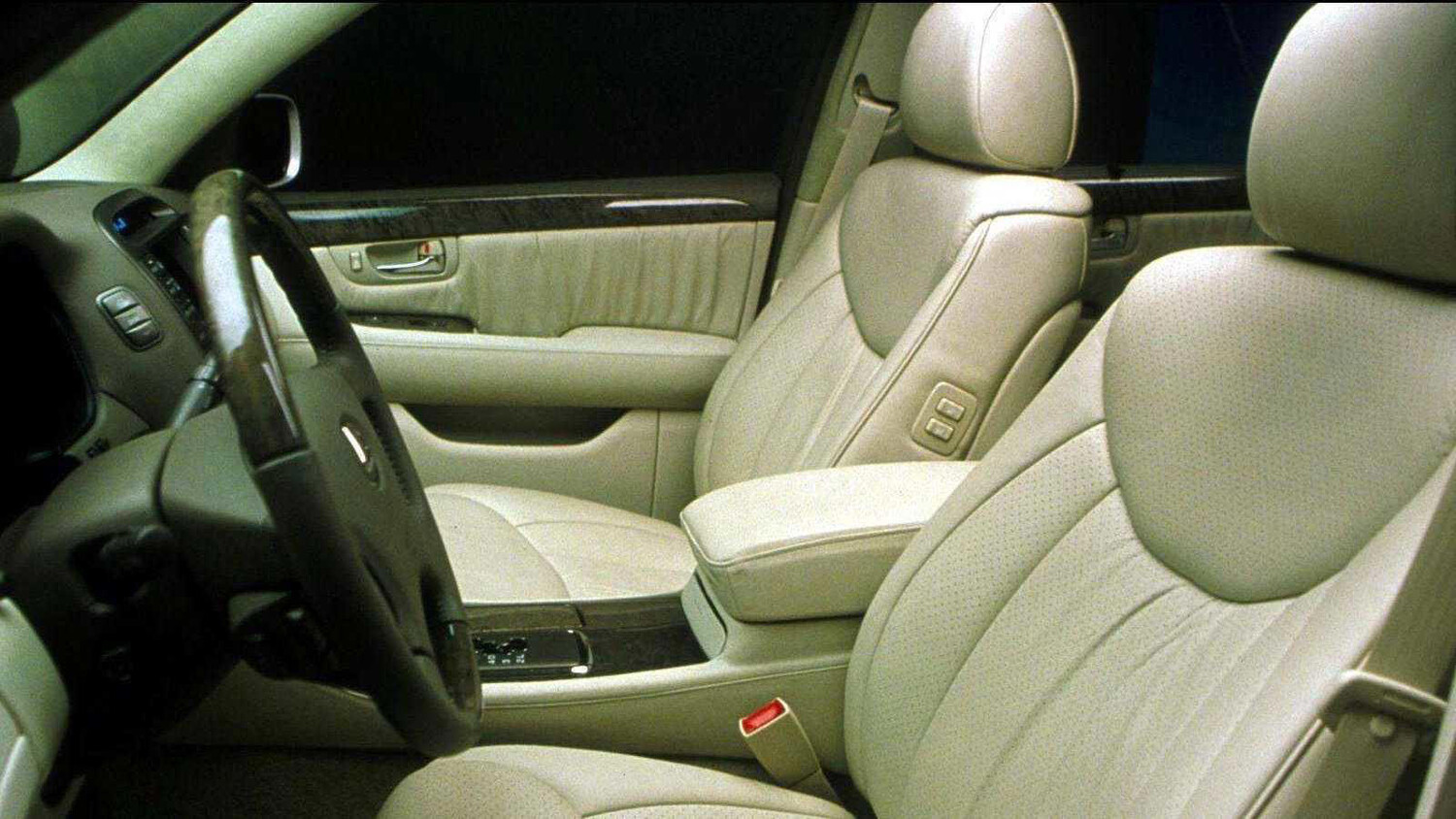
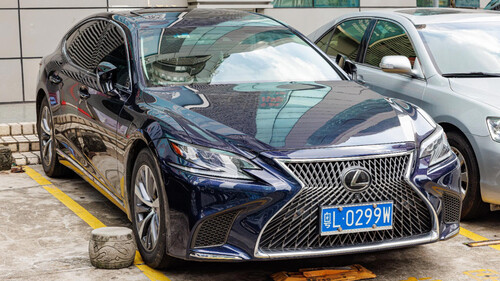
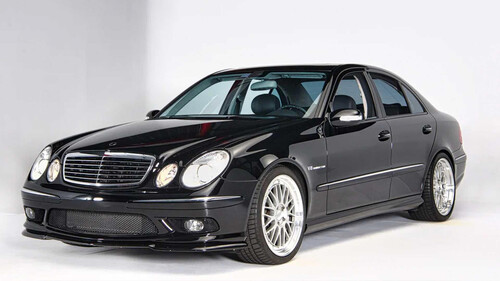
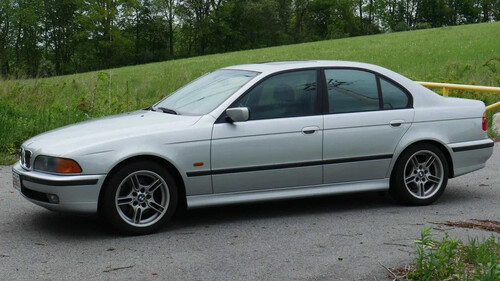
Only a certain type of shopper buys a used flagship luxury sedan with over 150,000 miles. In most cases, this type of bet is almost guaranteed to set you up for failure. By the time this vehicle exceeds 10 years of service, the badge on the hood matters much less than what the car actually costs to operate/maintain. This is why the full-size flagship segment of the early 2000s was so special. Most vehicles of this era are long gone because the long-term ownership costs were too extreme, but one outlier has achieved longevity in a way its competitors couldn't have imagined. The Luxury Cars Most Thought Would Age Better Chris Chin | TopSpeedIn the early 2000s, German flagship sedans were at the peak of their powers. BMW and Mercedes were in close competition to produce technologically ambitious vehicles, focusing on performance and luxury rather than long-term durability. The Era Of German Flagships Chris Chin | TopSpeedThe W220 Mercedes S-Class, the E65 BMW 7 Series, and the D2 Audi A8 were the German trio that defined early 2000s German flagship sedans. You know how radar-guided cruise control is a big thing nowadays, and almost every automaker offers it as part of their advanced driver-assistance suite. The W220 offered active cruise control over two decades ago, which functions very similarly to modern systems. The E65 introduced the iDrive infotainment interface, which would go on to define infotainment systems for the generations to come. The D2 A8 offered AWD at a time when the segment didn't truly value the technology.Bring A TrailerWhat the glowing reviews of these high-tech machines did not consider was the cost to operate these vehicles once the warranty expired. None of these models offered strong reliability, and most were plagued by mechanical issues and widespread electrical faults. Indeed, most of these sedans became case studies in why you should not buy a used flagship sedan unless you enjoy uncomfortable levels of unpredictability. The Story Changes After 100,000 Miles Via Wiki Media M 93With most flagship luxury cars, conversations tend to focus on the initial lease period of about 36 to 48 months. During this period, the cars are mostly performing as designed; expensive repairs are all handled under warranty, and the original owner handles maintenance. This ownership period is relatively stress-free, but once this same vehicle reaches the second or third owner near the 100,000-mile mark, the cost of upkeep sees a dramatic increase.Chris Chin | TopSpeedIf you still own an early 2000s German flagship sedan nowadays, it's neither a logical nor a pain-free decision. The experience can only be viewed as a labor of love, or a money pit, depending on who you ask. Either way, you know for sure that it will be an expensive and committed relationship. Yet, there was one nameplate from this era that somehow managed to buck the trend that defined its contemporaries. The Luxury Sedan That Made Achieving 250,000 Miles Feel Normal LexusBy 2010, if you had bought a flagship luxury sedan from the early 2000s, you had experienced the ownership cycle in full. Yet, there was one certain full-size luxury sedan that was accumulating mileage figures that are usually only seen in fleet vehicles, not flagship vehicles. A Curious Pattern Found On The Forums LexusIf you managed to make a 2000s Mercedes S-Class last over 100,000 miles, that was already an accomplishment. If you achieved 200,000 miles or more, you surely were in the 1% of owners who made it this far. Yet, if you head over to ClubLexus and take a look at some of the threads on there, you will notice a curious pattern.A lot of owners are driving a certain Lexus sedan for 300,000 miles or more and describing their ownership experience in a nonchalant fashion. There was even a 2023 sale of an example of this same sedan with 628,100 miles on the odometer on Cars & Bids, and the car sold with no reserve for $4,450. Most people don't even realize that mass production vehicles can achieve mileages in this stratospheric range. The Kind Of Car You Simply Don't Ever Get Rid Of LexusUsually, when you purchase a car, even a good one, you are compromising one way or another. A Mazda MX-5 Miata isn't great for groceries, and a Toyota Sienna is fun on track but not particularly fast or aerodynamic. However, some cars are simply 'peak'; there is nothing that tops the experience they provide. In this case, it's the type of car that is too reliable to let go of. The type of trust you only develop after years of pain-free service. The car we have been alluding to the whole time is the third-generation Lexus LS or the Lexus LS 430. This Japanese luxury sedan is simply one of the best used cars available at any price point. There is a distinct reason why the LS 430 is still sought after decades after production ended. Toyota Engineering Hidden Inside A Full-Size Luxury Car Bring a TrailerThe beauty of Toyota products is that the standard of quality is the same, no matter whether you are buying a Toyota Corolla or a Lexus LS. The LS 430 perfectly embodies Toyota's core values from this era of overengineering, mechanical simplicity, and conservative tuning margins. A Naturally Aspirated V-8 And Six-Speed Auto That Refuses to Die Bring a TrailerThere are reliable engines, and then there is the 4.3-liter 3UZ-FE V-8 that powered the LS 430. Despite its displacement size, this V-8 engine produced 290 horsepower and did so without breaking a sweat. The 3UZ-FE is as straightforward as an engine gets. No cylinder deactivation system will inevitably malfunction and cause catastrophic engine failure. Instead, Toyota prioritized longevity over all else, and the result is an engine that has no real weakness.LexusJust as capable as the 3UZ-FE were the transmissions it was mated to. 2001-2003 models used a five-speed automatic, with a facelift in 2004 introducing the six-speed unit that was both more refined and durable. Reports from niche dealers that specialize in these third-gen Lexus LS models state that this six-speed transmission is capable of 300,000 to 500,000 miles with little to no issues. That isn't just great longevity, it's an engineering achievement and a testament to Toyota's class-leading build quality. Lexus Overbuilt Almost Everything On The LS 430 Lexus While the bulletproof powertrain is the clear star of the show, Lexus didn't stop there in terms of its high standards of quality. The interior may not shock you with high-resolution screens or cutting-edge infotainment, but it is built well.Even on the extreme 600,000+ mile 2001 example, the headliner didn't sag, the center console opened without issue, as did the cupholder cover. Was it worn out? Of course. Did everything work, however? Yes! This was a deliberate engineering trade-off, and parts last longer/require replacement less often than German equivalents. Even parts availability is solid compared to something like the E65 7 Series of the same era, which suffers from finicky proprietary electronics and long lists of NLA parts. The LS 430 Ages Better Than Most Modern Luxury Sedans Bring a TrailerIf your goal with buying a flagship sedan was to be the center of attention, then the LS 430 was probably the last choice on your list. The LS 430 defined understated elegance, and that same restraint would be the reason these vehicles still operate reliably over two decades later. Conservative Engineering Steals The Show LexusThe Lexus LS has always had one goal in mind since its introduction in the early 1990s: to be better than the Germans at everything that matters and somehow still find a way to cost less. Safe to say Lexus achieved this feat, and the LS 430 was absurdly over-engineered given its sticker price. During this era of Lexus, consistency mattered more than innovation or cutting-edge performance. Fewer electronics and less complexity equals more reliable mileage. A simple formula, once you think about it. Yet, that is the beauty of conservative engineering. Take care of an LS 430, and you can be assured you will be rewarded many times over. Why Clean Examples Are Becoming Rare LexusIn 2026, the entire production run of the LS 430 is at least 20 years old. Of all the things that could kill an LS 430 prematurely, rust is likely the most significant factor. Specialist dealers most often source the cleanest examples from the salt-free western and southern states. The LS 430 may be near-unkillable, but serious rust damage is a red flag that even this most reliable of flagship sedans cannot overcome. LexusYet the demand for the LS 430 continues to rise as supply diminishes. A full-size luxury sedan with a naturally aspirated V-8 engine and a documented history of regularly surviving 300,000 miles is not something any modern contemporary can offer, regardless of price point. If you want something close to what could only be described as the perfect car, you had better lock in and find a clean LS 430 before they are all gone.Sources: Lexus, Toyota, BMW, Mercedes, Audi, and ClubLexus.