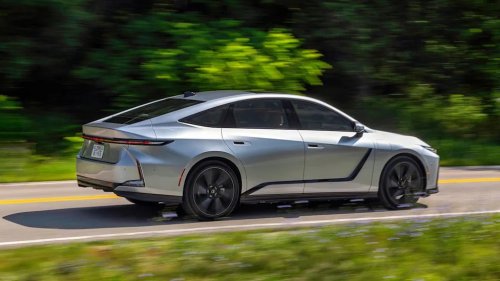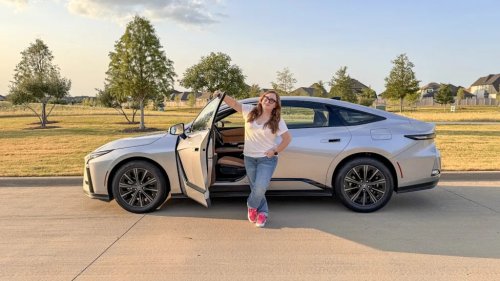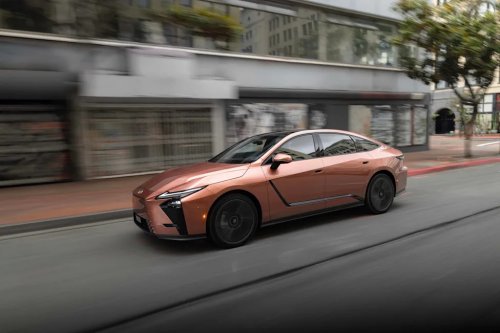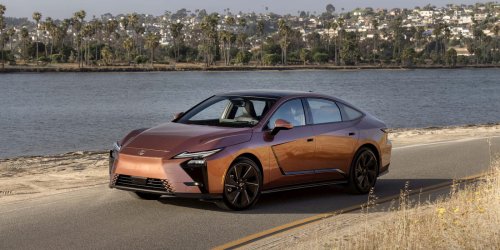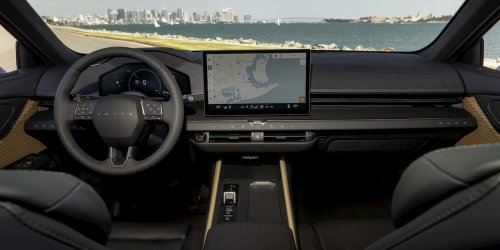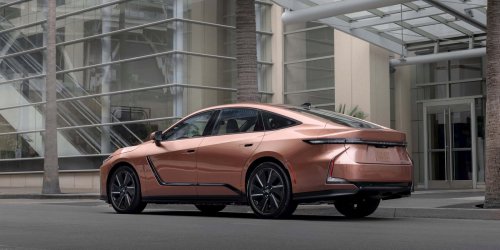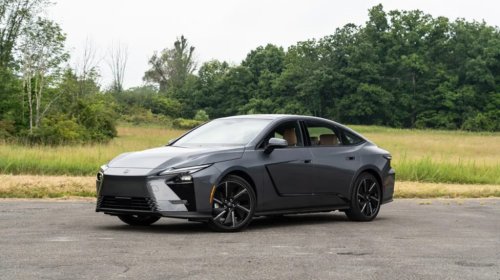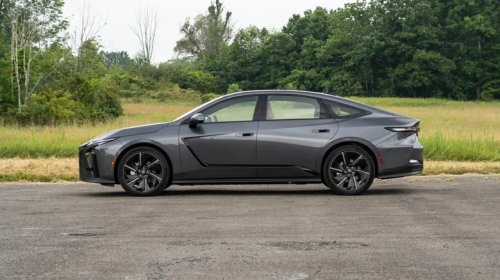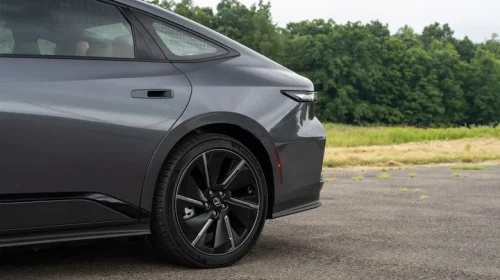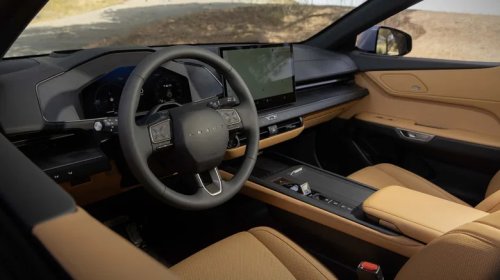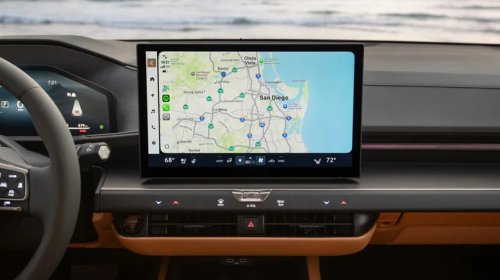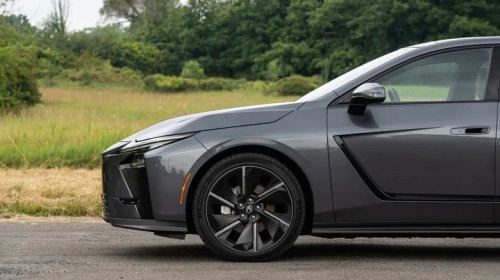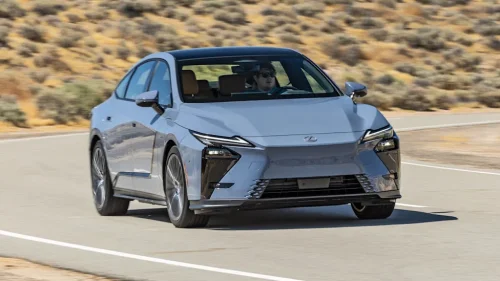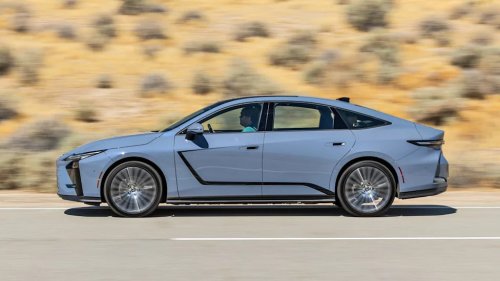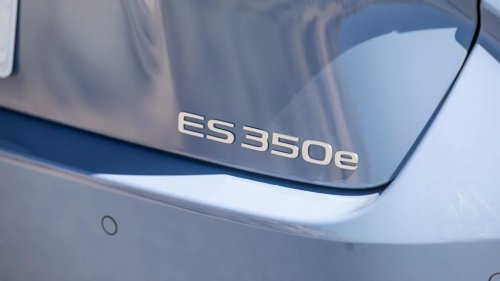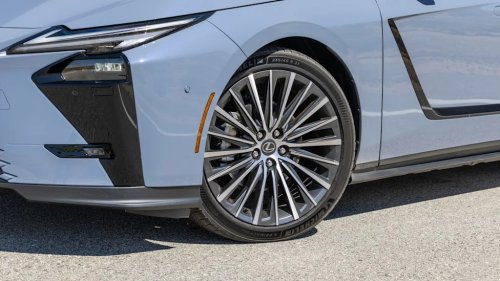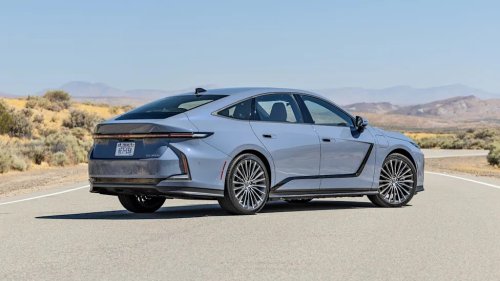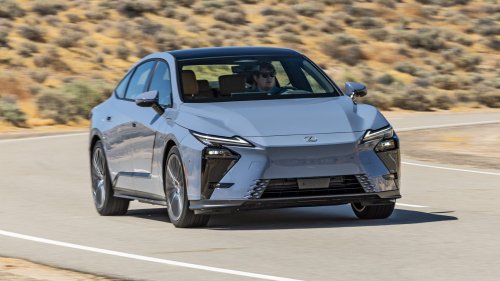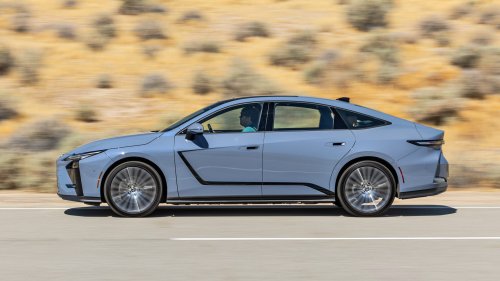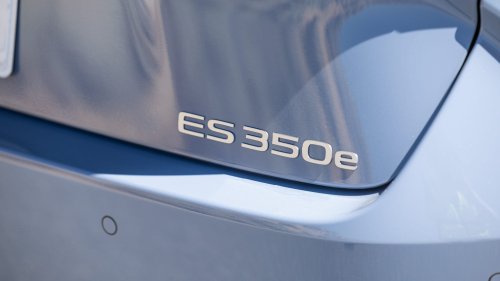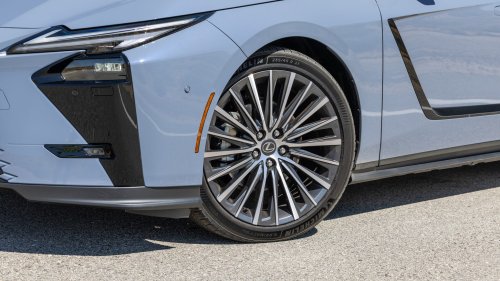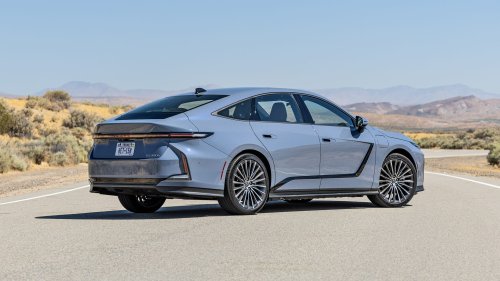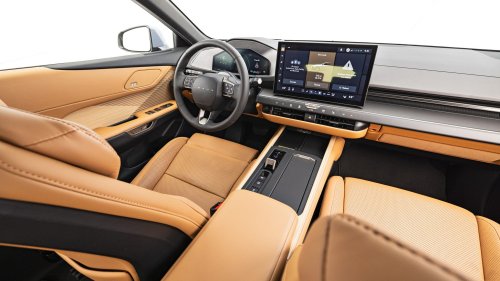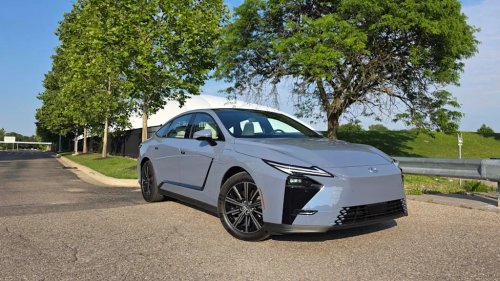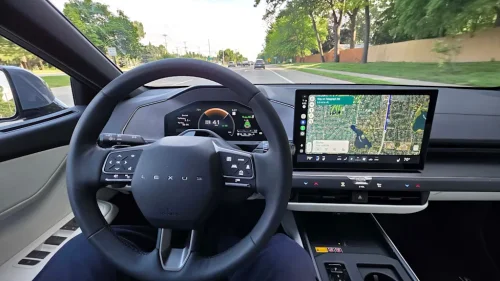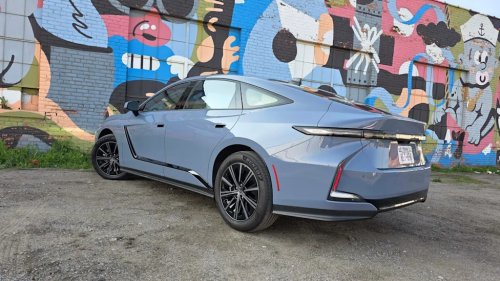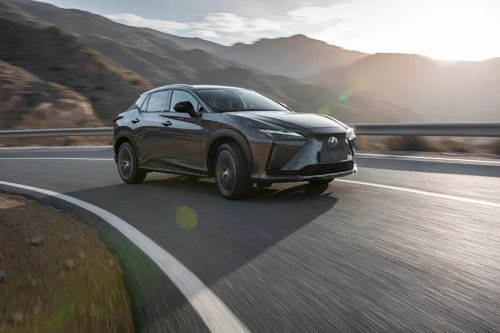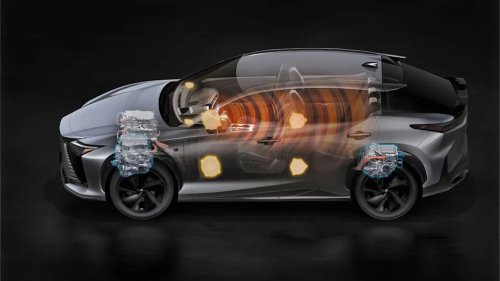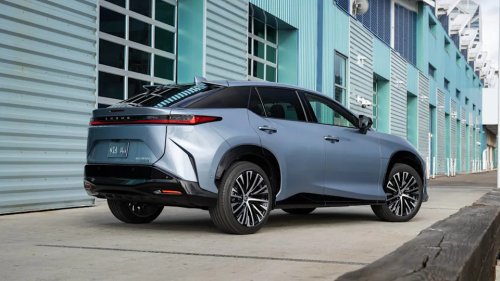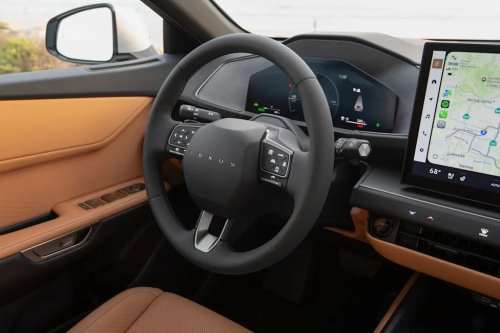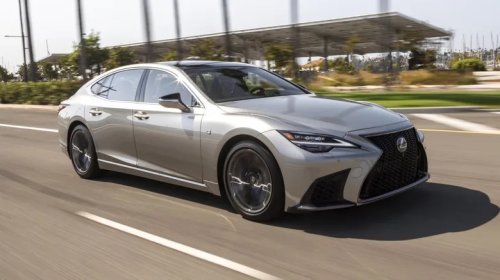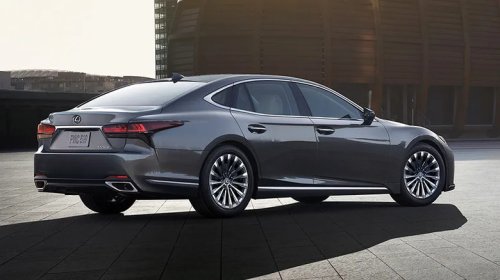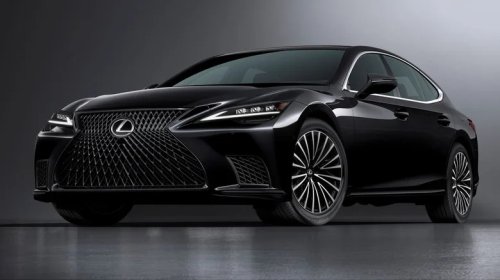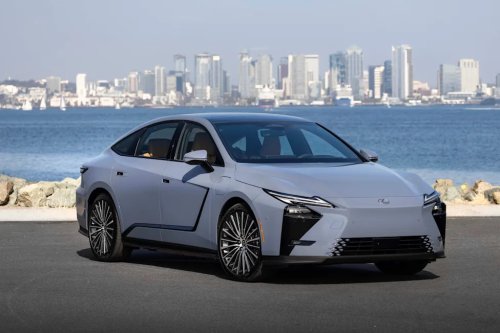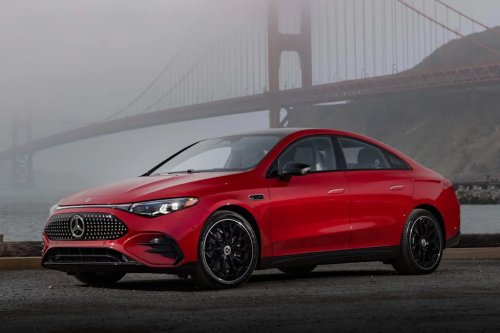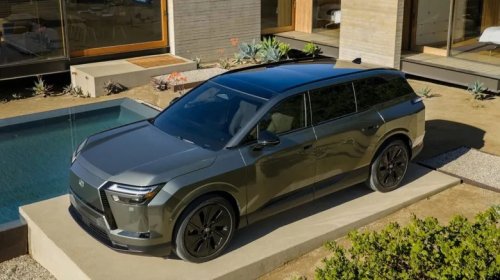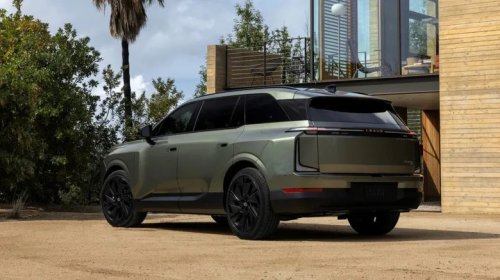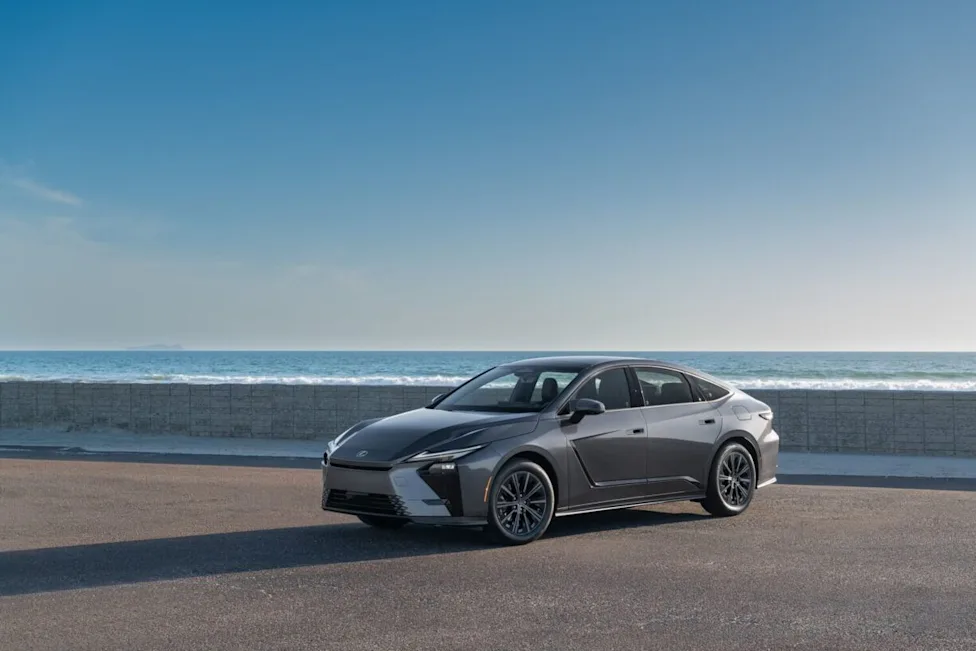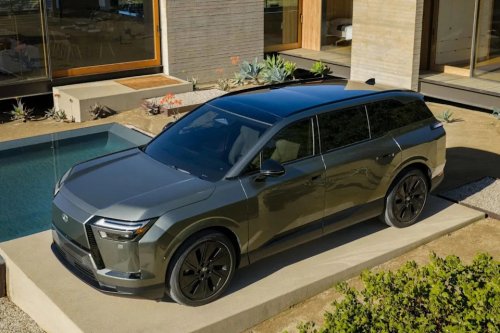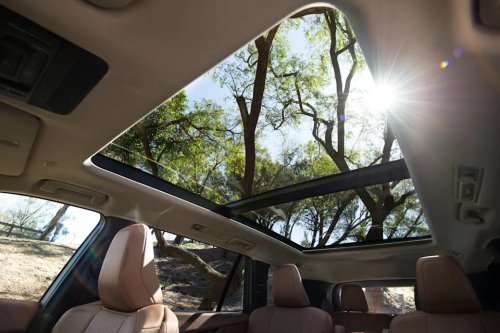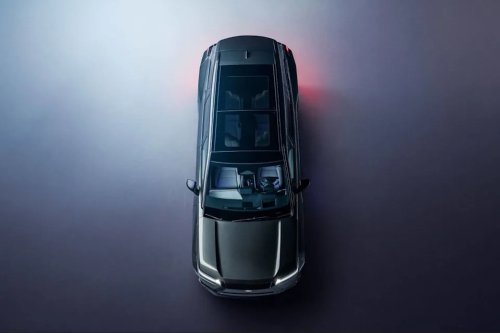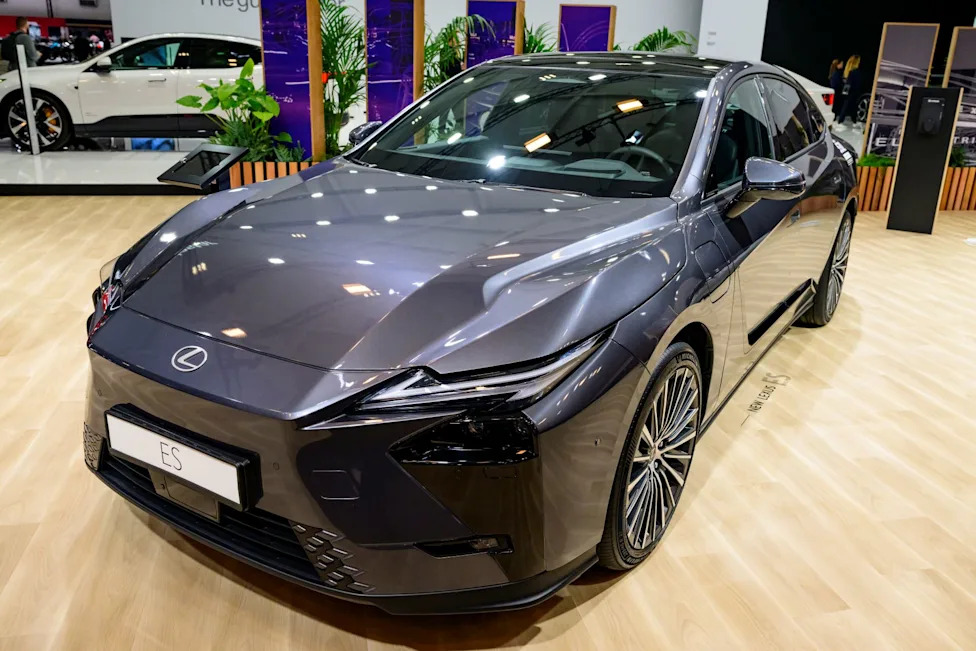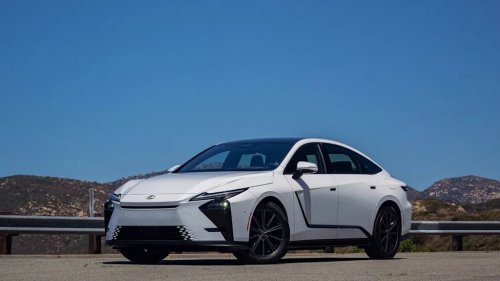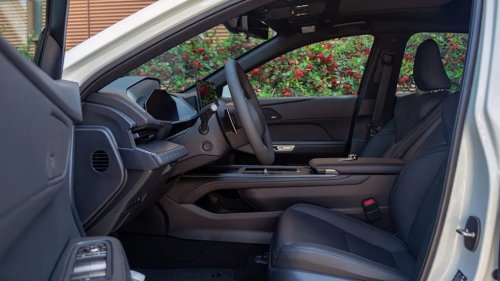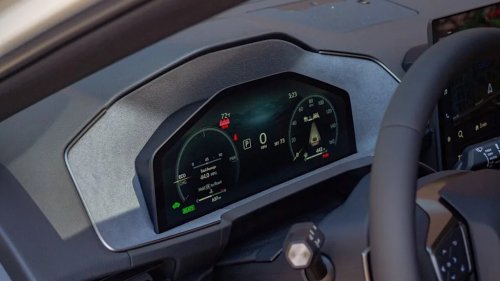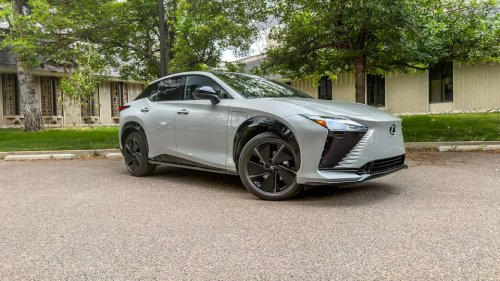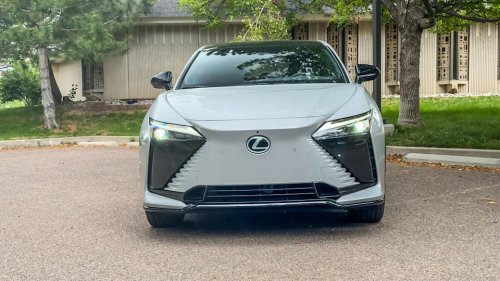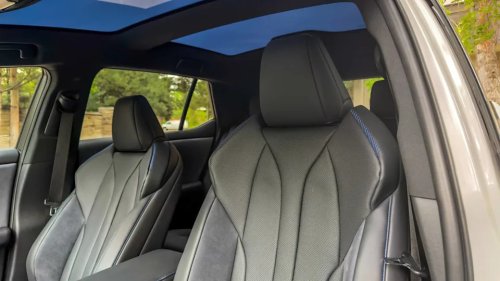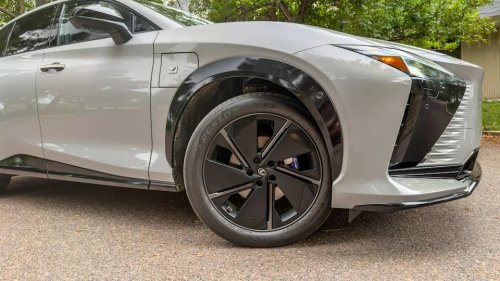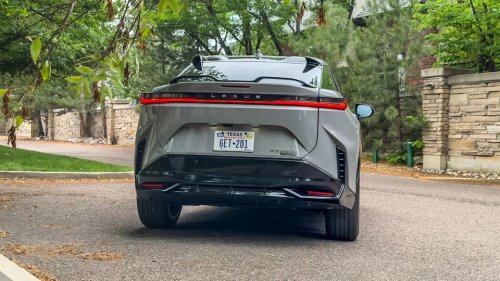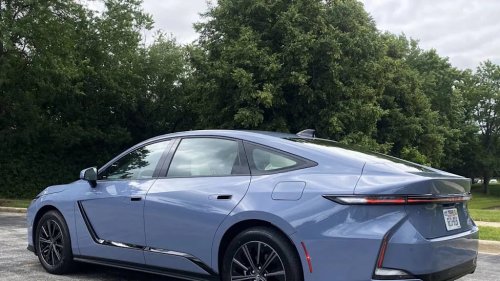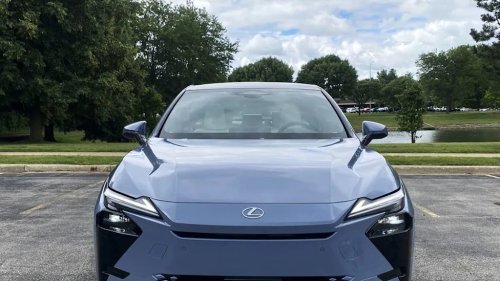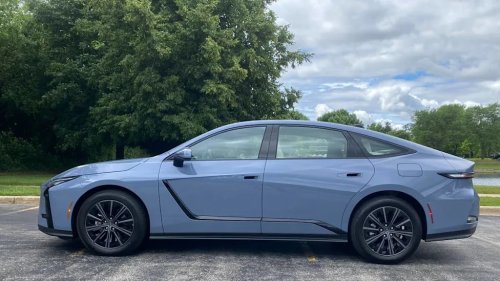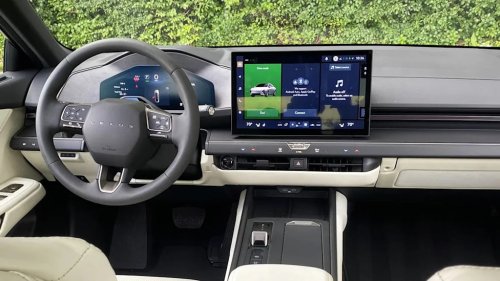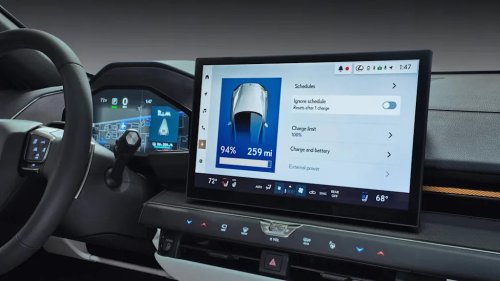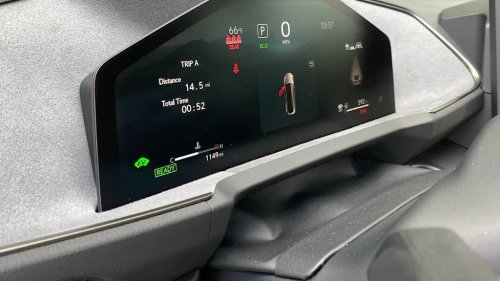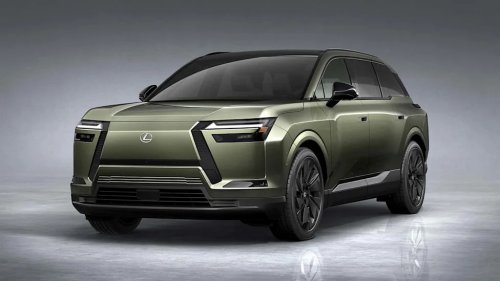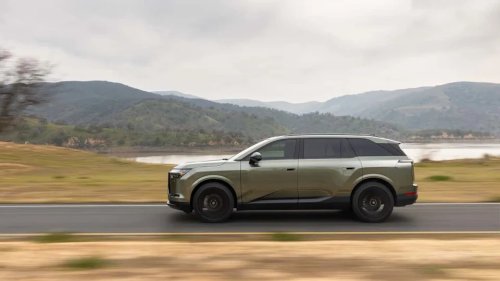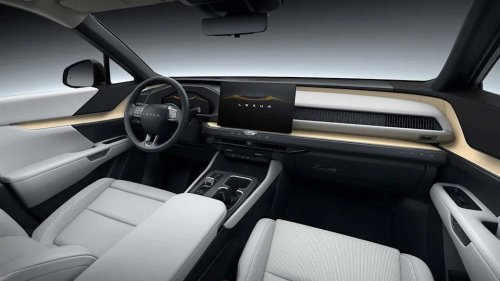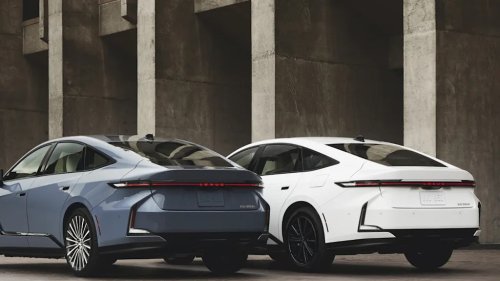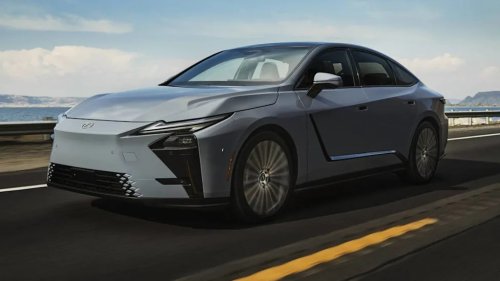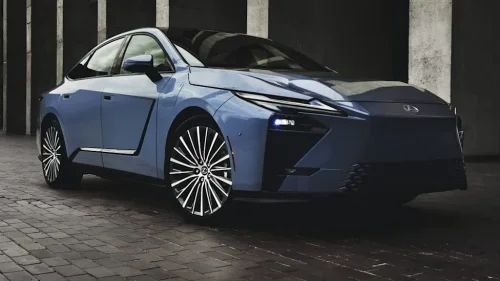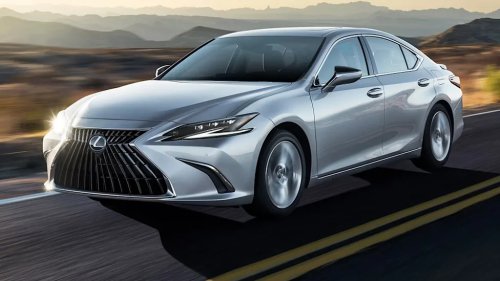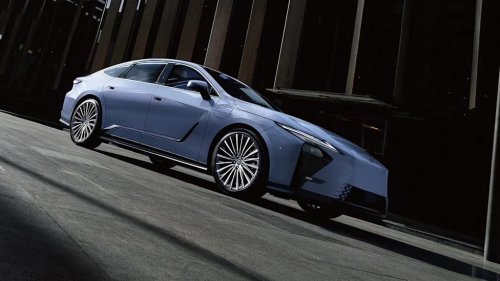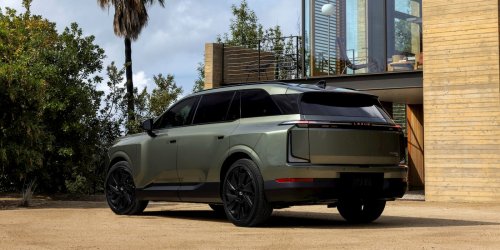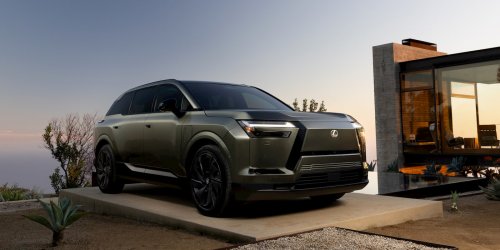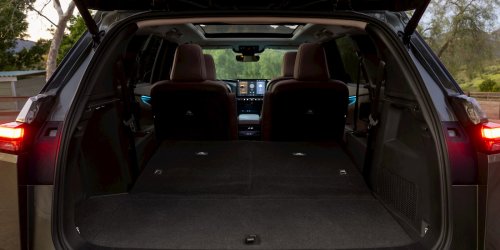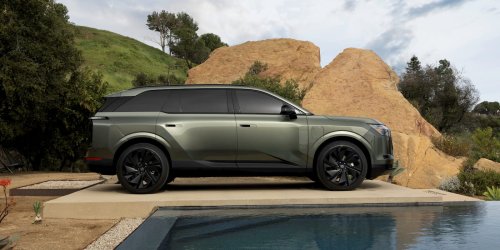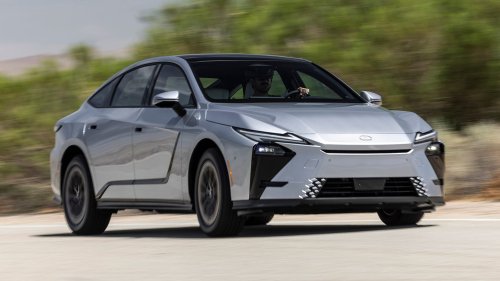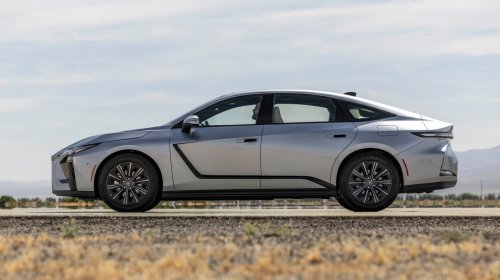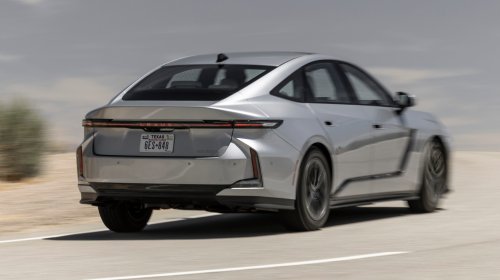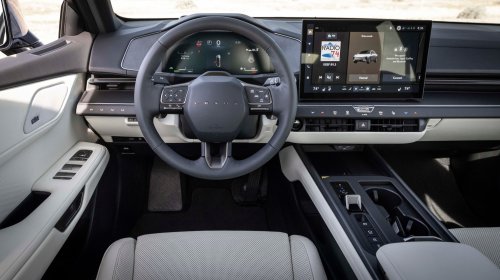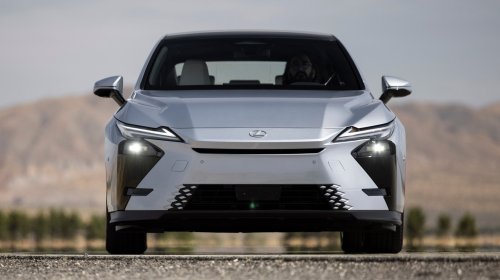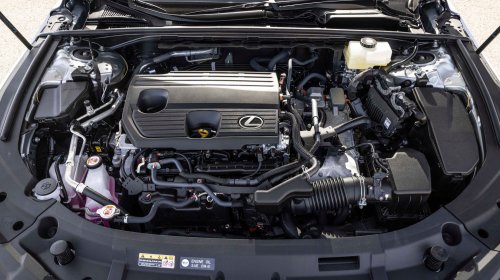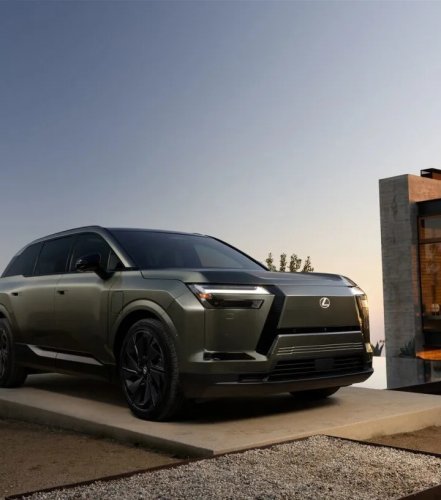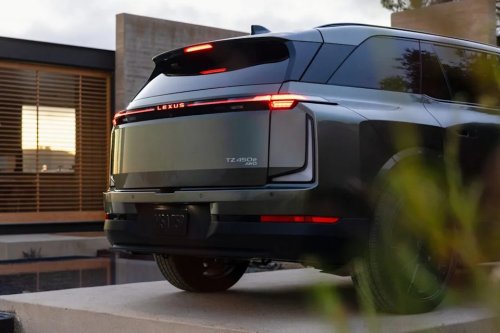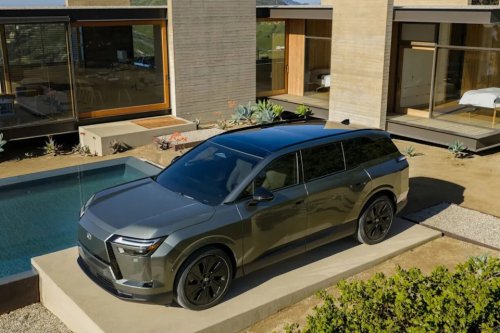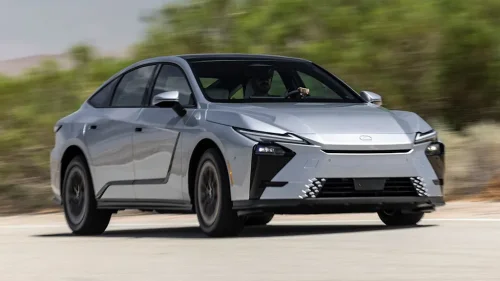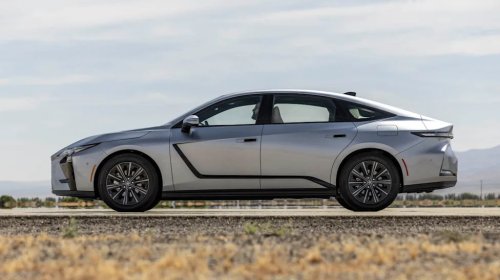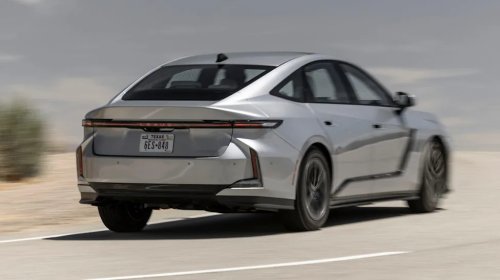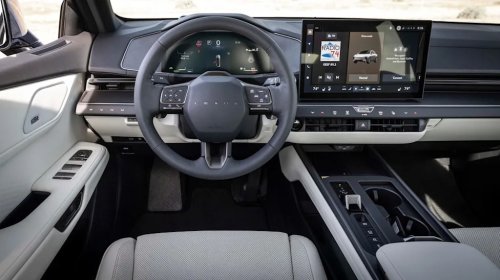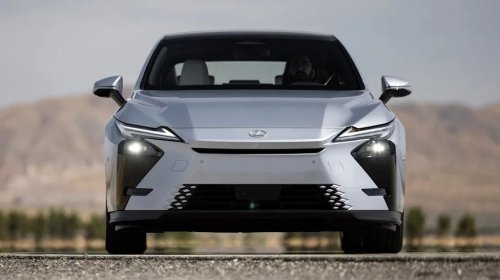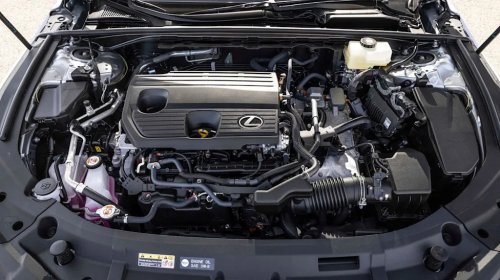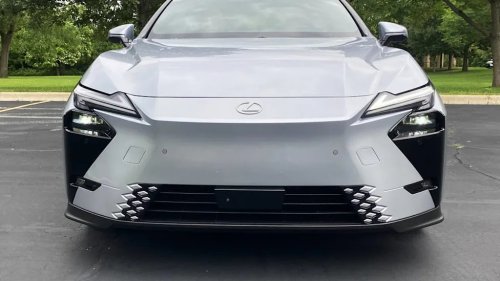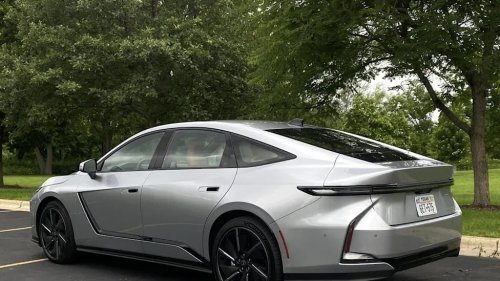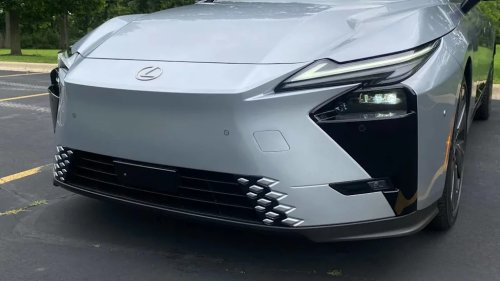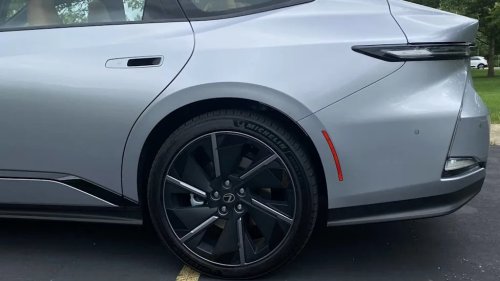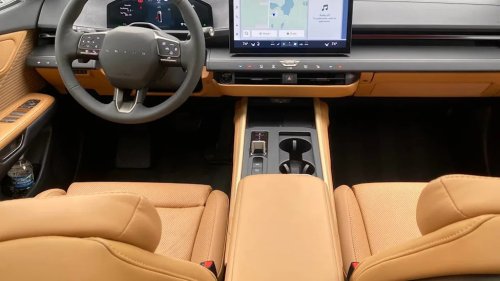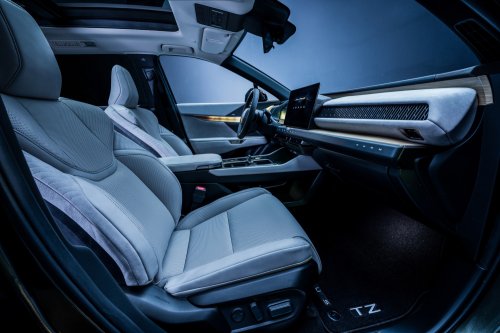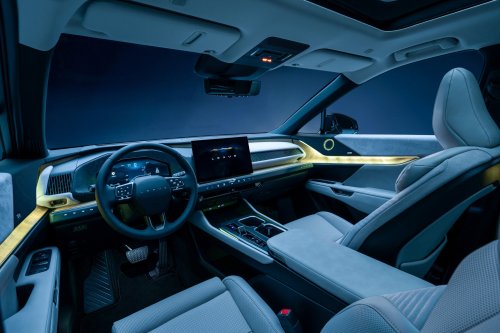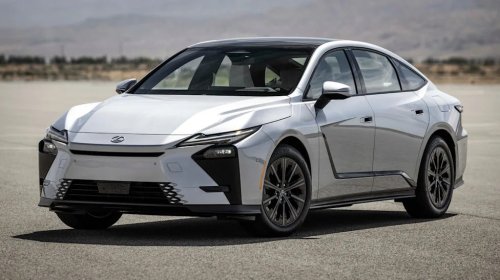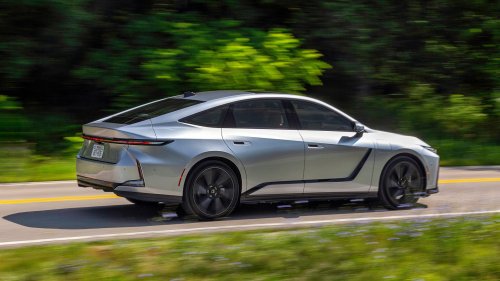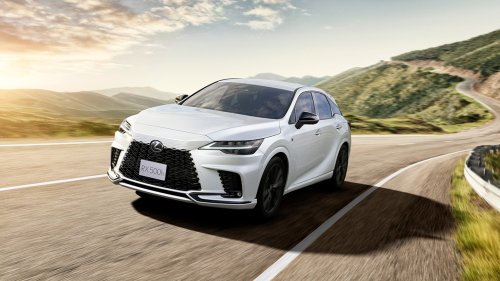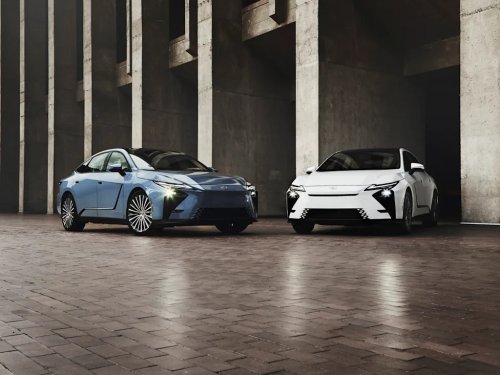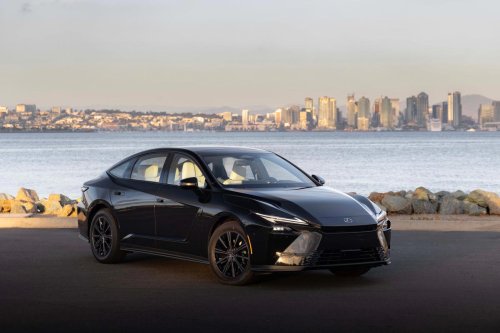
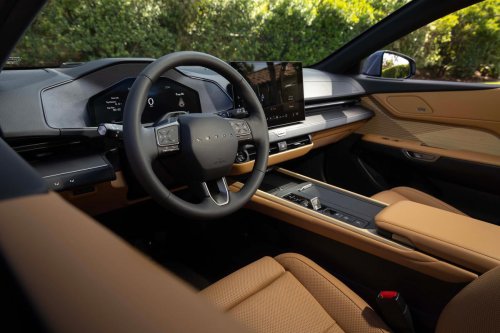
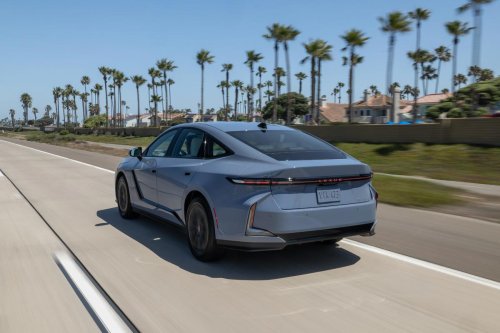




















2026 Lexus ES Is All-Electric—This One Is Our FaveLexus (Lexus)Lexus offers three distinct new models of its eighth-gen ES sedan, with two battery electric models and a hybrid.The BEVs are out now, while the hybrid bows next month.Prices go from $48,895 for the front-wheel-drive battery-electric ES 350e to $58,690 for the ES 350h Premium+ AWD hybrid model.The once-entry level Lexus ES is back for its eighth generation, with two all-electric BEVs and a hybrid coming. Oh, how the former Camry platformmate has changed.There’s a lot going on with the new Lexus ES sedans, and it’s not just the new exteriors.AdvertisementAdvertisementThe two models out now, the 350e and 500e, are the first ES models with 100 percent battery-electric powertrains, and only the second-ever EVs in the Lexus lineup after the RZ.The new hybrid model, out in June, uses the sixth-generation of Lexus hybrid system, with a 2.5-liter four-cylinder and up to 46 mpg.First of all, it’s nice to see a sedan still in a lineup anywhere in this world of crossover utility vehicles. The ES was part of Lexus from the division’s founding in 1989. At first it took some criticism for being, “just a gussied-up Camry.” But now it sits on its own architecture, what Lexus calls the multi-way platform, an evolution of the TNGA-K underpinnings that supports the RAV4, Highlander, Crown, Sienna, and yes, even the Camry.Some things never change.Lexus (Lexus)The drivetrain of the BEV versions of the ES comes in two layouts. The 350e is front-wheel drive with a single 221-hp permanent-magnet electric motor powering the front wheels. That setup is good for 0-60 mph in a reasonably safe-enough 7.4 seconds.AdvertisementAdvertisementThe 500e gets the same front motor and adds a 118-hp permanent-magnet rear motor for what Toyota calls DIRECT 4 all-wheel drive. Combined output for that powertrain is 338 hp, good for 0-60 in 5.1 seconds. You could win some stoplight drag races against generic crossover utility vehicles.What is DIRECT 4 all-wheel drive? Toyota says DIRECT4 drive-force distribution control uses vehicle wheel speed, acceleration, and steering-angle sensor information to control the front-to-rear torque distribution between 100:0 and 0:100. When launching from a stop, and during straight-line acceleration, the system uses a front-to-rear torque distribution between 60:40 and 40:60 to minimize vehicle pitch and help achieve a direct acceleration feel.Range anxiety can be assuaged somewhat by 307 miles of travel on a full charge for the 350e and 276 for the AWD 500e, depending on wheel choices. Charging on a DC plug gets up to 150 kW, which will take you from 10 to 80 percent charge in 28 minutes, Toyota says, though I never tried it out. Both 350e and 500e use the same 74.7-kWh lithium-ion battery pack.If you want to eliminate range anxiety altogether, consider the ES 350h. The hybrid ES rides on the same platform as the EVs but packs a 2.5-liter four-cylinder internal combustion engine as part of Toyota’s sixth-gen gas-electric hybrid system. That includes a fuel tank and battery under the rear seat making 244 net combined hp, so you’ll never run out of forward momentum. It also manages 46 mpg for the FWD setup and 44 for the AWD.Lexus (Lexus)Toyota expects to sell about 80 percent of its new ES sedans with the hybrid drivetrain.AdvertisementAdvertisementMy first stint behind the wheel was in a 500e (not the classic Mercedes sedan, btw). Lexus lists a 0-60 time mph of 5.1 seconds for this model, which felt kinda good underway, especially considering that this setup has a curb weight of 6030 pounds. While not a performance sedan by any means, it was by far the most enjoyable of the three ES models I drove that day. Power generally equals fun, and this one’s 338 hp did make my suburban and limited freeway adventure enjoyable, almost but not quite sporty.Inside were many of the same features found on the other two ES models.“Inside, the ES marries minimalist design with new technology while maintaining the premium materials and luxurious feel for which the ES is traditionally known,” Lexus said.My ES 500e Luxury AWD trim loaner had everything from “semi-aniline leather-trimmed seating” to “Thematic Ambient Illumination with Bamboo Layering.” There was a new LED-backlit layered bamboo wood-trimmed door panel design, too, along with bamboo trim on the center console.AdvertisementAdvertisementIn the battle of the screens, Lexus offers a 12.3-inch Multi-Information Display and a 14.0-inch touchscreen with a new Lexus Interface on the dashboard. The latter is positioned above a soft-touch horizontal control panel with backlit temperature, defroster, and defogger buttons (yay for buttons!) for the standard dual-zone climate control system.Lexus (Lexus)My next drive was in the fwd ES 350e.“Half as many motors, half as much fun,” I wrote in the notebook. At 5,810 pounds, you’re only saving 210 pounds of curb weight versus the AWD 500e. While the front-drive ES 350e gets that 307 miles range, the more enjoyable-to-drive 500e only gives up 31 miles range, at 276 miles.Finally, I got into the hybrid, the one they’re going to sell way more of. Going from silent running in the electric cars to the internal combustion-assisted hybrid, you notice the sound of the engine right away, even though this one is probably Lexus-quiet. Total output of the hybrid-model ES is 94 hp less than the 500e, and you notice that, too.AdvertisementAdvertisementAll things considered, I vote for the 500e, even though most customers will buy the hybrid. At least take one out for a test drive if you’re looking at buying a new ES. You might be surprised at the quiet fun it offers.Hearst Owned (Hearst Owned)