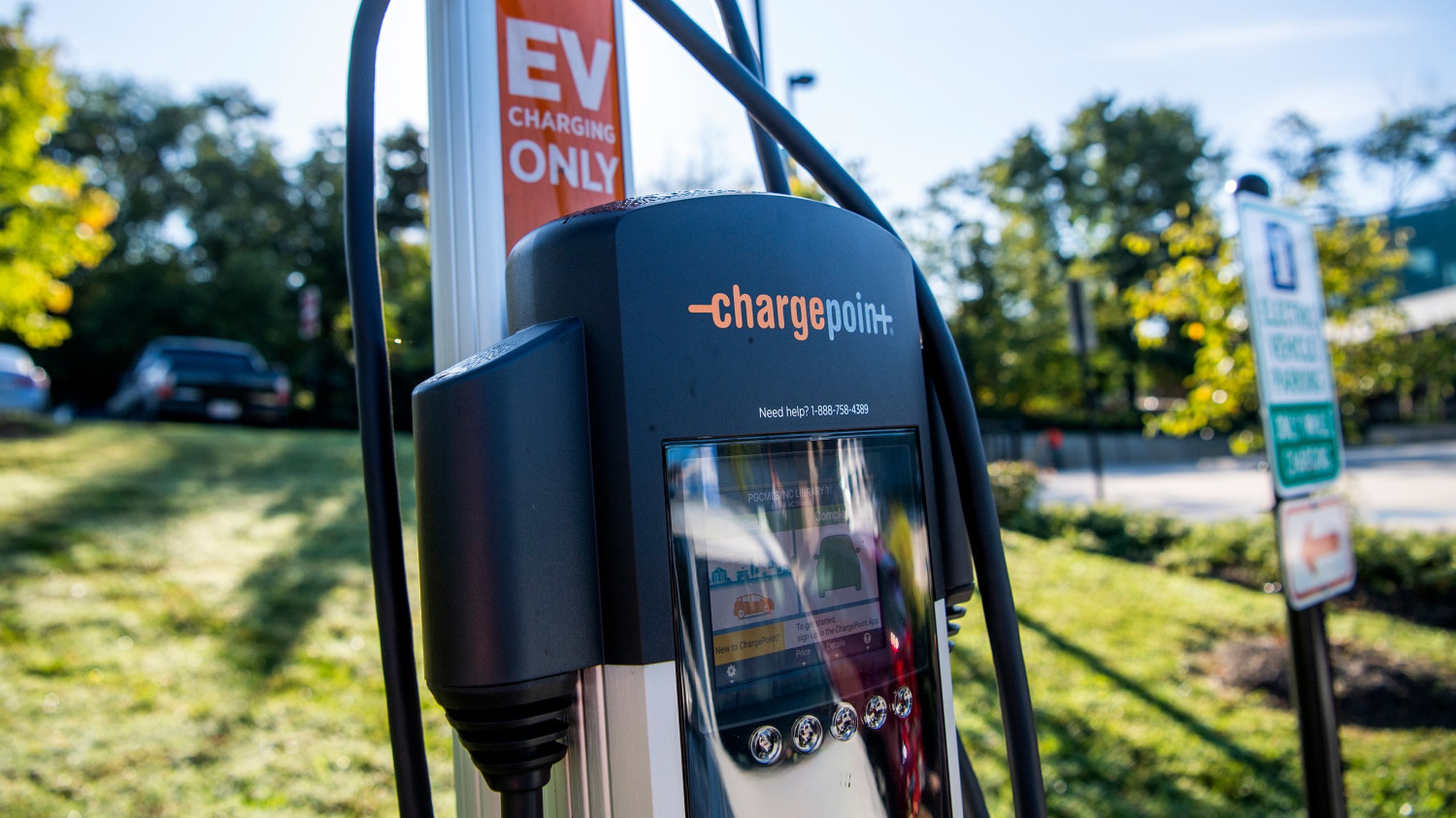
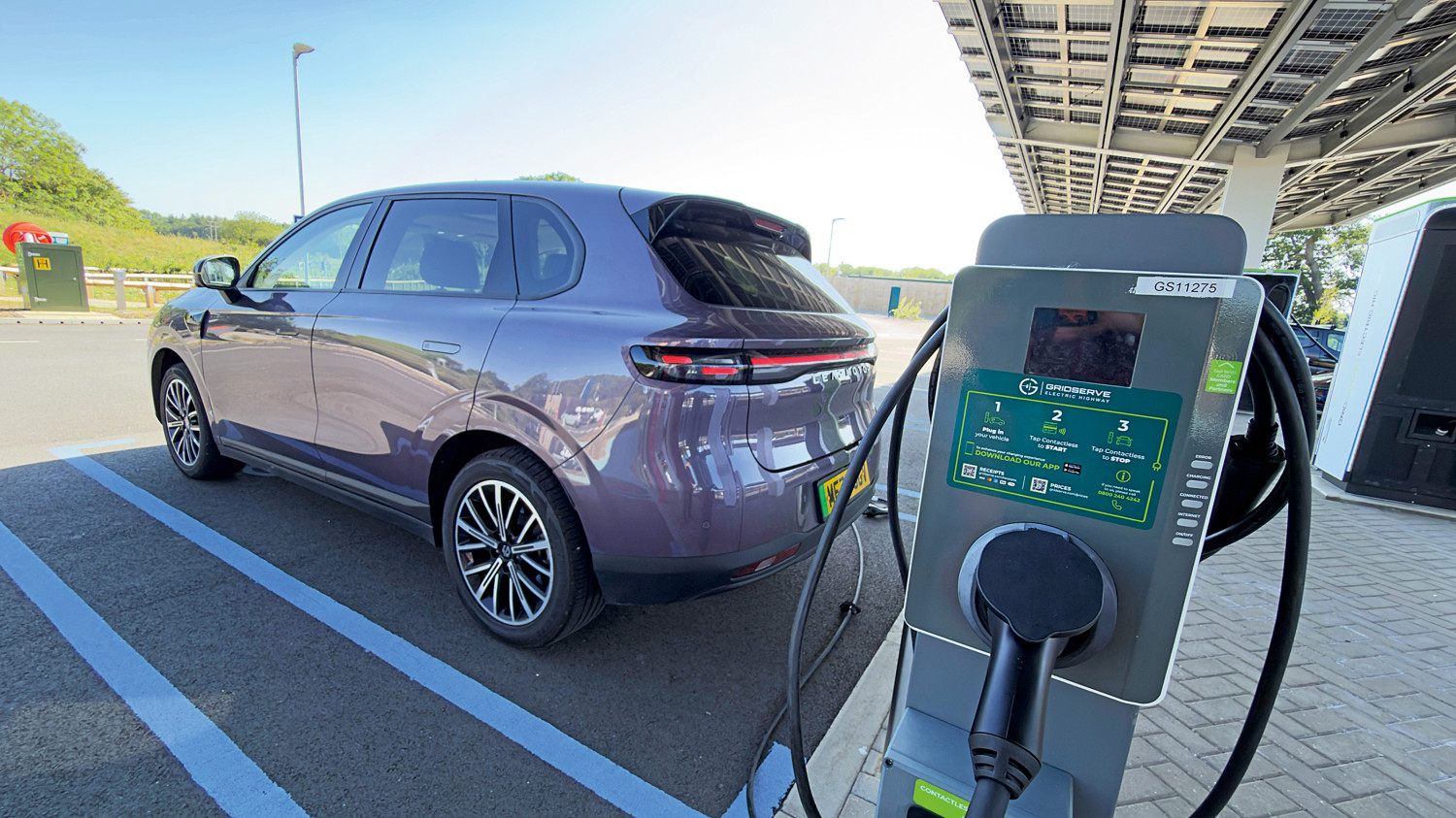
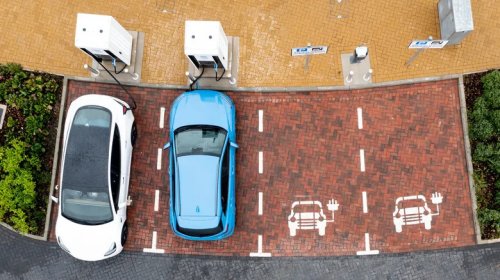
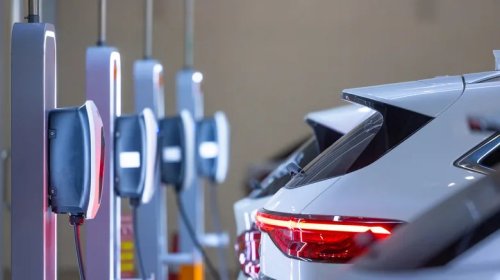
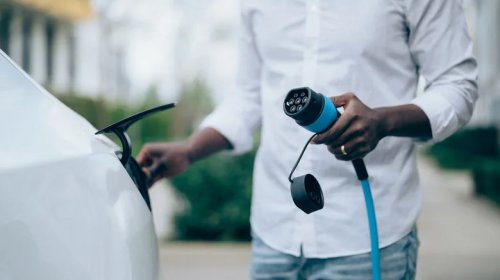
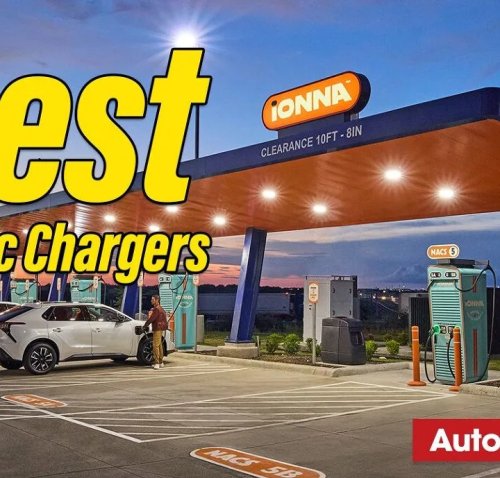
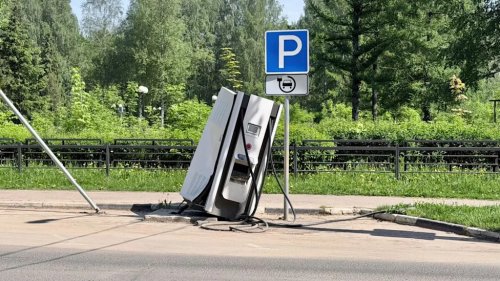
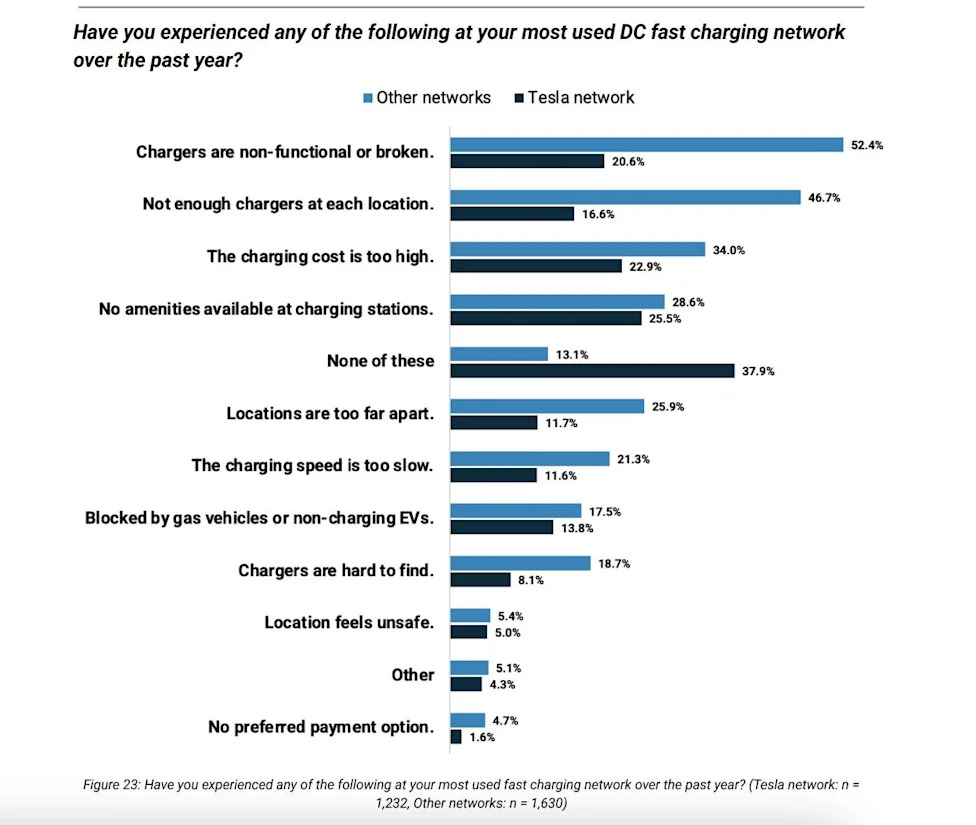
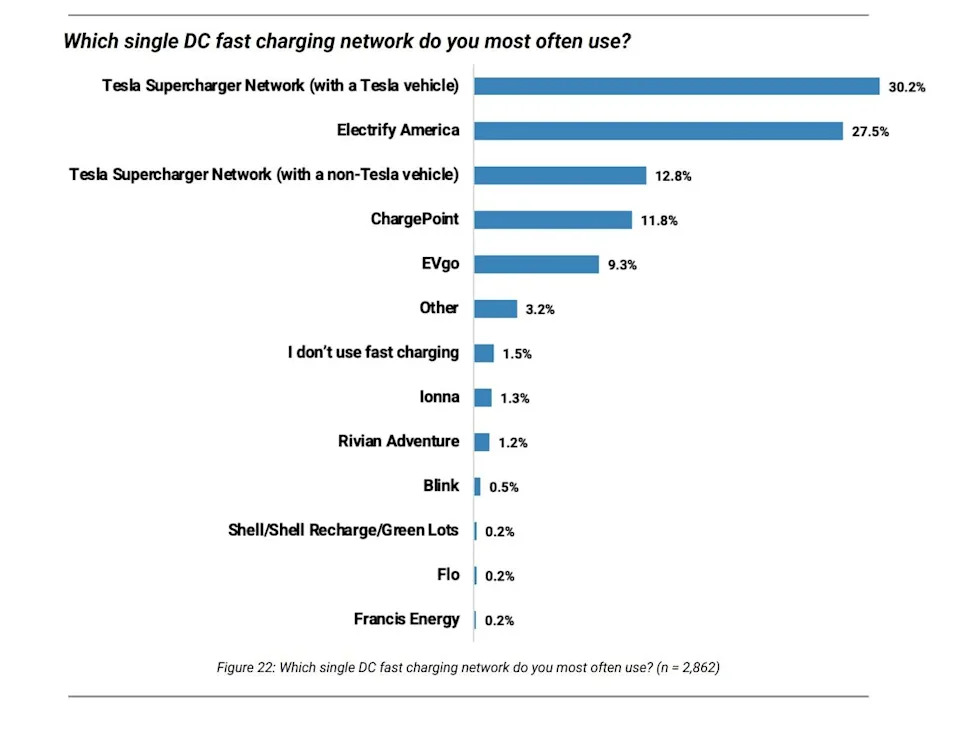
Left Holding a Broken Charger: Public EV Charging is a GambleWhen is the last time you came across a broken gas pump? Maybe never? If you own an EV (a non- Tesla anyway) over half of owners looking to power-up were left holding a broken charger in their hand last year.According to Plug In America's 2026 Annual EV Driver Survey, public charging reliability remains a tale of two realities. While the infrastructure is gradually finding its footing, drivers navigating networks outside of the Tesla ecosystem are still encountering significant headwinds when plugging in on the go.The Broken Charger Dilemma (And the Tesla Advantage)The survey reveals a stark contrast between those utilizing Tesla's Supercharger network and those relying on other third-party fast chargers.AdvertisementAdvertisementFor non-Tesla network users, a staggering 52.4% reported encountering non-functional or broken chargers over the past year. While that number sounds incredibly high, it is actually a sign of progress. It's down nearly 10% from the 62% reported in 2025.Beyond broken hardware, non-Tesla drivers also struggled with capacity and cost:46.7% reported there were not enough chargers at each location.34.0% complained that the charging cost was too high.28.6% noted a total lack of amenities at charging stations.Meanwhile, Tesla users are having a much smoother ride. Almost 40% (37.9%) of Tesla network users reported experiencing absolutely none of these common issues over the past year. Only 20.6% encountered a broken charger, and just 16.6% complained about an insufficient number of stalls.over half of ev ownersShifting Tides: The Battle for the Dominant NetworkBecause of this reliability gap, Tesla's Supercharger Network has cemented itself as the most-used DC fast charging network among respondents. A combined 43% of drivers rely on it as their go-to charger choice. A totalof 30.2% of those are (understandably) Tesla owners. But another 12.8% are non-Tesla drivers. That's an increase from 7.5% last year, which is both notable, but also not surprising considering the proliferation of NACS compatibility on non-Tesla models.AdvertisementAdvertisementAs for the competition, Electrify America held onto a close second place, with 27.5% of respondents using it primarily in 2026. However, this is a visible drop from the 34.4% who favored it in 2025, especially considering the network has only about one-sixth of the total ports compared to Tesla. Other networks like ChargePoint (11.8%) and EVgo (9.3%) continue to hold steady, while the new Ionna network saw its user base grow thirteen-fold from last year, albeit still representing a small 1.3% slice of the pie.over half of ev ownersThe Silver Lining: Drivers Still Love Their EVsDespite the very real public charging growing pains, the overall sentiment from EV owners remains overwhelmingly positive. Once drivers get past the learning curve, they rarely want to go back to internal combustion engines.In total, 94.3% of EV driver respondents reported they are likely or very likely to acquire an EV for their next vehicle. Over 90% of drivers consider their EVs more fun to drive, easier to maintain, and cheaper to fuel than gas cars. Furthermore, 94% consider them convenient, reliable, and safe. Most EV drivers don't actually need the public grid daily. Thanks to modern battery capacities and convenient home setups, less than one-third of EV drivers charge every day. And in 75% of households that own both an EV and a traditional gas car, the EV is the vehicle driven more often.Ultimately, direct experience is the ultimate antidote to "EV anxiety." Once a driver integrates an electric vehicle into their daily routine, concerns regarding battery range, public charging availability, and price rapidly diminish. Public charging still has a long way to go, but the trajectory is moving in the right direction.About the Survey & MethodologyPlug In America's 2026 Annual EV Driver Survey was the sixth time the organization has fielded a survey to capture the full picture of the EV driver experience in the United States. The extensive survey covered consumer drivers of EV acquisition, electric drivetrain loyalty, consumer confidence in EVs before and after regular EV use, the charging experience, and the purchasing or leasing journey.AdvertisementAdvertisementPlug In America received a total of 4,205 responses, including 3,614 completed surveys and 591 partially completed surveys. The vast majority of the respondents (3,809) are EV drivers. The survey was fielded from January 21, 2026, to March 31, 2026 - after the federal tax credits were eliminated by Congress and no longer available to consumers, but before average national gas prices reached their highest point in late May at over $4.50 a gallon. During the fielding of this survey, gas prices ranged from $2.81 in January to $4.02 at the end of March.

















 +22 others