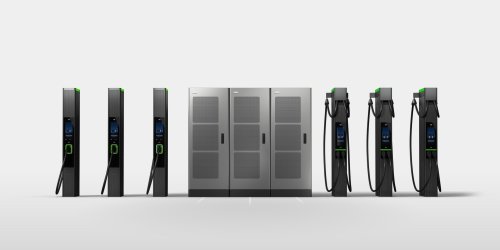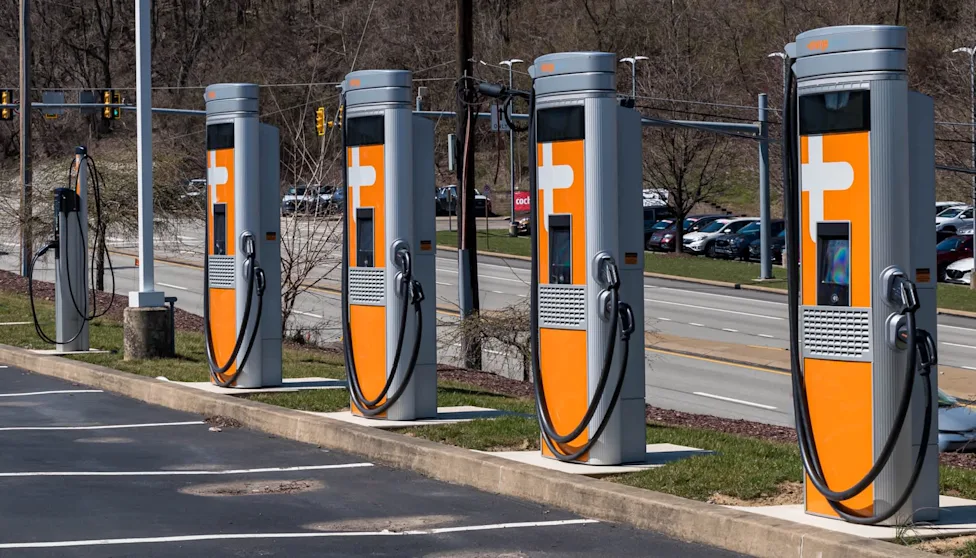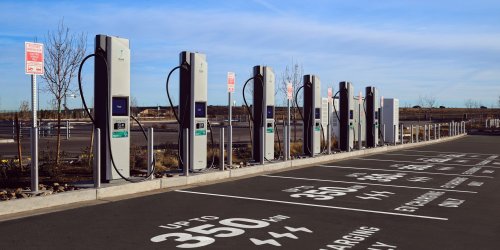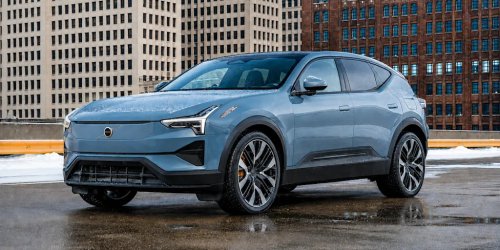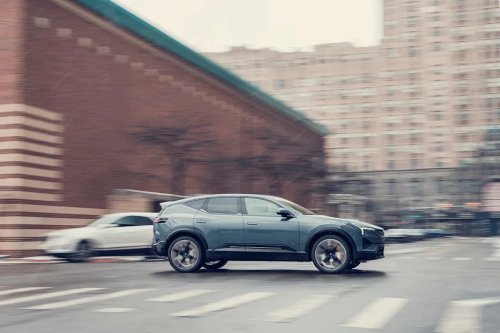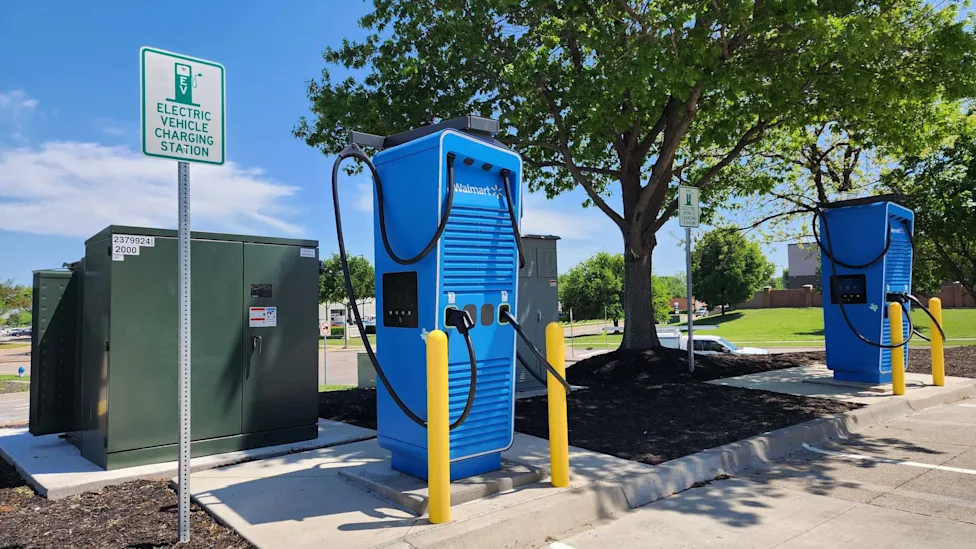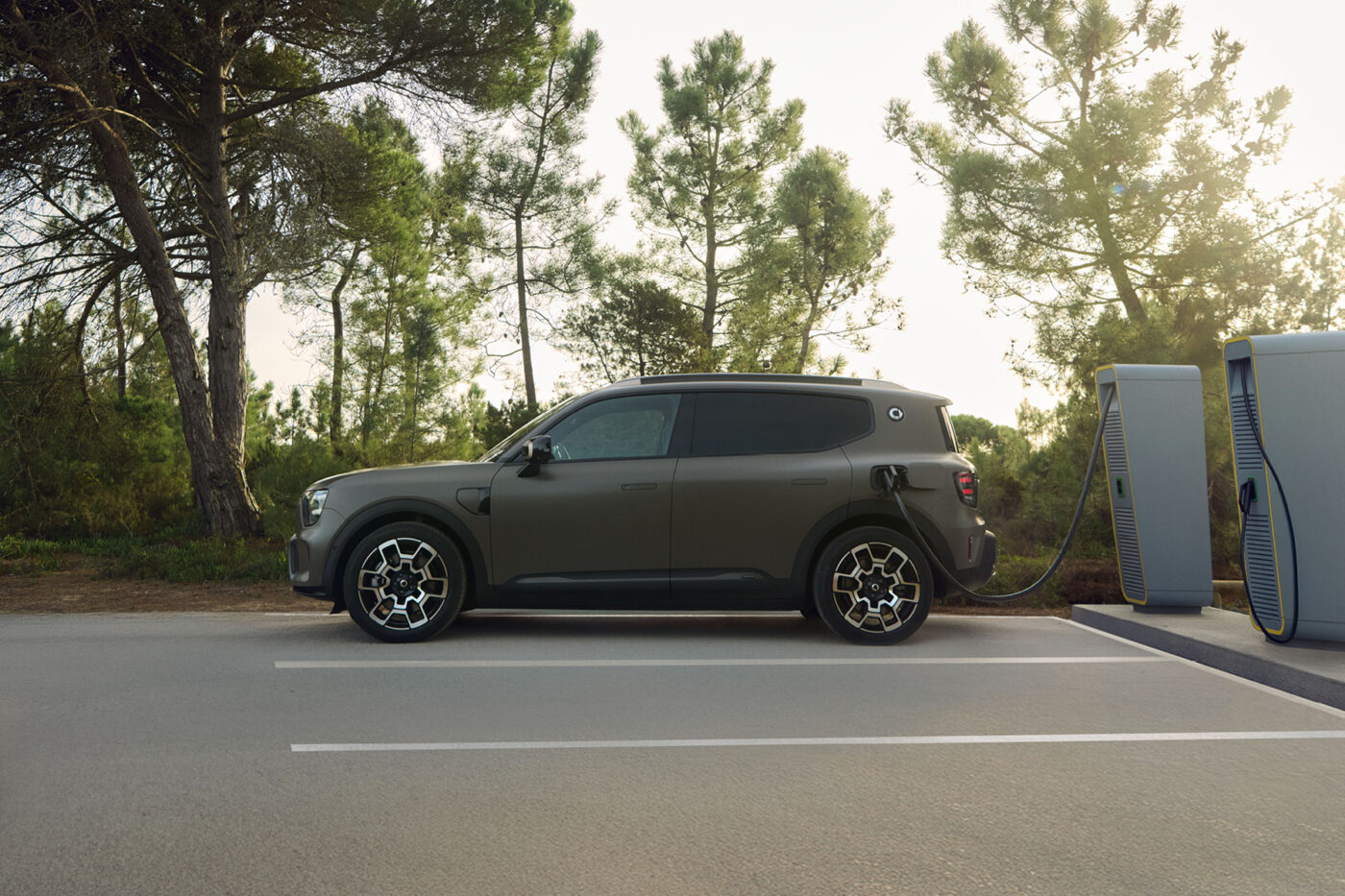
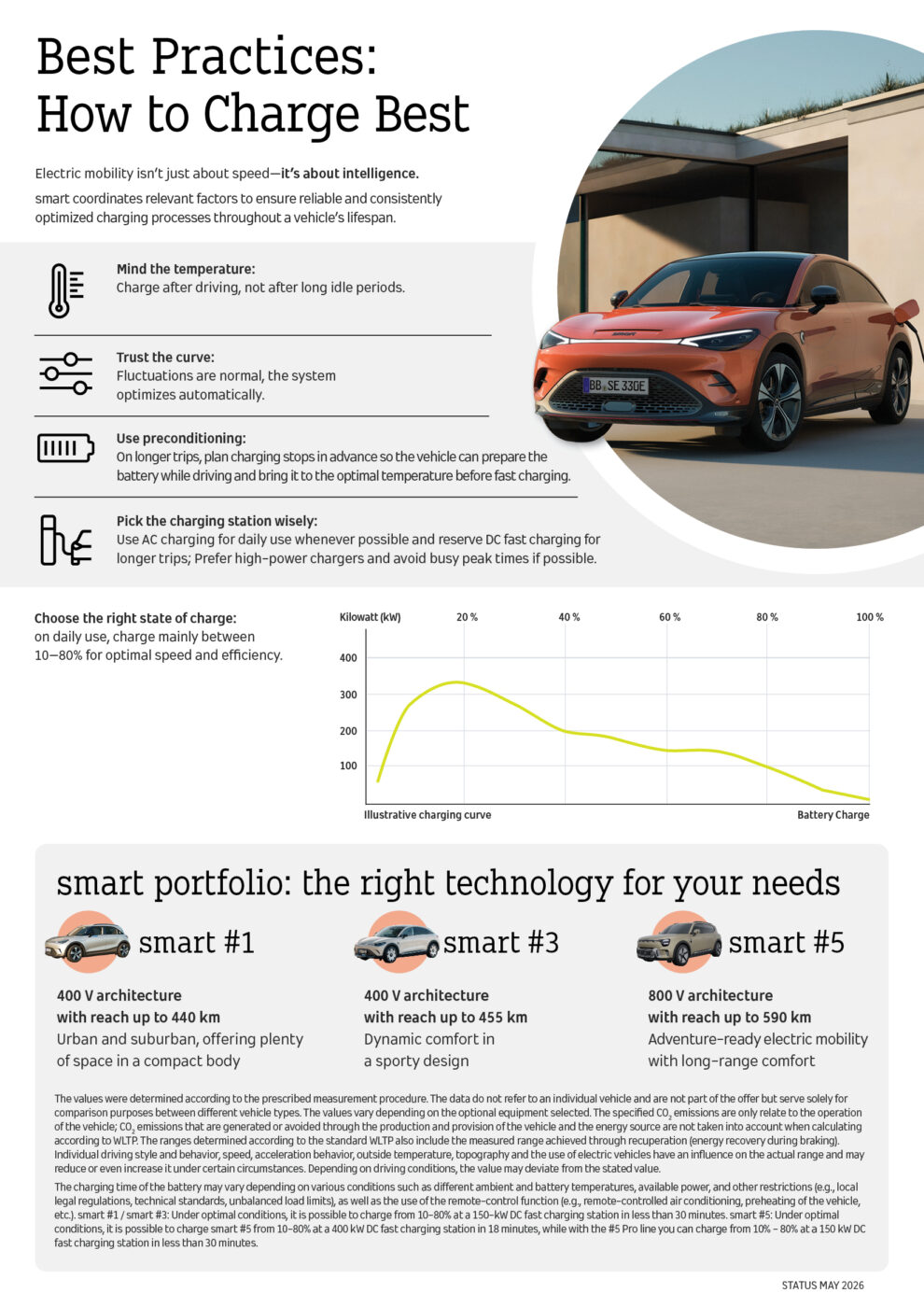



















Image: smartFor fleet operators, retailers or charging infrastructure partners, charging is not simply a technical feature, it influences fleet utilization, route planning, customer experience and total cost of ownership. A fast-charging stop that is predictable, well integrated and battery-conscious can be more valuable than a theoretical peak value that is rarely reached in practice.Charging performance depends on several factors: the vehicle’s high-voltage architecture, the capabilities of the charging station, the battery’s temperature and state of charge, and local infrastructure conditions such as shared power at charging hubs.With its all-electric portfolio, smart follows a tailored approach to battery and charging technology. The smart #5, for example, uses an 800-volt architecture designed for high charging performance, enabling ultra-fast charging from 10 to 80 percent in 18 minutes under optimal conditions. At the same time, smart’s charging strategy focuses on the efficient charging window, battery preconditioning and thermal management – helping to combine short stops with long-term battery protection.For business customers, this has practical implications. A route planner that enables targeted battery preconditioning before charging stops, live station availability and suitable charging power reduces uncertainty and stress. Battery management helps maintain an efficient charging curve across different operating conditions. By balancing charging performance with battery protection, it supports both operational efficiency and long-term residual value. (Why Fast Charging isn’t Always About Speed | smart Newsroom).Public charging is also becoming simpler for drivers: instead of carrying multiple physical charging cards, many charging sessions can now be started directly via smartphone app, while ad-hoc payment options allow charging without a fixed contract. smart offers access to public charging via smart charge@street. Integrating this solution into the Hello smart app makes charging more convenient and easier.For the industry, the discussion is moving beyond “how fast can my car charge?” towards “how can I best integrate charging into everyday mobility?” For charging operators and infrastructure partners, this means compatibility with today’s high-power charging network while preparing for future ultra-high-power sites. For fleets, it means investing in vehicles that can turn charging breaks into manageable, productive intervals.With its future-ready charging technologies, smart is helping businesses to make charging more plannable, efficient and practical – turning it from a potential constraint into a competitive advantage.Further information on smart’s fleet options can be found here. Image: smartThis is a sponsored article and the client is responsible for the content. If you’d like to inquire about similar opportunities, please get in touch via [email protected].