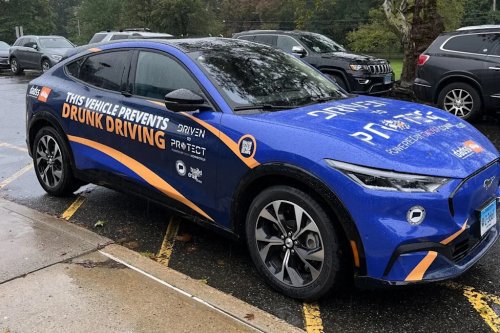
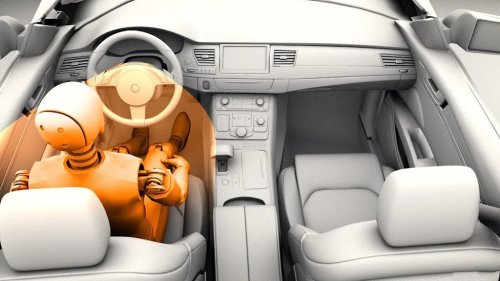
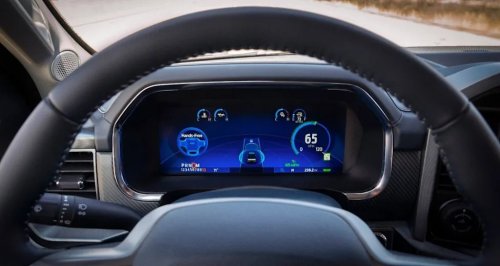
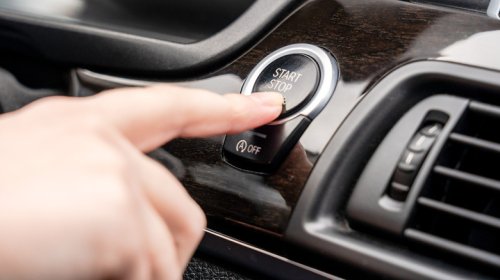
kill switches not coming to cars in 2027privacy still an issueIf you've spent any time on social media recently, you've likely seen the frantic warnings: A government-mandated "kill switch" is coming to all new passenger vehicles sold in the United States by 2027.The posts reference "Section 24220" of federal law, urging buyers to snap up older cars before the government gains the ability to remotely shut down their daily drivers. The viral panic is conflating a real anti-drunk-driving law with existing safety technologies and conspiracy theories.Here is the straightforward truth about what is actually happening.kill switches not coming to cars in 2027privacy still an issueWhat is the HALT Drunk Driving Act?The source of the "Section 24220" rumor is the HALT Drunk Driving Act, a bipartisan measure tucked into the massive 2021 Infrastructure Investment and Jobs Act.AdvertisementAdvertisementThe legislation directed the National Highway Traffic Safety Administration (NHTSA) to establish a new federal safety standard requiring "advanced impaired driving prevention technology" in future passenger vehicles.Specifically, the law requires a system that can monitor a driver's performance or detect if their blood-alcohol concentration (BAC) is above the legal limit. If impairment is detected, the vehicle would prevent or limit its own operation-meaning the car simply wouldn't start or might enter a restricted "limp mode".The legislation does not authorize the government to remotely shut down your vehicle. The decision to restrict the car would be made entirely by the vehicle's onboard software algorithms.Why 2027 is Not the DeadlineThe legislation originally gave NHTSA a target to finalize rules by November 2024, with a maximum three-year extension pushing the absolute deadline to November 15, 2027. However, the technology simply isn't ready.AdvertisementAdvertisementIn an early 2026 report delivered to Congress, NHTSA openly admitted that there is currently no commercially available technology capable of accurately and passively detecting driver alcohol impairment.NHTSA noted a massive engineering hurdle: even if an advanced system achieved a 99.9% accuracy rate, applying it to America's massive automotive fleet would still generate millions of false positives every year. That means millions of instances where completely sober drivers could be stranded or incorrectly prevented from operating their vehicles.Because NHTSA has yet to publish a finalized standard, and automakers typically receive a multi-year grace period to comply once a rule is written, universal deployment is practically impossible by 2027.fatal ford bluecruise crashes caused by system s glaring limitationsThe Tech Already Watching YouWhile a drunk-driving "kill switch" is not imminent, in-cabin camera technology is already incredibly common.AdvertisementAdvertisementMany modern vehicles equipped with Active Driving Assistance (ADA) systems-such as Ford's BlueCruise, GM's Super Cruise, and Tesla's Full Self-Driving-utilize Direct Driver Monitoring Systems (DDMS). These setups use infrared cameras mounted on the steering column or rearview mirror to track eye movement and head position, ensuring the driver is paying attention to the road.While these driver-monitoring systems are now legally mandatory on all new cars sold in Europe, they are not yet mandated by federal law in the United States, yet.general motors fined again for violating driver privacyThe Real Threat: Data PrivacyIf you want something genuine to worry about regarding modern cars, look at data privacy.Automakers have recently faced intense backlash for quietly tracking consumer driving habits and sharing that telemetry data with data brokers, who then sell it to insurance companies-sometimes resulting in spiked premiums for drivers who never knew they were being monitored.AdvertisementAdvertisementPrivacy advocates warn that if in-cabin cameras and monitoring sensors are not strictly limited to local "closed-loop" processing, they could easily be converted into tools for corporate surveillance.Consumer Reports is actively petitioning automakers to stop selling customer data and is pushing for stronger privacy laws. They warn that if privacy isn't baked into these systems from day one, consumers will completely lose trust in safety technologies-or actively try to defeat them.Become an AutoGuide insider. Get the latest from the automotive world first by subscribing to our newsletter here.