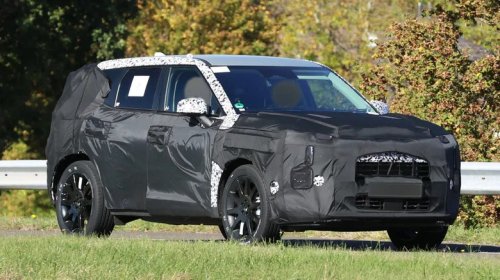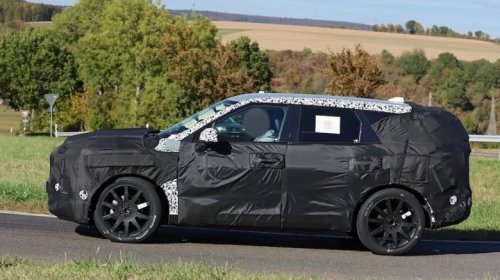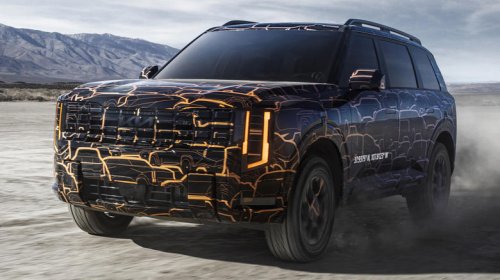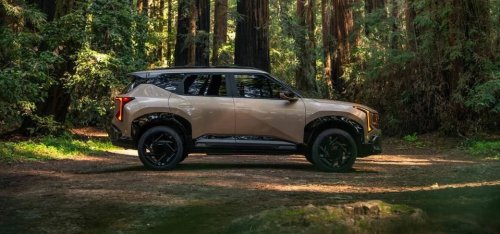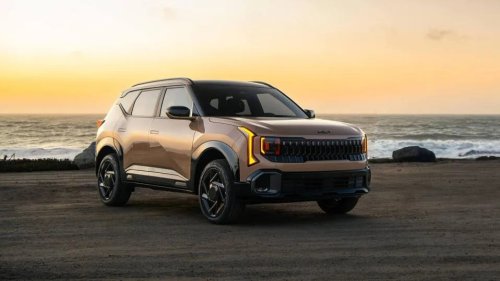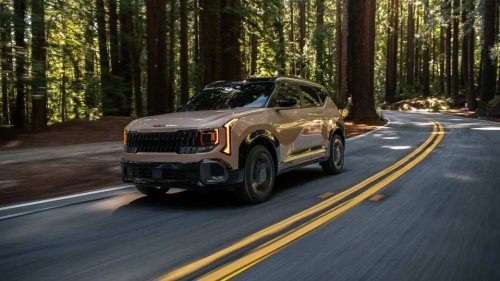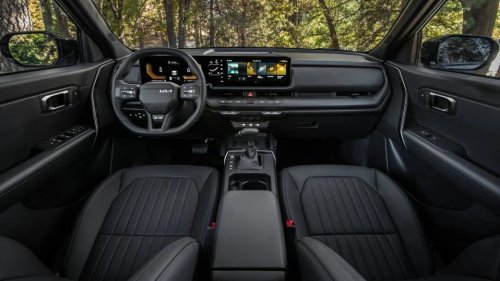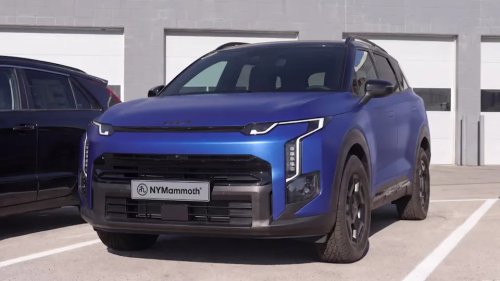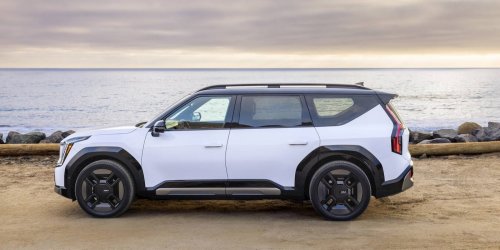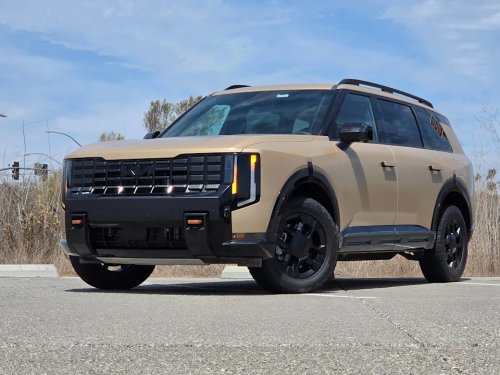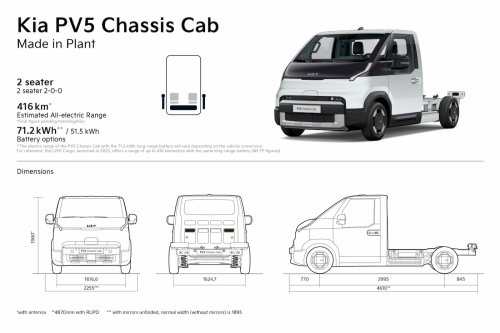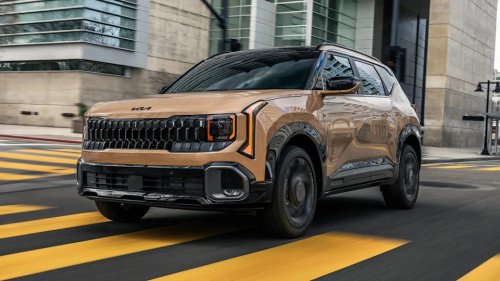
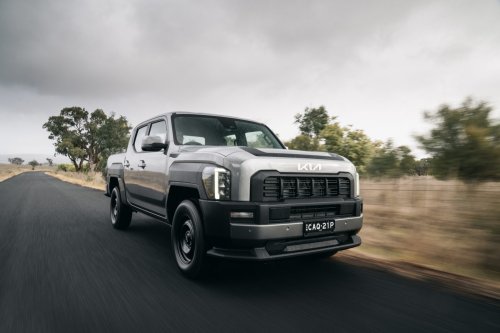
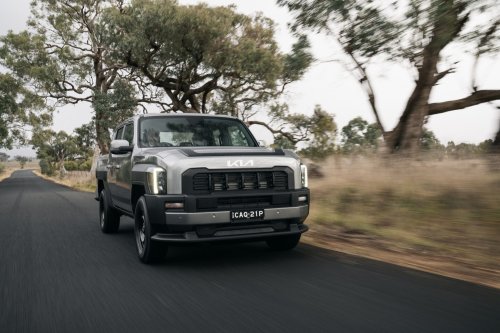
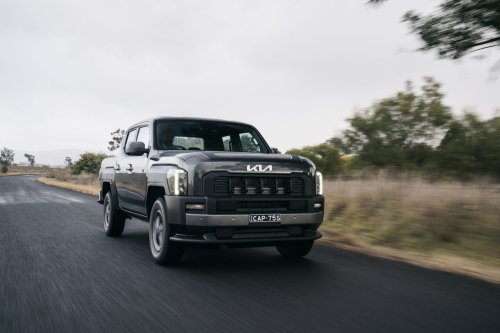
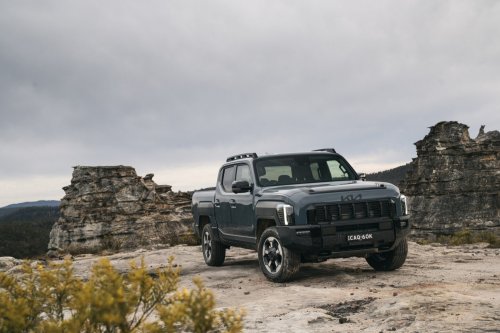
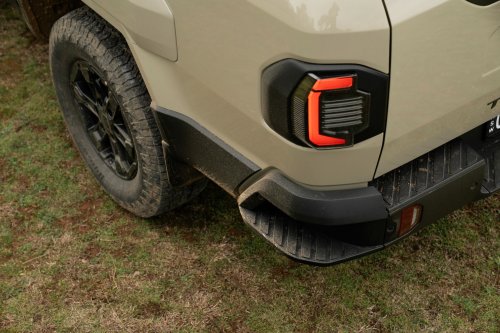
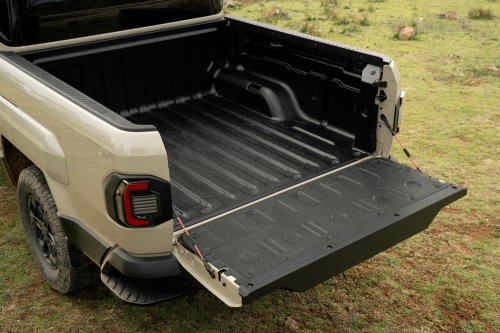
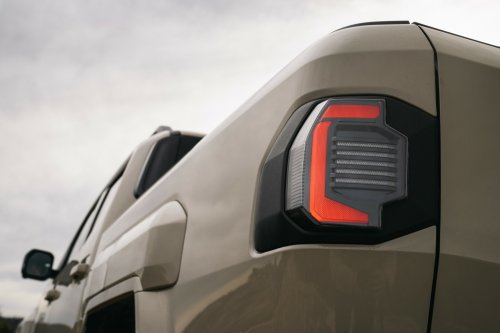
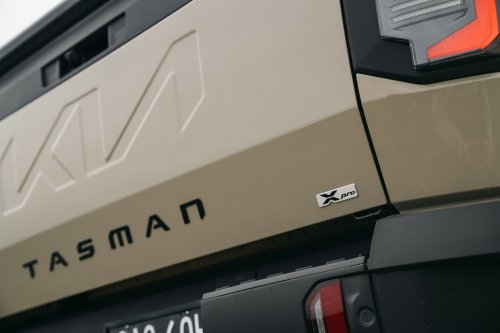
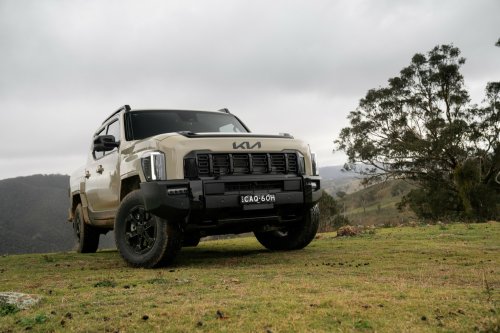
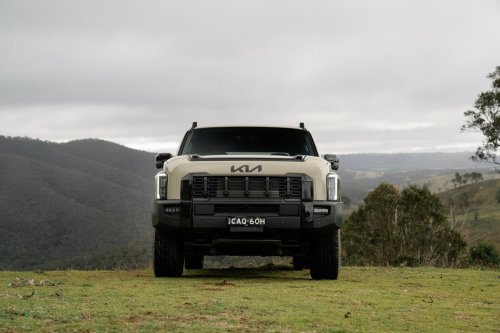
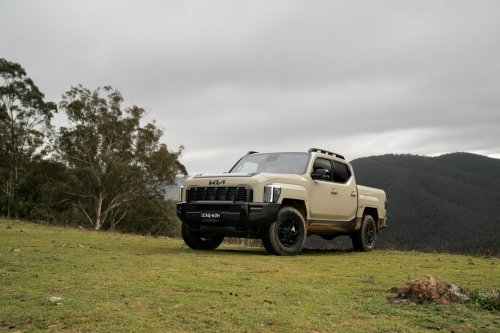
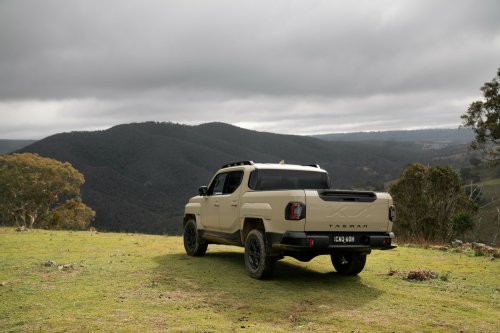
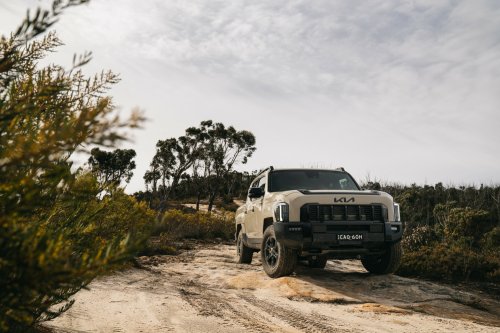
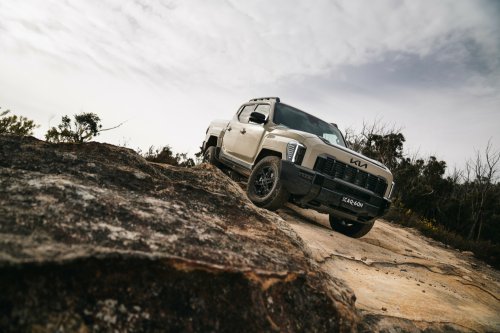
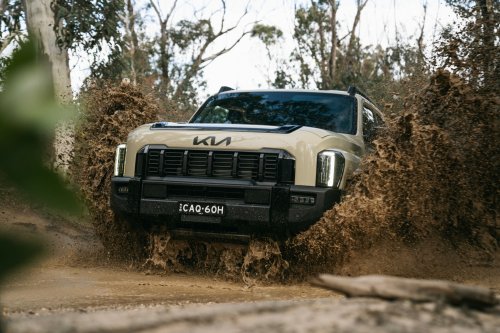
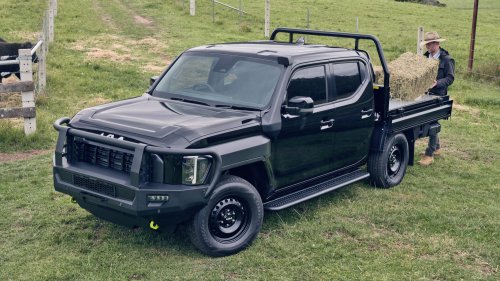
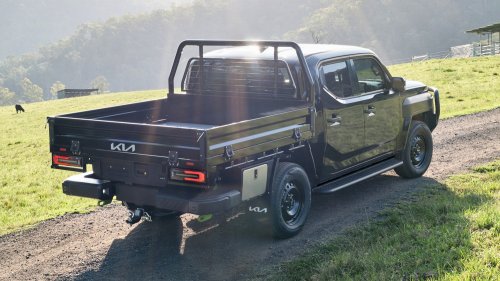
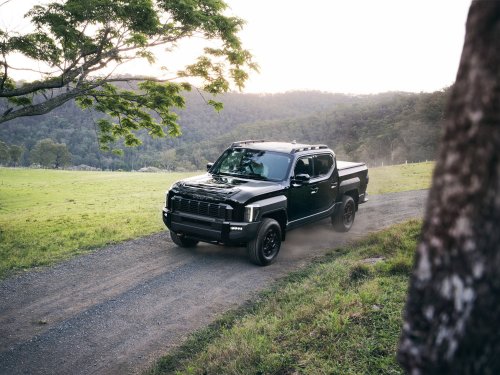
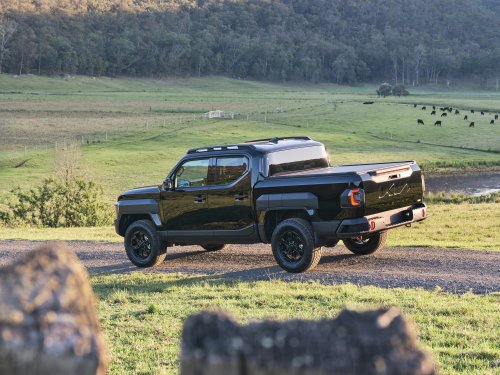
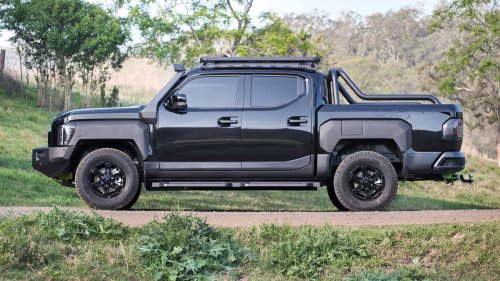
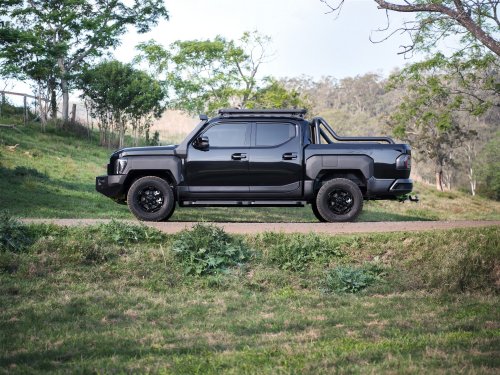
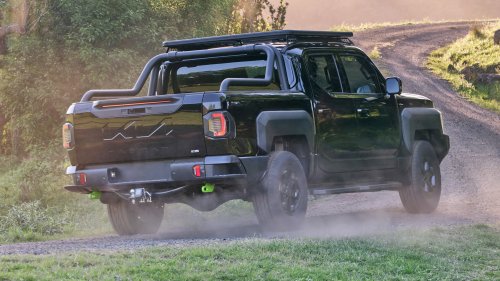
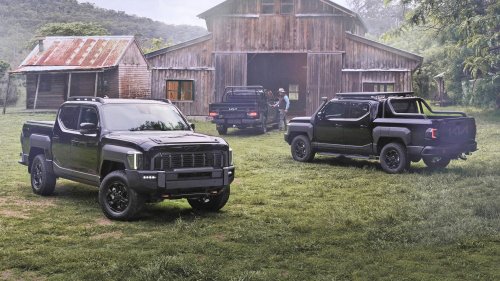


















Kia’s Tasman pickup is missing its Australian sales target by a wide margin. Yearly ambition was 20,000 units, but March moved fewer than 400 trucks. Price cuts are off the table, but in-house financing rates are dropping fast. Kia’s long-awaited entry into the popular pickup segment has landed with more resistance than momentum, at least in Australia where expectations were set high. In news that likely won’t come as a shock to anyone, the brand’s controversial Tasman pickup isn’t selling in the numbers Kia had hoped for, and the ongoing fuel price pressure tied to conflict in the Middle East is hardly helping. The company had initially aimed for 20,000 Tasman sales annually in Australia. After launching in July last year, the target was trimmed to 10,000 units for the remainder of the year. The reality fell well short, with just 4,196 sold by year’s end. The slide has continued into this year, with 472 units moved in February and just 399 in March. While speaking with Drive, Kia Australia chief executive Damien Meredith acknowledged the gap between ambition and reality, but stopped short of reaching for discounts to correct it. What Went Wrong? “[Kia] can’t use external environment aspects [like the Iranian conflict] to say that that’s the reason why we’ve got a lot of work to do with Tasman,” he admitted. “It seems because we started the journey such a long time ago, but the vehicle hasn’t been in market for 12 months yet. There’s a lot of work to do to get to lift the volume, and we don’t shy away from that.” In a bid to help drive up demand, Meredith said Kia will look at new financing deals, and “value add considerations,” noting “we’ve got to get the right mix, fix the curriculum, so to speak, to make sure that we’re lifting sales and that that nameplate is growing.” Kia has already adjusted its approach, lowering interest rates through its in-house finance arm and introducing a stripped-back single-cab chassis aimed squarely at tradespeople. “We’ve got no excuse now, the full range is there,” Meredith added. “In simplistic terms, we’ve done well with lifestyle [buyers]. We haven’t done well at fleet at this point in time, and we haven’t done well in rural provincial markets. That’s where our focus is, and we’ve got to lift those segments to get Tasman on to a volume level that’s acceptable.” He also conceded the obvious. The Tasman’s design, he said in a separate interview with Carsales, is “a little bit divisive,” though he dismissed suggestions that a facelift is being rushed into development.