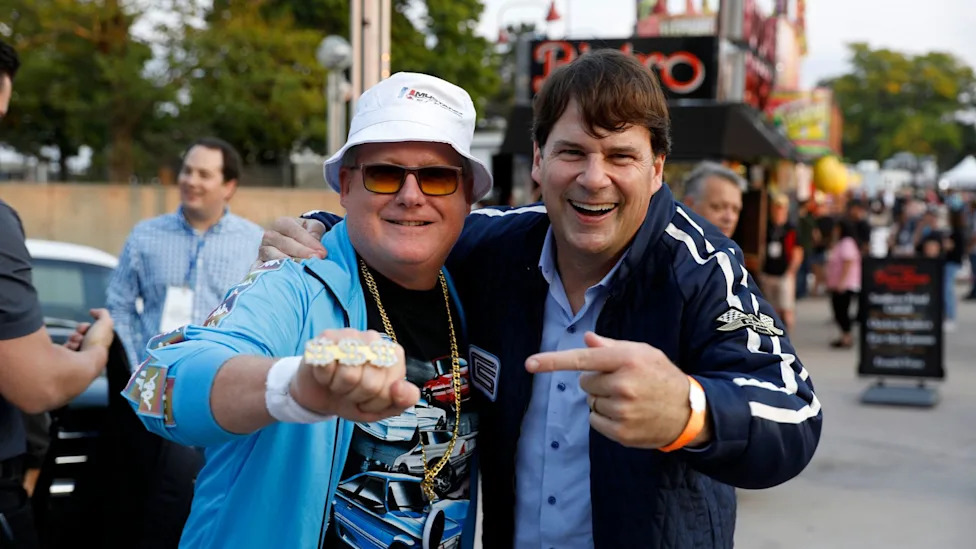
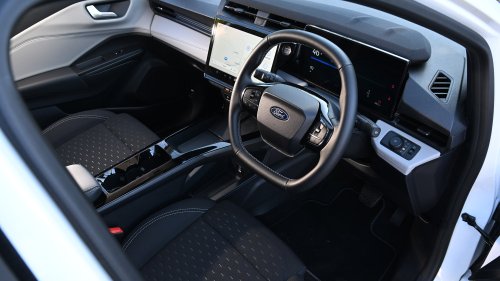
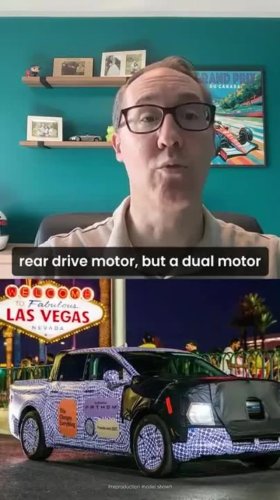
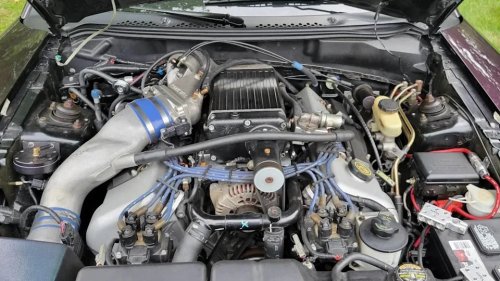
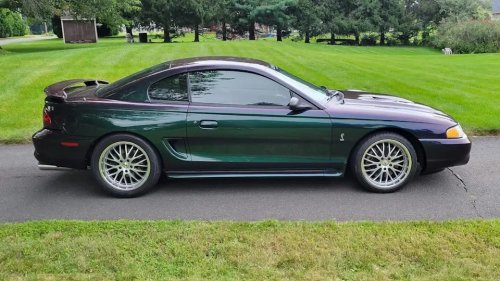
Jim Farley Thinks Your Car Is Too Dumb for You to Fix. Ford Just Wants Your Wallet.Ford CEO Jim Farley has a message for the millions of people who have ever popped a hood, turned a wrench, or saved themselves a four-figure dealership bill: don't bother. According to Farley, modern cars are simply too "complicated" for mere mortals to repair at home, which is a remarkably convenient thing to believe when your company sells the parts, owns the software, and writes the repair manual.Farley's comments landed in the middle of the Right to Repair fight, and the timing isn't subtle. They came after President Trump publicly said Ford and GM "don't want people to fix their cars" — a rare moment where the loudest guy in the room happened to be saying the quiet part out loud. Farley's response was to defend Ford's position, which boils down to a simple pitch: cars are too advanced now, so leave it to the professionals. By professionals, of course, he means the dealership. Ford's dealership.Here's the trick. "Too complicated to fix" is not a fact of physics. It's a business decision. Automakers have spent the last decade burying basic functions behind proprietary software, locking diagnostic codes inside systems only dealers can read, and pairing parts to the car with digital handshakes so that a replacement component won't even work unless the manufacturer blesses it. None of that complexity is an accident. It is engineered, deliberately, to route every repair through a channel the manufacturer controls and profits from.AdvertisementAdvertisementAnd it isn't just the guy in his driveway who gets shut out. The real casualties are the independent shops — the neighborhood mechanic, the family-run garage, the corner business that has kept your car running for two generations without charging dealership rates. When the parts are gated, the software is encrypted, and the diagnostic tools are sold only to authorized franchises, those shops can't compete. They can't even get in the door. That isn't a free market. It's a closed loop, and the people who control the parts control the price of everything downstream.Call it what it is: a monopoly dressed up as safety concern. Once the manufacturer is the only entity allowed to diagnose, source, and repair, there is no ceiling on what they can charge you. You don't own a car anymore so much as you lease the right to keep paying its maker for permission to use it. Want a new part? It has to be theirs. Want it installed? Has to be them. Want to know what that warning light means? Better book a service appointment and hope the loaner is free.The "it's too complicated" excuse also conveniently ignores the people who do this for a living and aren't named Ford. Plenty of enthusiasts and independent technicians could handle modern repairs just fine if they had access to the same diagnostic tools and information the dealer hoards. The complexity isn't the barrier. The locked door is. Hand over the manuals, the software, and the parts on fair terms, and the mythical impossibility of home and indie repair evaporates overnight.That is the entire point of the Right to Repair movement, and it's why Farley's framing should make every car owner's skin crawl. This was never about whether you're smart enough to change your own brake pads. It's about who gets to decide — and who gets to charge — when something on your $50,000 machine needs fixing. Strip away the corporate concern-trolling about complexity and you're left with a simple power grab: the manufacturers want to own the car after they've sold it to you, and they're betting you'll be too intimidated by a touchscreen to argue.Jim Farley says your car is too complicated to fix. What he means is that he'd very much prefer you stop trying. Don't.Join our Newsletter, follow our Instagram page, and connect with us on Facebook.