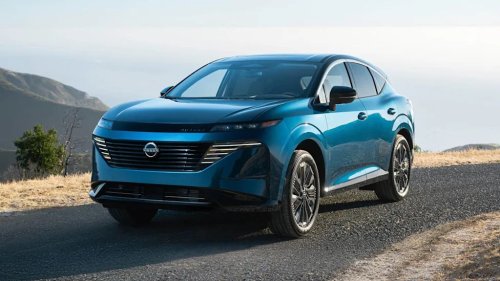
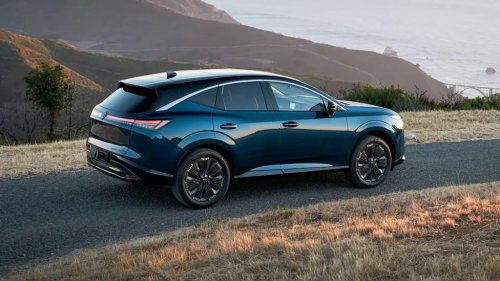
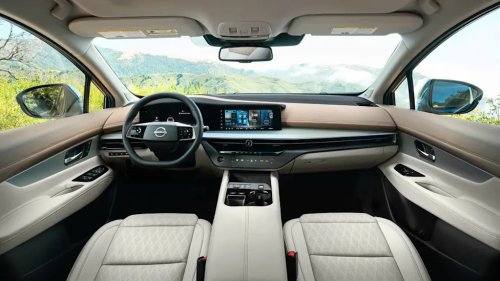
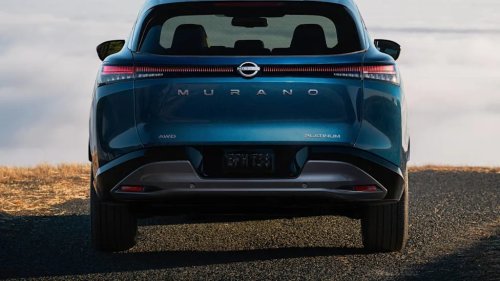
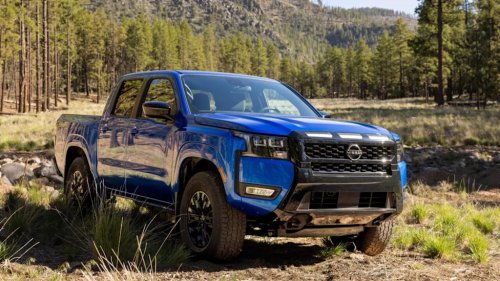
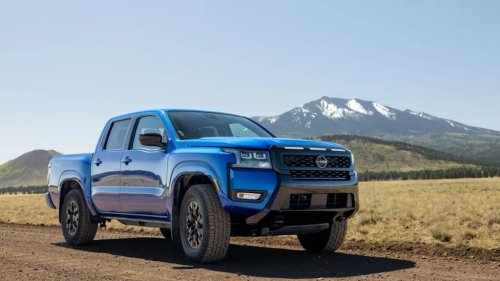
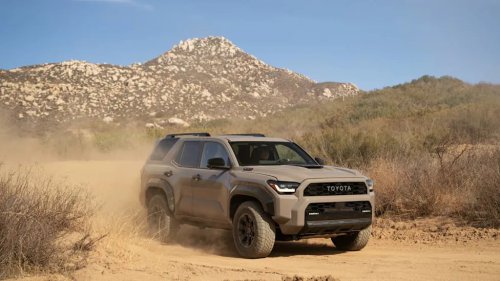
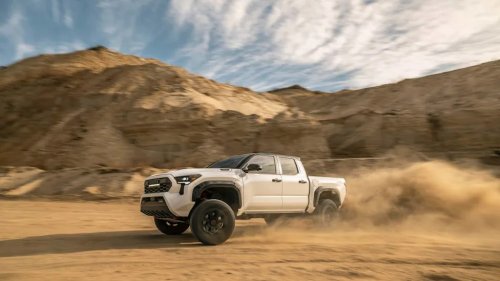
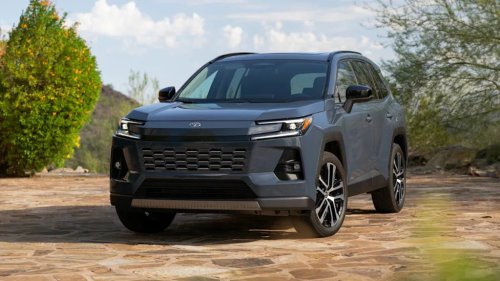
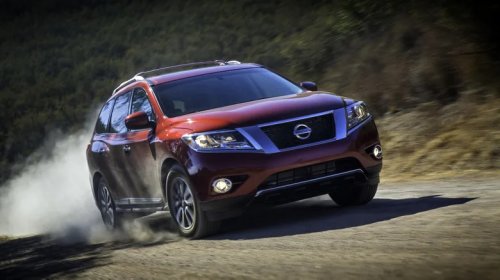
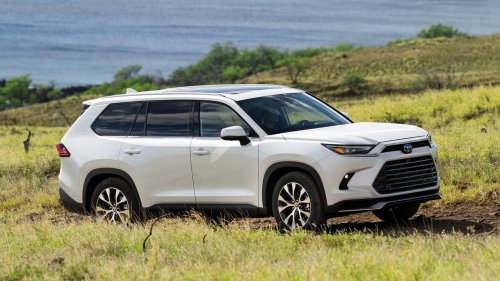
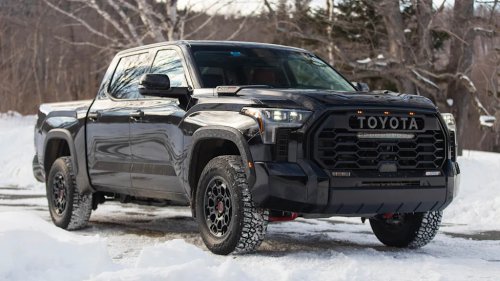
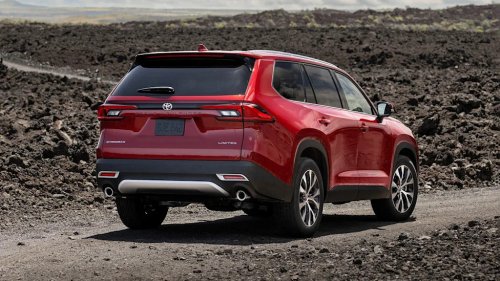
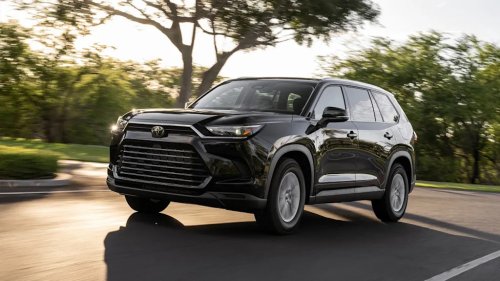
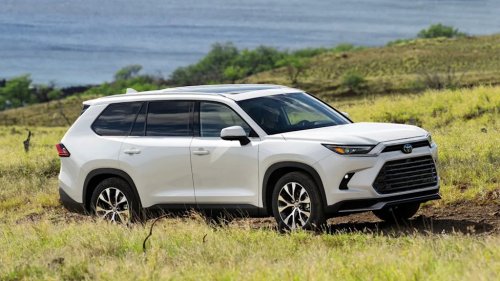
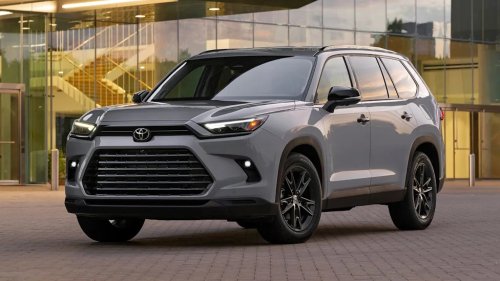
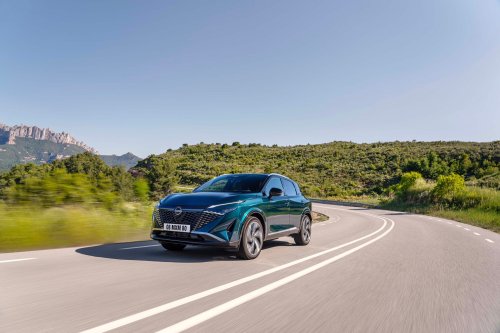
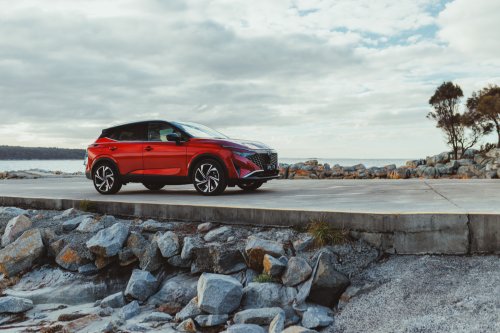
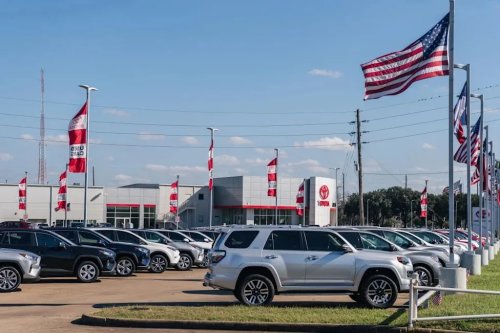
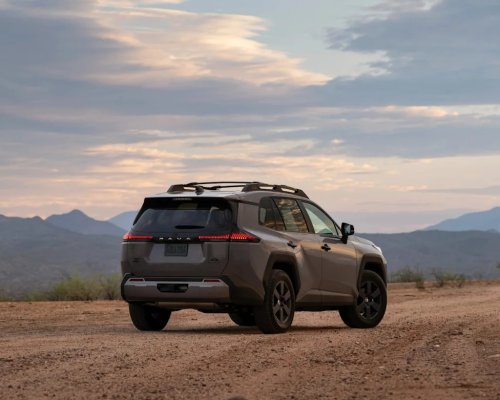
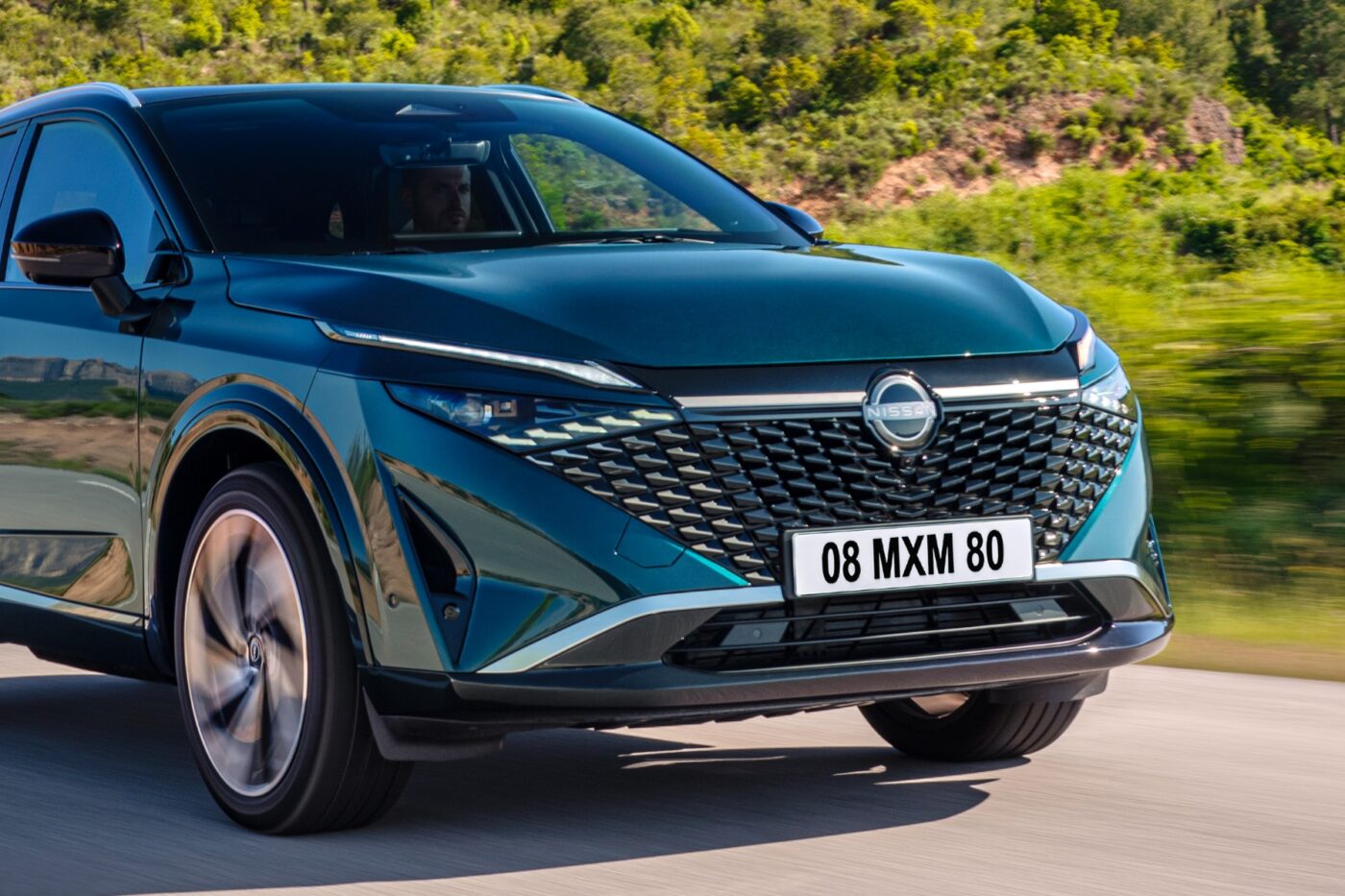
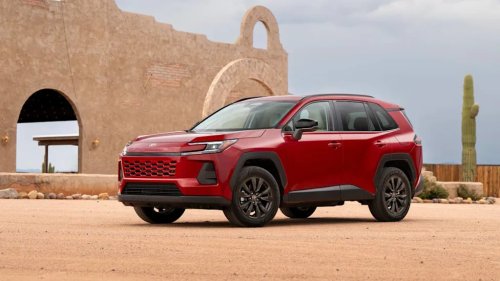
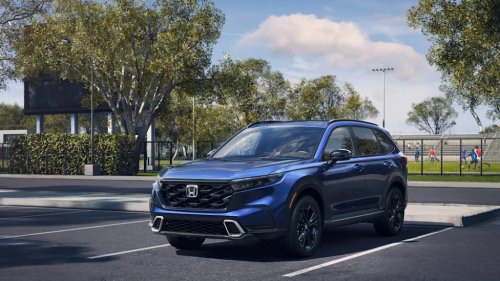
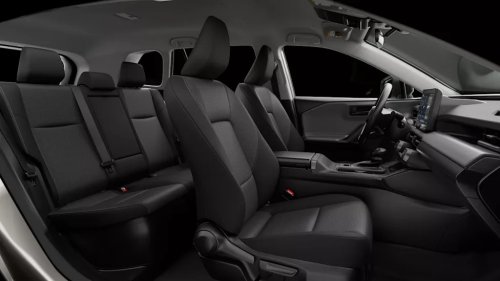
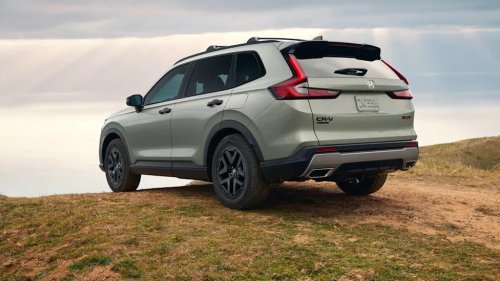
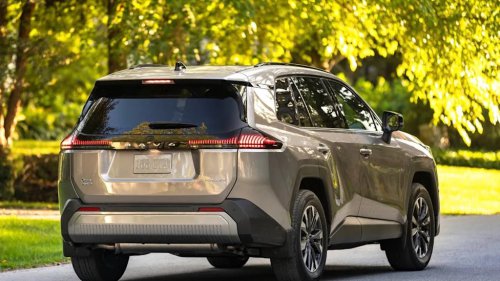
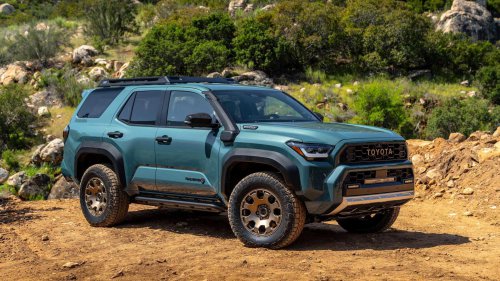
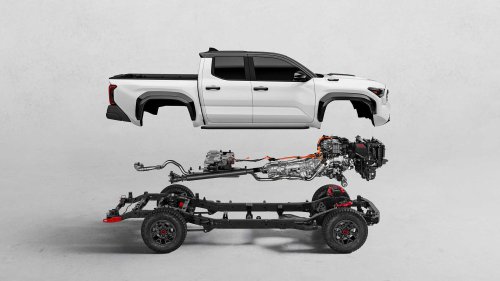
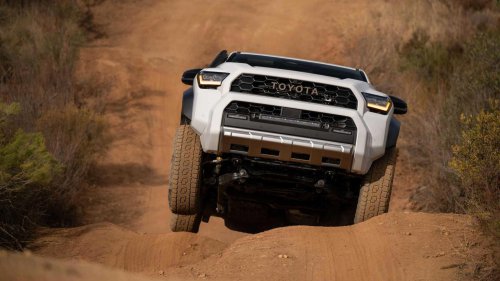
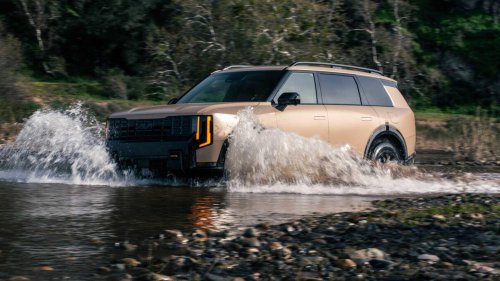
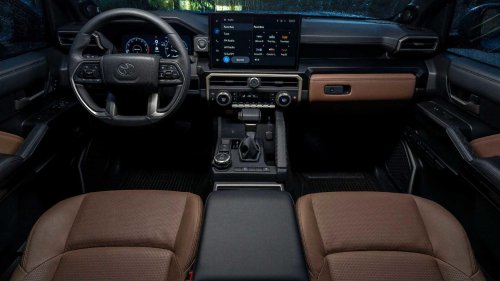
Toyota And Nissan Are Quietly Warning Japanese Buyers That American-Built Cars Might Show Up With Bad Paint And Crooked PanelsImagine walking into a dealership to buy a brand new Toyota or Nissan and having the company itself hand you a sheet that basically says the paint might be thin, the panels might not line up, and the finish could blister. That is the strange reality playing out in Japan right now, where two of the country's biggest automakers are telling buyers up front that their American-built vehicles may not measure up to the standards those customers are used to.The warnings cover imported models built in the United States, including the Toyota Tundra out of Texas, the Toyota Highlander out of Indiana, and the Nissan Murano out of Tennessee. These trucks and SUVs are part of a broader effort to move more American-made metal into the Japanese market, a push that has picked up steam alongside ongoing trade talks between Washington and Tokyo. The irony is thick. Japanese brands spent decades and untold fortunes building a global reputation for near-obsessive build quality, and that reputation has set the bar so high at home that their own American factories are getting flagged.What the disclaimers actually sayToyota's Japanese paperwork repeatedly reminds buyers that these vehicles were designed for overseas markets and may differ from what domestic customers expect. This is not a note about different cupholder shapes or radio presets. The company spells out that the paint on imported Tundras and Highlanders reflects an overseas-market finish, and that buyers may run into thin paint, color variation, polishing marks on painted surfaces, dents in painted surfaces, and even paint blistering. Toyota is careful to add that none of this affects how the vehicle functions or performs.AdvertisementAdvertisementNissan goes even further with the Murano, as Australia's Drive pointed out. Its customer guidance says the vehicle is finished for overseas markets and differs from Japanese quality standards. Buyers are told they might find a small amount of dirt on the painted surface, traces of sealant, and slight panel misalignment, the kind of step or surface difference where one piece does not sit flush against the next. Like Toyota, Nissan stresses that these issues do not affect performance. That is a reassuring line, but it does not make the disclosure any less awkward.The flaws go beyond the paintThe cosmetic warnings are only part of the picture. Toyota tells Tundra buyers that Road Sign Assist may not work properly in Japan, and that the infotainment displays stay English-only. For a buyer in Japan, an English-only screen is not a minor quirk. It is a daily annoyance baked into a vehicle that costs real money.Nissan's list of compromises on the Murano is arguably worse. The customer guidance notes the SUV lacks Japanese-language menus, has no AM or FM radio functionality, and does not offer NissanConnect services. So a buyer is being asked to accept possible paint problems, possible panel gaps, no native-language interface, and no working radio. Put all of that on one window sticker and it starts to read less like a sales pitch and more like a list of reasons to walk back out the door.Why this is so embarrassingTo be fair to both companies, neither one is calling these vehicles defective. They are setting expectations for customers who happen to be accustomed to some of the highest manufacturing standards anywhere on the planet. There is an argument that this is just honesty, that telling a buyer exactly what they are getting is better than hiding it. That detail matters, and it deserves credit.AdvertisementAdvertisementBut honesty does not erase how bad this looks for the American side of these operations. These are plants run by Toyota and Nissan, the same companies whose names became shorthand for reliability and tight build quality. When the home office in Japan feels the need to pre-warn its most demanding customers about work coming out of its own US factories, that is a quiet admission that the American-built versions are not held to the same finish standard. Enthusiasts who have argued for years about whether home-market cars are built better than their export counterparts just got handed a piece of paper that says the gap is real enough to put in writing.The bigger picture for buyersHere is the part that really stings. Japanese buyers are not short on options. They have access to plenty of vehicles that do not come with paint warnings, that do line up at the panels, and that ship with infotainment systems that actually speak their language. Against that backdrop, it is hard to see these American oddballs winning much love at the dealership. A truck or SUV that needs a disclaimer to explain its flaws is starting from behind before anyone even takes a test drive.The whole episode says something uncomfortable about where American assembly quality sits in the eyes of the very companies running those plants. If the goal of pushing these vehicles into Japan was to show off American manufacturing, the warning labels send the opposite message. The cars may drive fine, but the paperwork tells its own story, and it is not a flattering one.Source



















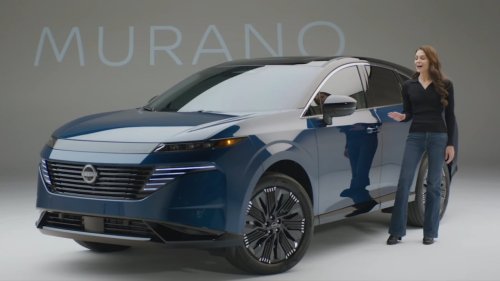
 +13 others