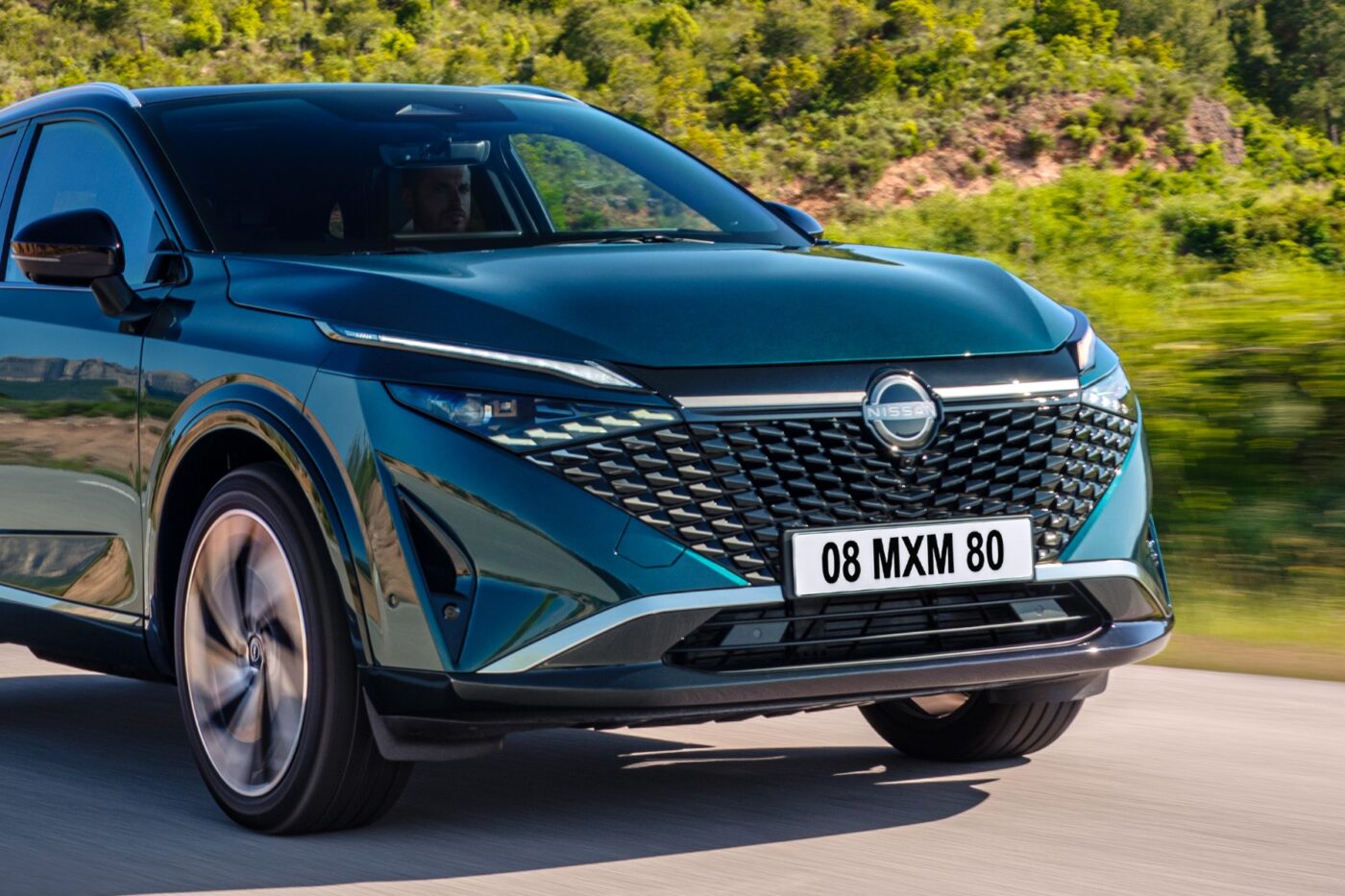
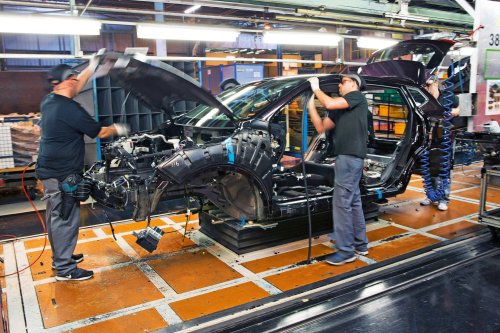
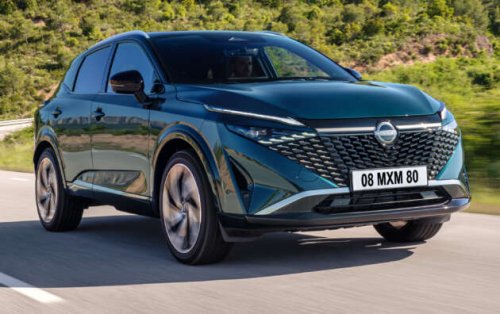
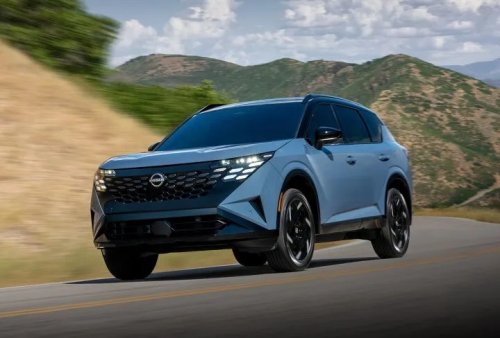
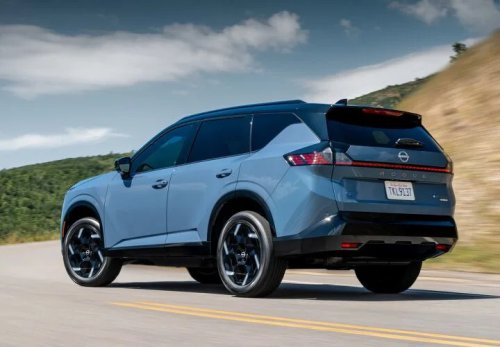
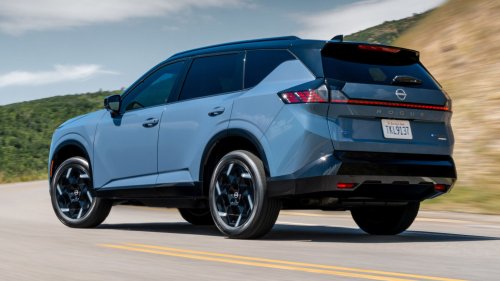
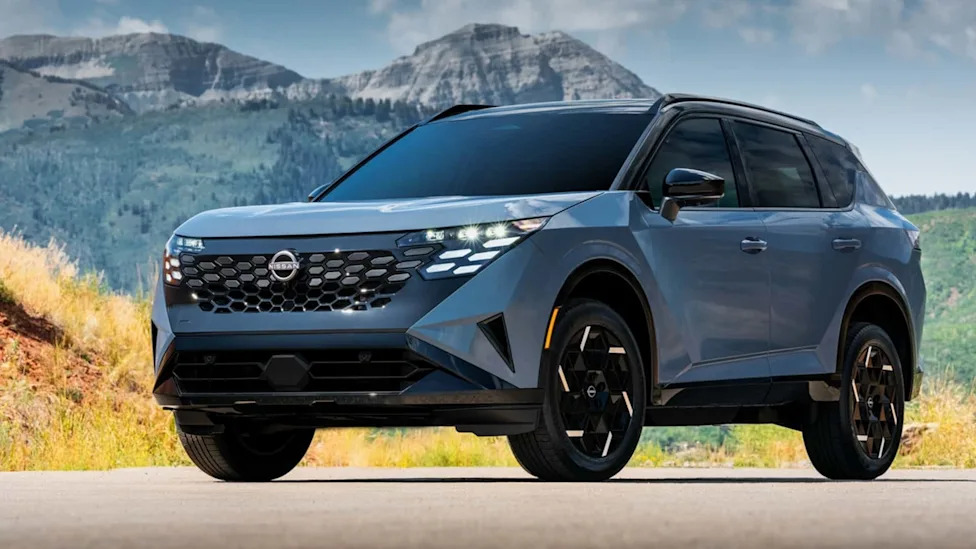
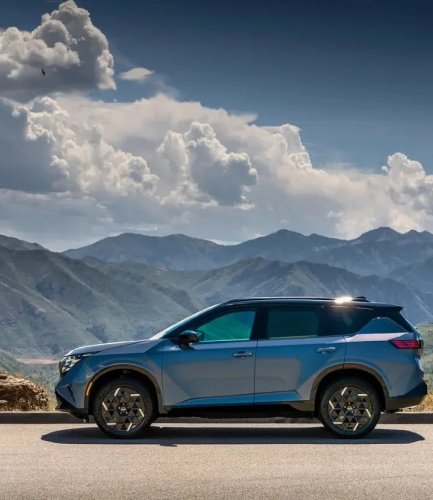
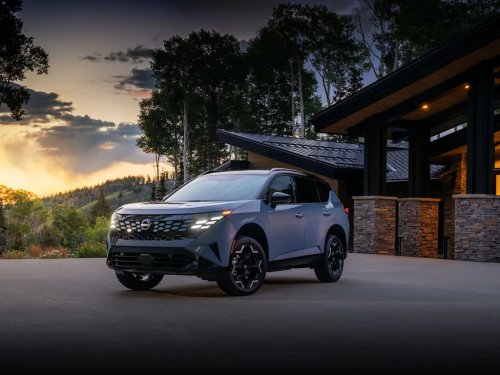
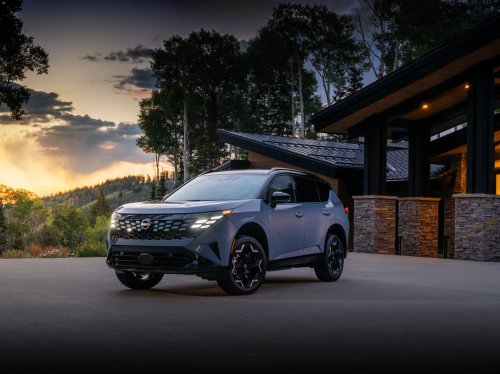
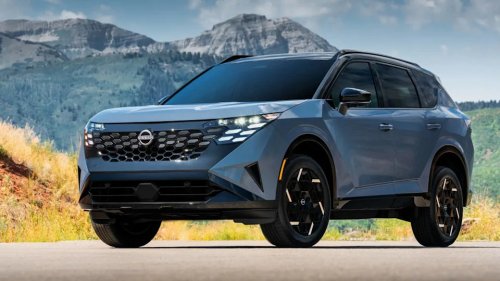
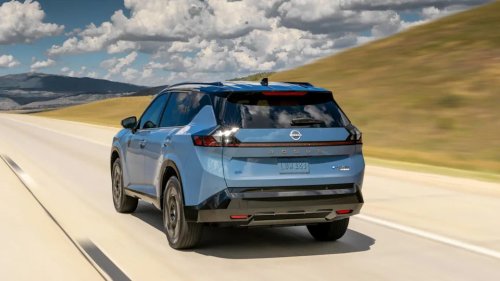
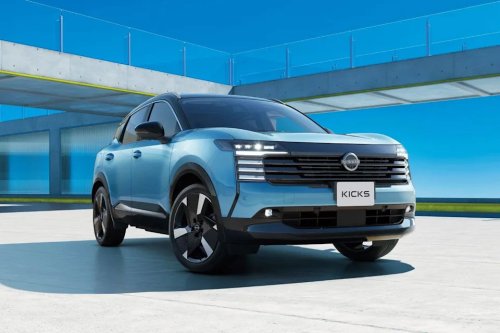
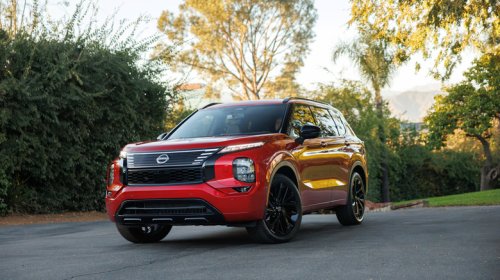
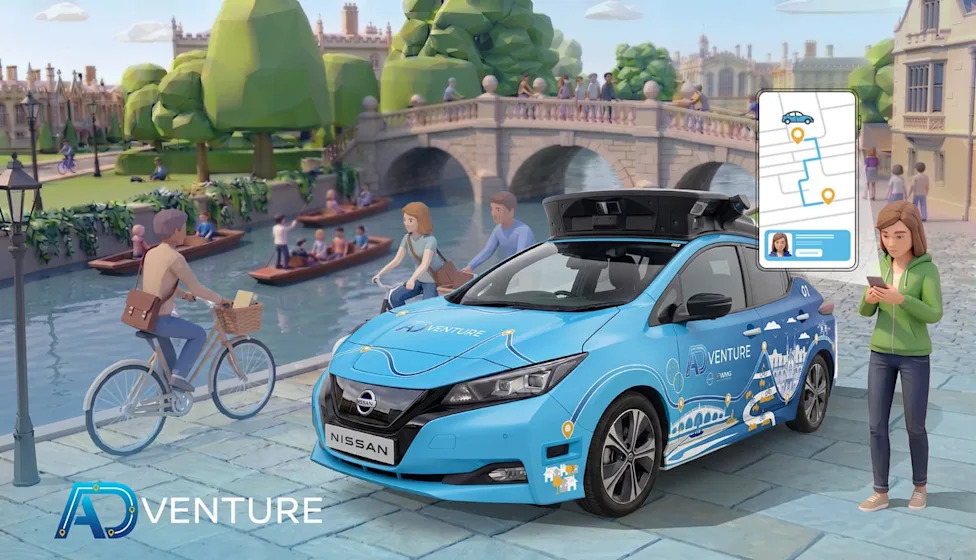
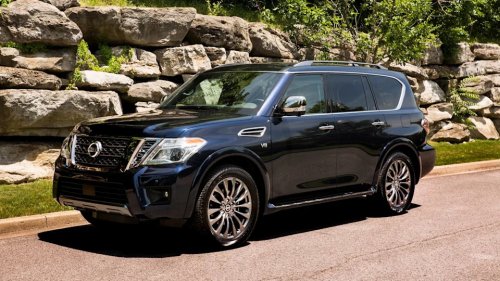
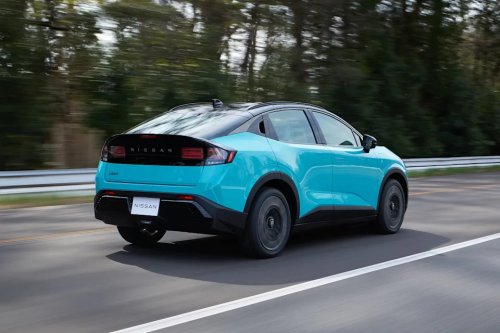
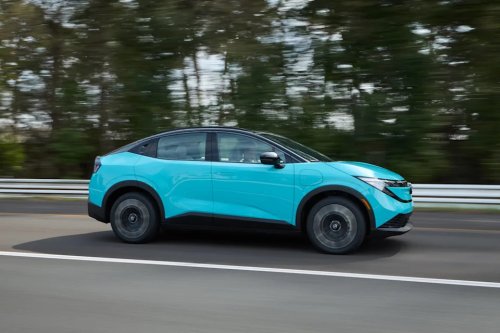
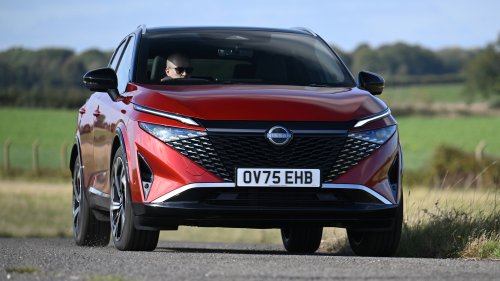
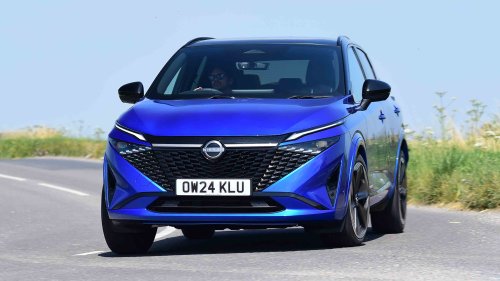
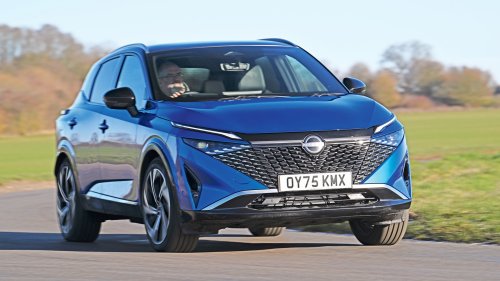
Symbolic imageImage: NissanThis development was reported by the news agency Reuters, citing six sources familiar with the matter. Nissan declined to comment on its plans for a battery-electric Qashqai but emphasised its commitment to expanding its electrified model range, including hybrid vehicles.For Nissan, scrapping the battery-electric Qashqai would represent a significant setback. The compact SUV is the Japanese manufacturer’s best-selling model in Europe and, according to Reuters, accounted for around 45 percent of Nissan’s total European sales of approximately 330,000 units in 2025. To date, the Qashqai has been available with petrol and hybrid powertrains.Nissan cited ‘significant volatility’ in electric vehicle demand in Europe and a balanced electrification strategy as reasons for its decision. This approach is reflected in the company’s latest annual general meeting documents: Nissan states that the pace of electrification in Europe and the US is slowing, prompting a reassessment of its focus on hybrid vehicles. The manufacturer plans to adapt its strategy flexibly to individual markets.The halt could further weaken Nissan’s position in a key European segment against established competitors and new Chinese manufacturers. Even if Nissan revives the project later, Reuters reports that a battery-electric Qashqai is unlikely to reach the market before the early 2030s.As recently as late 2023, Nissan had announced plans to transform Sunderland into a production hub for three electric model ranges: alongside the successor to the Leaf, battery-electric versions of the Qashqai and Juke were to be built there. Combined with an additional battery factory and infrastructure projects, this was expected to involve an investment of up to two billion pounds, equivalent to around €2.32 billion euros.The new Leaf is already in production in Sunderland, and the battery-electric Juke unveiled in April is also set to be manufactured there. However, the previous plans for the battery-electric Qashqai now appear to be at least outdated. According to Reuters, Nissan is expected to present an updated roadmap for the Sunderland plant in the coming months. Meanwhile, the manufacturer is reportedly in talks with the UK government regarding financial support.The uncertainty surrounding the battery-electric Qashqai aligns with Nissan’s broader cost-cutting measures. As part of its “Re” programme, the manufacturer aims to streamline its global model range from 56 to 45 vehicles and reduce the number of production plants from 17 to ten by the end of the fiscal year 2027.In May, the manufacturer confirmed the cancellation of two battery-electric SUVs planned for production at its US plant in Canton under the Nissan and Infiniti brands. Instead, Nissan intends to focus more on hybrid vehicles at this site.In Sunderland, Nissan has already announced plans to consolidate production from two lines into one. The measure is not intended to reduce capacity fundamentally but to merge two underutilised lines into a single, more efficient production line. The freed-up line could be used for potential contract manufacturing of Chery models from the fiscal year 2027 onwards. Nissan and Chery signed a non-binding memorandum of understanding to this effect in early June.The local electric vehicle supply chain is also affected. Nissan’s subsidiary Jatco has abandoned plans to manufacture an integrated electric drive system in Sunderland. For Jatco, this would have marked its first production facility in Europe. According to Reuters, Nissan and Jatco confirmed the withdrawal from the project. This development not only puts pressure on the future model lineup but also on the originally planned expansion of the site into a larger electric vehicle production cluster.reuters.com (Qashqai), reuters.com (Sunderland), nissan-global.com (Annual General Meeting 2026)