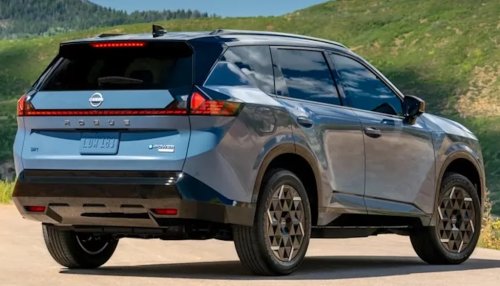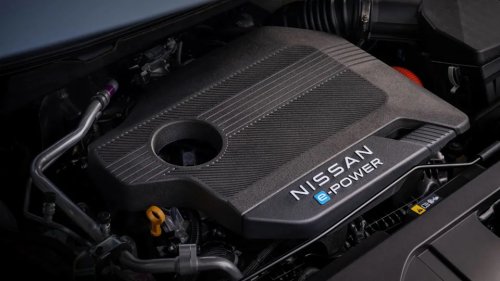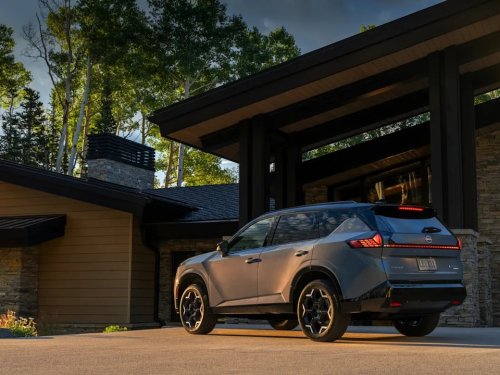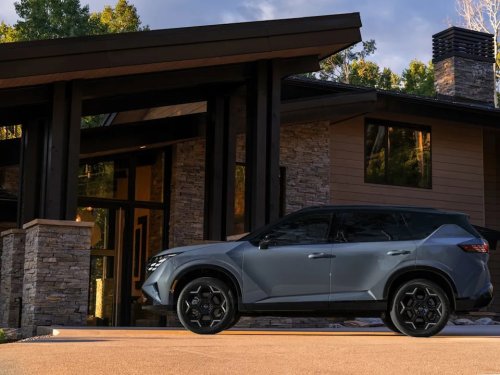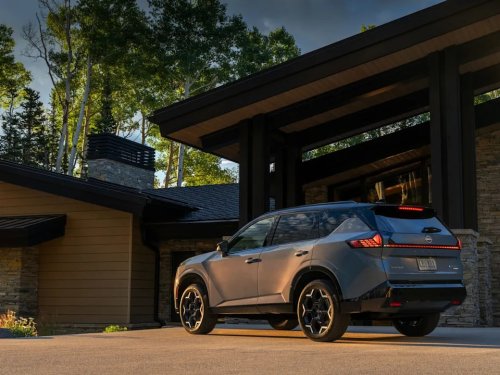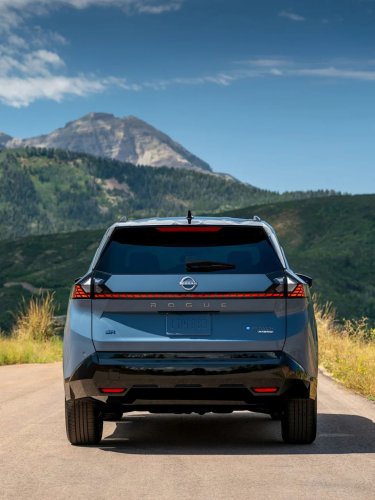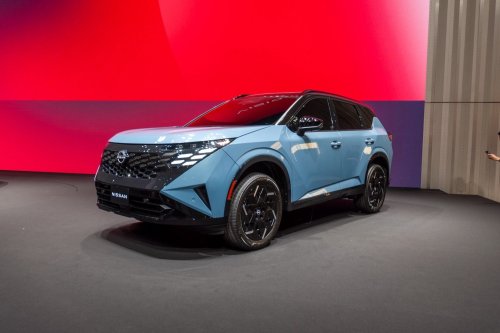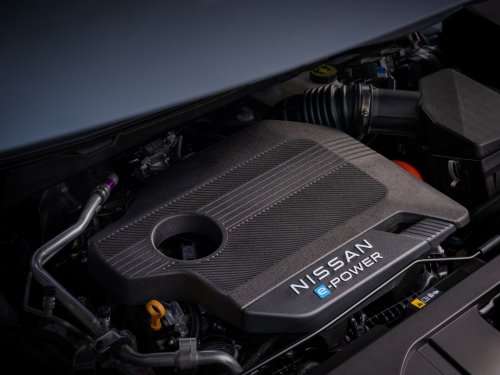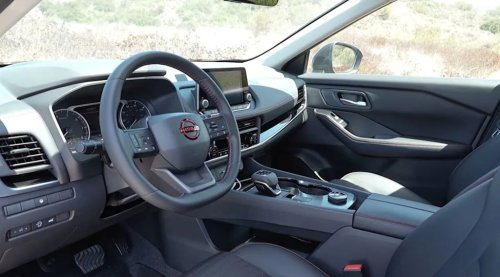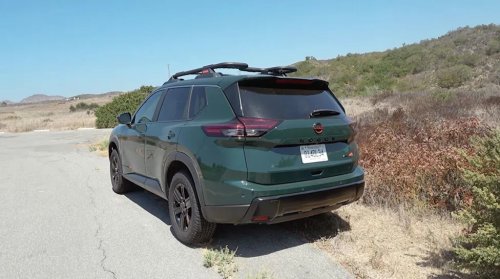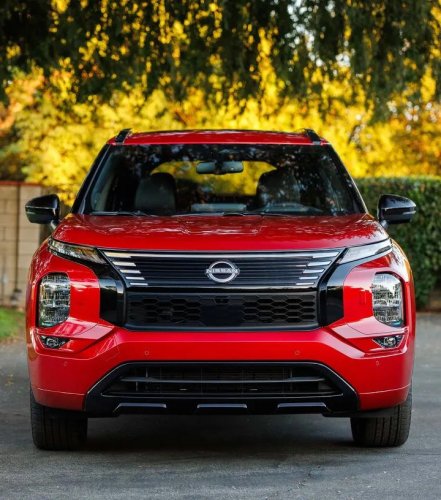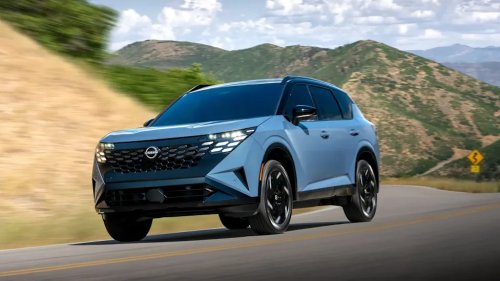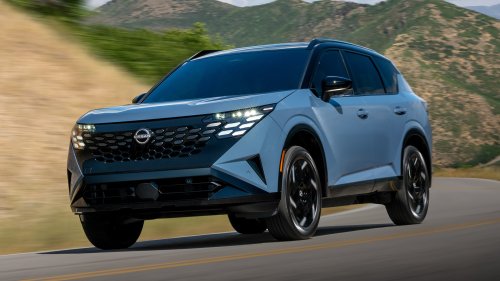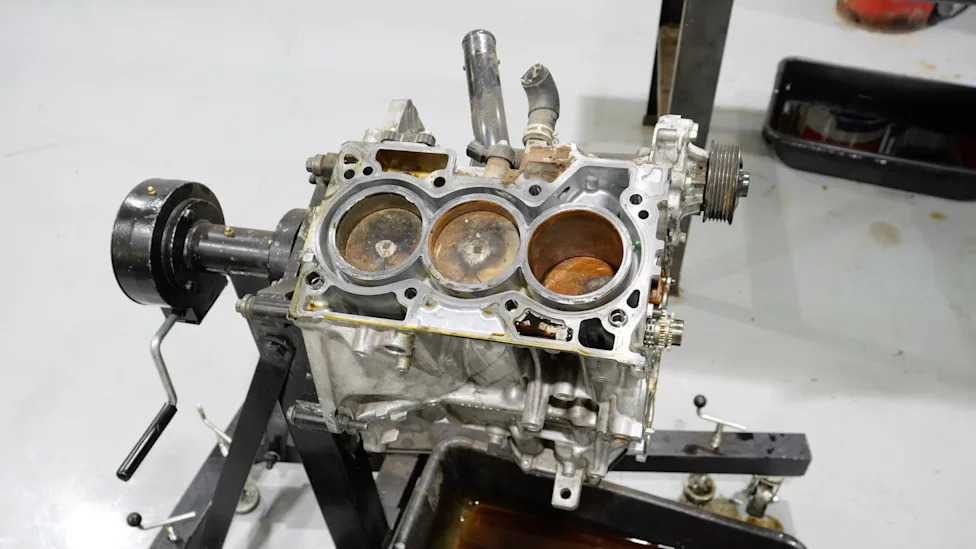
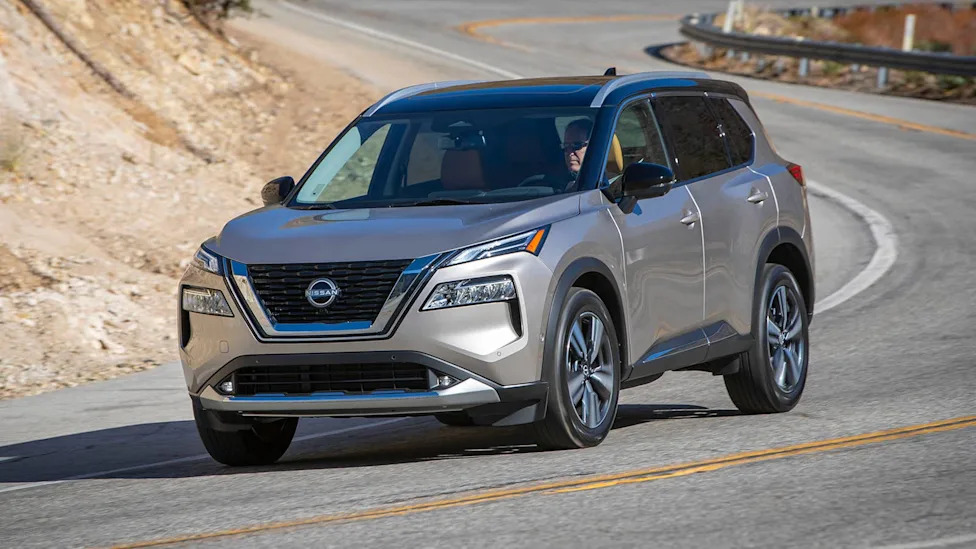



















Autoblog and Yahoo may earn commission from links in this article.Nissan's VC-Turbo WoesToyota and GM might be under scrutiny these days with their engine problems, but not too long ago, Nissan was right there in the hot seat. We're talking about its Variable Compression Turbo (VC-Turbo) engine. It received praise when it arrived, even picked up some industry awards.But that didn't last. Owners started reporting engines failing way too early, stalling out, and all sorts of bearing drama. Things got messy enough that Nissan had to launch a massive recall, covering hundreds of thousands of Nissan and Infiniti models with the 1.5-liter KR15DDT and 2.0-liter KR20DDET VC-Turbo engines. This eventually led to a lawsuit.AdvertisementAdvertisementEnter our favorite engine CSI, I Do Cars, which got its hands on yet another casualty – a 2023 model year Nissan Rogue that needed a new engine at just 43,000 miles. The previous owner didn't even bother with a rebuild, just went straight for a replacement. So, what went wrong this time?The Teardown Pointed Somewhere UnexpectedAt first, the engine looked fine – it still turned over, and the camshafts, timing bits, and cylinder bores all seemed pretty healthy for the mileage. But then, after popping off the timing cover, milky oil came to light – a dead giveaway that coolant and oil had mixed.It was more of the same story as the teardown progressed. The oil pan was packed with a nasty coolant-and-oil sludge, but there were no snapped connecting links or trashed bearings like the ones Nissan's recall was all about. Even the fancy variable-compression hardware looked mostly untouched.So the hunt moved on to the cylinder head, head gasket, oil cooler, and EGR cooler. Pressure tests gave the oil cooler a clean bill of health, and the EGR cooler wasn't leaking either. Even after scrubbing the cylinder head, there were no glaring cracks. The only eyebrow-raiser was some wear around parts of the multi-layer steel head gasket and some uneven head bolt torque – both hinting the engine might have cooked itself at some point.AdvertisementAdvertisementEric couldn't find one clear culprit for how the coolant mixed with the oil. He concluded that this was a whole new kind of failure. And he's not alone – plenty of owners have reported coolant sneaking into places it shouldn't, warped cylinder heads, or head gasket gremlins right alongside the infamous bearing problems.I Do Cars/YouTubeView the 3 images of this gallery on the original articleWhat Owners Can Take AwayOf course, one teardown doesn't doom a whole engine family, and even Eric pointed out that engines can fail in all sorts of ways. Still, after poking around inside three different VC-Turbos, he's not exactly rushing to recommend one once the warranty clock runs out.For owners, there's no guarantee that you'll dodge the VC-Turbo's fate, but it's better to keep up with your maintenance and not ignore warning lights, weird noises, rough running, or any mystery coolant loss. If you've got a VC-Turbo under the hood, check if your ride is part of Nissan's recall or eligible for inspection or a warranty extension. The recall means dealers will look for bearing debris and, if needed, swap your engine for free, plus you'll get a longer powertrain warranty if your car is affected.View the 4 images of this gallery on the original articleAdvertisementAdvertisementThis story was originally published by Autoblog on Jul 27, 2026, where it first appeared in the News section. Add Autoblog as a Preferred Source by clicking here.