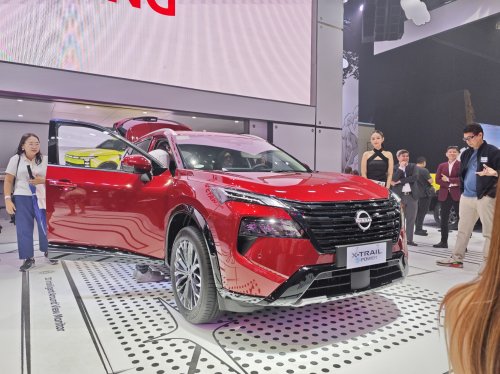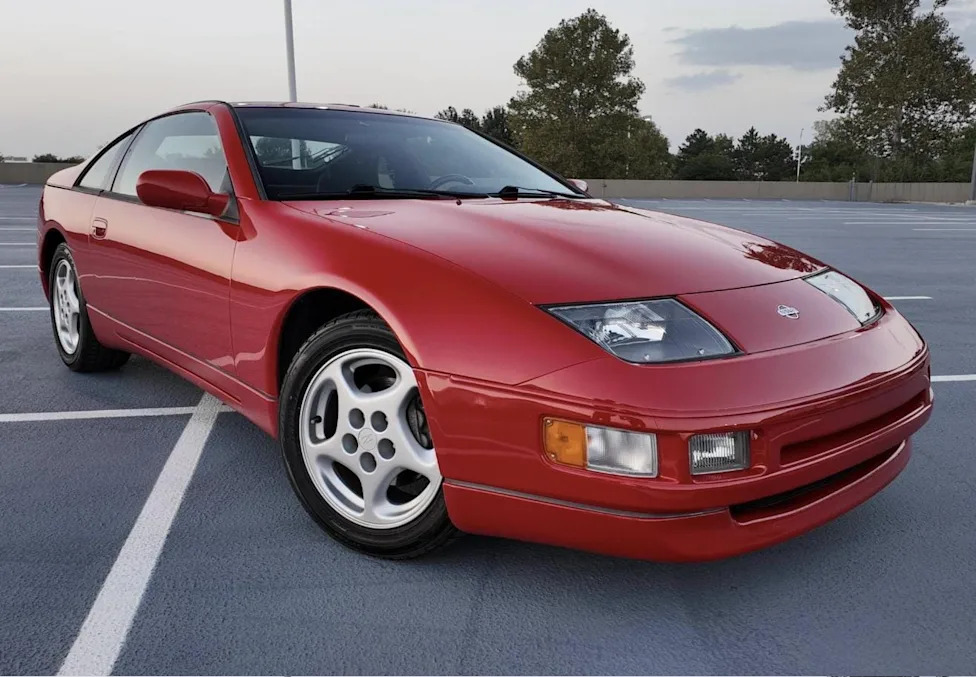


















The Pandemic Turned Your Nissan Lease Buyout Into Free Money — And Some Dealers Grabbed It FirstFor a strange stretch of the pandemic, leasing a Nissan came with an accidental jackpot nobody had planned for. Sign a lease in 2018 or 2019, and the dealership calculates what your car will be worth years down the road, then locks that number into your contract as a fixed purchase option. Nobody expects that number to become a deal. Then a global chip shortage gutted new car production, used values spiked to record highs, and the fixed buyout price buried in thousands of Nissan lease contracts quietly turned into one of the better bargains in the entire car market. According to an investigation by New York Attorney General Letitia James, at least 15 Nissan dealerships decided that money belonged to them instead.James's office opened its investigation after customers flagged inaccurate paperwork on end-of-lease buyouts during the pandemic. The pattern was consistent: customers arrived to exercise the purchase option already spelled out in their lease, and dealerships tacked on made-up administrative or dealership fees, or simply wrote a higher price on the invoice than the contract allowed. Fifteen dealerships have already paid for it: $1 million in penalties, plus more than $4.5 million refunded to over 3,100 customers who were charged more than they had agreed to years earlier.Now the rest of the state is getting the same treatment automatically. Nissan Motor Acceptance Company, the automaker's in-house lender, has agreed to audit all 45 Nissan dealerships in New York and mail restitution checks throughout 2026 to anyone who was overcharged, whether or not they ever filed a complaint. Customers who financed their inflated buyout price will also get back the extra interest they paid on money they never should have owed in the first place. NMAC is also rewriting its lease-end procedures so dealerships cannot quietly move that number again.AdvertisementAdvertisementThat contractual purchase option is what makes this fraud unusual. Almost everything else about buying a car is negotiable: the price, the trade-in value, the financing rate, the extended warranty nobody needed. A lease-end buyout is not supposed to work that way. The residual value, the number a manufacturer bets the car will be worth when the lease ends, gets fixed at signing and printed into the contract. It isn't a starting offer. It's a promise.That promise almost always favors the finance company, not the customer. Automakers' captive lenders set residual values conservatively on purpose, because if used prices crash, the lessee simply walks away from the buyout and the depreciation loss lands on the lender's books instead of the driver's. That's the entire point of leasing as a risk transfer. What happened between 2021 and 2022 flipped that math for the first time in decades. Used values spiked so far above pre-pandemic forecasts that customers holding older Nissan leases were suddenly sitting on purchase options worth thousands less than what the same car fetched on the open market. For once, the fixed number worked in the customer's favor. Some dealerships apparently couldn't leave it alone.The interest refund detail is easy to miss, but it matters. Anyone who financed that inflated buyout price wasn't just overpaying for the car. They were paying interest, month after month, on money they never should have borrowed in the first place. One inflated number on an invoice turns into a second, quieter overcharge running silently through an entire loan term.Fifteen dealerships is a third of Nissan's entire New York network. That's not a rogue employee at one store. Rather than wait for complaints to trickle in from the other 30 dealerships, the state is having NMAC audit all of them and mail checks unprompted. Most dealer-fraud settlements put the burden on customers to notice they were cheated and file a claim, and plenty of them never do. This one shifts that burden uphill, onto the manufacturer's own finance company.AdvertisementAdvertisementThat's the real story here, and it's bigger than 15 dealerships in New York. Franchised dealers are independently owned businesses. Nissan doesn't set their invoices or manage their sales floors. But when enough of them cheat customers using the same playbook, it's the manufacturer's captive lender writing the checks and rewriting the rules, not the dealers themselves. The company that didn't directly commit the overcharges is the one cleaning them up statewide.It's also landing at an inconvenient time for Nissan, a company that has spent the past year and a half publicly wrestling with its own finances, right down to how much it spends developing a single paint color. A dealership network carrying statewide restitution obligations isn't the kind of headline a company in that position wants attached to its badge.If you're closing out a lease on any brand, not just Nissan, the lesson here doesn't require a lawsuit to apply. Pull your original lease contract and find the purchase option price. Compare it, line by line, against whatever invoice the dealership hands you at buyout. Any additional fee that isn't already sitting in your contract is not a normal dealer add-on, and dealership fee padding shows up in plenty of other corners of a car purchase too.A lease buyout price is supposed to be the one number in the entire car-buying process that doesn't move. That's exactly why some dealers found a way to move it anyway. New York just made sure the bill for that decision landed on the right desk.Join our Newsletter, follow our Instagram page, and connect with us on Facebook.