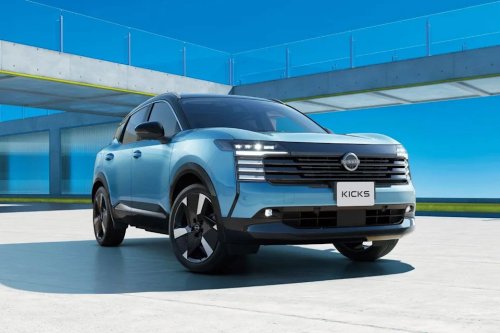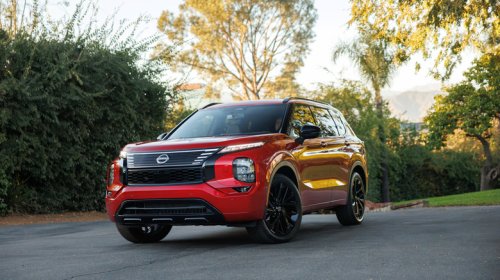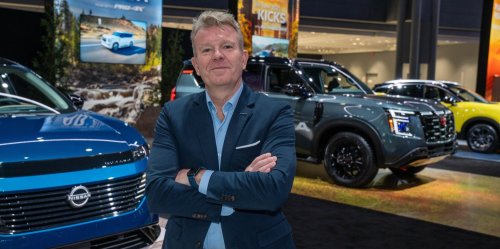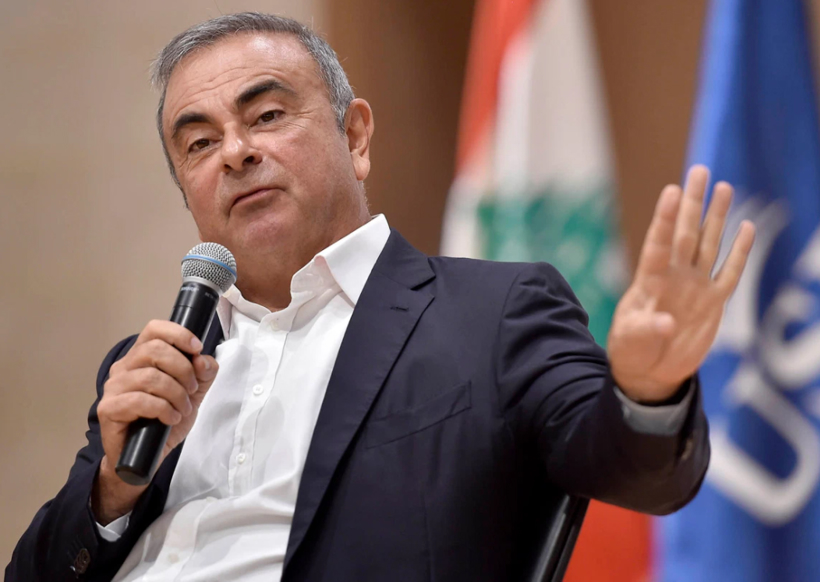




















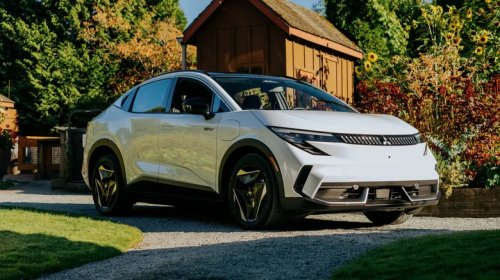
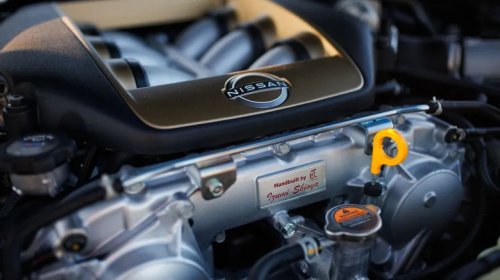
Gasgoo Munich-At Nissan's recent annual shareholder meeting, a controversial proposal emerged. An investor called for the reappointment of Carlos Ghosn as CEO. The motion was bundled with demands to oust current chief executive Ivan Espinosa.Citing a shareholder present at the meeting, Automotive News reported that the supporter did not shy away from Ghosn's legal history. Even acknowledging the criminal charges, the investor argued, "Nissan needs someone like Ghosn. He has his bad side, but he also has a good side. I want a leader like that."The proposal is essentially a collective venting of frustration over Nissan's eight-year decline. Since Ghosn's departure in 2018, the Japanese automaker has failed to pull out of a performance slump. The stock price has languished, the transition has dragged on, and profitability pressures have mounted. This leaves current CEO Espinosa with a heavy reform burden.Some shareholders pin their hopes on a comeback by the former "fixer" to turn the tide. But stripping away the nostalgia, the legal reality of Ghosn's international fugitive status makes any return fundamentally impossible.A Collective Nostalgia for GhosnThe proposal to recall Ghosn stems from the sharp contrast between his era's performance and Nissan's persistent recent decline. That gap has fueled a wave of nostalgia.Known as the "cost killer," Ghosn took over Nissan in 1999 when it was mired in seven consecutive years of losses and heavy debt. Through drastic reforms—slashing headcount, shuttering inefficient plants, and overhauling the supplier network—he steered the company back to profitability in just a year. Within a few years, he cleared more than 2 trillion yen in debt, saving the automaker from the brink of collapse.On the management front, Ghosn built the Renault-Nissan-Mitsubishi Alliance from the ground up. By integrating R&D, procurement, and manufacturing across the three partners, the alliance ranked second globally in sales at its peak. It generated significant synergies that provided a stable profit base for Nissan. His aggressive, decisive, and execution-driven leadership became the benchmark for crisis management among long-term shareholders.Image Source: Ghosn LinkedInDuring his tenure, he also pushed Nissan's entry into China, establishing the Dongfeng Nissan joint venture in 2003. At its peak, Dongfeng Nissan sold over 1 million vehicles annually, making it one of the country's top-selling joint ventures.Since Ghosn's exit, however, Nissan has seen frequent management turnover and wavering strategic focus. It has fallen far behind rivals in the shift to electric vehicles. Financial pressure has mounted, with the company posting significant losses. To ease cash-flow strain, it even resorted to selling its global headquarters building.To rein in costs, Espinosa announced an aggressive plan to close seven plants and slash 20,000 jobs. Yet, the company has struggled to halt the dual decline in sales and profit. The listless stock price has only deepened shareholder anxiety.In the eyes of many shareholders, Nissan's decision-making has become sluggish and plagued by internal infighting. The company lacks a core leader willing to make drastic cuts. This leaves it handcuffed amid a period of rapid industry change.Contrasting this with Ghosn's track record of saving the company against the odds, investors naturally wonder, "If Ghosn were still here, we wouldn't be in this passive position." Calls to oust current management and bring back Ghosn essentially express frustration with the current turnaround plan. It is a desperate search for a way out and an emotional longing for a strong, reformist leader.But this nostalgia focuses solely on Ghosn's past operational successes while deliberately glossing over his legal troubles and historical conflicts. It ignores that his downfall was driven by deep-seated issues, such as power struggles within the alliance and internal governance conflicts. Simply replicating the old model cannot adapt to the new environment of the automotive industry's electric transition.Ghosn's Return Lacks Realistic FeasibilitySetting aside emotional expectations, judicial facts, geopolitical rules, and corporate governance reveal almost no room for Ghosn to return to Nissan's helm. The shareholder proposal is largely an emotional expression with no practical foundation.The timeline of the saga is clear. In November 2018, Ghosn was arrested in Tokyo on charges of financial misconduct, including underreporting his compensation and misusing company funds. After two detentions and paying a total of 1.5 billion yen in bail, he was released pending trial.In late December 2019, Ghosn fled Japan by hiding in a box for audio equipment. He boarded a private jet at Osaka's Kansai Airport and eventually settled in Lebanon.On the judicial front, Japanese prosecutors have not terminated their pursuit of charges against him. In 2022, French authorities also issued an arrest warrant regarding the misappropriation of Renault funds. Ghosn currently remains an international fugitive sought by multiple judicial bodies.Geopolitical rules present a hard barrier. Lebanon has no bilateral extradition treaties with Japan or France. As a Lebanese citizen, Ghosn is protected by a local judicial system that will not cooperate in his extradition. This means he can likely never legally return to Japan to serve in an executive role.Image Source: NissanEven if Ghosn were to manage remotely, his status as an international fugitive would expose Nissan to enormous compliance risks, a public relations crisis, and regulatory accountability.Furthermore, the root cause of Ghosn's ouster went beyond financial allegations. It involved deep-seated structural conflicts over equity and alliance management control between Renault and Nissan. Years later, the equity structure and cooperation model between the two have been completely overhauled. The logic of the alliance has been rewritten, and the foundation for Ghosn's management authority no longer exists.Even setting aside legal issues, his radical, centralized management style would clash severely with Nissan's current internal governance rules and Japanese corporate culture. Forcing his return would only intensify internal contradictions.The operational challenges facing Espinosa are real and thorny. Yet, pinning turnaround hopes on a former executive who cannot enter the country and is wanted by law enforcement ignores core ailments. Nissan suffers from a lagging transition and wavering strategy. Disregarding objective legal boundaries makes this an emotional choice divorced from reality.Nissan's current predicament results from overlapping issues: chaotic management succession, a lagging electric strategy, weakened alliance synergy, and declining global competitiveness. It cannot be smoothed over by simply swapping a manager. Rather than indulging in past narratives or hoping for unrealistic nostalgic salvation, the company should face its shortcomings squarely. It must steadily push cost-cutting and efficiency, clarify long-term product planning, and close the gap in its energy transition to solidify operational fundamentals.For Espinosa and the Nissan board, the only viable path out of this quagmire is to address shareholder anxiety with a concrete, medium-to-long-term recovery plan. They must restore market confidence with tangible performance results.