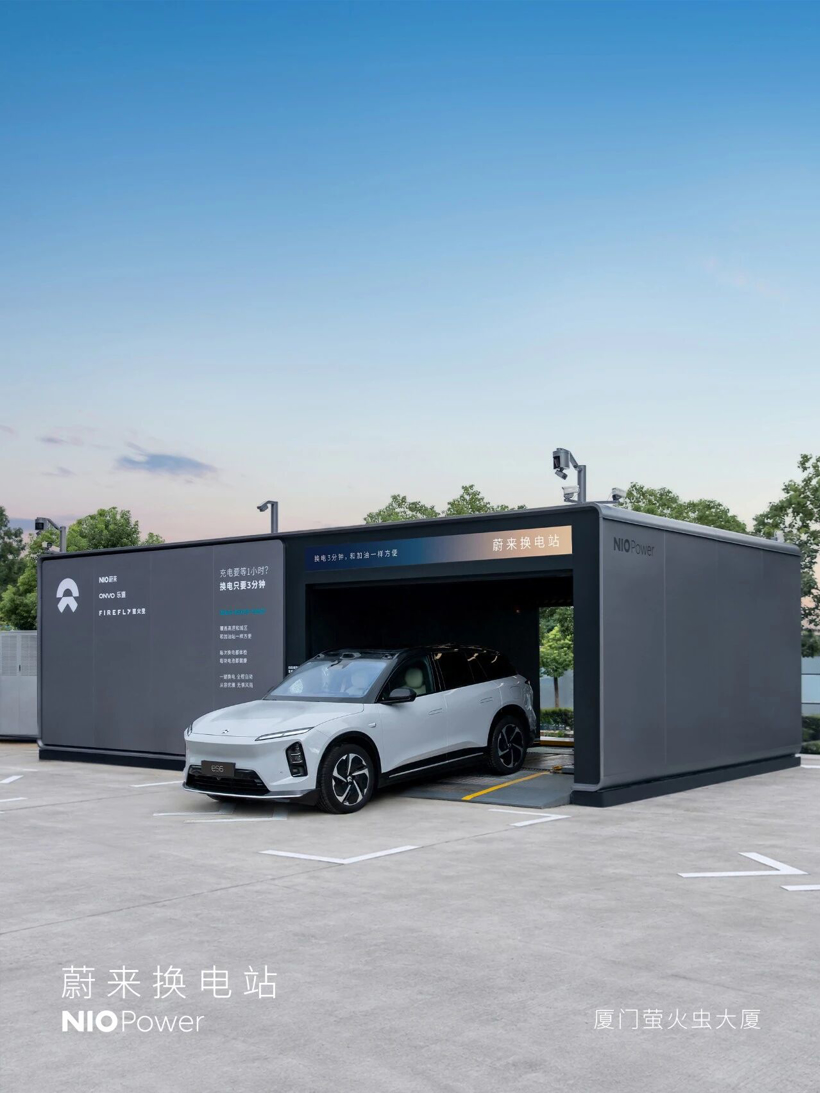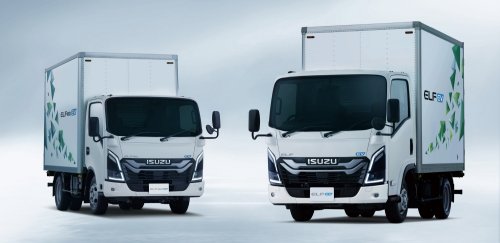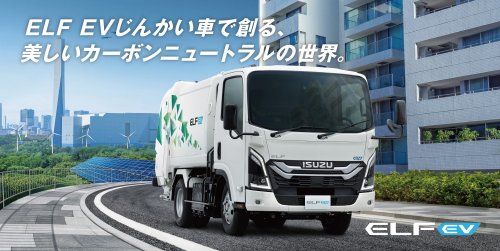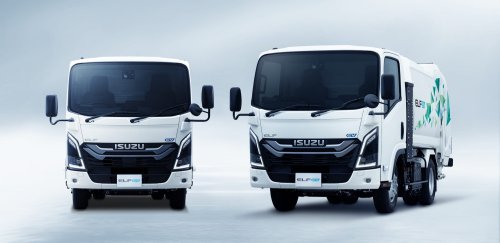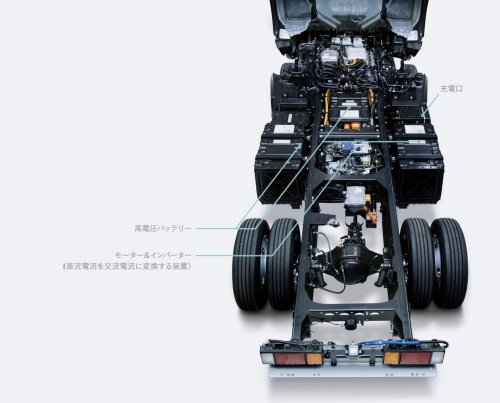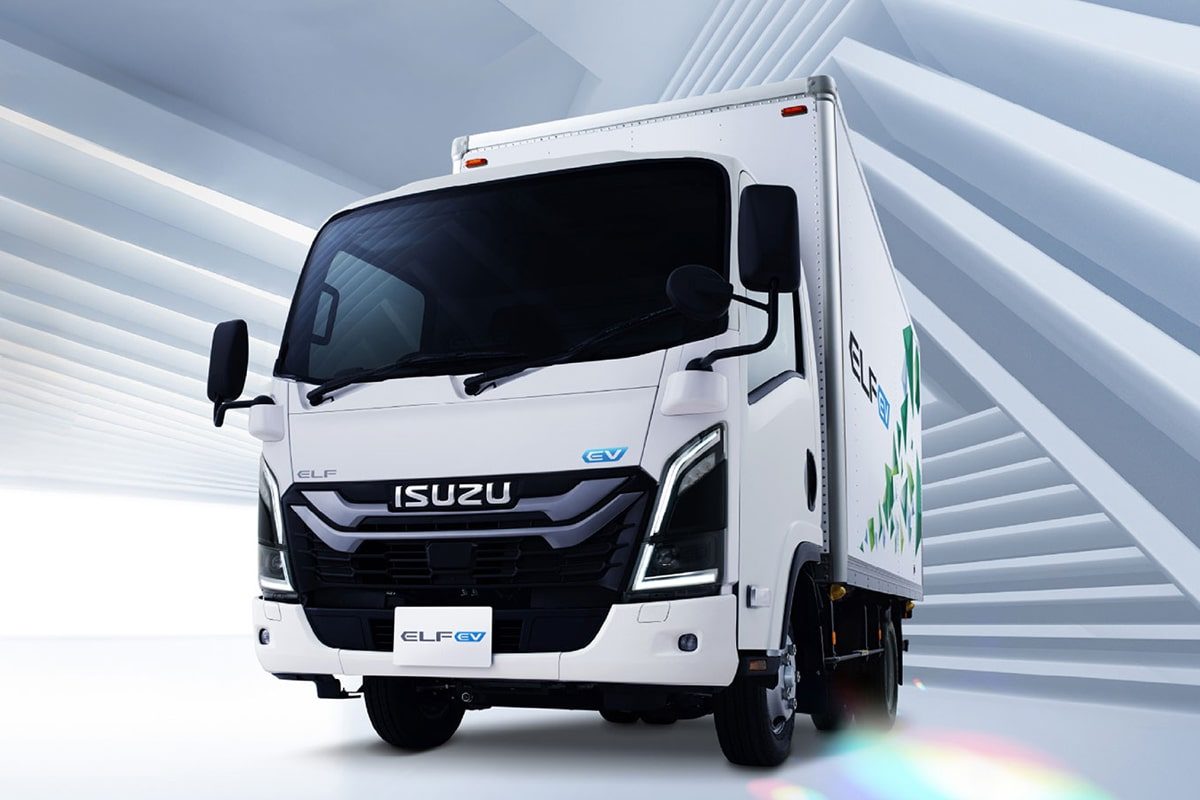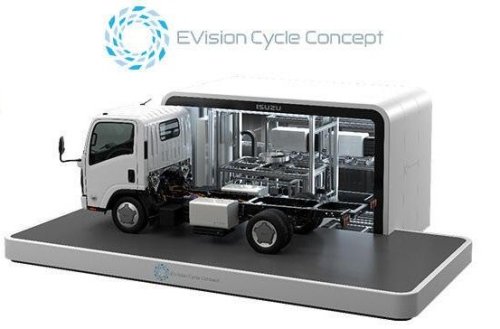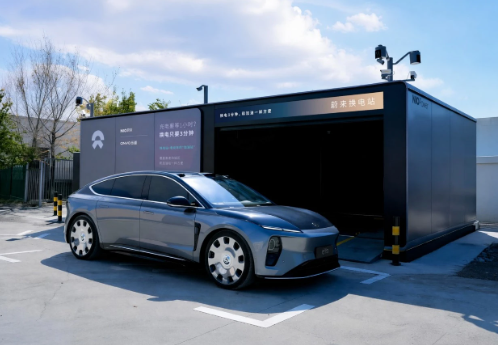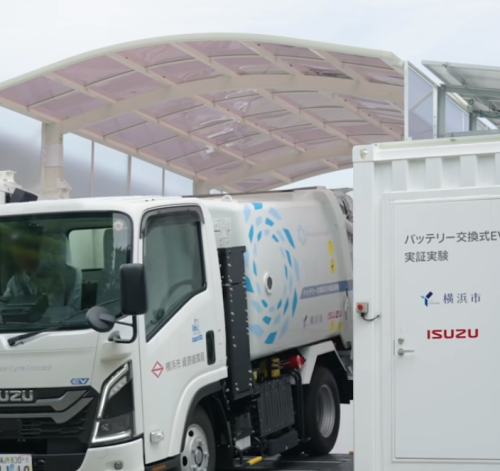
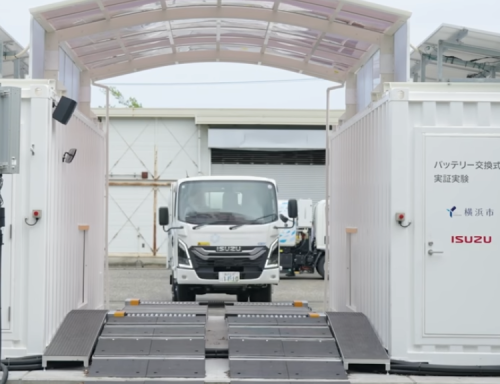
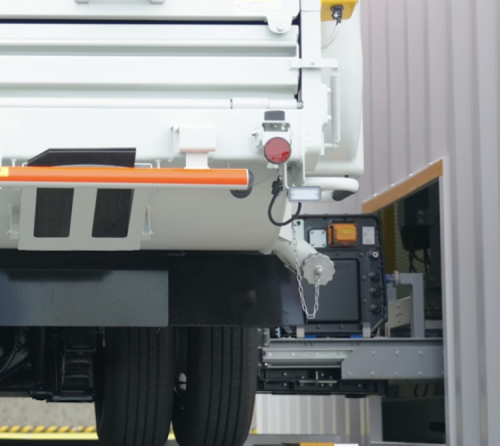
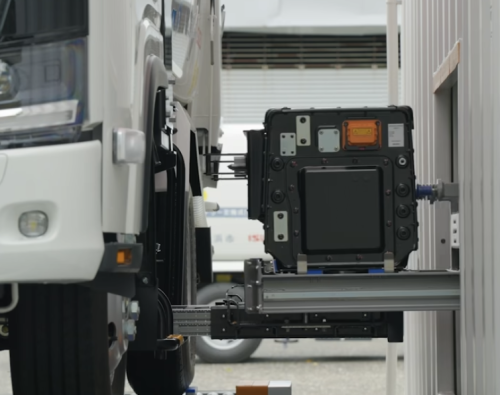



















YOKOHAMA, Japan — Isuzu Motors is testing a three-minute battery-swapping system for municipal electric garbage trucks in Yokohama, aiming to eliminate lengthy charging delays for high-demand commercial vehicles. This was first reported in Japan Times but confirmation of the timing came from CleanTechnica sources in Isuzu’s headquarters at Nishi-ki in Yokohama. The demonstration project with the City of Yokohama runs through March 2028. It evaluates whether hot-swapping depleted battery packs can maintain the tight schedules required for waste collection without forcing vehicles to sit idle at plug-in chargers. The battery swapping station at the City of Yokohama Resources and Waste Recycling Bureau. Image from Isuzu. According to our source electric refuse trucks present a difficult duty cycle. “In Yokohama, like I think in most of Japan, we only have one daytime collection shift. That’s 7:30 am to 3:30 pm here in Yokohama and around 8:00 am to 4:00 pm elsewhere,” our source explains. “That exclusive 7 to 8 active hours and there is no nighttime pickups in residential areas and limited evening pickup for commercial areas. This is why refuse collection trucks cannot afford to take a 1- to 2-hour break midday for fast charging. If a battery dies halfway through a route, the municipal schedule collapses.” Beyond frequent stop-and-go driving on residential streets, these vehicles run energy-intensive hydraulic compactors throughout their shifts. Traditional charging methods require larger, heavier battery packs to ensure full-day range, which increases vehicle weight and drives up manufacturing costs. Isuzu’s approach relies on its EVision Cycle Concept, first displayed at the Japan Mobility Show in 2023. The framework treats battery packs as modular, shared energy assets rather than permanent vehicle components. By removing depleted batteries and replacing them with charged units in about three minutes, operators can install smaller battery configurations suited for specific shifts while maintaining continuous fleet availability. The initiative expands on Isuzu’s September 2025 commercial trial with ITOCHU Corp. and FamilyMart, which deployed battery-swappable delivery trucks for urban logistics in Yokohama. Moving from retail supply chains to municipal operations tests the technology’s viability under heavier power loads and less predictable daily demands. The EV battery swapping robot at work. Image from Isuzu. Isuzu is not the only manufacturer targeting high-utilization fleets with modular energy swaps. Mitsubishi Fuso Truck and Bus Corp. teamed up with California-based startup Ample to deploy battery-swapping systems on its eCanter trucks. Following initial trials in Kyoto, Mitsubishi Fuso expanded the program into Tokyo alongside Yamato Transport, targeting more than 150 commercial vehicles paired with automated swap stations. These deployments highlight a difference between consumer and commercial electric vehicle adoption. While passenger cars often remain parked overnight or during work hours, commercial operations depend on vehicle uptime. For logistics managers and public service departments, extended charging intervals directly translate into operation delays. Centralized battery pools also offer lifecycle benefits beyond immediate fleet productivity. Shared battery networks allow operators to manage charging schedules around grid demand, prolonging overall cell health and creating pathways for stationary energy storage once modules reach the end of their automotive usefulness. The refuse truck trial forms part of Isuzu’s broader decarbonization roadmap, which includes parallel developments in standard battery-electric platforms and ongoing fuel-cell commercial vehicle research with Toyota. If three-minute battery swaps prove reliable in demanding municipal operations, the system could scale across other specialized commercial fleets, including street sweepers, utility vehicles, and construction equipment.