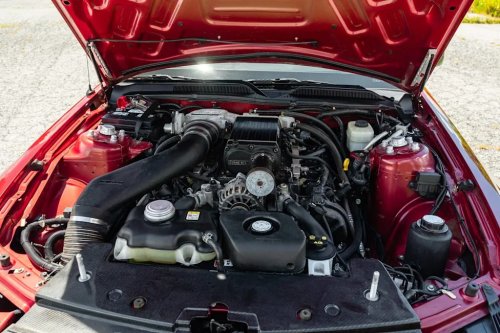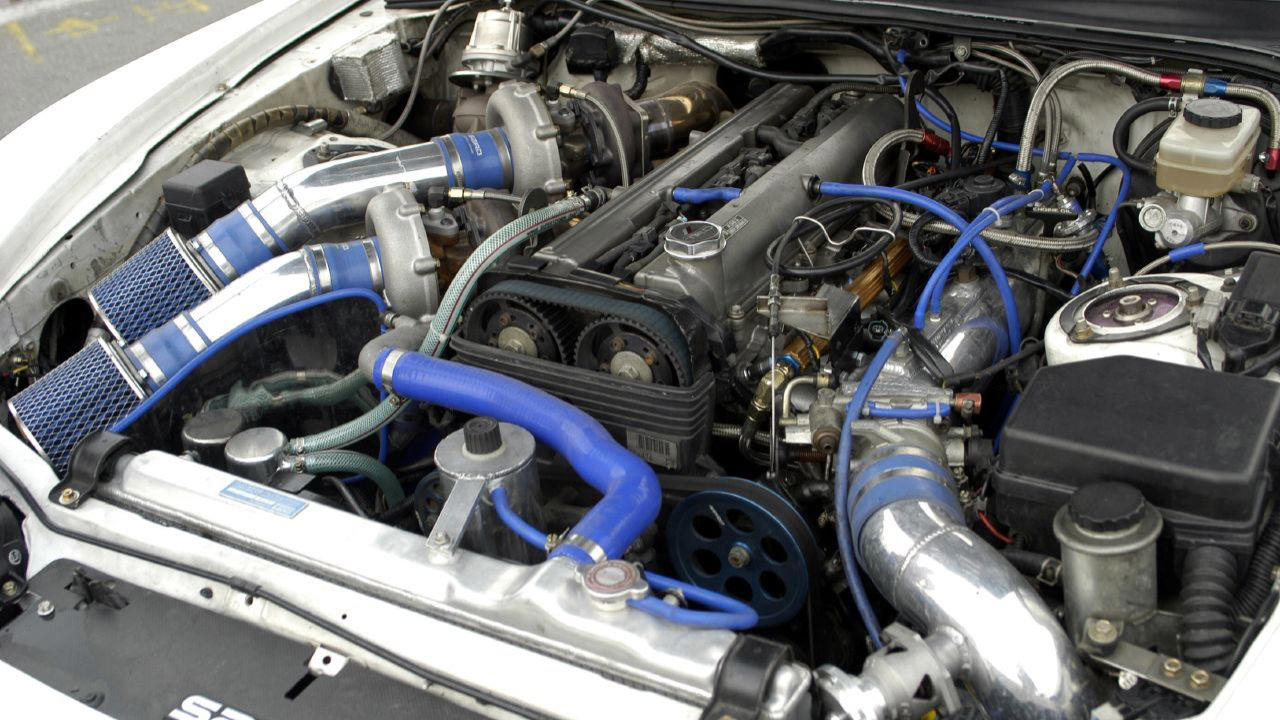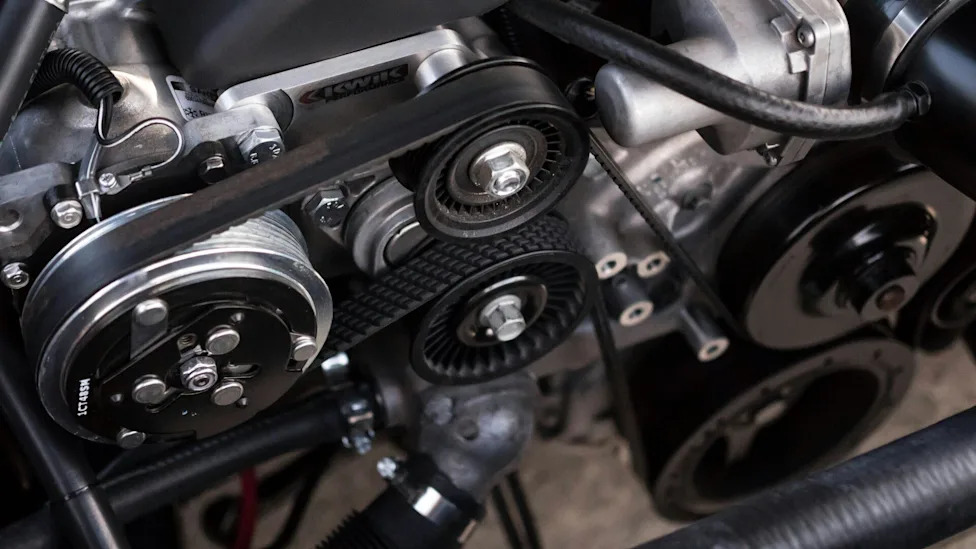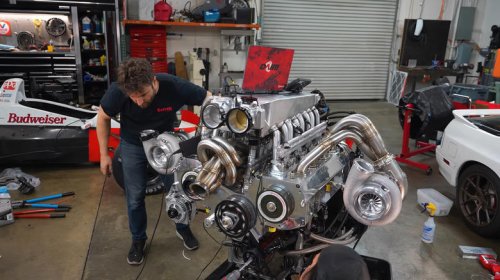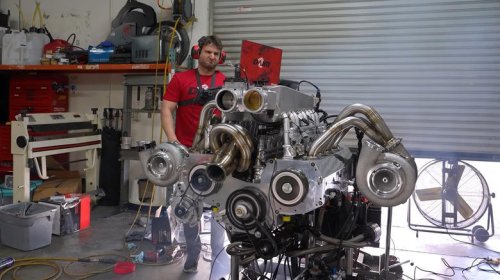
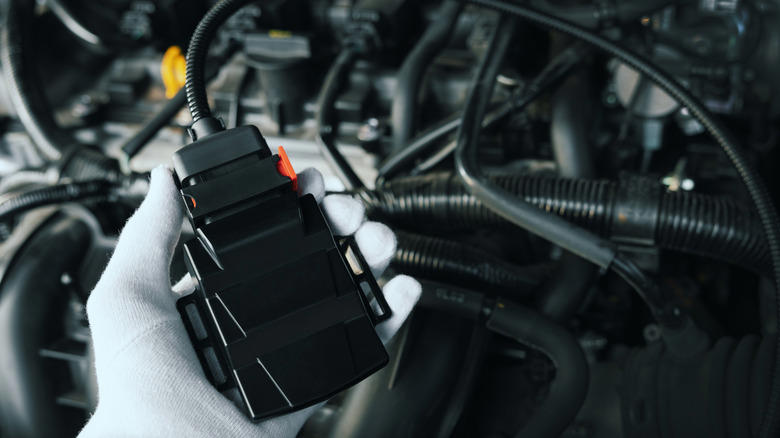
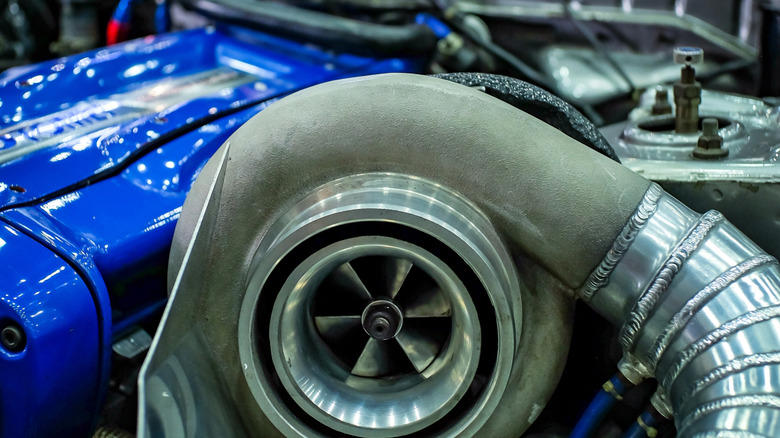



















pporiphotos/Shutterstock The range of aftermarket engine tuning available to enthusiasts is incredibly wide, and we all have our own favorite car mods. When it comes to engine computer software, modern fuel injection has made it easy for companies to pick up where manufacturers left off, and squeeze out a little — or a lot of — extra power by massaging myriad variables, including ignition timing, boost levels, and more. Then, there's good ol' fashion hardware, such as installing a better-flowing intake or exhaust component, bigger intercooler, or even throwing on a bigger turbocharger (or turbochargers, depending on the engine). In terms of knowing what level of tuning is possible for an engine, there's a widely accepted graduated system out there that not only helps companies' marketing efforts, but also lets enthusiasts know what it takes to achieve their horsepower and torque aspirations. This graduated system is outlined in stages, numbered 1, 2, and 3. But is there any standardization for Stage 1, 2, or 3 engine tuning? It starts with a mild ECU tune (or re-map if you live across the pond), then goes up from there depending on type and amount of hardware being bolted on. Let's dig into what each level means. Three stages of one(or three)-upping factory power output ronstik/Shutterstock Stage 1 is commonly referred to as a simple and inexpensive ECU tune. It usually involves cleaning up some variables, such as mildly increasing boost pressure if it's turbocharged. Essentially, it's about making changes that the engine's factory components can handle without upgrading anything else. According to MyChipTuningFiles.com, power gains range between 30% and 50% over stock. Stage 2 tunes inolve ancillary changes, such as a more free-flowing intake system, headers, downpipe, exhaust system, or even an upgraded intercooler. Essentially, this level of tuning is only possible when there's enough flow to support it. If they don't, it could cause major issues, such as exceeding an intercooler's ability to cool an increased intake charge from higher boost levels, thus causing the engine to pull timing because the intake air temperatures (or, IATs) are too hot. Some companies offer complete Stage 2 packages. Stage 3 is all of the aforementioned modifications, plus upgrading more substantial components. A bigger turbocharger or supercharger, aftermarket camshafts, and in some cases, higher-flowing fuel pumps and injectors to handle the demands of the more aggressive tune. Once again, MyChipTuningFiles.com says gains can vary between 50% and 100% over the factory output. It must be said that keeping the tune at a Stage 1 level and then upgrading ancillaries could be considered a Stage 2 build — there's a strong possibility that a noticeable power increase will occur when the engine breathes better, whether the tuning is increased to maximize them or not. Regardless, it's important to read up on each aftermarket company's tune specifications to determine what is best for them. Important considerations RMT51/Shutterstock While there are some factory-approved engine upgrades out there, like Volvo's Polestar intellectual property, it's common for any stage of aftermarket tuning to void manufacturers' warranties. Because there's something preventing the engine from running as designed — even if it's something as mild as an intake modification that allows the engine to breathe better — it could be enough to void a factory warranty. Again, it's important to thoroughly read up on your specific make and model. Additionally, if the vehicle is street driven, it's important to consider if/how modifications impact emissions regulations. It's never a bad idea to upgrade other components to handle the added heat and stress of making more power. More power means more heat, so looking into upgrading radiators, oil coolers, and other cooling components that will ensure the engine lives a long life. The same goes for the drivetrain. More power means more stress on it, so upgrading the clutch, transmission internals, and other components may be necessary. Finally, some tuners specify middle-ground tuning products, such as Motoza's E85 tune. The company calls it a Stage 1+ tune, because besides the software change, just injectors are required to flow more fuel, because E85 has a lower energy density than gasoline. There's no note on needing to upgrade the fuel pump or other components. Long story short, there's no official standardization for Stage 1, 2, or 3 engine tuning, but following the hierarchy of tune, then intake and exhaust mods, followed by more substantial hardware changes (with some leeway between, depending on the company's specifications) is a good, general way to look at it.