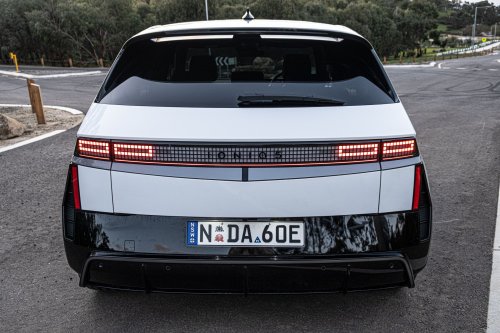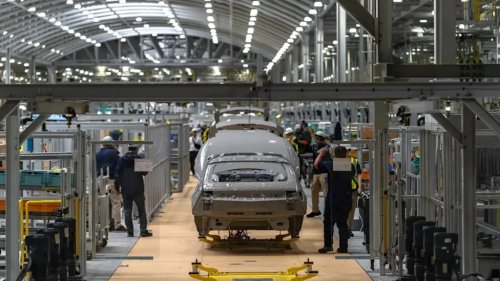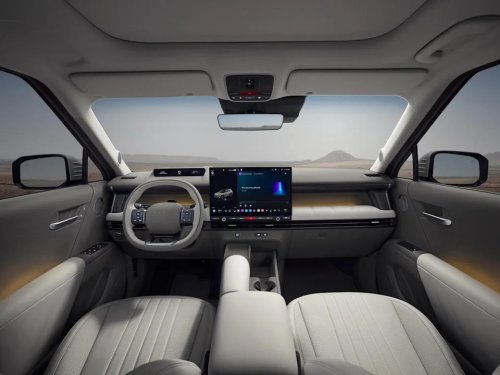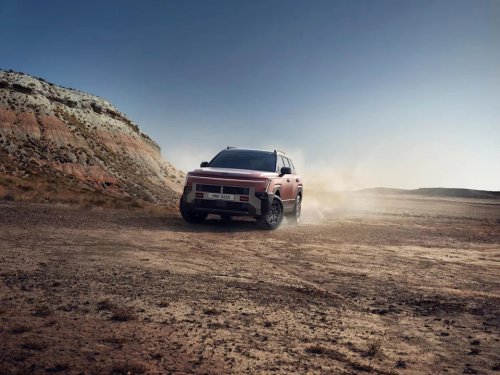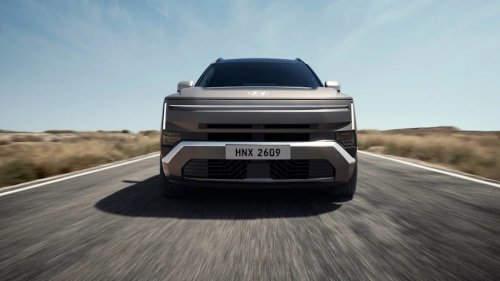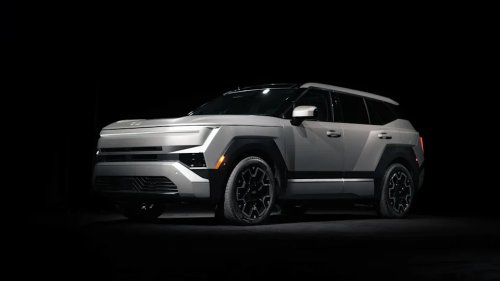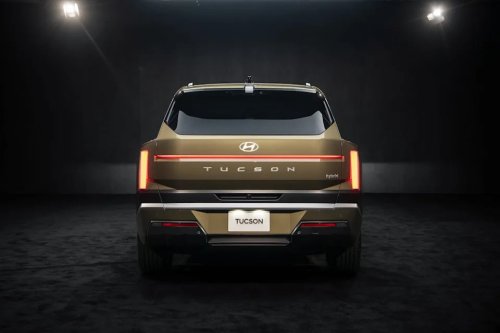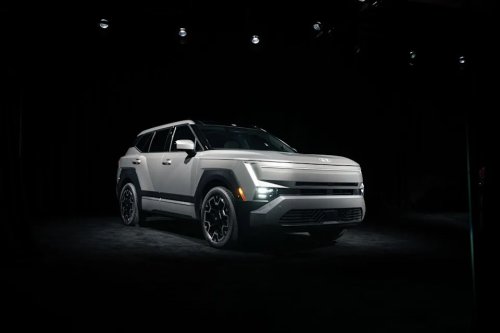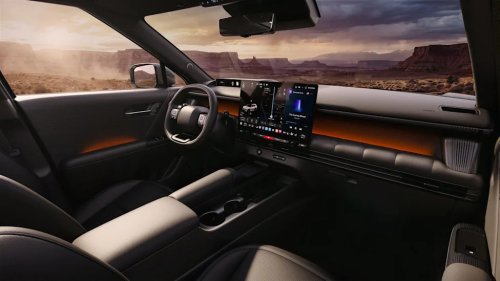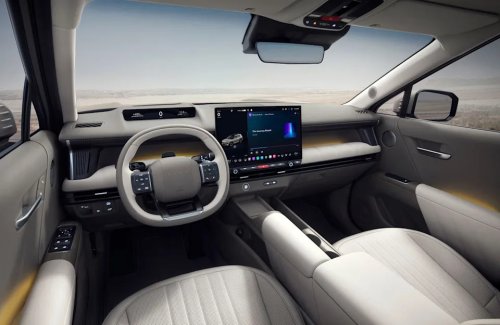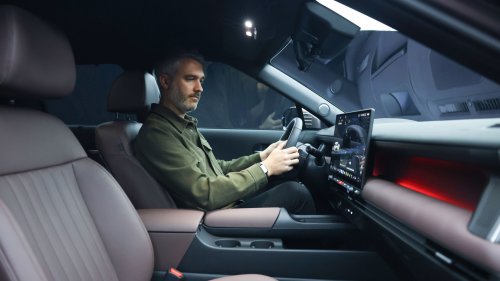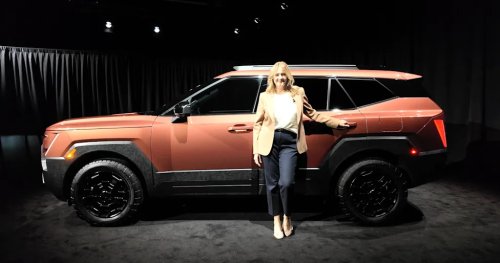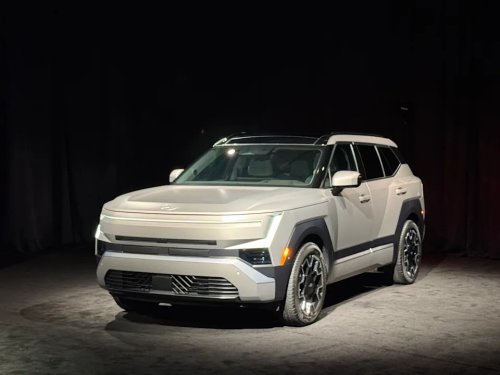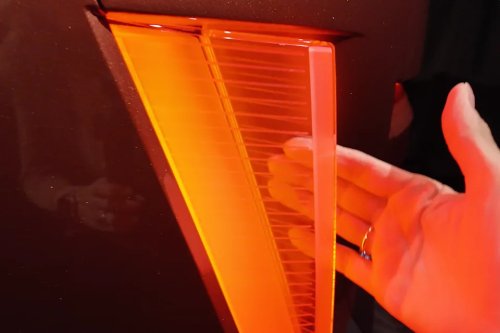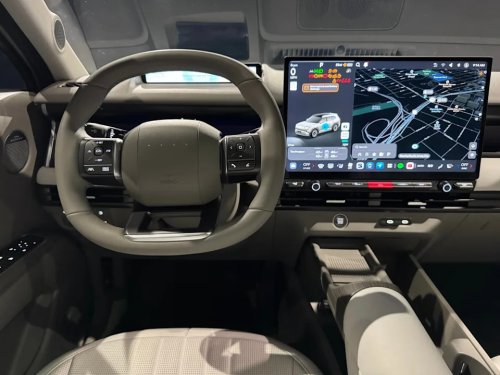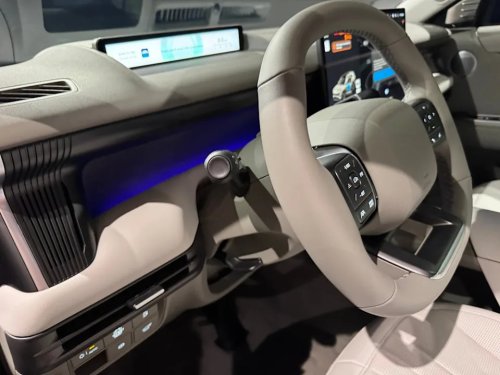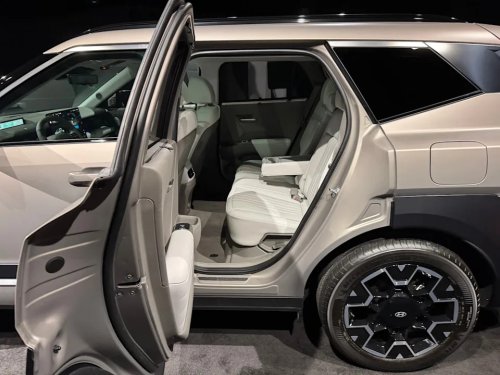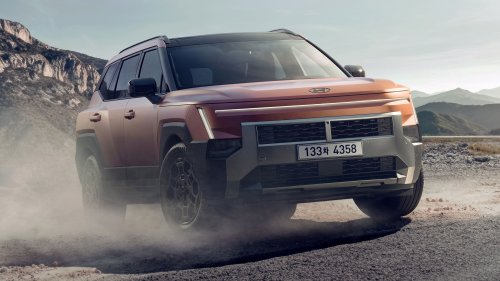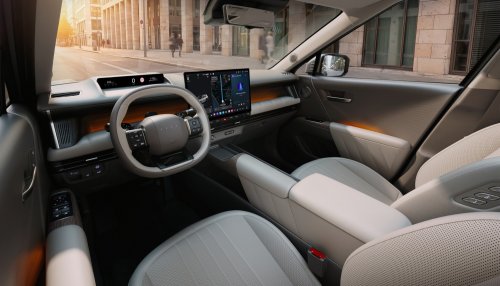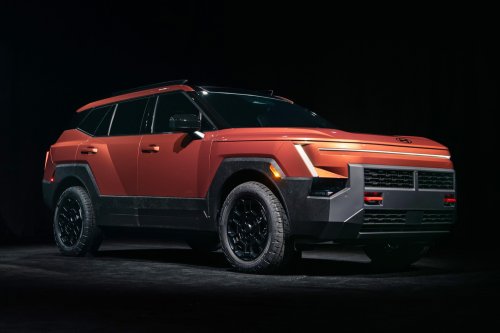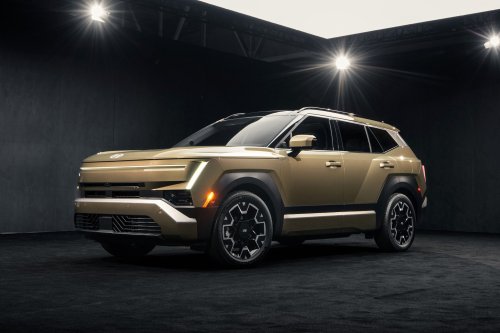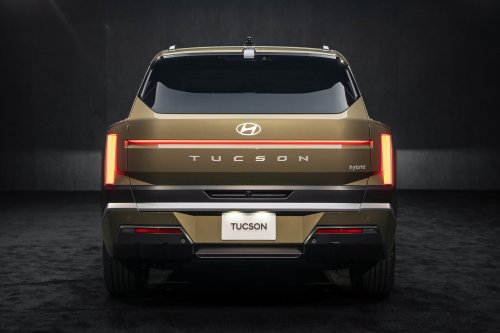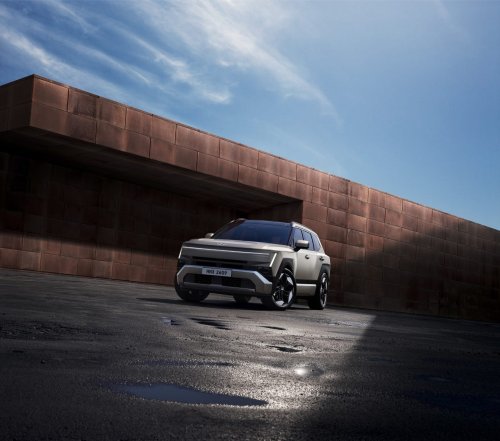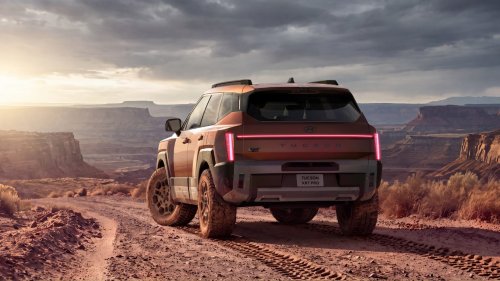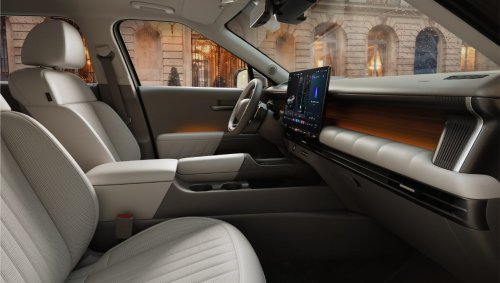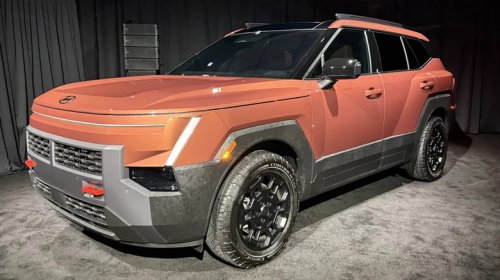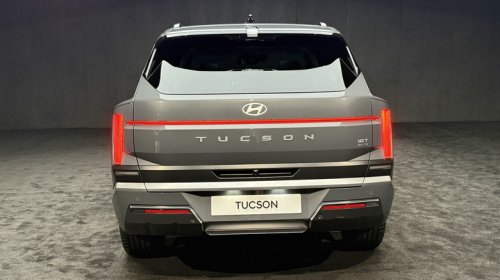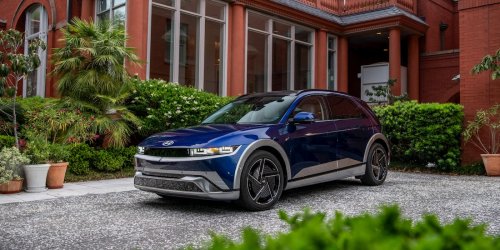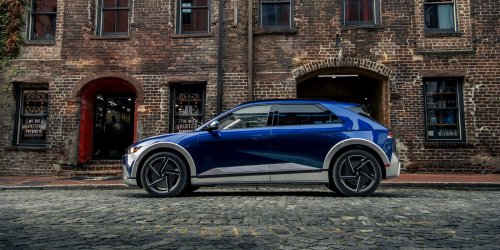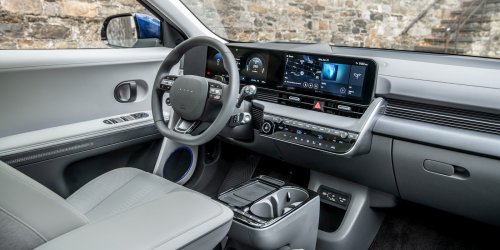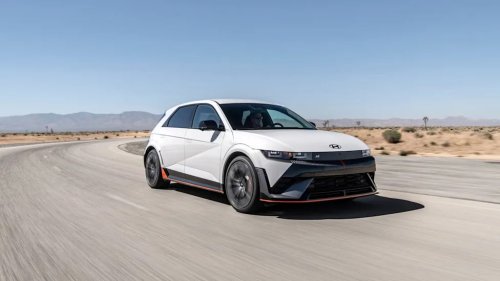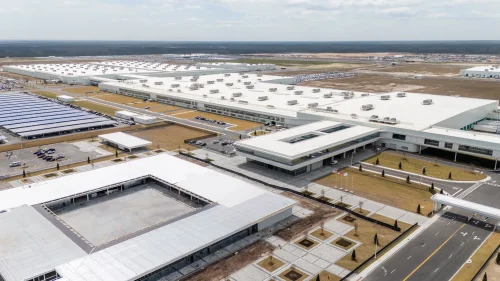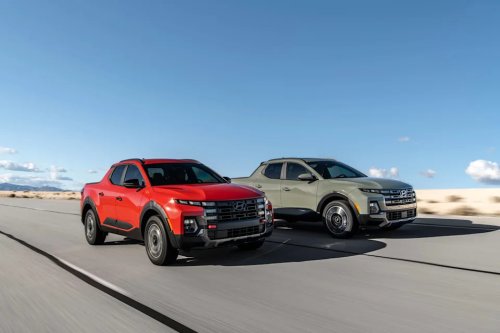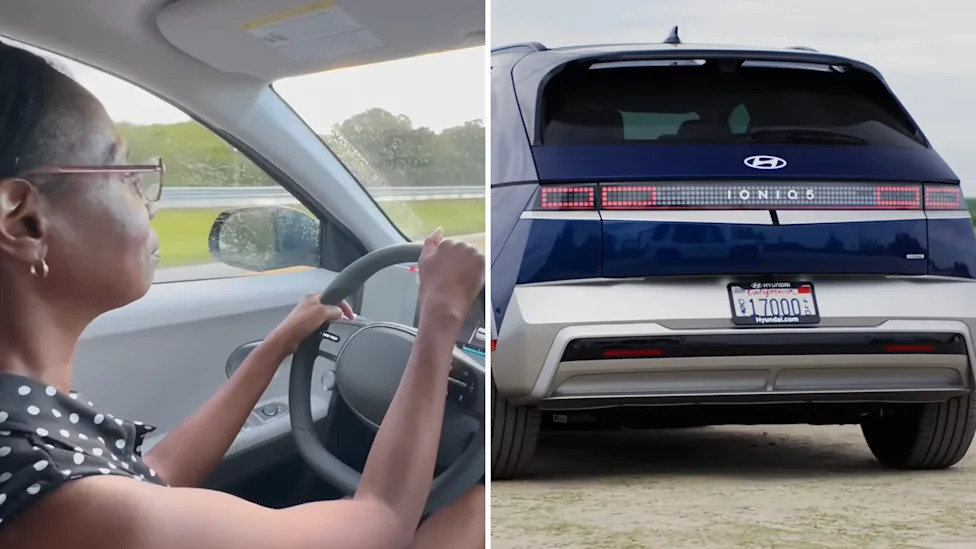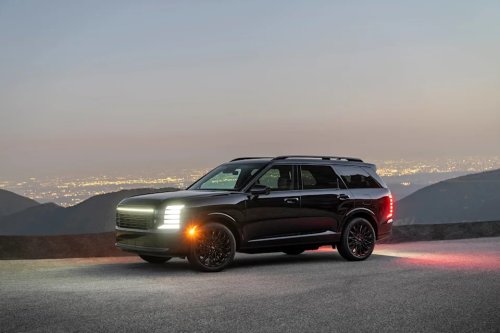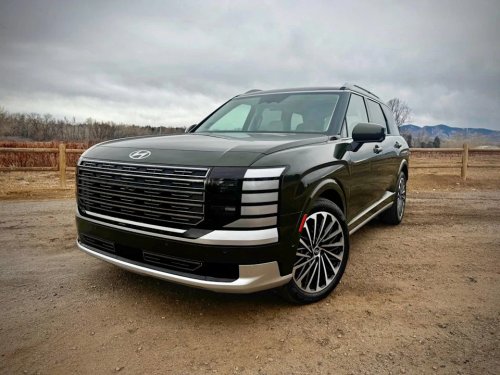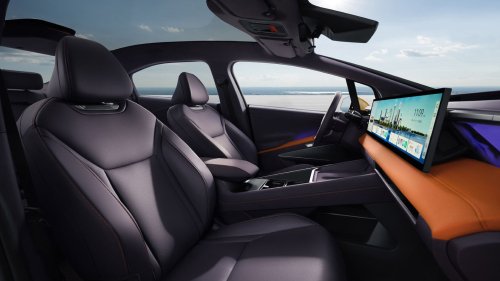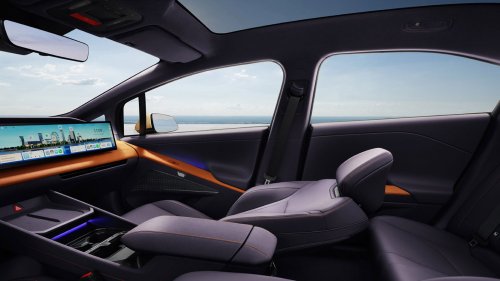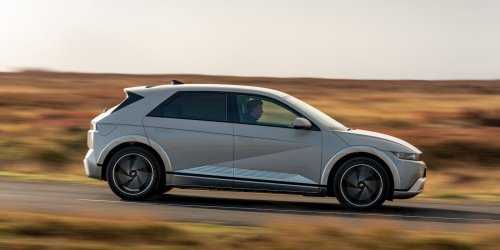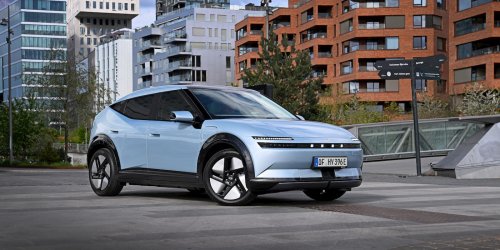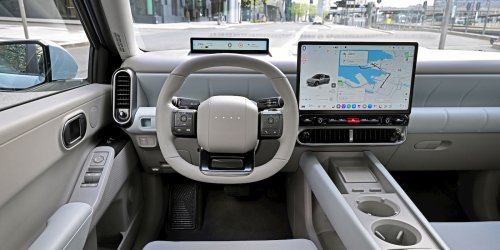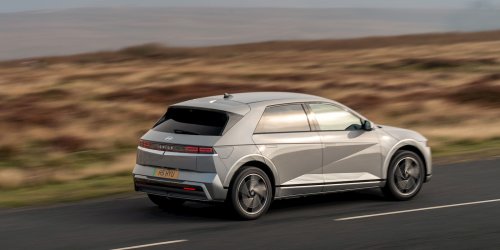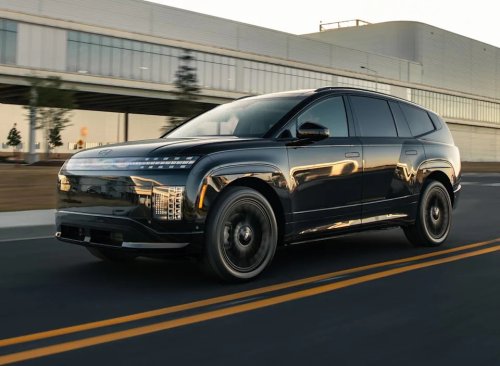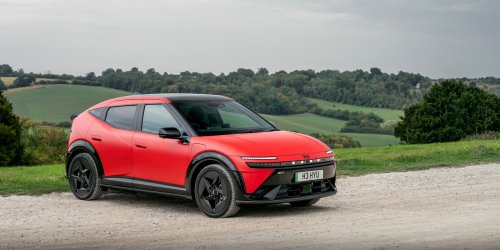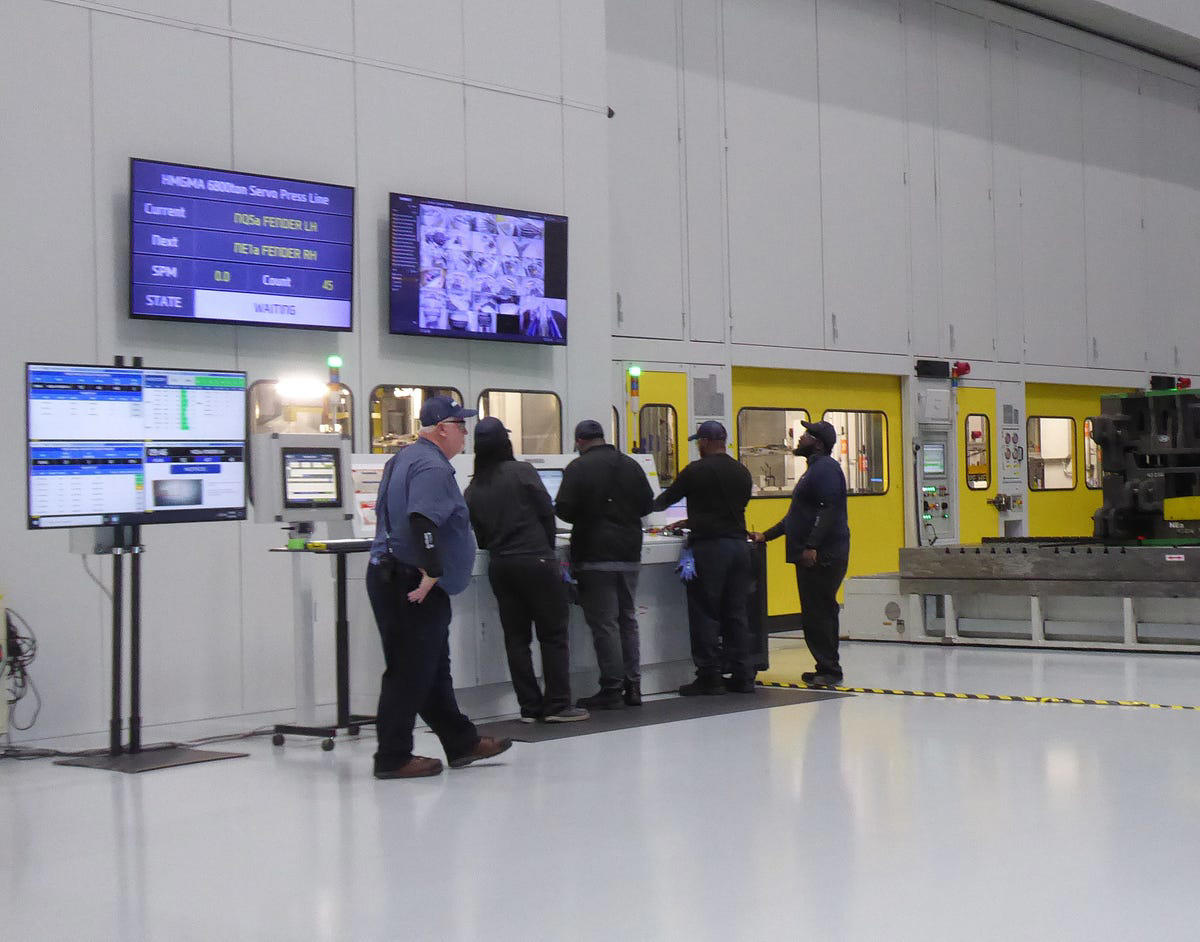
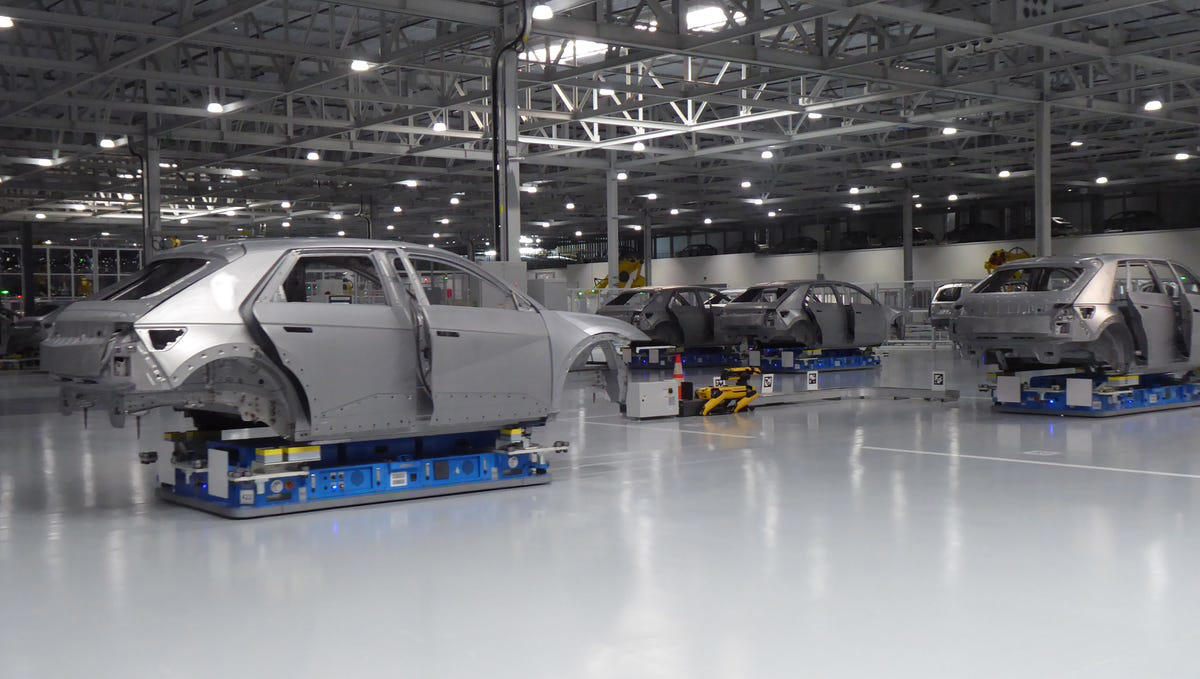
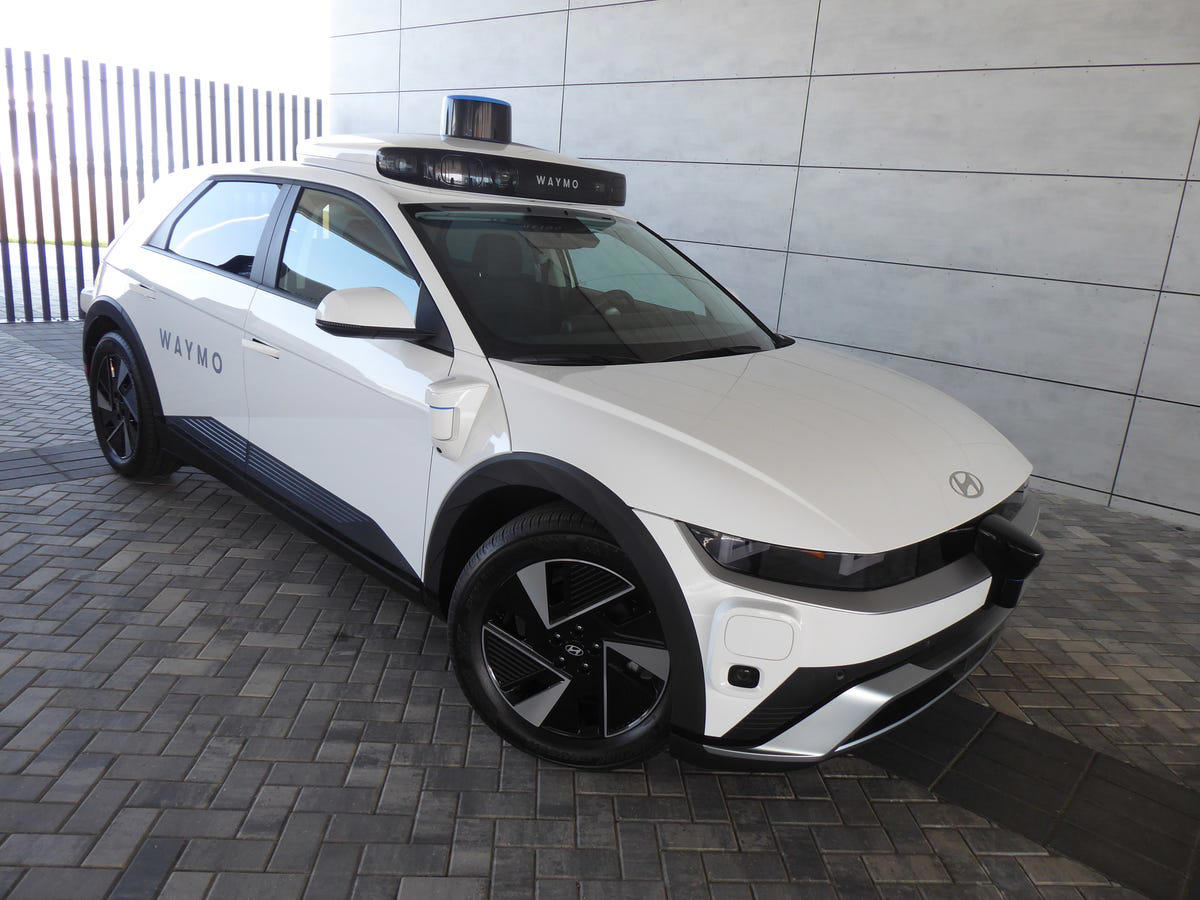



















The Hyundai Motor Group Metaplant America (HMGMA) in Ellabell, Georgia, which produced its first car in 2024, is a study in superlatives. Its 11 buildings have 7.5 million square feet of space under roof. Though the plant’s current output consists of just two electric vehicles, the Ioniq 5 and 9, it is set to eventually have 10 models (including hybrids and entries from Kia and Genesis) on site, plus a 2.5-million-square-foot LG joint venture battery plant (now under construction), a training center, an ecological park, and much more. In 2025, Hyundai (which has made a $12.6 billion investment in Georgia) said it would expand the plant’s output from 300,000 annually to 500,000.The made-in-Korea Ioniq 6 sedan will not be coming to Georgia, as the model was downgraded and only the 6N performance iteration will be available in the US. The Metaplant complements Hyundai Motor Manufacturing in Montgomery, Alabama, which makes such popular models as the Santa Fe, Tucson, and Santa Cruz, plus the Genesis GV70 and the Electrified GV70. The Alabama facility produces about 360,000 vehicles annually. Hyundai is also building a steel mill in Louisiana. A group of Meta Pros in Ellabell.Although the heavily robotized plant currently has 1,623 people directly working for HMGMA, it will have 2,600 when fully staffed, but the total workforce at the 3,000-acre complex, including the many suppliers, will reach 8,500. Salaries average $56,000 annually, which is 25 percent higher than is common in the surrounding area. The highest number of workers (32 percent) come from Chatham County, which includes Savannah. At the time Autoweek visited on April 23, 150 to 175 workers were at the on-site training center, learning core skills, then going on to their intended specialty at the plant. The Hyundai Mobility Training Center is operated by Georgia Quick Start, the state’s workforce development program. “If they don’t understand installing doors, they have to go through it again,” we were told by our guide, Susan Williams of Quick Start. One task had workers standing on a moving conveyer traveling at line speed as they identified key car parts. Others taught them how to use a torque wrench, fasten grommets, and install fasteners at awkward angles. Judging by first quarter 2026 sales figures, Hyundai produces approximately five times more Ioniq 5s (9,790) at the plant than it does the more expensive, three-row luxury 9 SUVs (1,990). The sheer size of the plant necessitates travel via golf cart, and a fleet of them were employed to take journalists on the tour. The service roads were crowded with Hyundai Xcient hydrogen fuel-cell big rigs that bring in parts from suppliers. Rows of Ioniq 5s headed for distant locations were lined up at rail sidings. If the destination is less than 500 miles, the vehicles go by truck. The golf carts went right into the plant, mimicking the route taken by the Ioniq bodies in white, which start out at stamping, and move through welding, the paint shop, then general assembly. In contrast to the accepted image of cars moving along assembly lines, Hyundai puts its vehicles on motorized autonomous carts with pre-programmed routes that make a track unnecessary. Everything is sparkling clean, and the noise level is far from the traditional din at auto plants. Workers at HMGMA are called Meta Pros, and the line people work alongside huge robots that lift the car bodies like they were toys, while oddly lifelike Boston Dynamics robotic quality control “dogs” named Spot roam around and check the welds. The idea is that the robots take on the back-breaking drudge work people don’t want to do, but they also keep head count down and don’t add to the $497 million annual payroll. The body in white glides silently around the plant. HMGMA has its own Georgia Power substation, but it also has 1,878 solar parking spots that contribute five percent of the plant’s energy needs. According to Miles Johnson, Hyundai senior manager of public relations, the company “signed a 15-year power purchase agreement with Matrix Renewables in 2024 to supplement our plant with renewable energy credits.” Also in Georgia, sister company Kia recently completed installation of a 10-megawatt solar array at its West Point plant that doubles as hail protection.After the plant tour, journalists went to the quality control test track, where just-completed cars go through rigorous obstacles courses in search of buzz, squeaks, and rattles. The auto hold feature gets checked, as does the vehicle’s willingness to travel a straight line. Tester Vanessa Walker took us down Impact and Hill Test Roads, and informed Autoweek, “I drive this track every day, testing maybe 35 to 38 cars. Ninety five percent of them are just fine, but on the other five percent I might find loose clips in the tailgate, or a dropped bolt moving around under the carpet. Sometimes a wiper blade needs replacing.”And sometimes a car’s reliability problems go deeper than rattling bolts. With the Ioniq 5, a bugaboo has been failure of the critical Integrated Charging Control Unit (ICCU), which manages energy flow between the high-voltage and 12-volt batteries. Johnson said the company has now resolved backorder issues with that part, which is replaced under warranty. Because of the ICCU issue, Hyundai issued a warranty extension that extends coverage on the part to 15 years of 180,000 miles. Waymo’s IONIQ 5 robotaxis will come out of the Metaplant.Speaking earlier in the day, Hyundai spokesman Michael Stewart said that the company’s Q1 2026 sales in the US set a record, and complement five years of retail sales increases. Electrified sales were 33.8 percent of the Q1 volume. Hyundai is celebrating 40 years in the US, beginning in 1986 with the $4,995 Excel. The ad headline then: “Our new three-door. It looks like a million but costs $995,005 less.” Dan Hwang, senior manager for advanced vehicle technical planning, said more than half of Ioniq 9 owners use their third row at least once a month, “and a subset use it a few times per week.” He also touted Hyundai’s robotaxi partnership with Waymo, with IONIQ 5-based vehicles now under testing in San Francisco. That car is 90 to 95 percent made by Hyundai, Hwang said, but its Motional-partnered robotaxi, with more than 30 sensors, is 100 percent a company product. It’s in a program with Uber that has geofenced vehicles running on the Vegas strip and downtown. The day ended with a dusty but highly amusing autocross in the Ioniq 5 off-road GTX model, demonstrating that EVs can be highly capable where the trail ends.