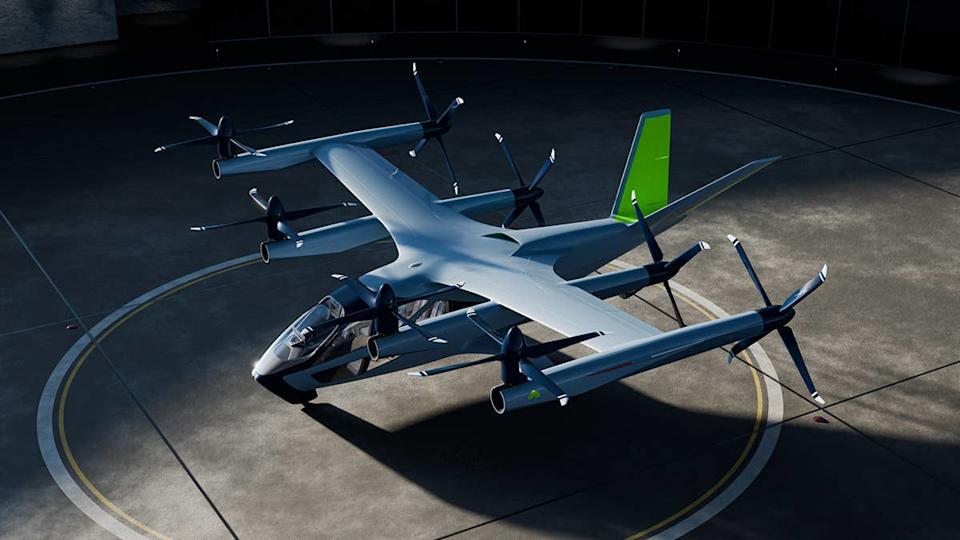

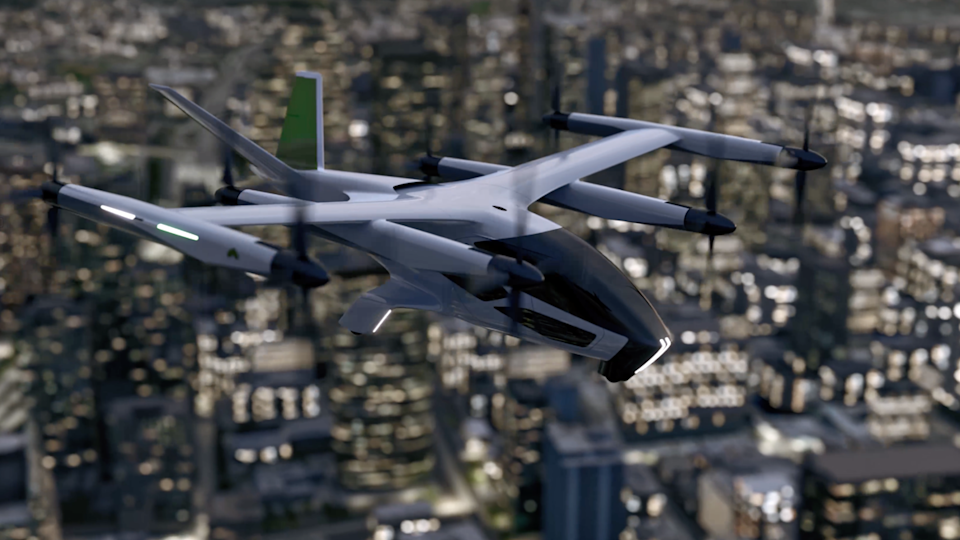



















Autoblog and Yahoo may earn commission from links in this article.Hyundai Strengthens Foundations for Building Flying CarsWhile Elon Musk continues teasing futuristic Tesla concepts that could one day take to the skies, Hyundai Motor Group is taking a more grounded approach by partnering with Korea Aerospace Industries to develop real Advanced Air Mobility aircraft. The two companies recently signed a Memorandum of Understanding focused on creating future flying vehicles powered by electrified aviation systems.The partnership combines Hyundai’s expertise in EV powertrains and mass production with KAI’s long history in aircraft engineering. Hyundai says its U.S.-based air mobility division, Supernal, will lead aircraft design and engineering, while KAI will handle airframe development. The collaboration will also cover supply chains, certification, and global customer networks as both companies push to commercialize electric flying vehicles. It is a far more serious and structured effort compared to the speculative concepts often associated with flying car discussions.Hyundai’s Flying Car Program Looked Dead Months Ago, Now It’s BackThe announcement is significant because it comes only months after reports surfaced that Supernal had reduced its workforce by roughly 80 percent. The drastic cuts raised questions about whether Hyundai was quietly backing away from its ambitious $1.7 billion flying car project amid slowing investor enthusiasm and uncertain timelines surrounding urban air mobility.AdvertisementAdvertisementInstead of abandoning the segment entirely, Hyundai appears to be recalibrating its strategy. Bringing KAI into the equation gives the automaker access to aerospace manufacturing experience that few car companies possess internally. Hyundai also recently appointed veteran rotorcraft expert Dr. Farhan Gandhi as Supernal’s new CTO, signaling that the company is still serious about developing vertical flight technology. The latest agreement suggests Hyundai may now be prioritizing long-term industrial partnerships over rapid expansion and hype-driven promises.HyundaiFlying Cars Sound Crazy Until You Realize They’re Already Taking OffFlying cars still sound like science fiction to many people, but the technology is inching closer to reality much faster than expected. Politicians in the United States have already started publicly discussing infrastructure preparation for airborne mobility systems. Florida Governor Ron DeSantis previously expressed interest in preparing the state for flying cars, showing that governments are at least beginning to acknowledge the possibility of urban air mobility becoming mainstream.At the same time, startups have already demonstrated functioning electric flying vehicles in public tests. That means the conversation has shifted from “if” to “when.” The biggest challenge now is not necessarily technology. It is regulation, safety certification, infrastructure, and public acceptance. Hyundai and KAI entering the race together could give South Korea a major advantage in the global air mobility sector. If successful, this partnership may eventually position Hyundai as more than just a carmaker. It could become one of the companies defining how people travel above traffic in the decades ahead.This story was originally published by Autoblog on May 12, 2026, where it first appeared in the News section. Add Autoblog as a Preferred Source by clicking here.