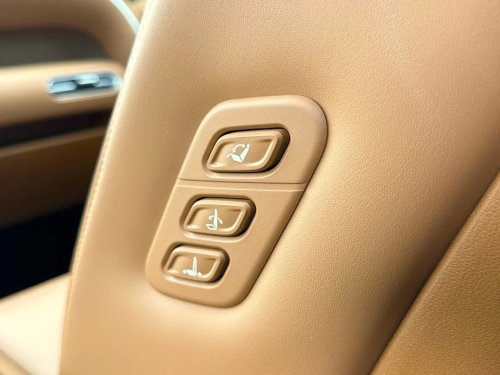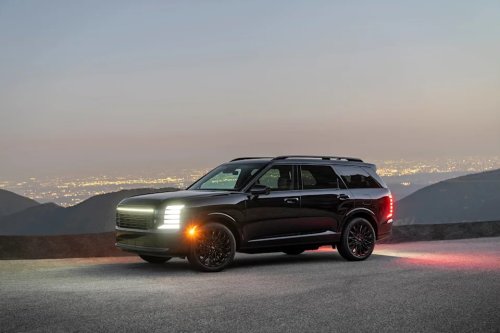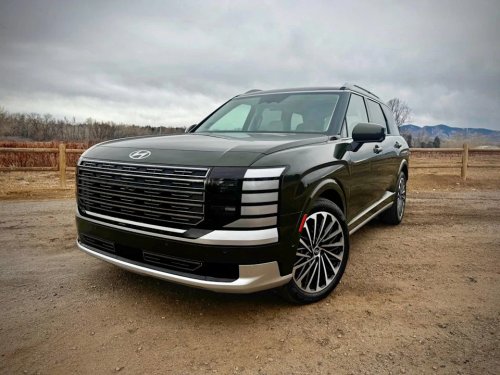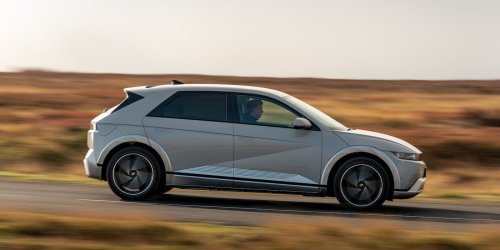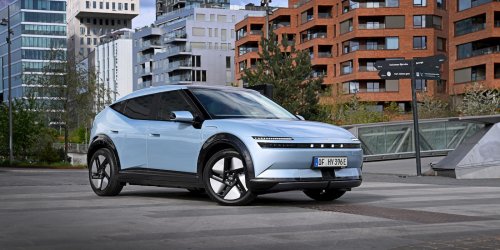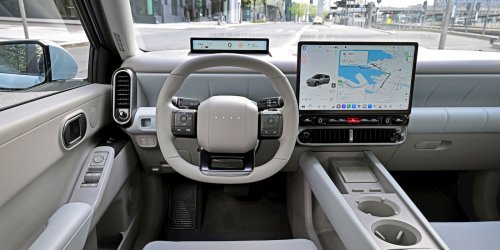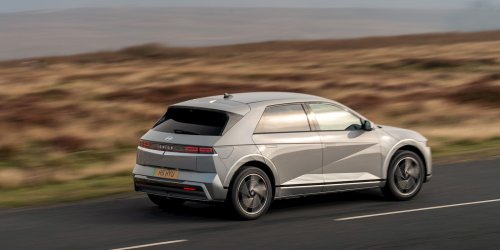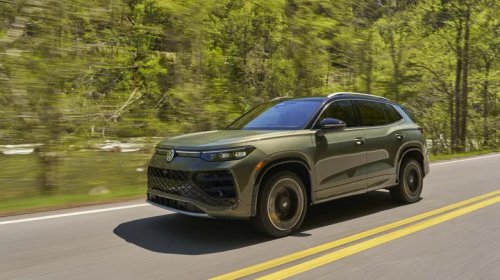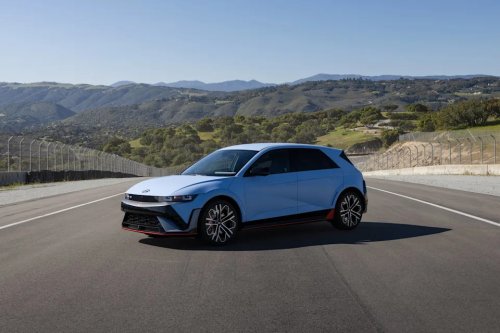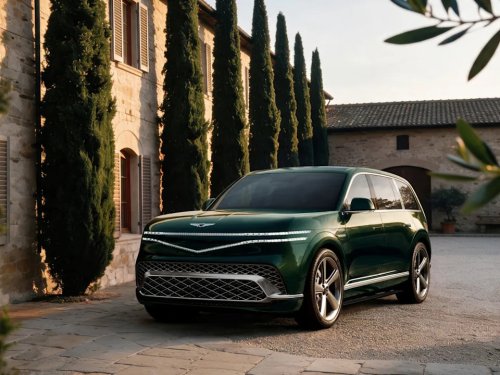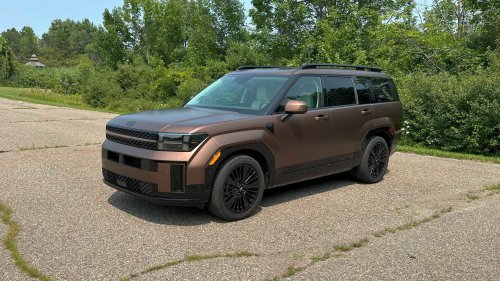
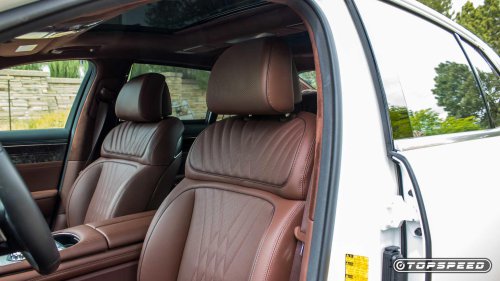

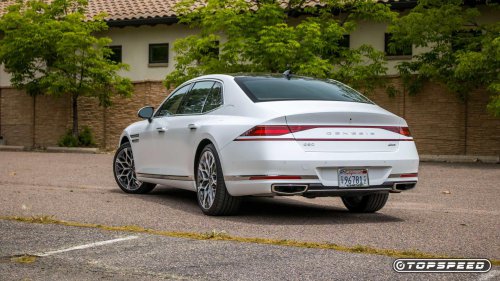



















Hyundai is under heavy scrutiny right now due to fatal accident, which resulted in the death of a two-year-old as well as a few non-fatal injuries. An issue with the power-folding rear seats having insufficient anti-pinch protection caused the company to recall approximately 68,500 2026 Palisade Limited and Calligraphy trims in North America (132,000 globally). Unfortunately, the Korean brand isn't out of the woods, as another recall just came down affecting a crucial safety feature. Seatbelt May Not Protect You In The Event Of An Accident Craig Cole | TopSpeed According to the NHTSA, 294,128 vehicles are being recalled due to the driver and front passenger seatbelt anchors coming detached. Models include 2023-2026 Genesis G90, 2023-2025 Hyundai Ioniq 6, 2024-2026 Hyundai Santa Fe, and 2024-2026 Santa Fe Hybrid models. The defect is due to a damaged snap-on anchor, which can cause the front seat belts to be insufficiently attached to the seat frame, and, in the event of an accident, may not properly secure the passenger. This is an obvious issue, as seatbelts are the one thing we expect to work, even if the rest of the vehicle, safety tech and all, go belly-up. Investigation Shows Hyundai Isn't To Blame Chase Bierenkoven | TopSpeed The investigation that ensued after the initial Consumer Affairs case regarding the defect condition on a 2025 Hyundai Santa Fe showed NHTSA having a hard time replicating the conditions and outcome reported. Through months of visiting manufacturing sites, inspecting quality control, manufacturing protocol, installation processes, and conducting replication testing using vehicles purchased at local auctions, NHTSA concluded that the damage to the seatbelt assembly that led to the reported failures did not involve Hyundai, but rather prior seat repair and improper removal in service.Hyundai While some might argue that if it were damaged during servicing, Hyundai could be to blame since a Hyundai tech could have damaged the seat. Though many buyers don't always return to the dealership for servicing, especially if they buy second-hand. Also, the investigation states that it found no issues with the in-plant repair processes of the affected part.Chase Bierenkoven | TopSpeed With no foul play detected at Hyundai during the investigation, it was determined that it was due to outside interaction with the affected seatbelt assembly. The seatbelt assembly in question is rather hard to access, and it is also in a fixed position, which, when paired with the investigation's conclusion that "forceful removal" was the cause of the anchor's damage, helps us get a better understanding of what could have happened. Picture your local mechanic, vehicle modification service, or auction house trying to yank out the seats to run/remove speaker wiring or reupholster the seats. The Remedy Is Pretty Straightforward Craig Cole | TopSpeed There's a good chance your vehicle won't be affected by this defect, especially if it's new, un-modified, and Hyundai-serviced only. Still, Hyundai isn't taking any chances and has put forth a remedy program that sees owners bringing their vehicles into their local Hyundai or Genesis dealership, where licensed techs will install a reinforcement remedy to ensure that your seatbelts work as intended. If needed, your entire assembly will be replaced with new equipment, as well as reinforcement, to keep you safe down the line. This remedy, of course, comes at no cost to the owners.