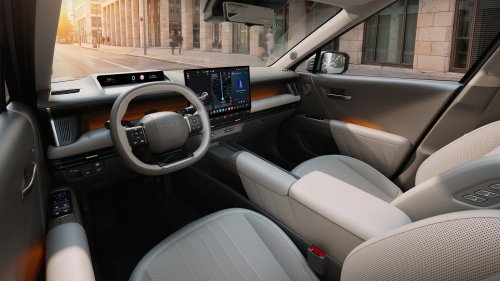
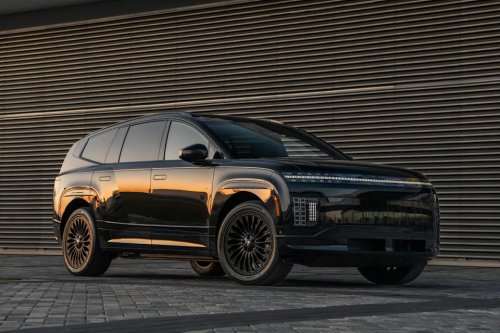
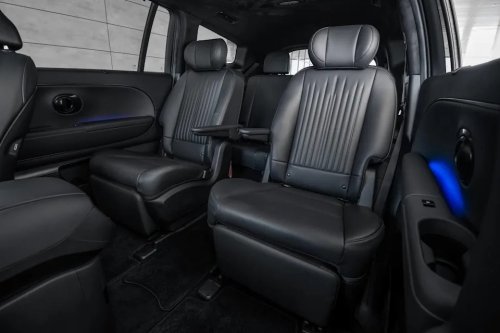
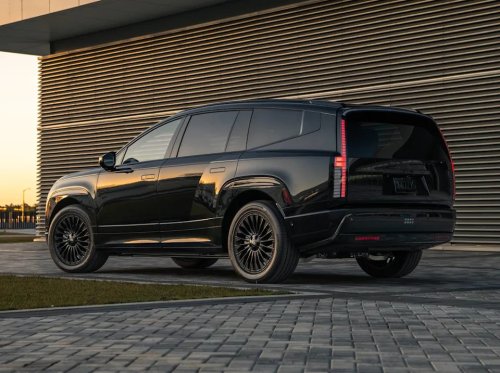
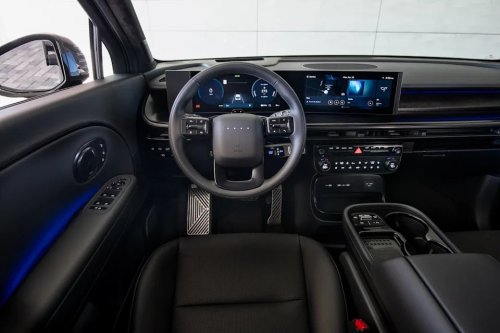
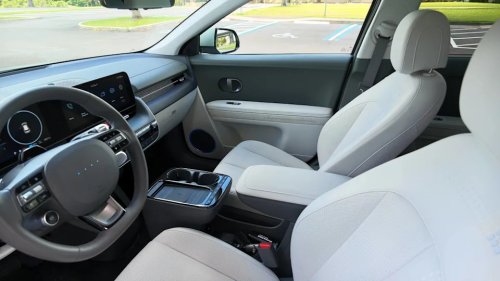
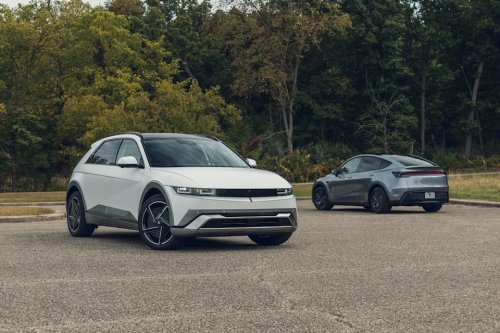
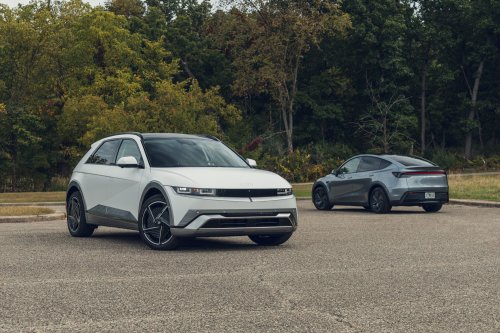
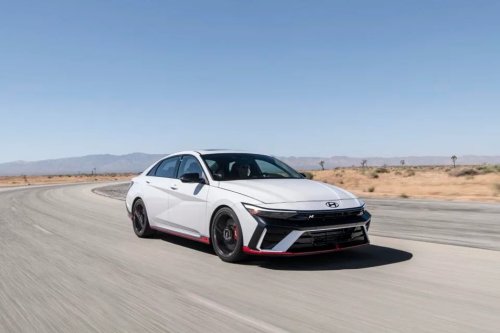
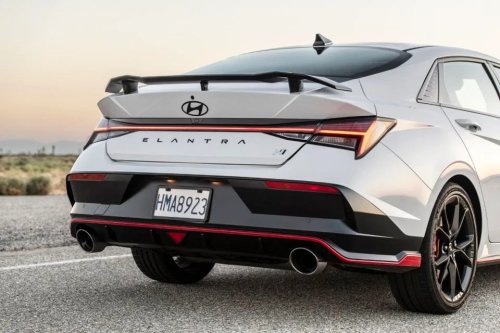
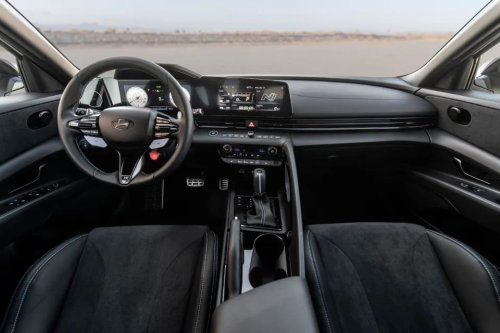
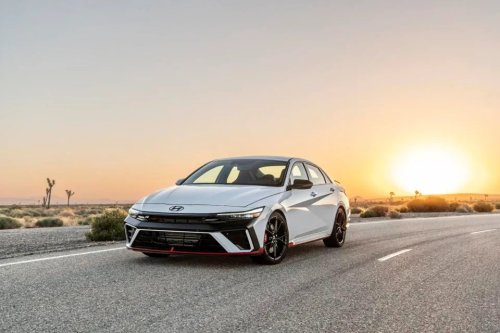
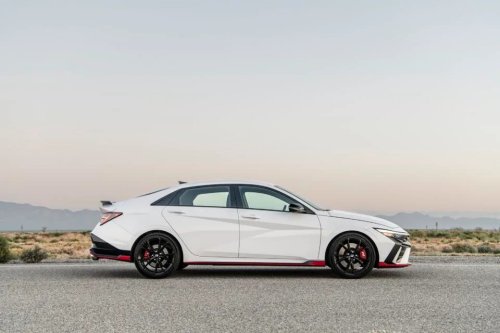
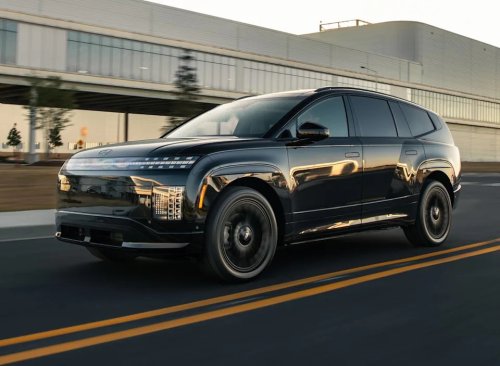
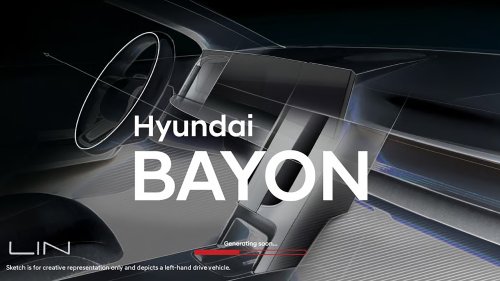
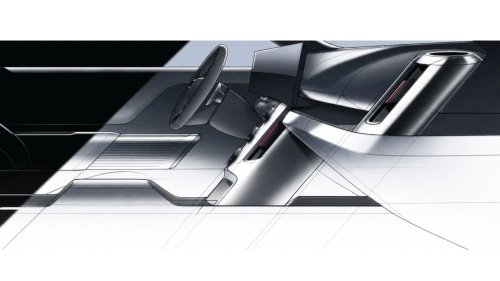
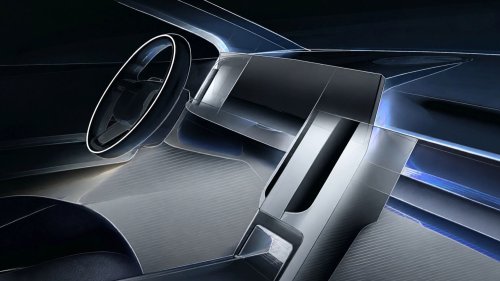
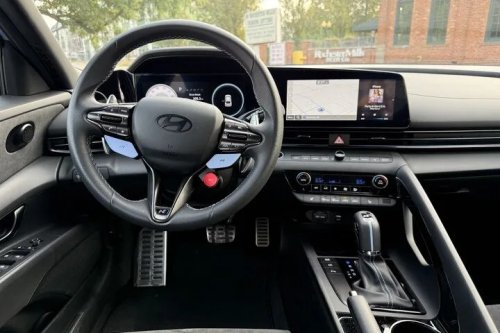
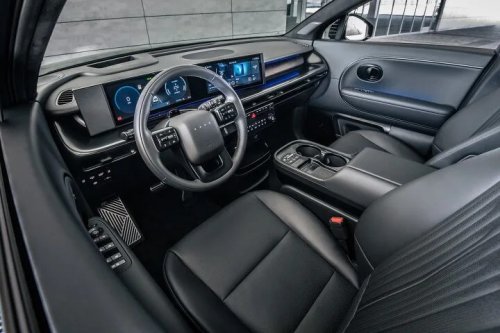
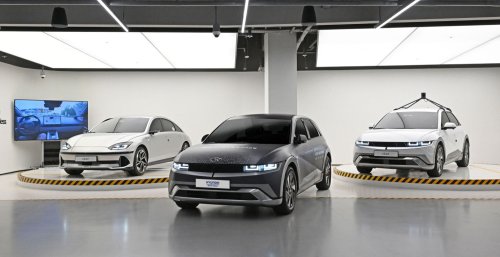
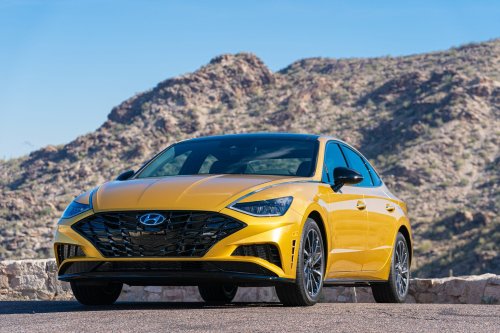
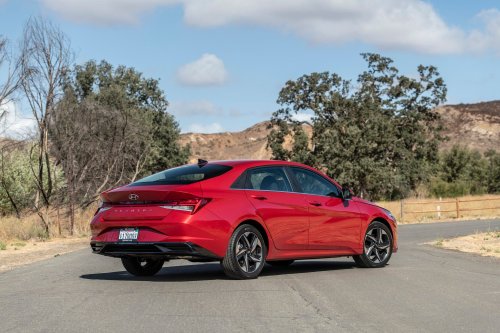
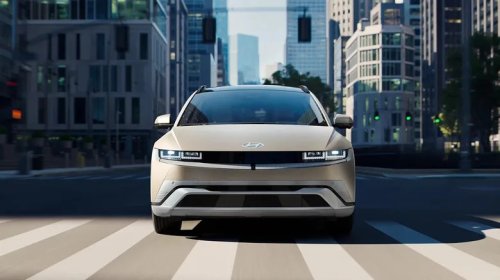
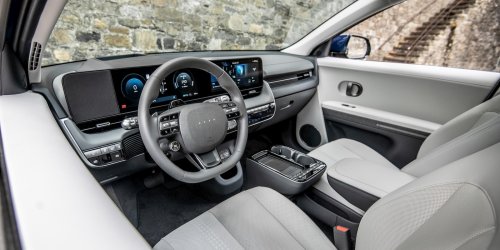
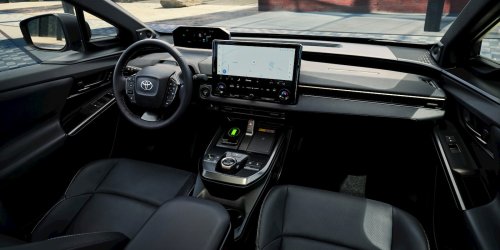
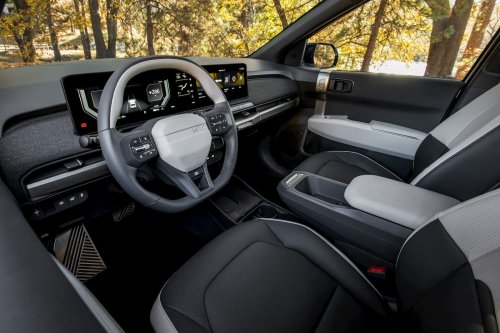
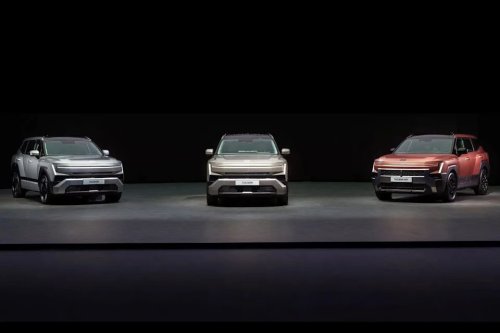
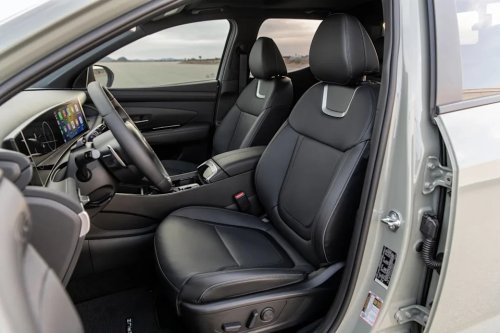
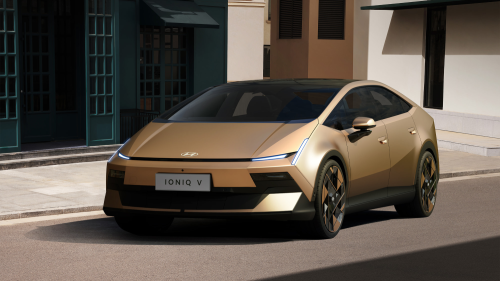
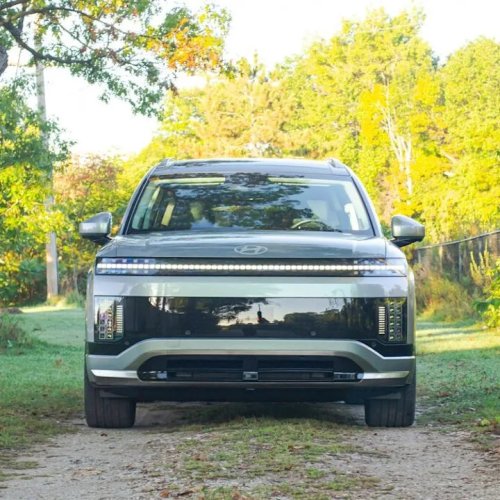
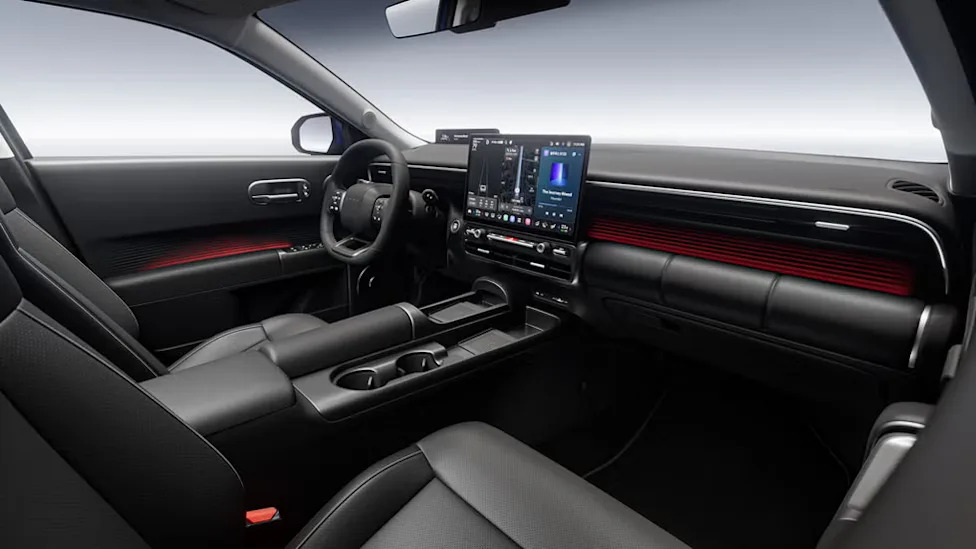
Hyundai Makes Instrument Gauges an Option on Some New ModelsHyundai is taking a page out of the tech industry playbook, turning a feature traditionally considered standard equipment into a paid upgrade.On entry-level versions of the newly updated Elantra (sold as the Avante in South Korea) and the new all-electric Ioniq 3, a dedicated driver-facing instrument cluster is no longer included in the base purchase price. Both models feature Hyundai Motor Group's next-generation Pleos Connect infotainment architecture, which shifts primary vehicle telemetry to a large central touchscreen.hyundai makes instrument gauges an option on some new modelsPay-to-View Speedometer PricingIn Hyundai's domestic South Korean market, buyers of the base trim Avante can add the slim 9.9-inch driver display for an extra 350,000 won (approximately $255 USD).AdvertisementAdvertisementThe pricing structure is far steeper for buyers interested in the entry-level Ioniq 3 EV. On the electric hatchback, the standalone 9.9-inch driver display is omitted from the option list entirely on the base model. Instead, buyers who want a dedicated screen directly in their line of sight must step up to the next trim level, which adds roughly $5,000 to the total vehicle price.Without the secondary screen equipped, core driving telemetry-including speedometer readouts, gear selection, and critical system warning lights-is displayed along the side edge of the main central touchscreen, mirroring the minimalist layout popularized by Tesla's Model 3 and Model Y.hyundai makes instrument gauges an option on some new modelsGlobal Rollout and US Market ImplicationsThe Pleos Connect platform represents a major piece of Hyundai Motor Group's push toward software-defined vehicles. Built on an Android Automotive OS framework, the architecture integrates a central touchscreen interface with third-party app access, over-the-air software update capabilities, and Hyundai's proprietary "Gleo AI" voice assistant.Hyundai Motor Group plans to deploy the Pleos Connect interface across roughly 20 million Hyundai, Kia, and Genesis vehicles globally by 2030.AdvertisementAdvertisementCurrent Hyundai, Kia, and Genesis models sold in North America do not currently feature the Pleos Connect system, leaving gauge clusters intact as standard fare across all trim levels. However, as the software platform spreads across global manufacturing plants, American buyers may soon face a similar choice at the dealership: adapt to a single central display or pay extra to keep gauges behind the steering wheel.Become an AutoGuide insider. Get the latest from the automotive world first by subscribing to our newsletterhere.



















 +54 others