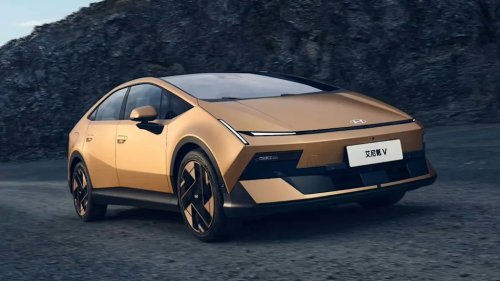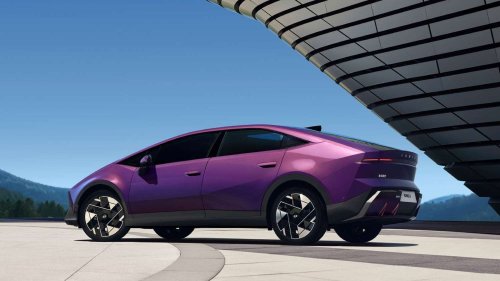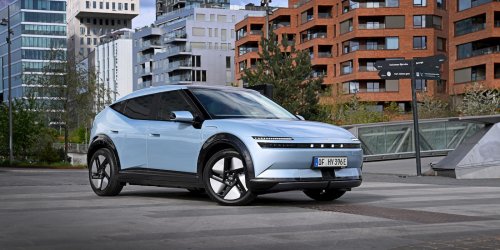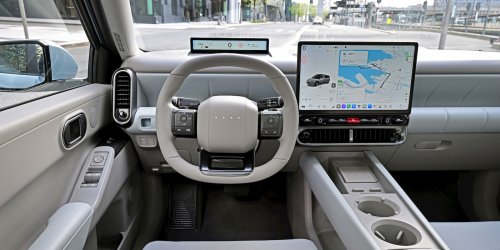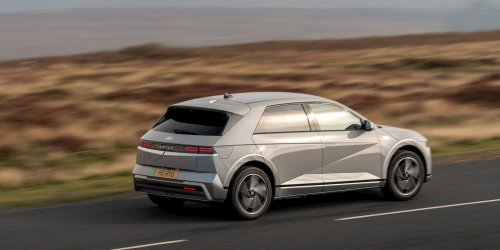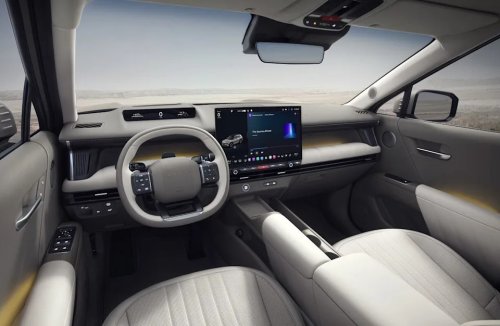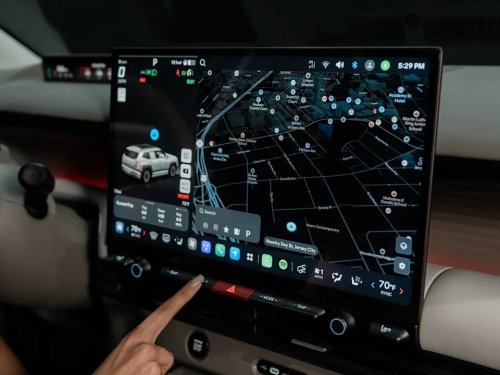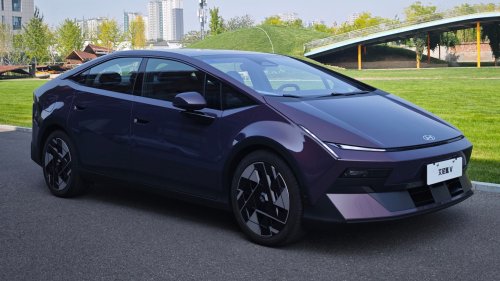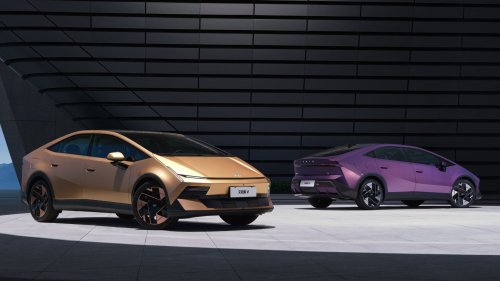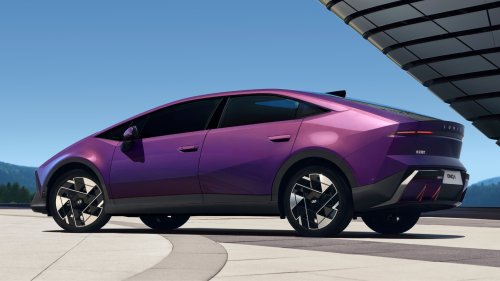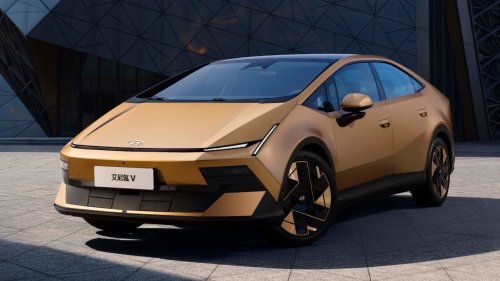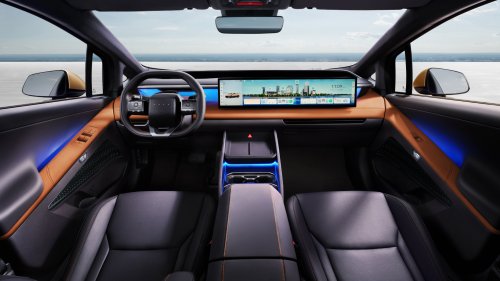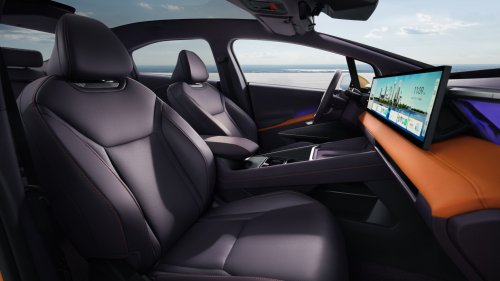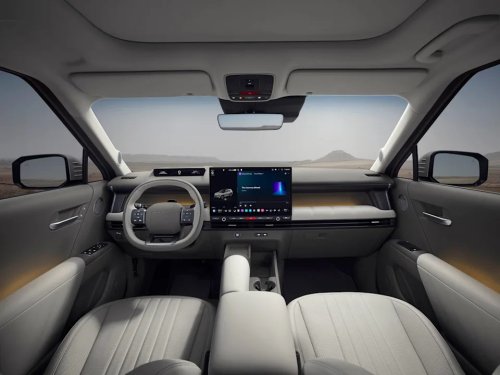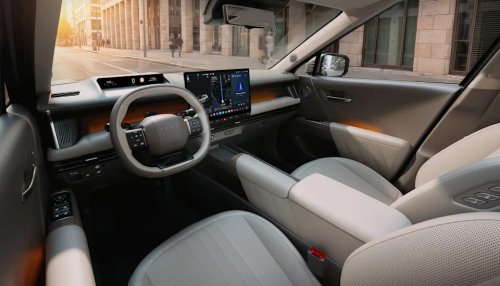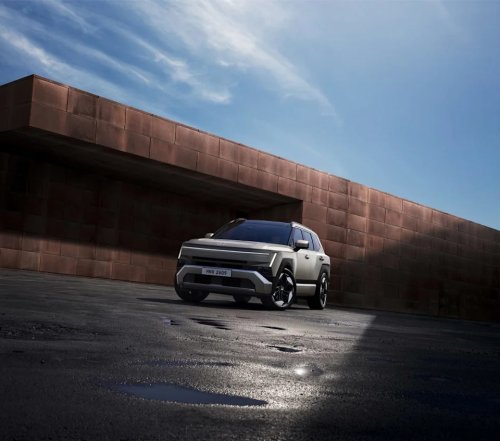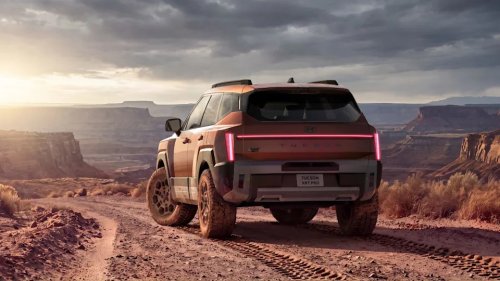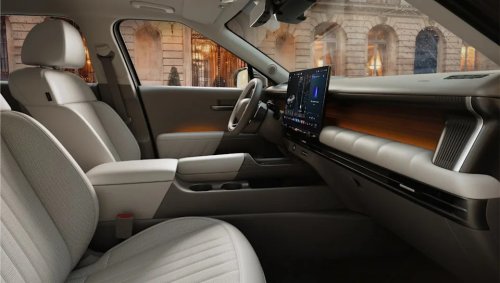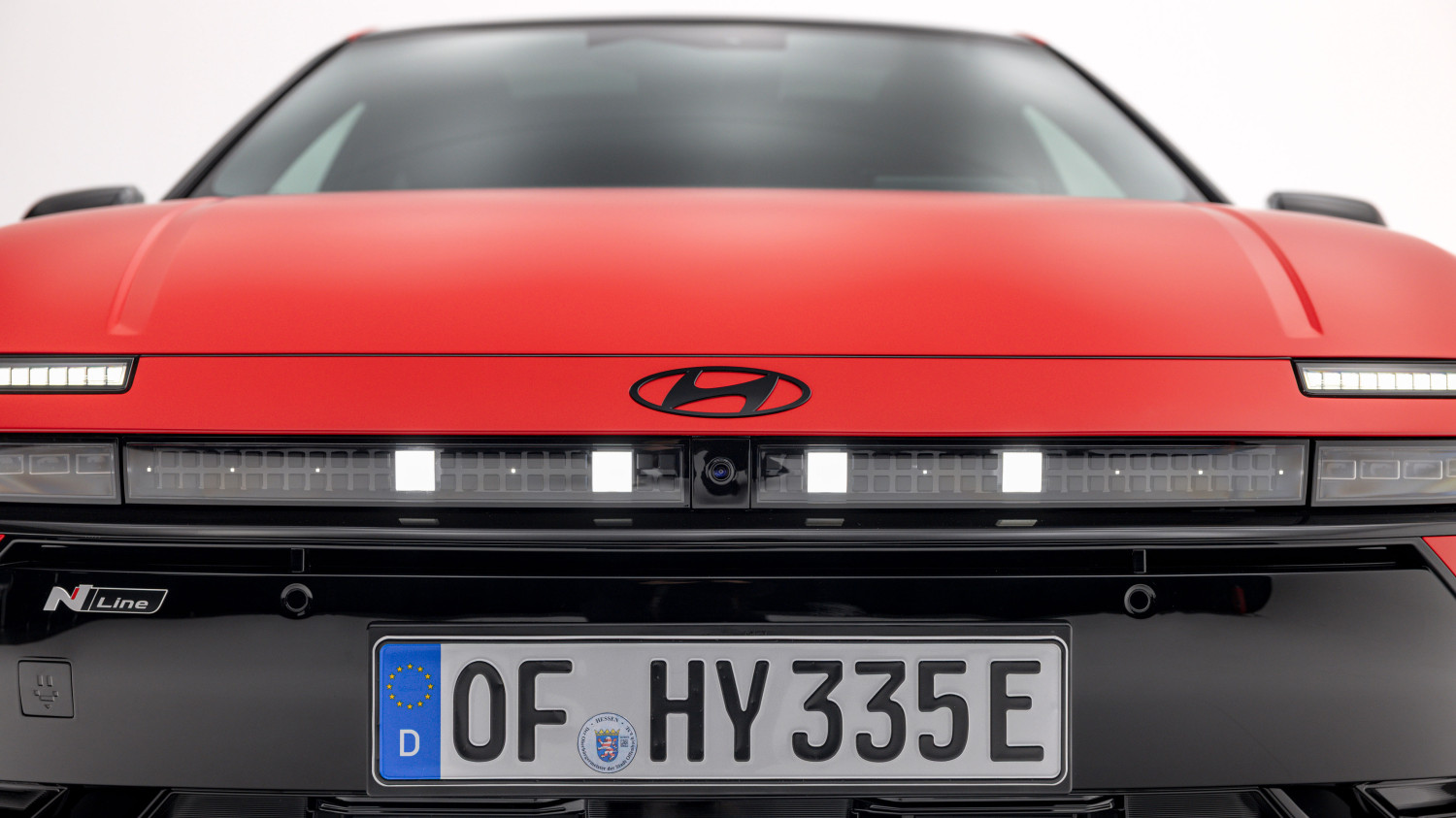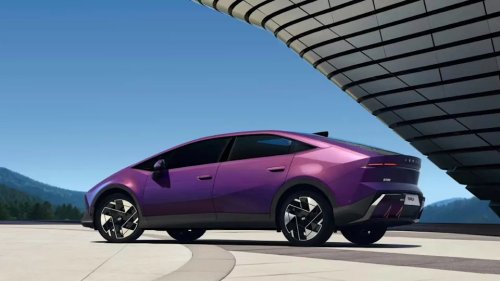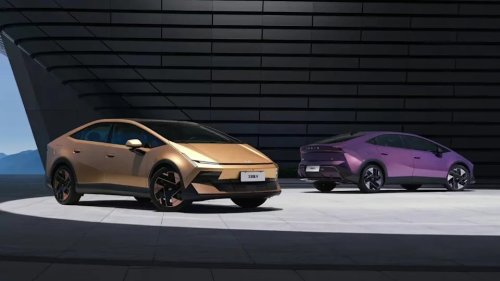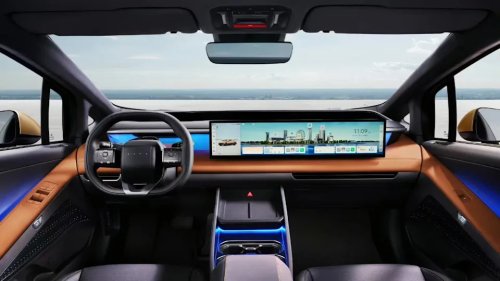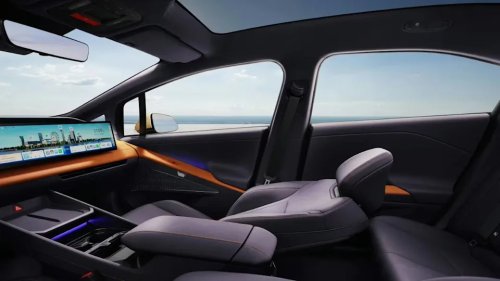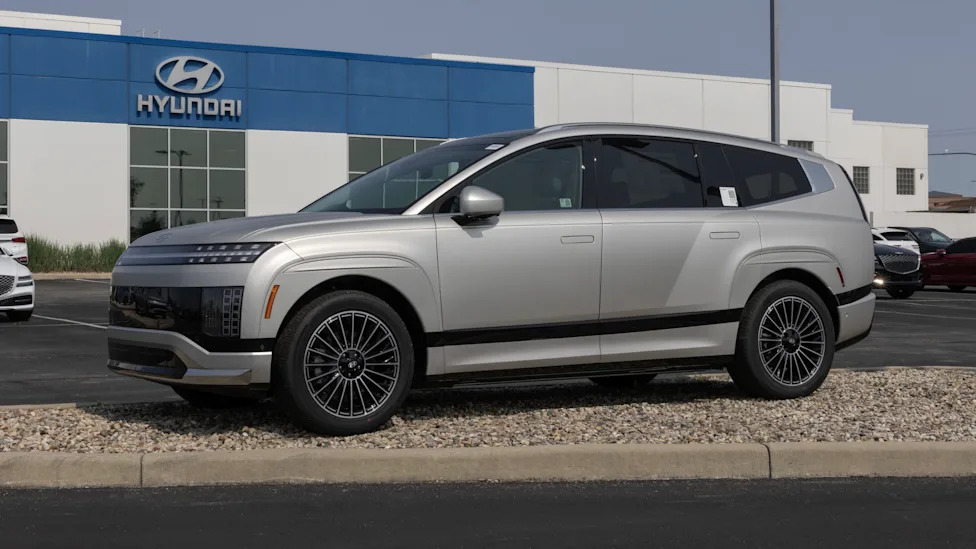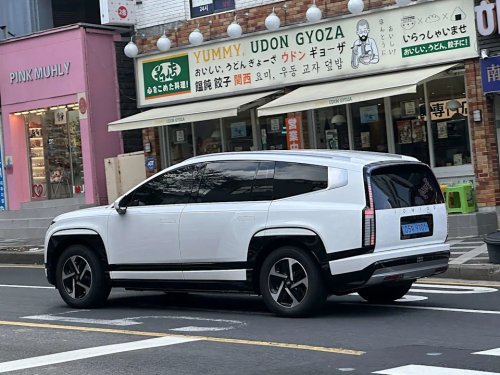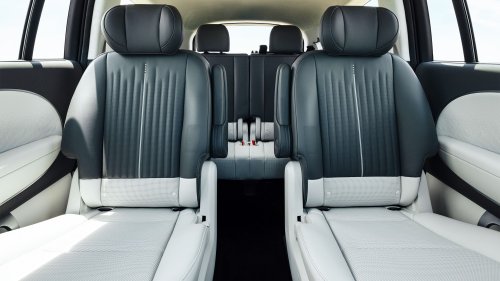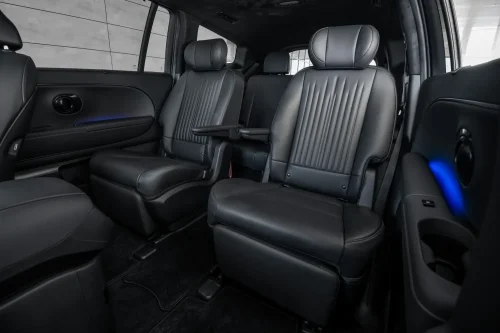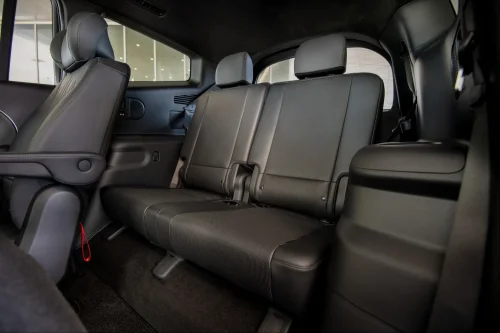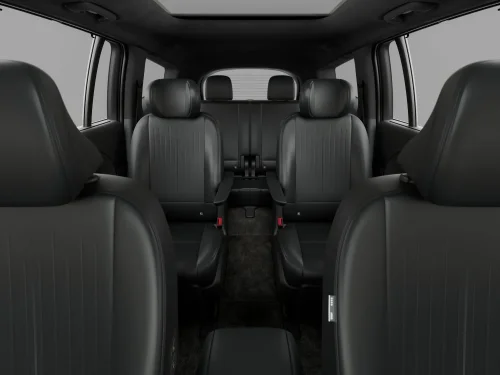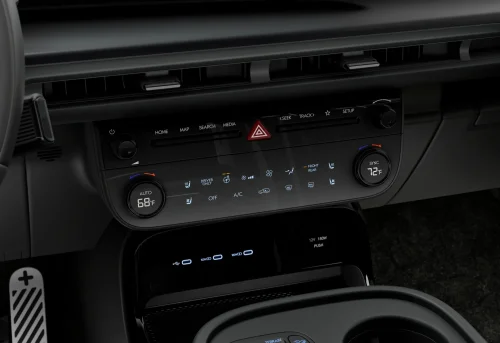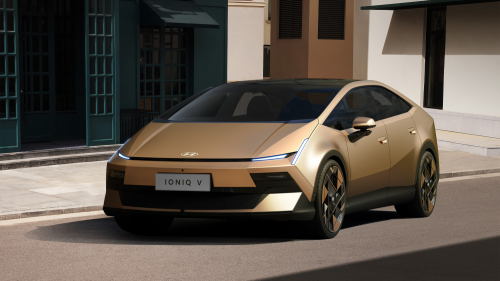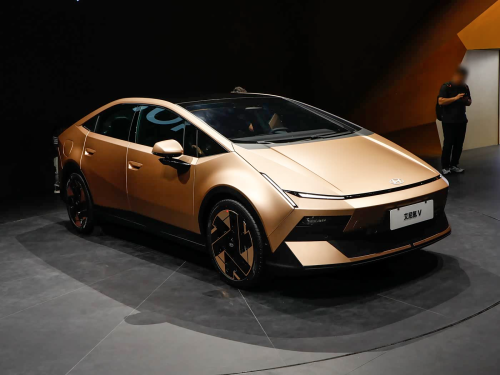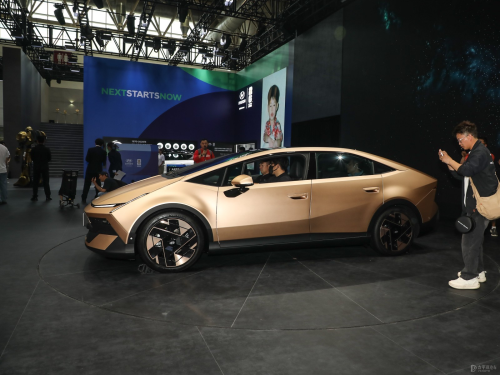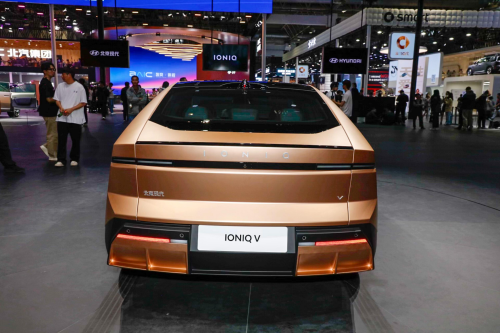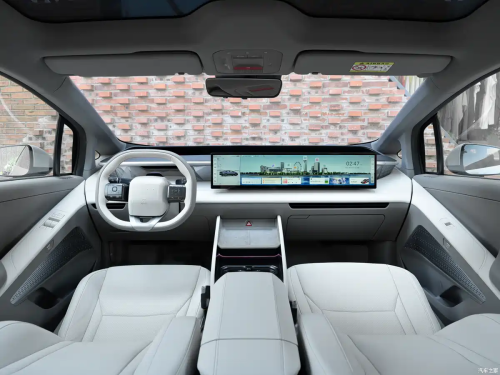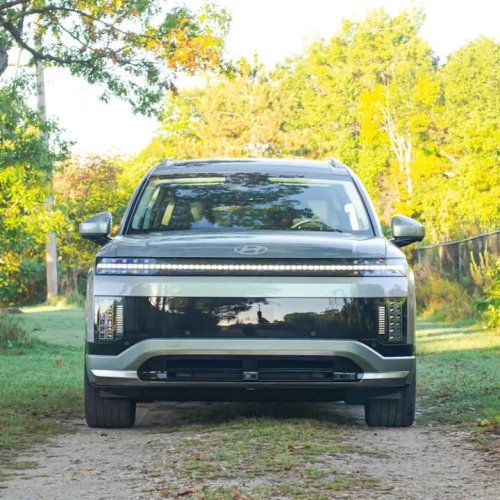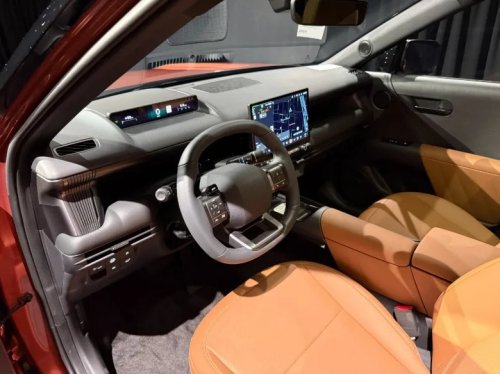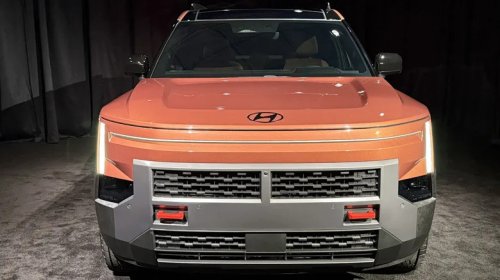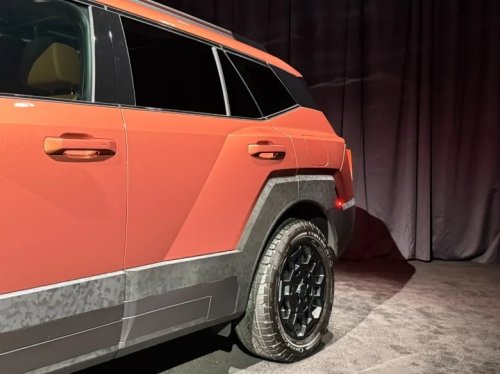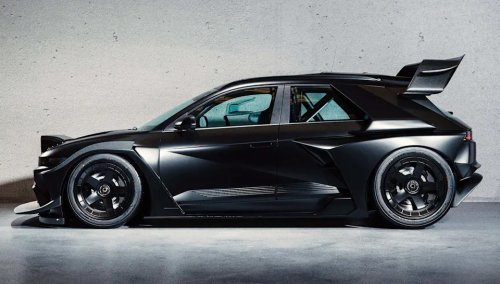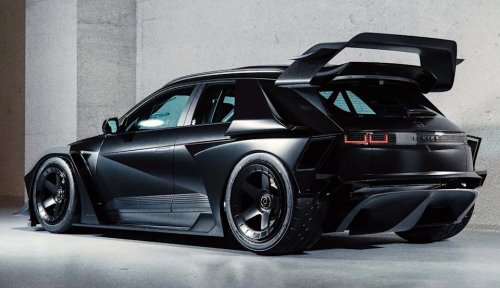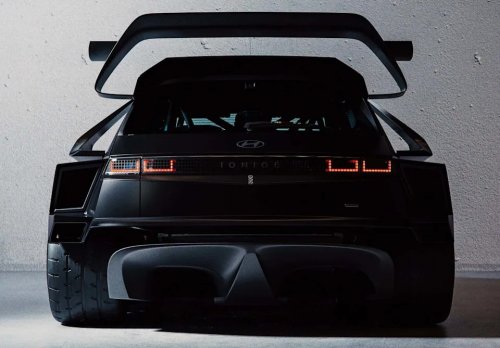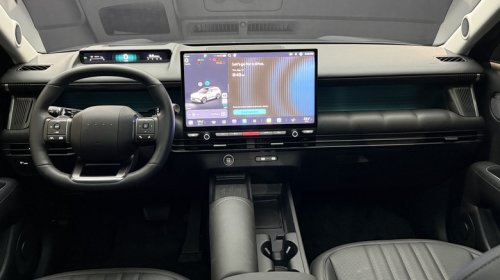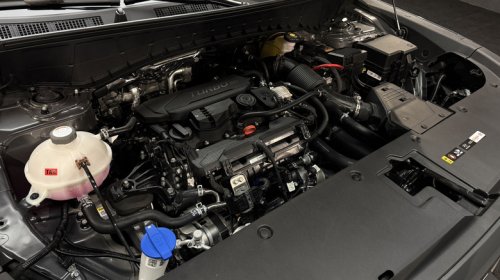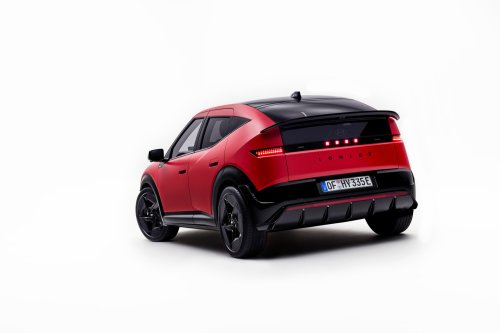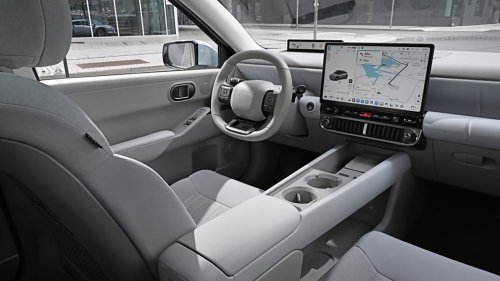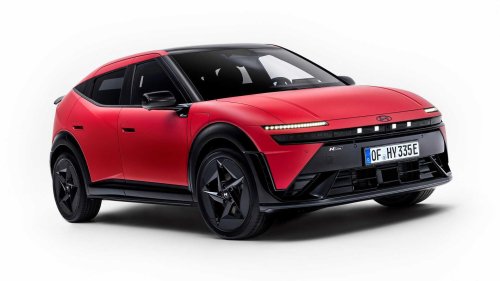
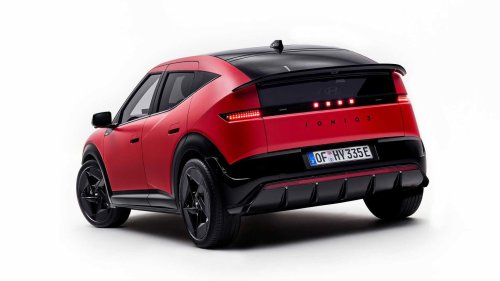
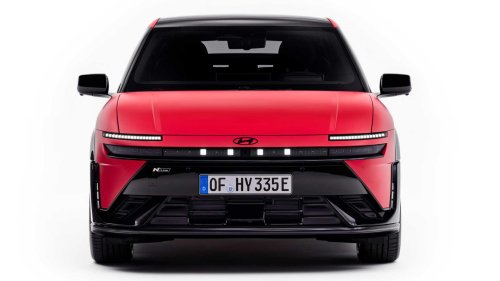



















Hyundai's Ioniq electric car range has its roots in a humble little Prius competitor by the same name. Like Kia's Niro, it was available in hybrid and electric forms. The name then became the root for Hyundai's larger, more powerful, more stylish, and longer-range EVs. They've all eclipsed the original compact so completely that it almost seems forgotten a few years after its discontinuation. Its absence, though, has meant that Hyundai has had an opening for an entry-level Ioniq, which will now be filled by the Concept Three-inspired Ioniq 3.Hyundai The Styling Is Compromised So That Space Isn't Hyundai's Concept Three promised a low, sporty fastback with fat fenders, and the proportions of a fun little two-door, even if it had four. It looked like the third coming of the Veloster. The production Ioniq 3 certainly features cues from that concept, but the end result looks quite different. It's the result of applying the concept's looks to a tall, practical, four-door hatchback shape. The fenders are no longer so pronounced, the roof is much higher, and the nose is taller, more blunt, and shorter in length. The clearest indicator of the added height is the extra CR-X-style glass panel in the rear hatch for visibility.Hyundai Still, as we said, elements from the concept made it to production. It has the concept's curving hood and windows that have a wraparound appearance. The roofline declines fairly dramatically, and the windowsill rises even more so toward the back. The short tail has a little ducktail spoiler. You'll also find four illuminated pixels at the front and rear, which represent "H" in Morse code dots. It's fairly aerodynamic, too, with a coefficient of drag of 0.263, right on par with the Nissan Leaf. As for size, the Ioniq 3 comes in at 163.6 inches long, nearly 6 inches shorter than the Kia EV3.The Ioniq 3's interior is an even bigger departure from the concept, but that's not necessarily a bad thing. The dash is horizontal and rounded, and the indentations give it a chunky, slightly cushioned look, and the lower section forms a bit of a shelf. Pill-shaped air vents and door handles mirror the dash design, as does the squared-off steering wheel. In front of the driver is a low, wide display, effectively eliminating the need for any head-up display. In the center is an enormous touchscreen (either 12.9 or 14.6 inches in size) with a line of physical switches underneath for sound and climate. Also, while the taller shape isn't as cool-looking, it should provide much better rear seat and cargo space.Hyundai It's Not Especially Quick Hyundai is equipping the Ioniq 3 with just a single front motor in two different outputs. The base version with the smaller battery makes 133 horsepower, and the motor with the long-range battery makes 145 horsepower. Both have the same torque of 184 pound-feet. Despite less power, the standard-range is quicker to 62 mph with a time of 9 seconds to the long-range version's 9.6.Speaking of range, the smaller battery pack has a capacity of 42.2 kW and 214 miles of range, and the larger pack has 61 kWh of capacity with 308 miles of range. These are, of course, estimates based on the WLTP test, which typically results in much higher numbers than the EPA test. The 400-volt packs support DC fast charging, and Hyundai estimates such charging will get the Ioniq 3 from 10% to 80% in 29 minutes. It Might Not Come Here Hyundai will start building the Ioniq 3 at its new plant in Turkey this year, with sales surely coming soon after. No pricing has been announced, nor have any plans for offering it in the U.S. With that said, the company is open to the possibility. Here's a statement from the company that a representative provided."Hyundai Motor America currently ahs no plans to offer the Ioniq 3. More broadly, we continually evaluate market trends and customer demand as part of our long-term product-planning strategy. We remain focused on developing and delivering vehicles that meet the needs of U.S. consumers. Should we have any news regarding future products or lineup expansion, we will share it through our official channels."-Hyundai If Hyundai offered it here, it would likely make for a decent replacement for the Kona Electric. It would, however, likely have to be priced below the Kia EV3, which offers better power and range. For an imported EV in today's tariff-laden economy, that might be tough.Hyundai Ioniq 3 front