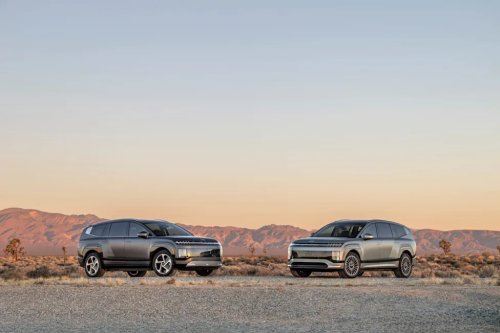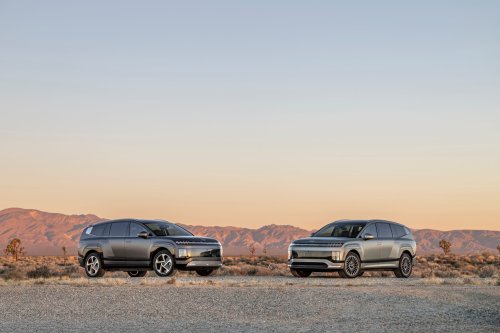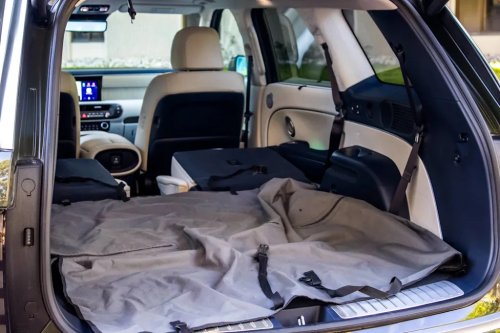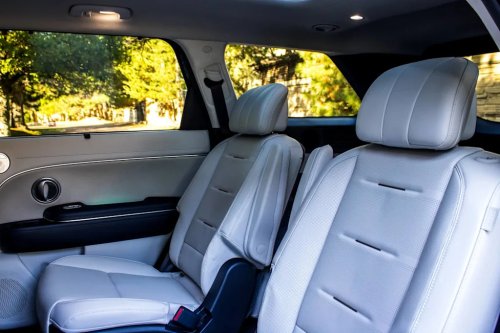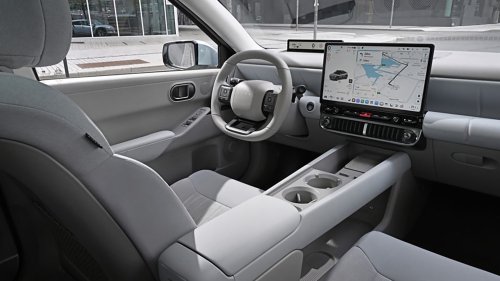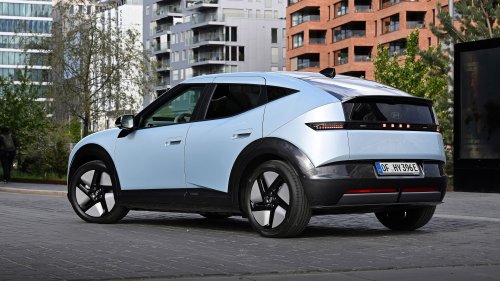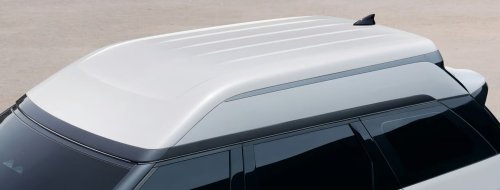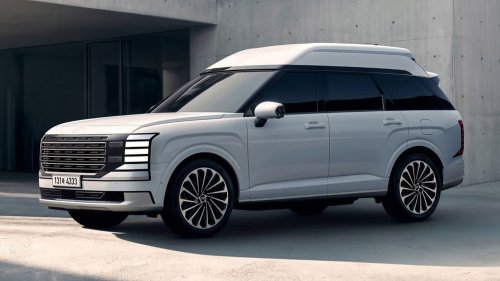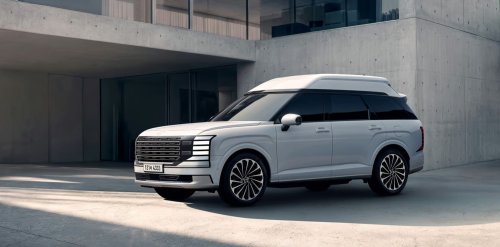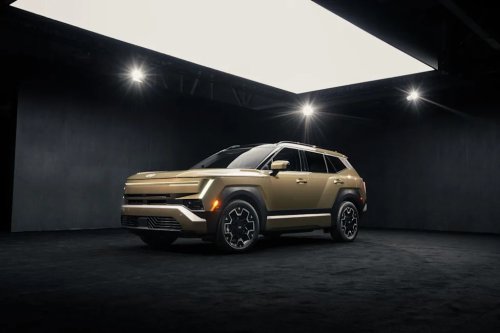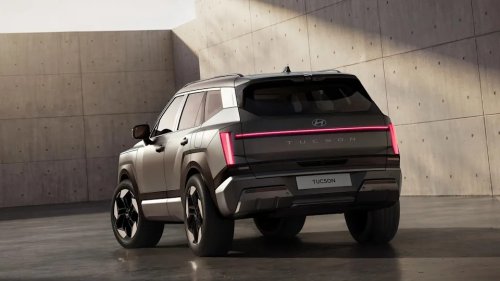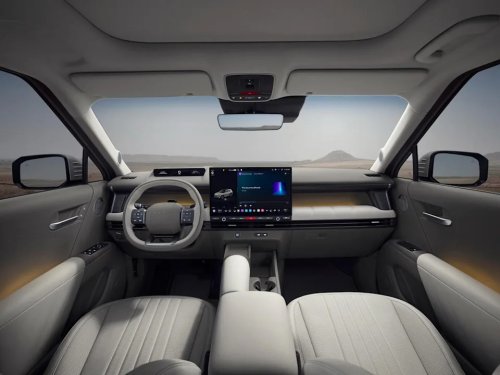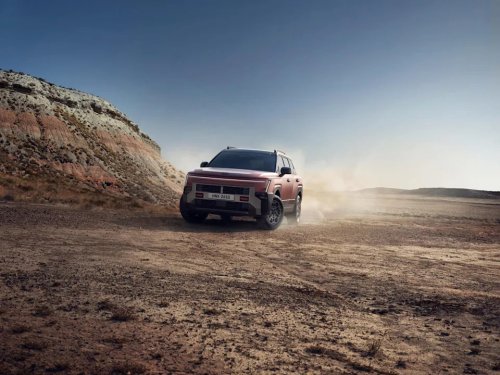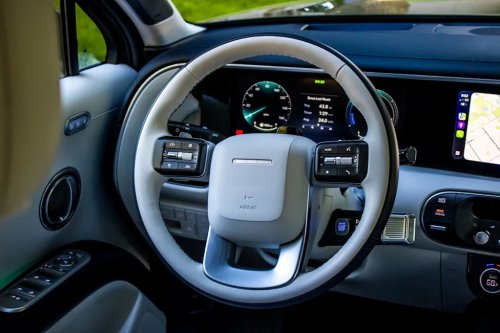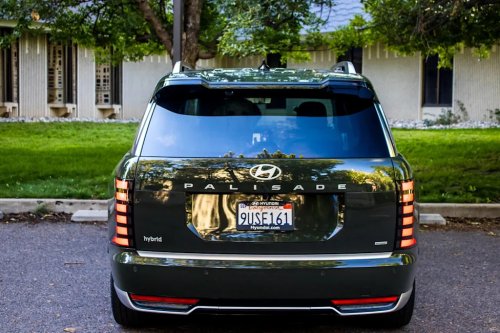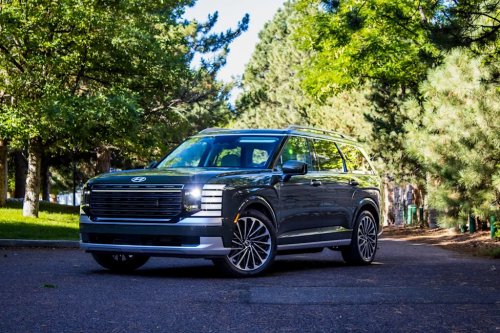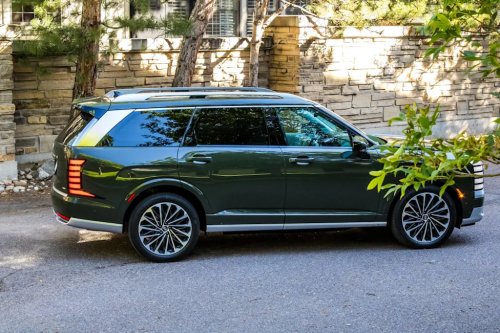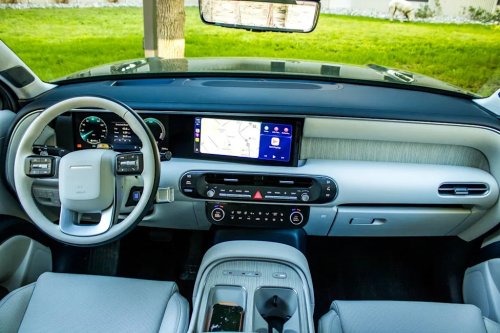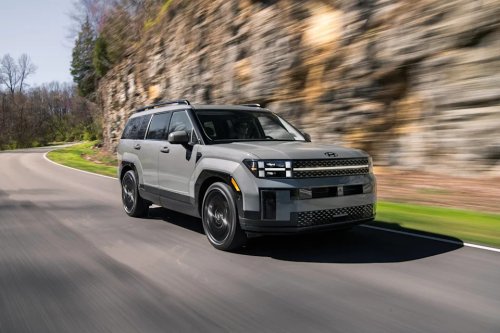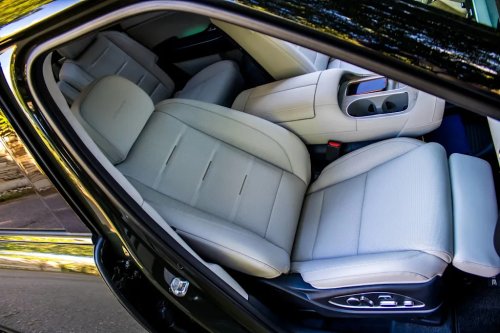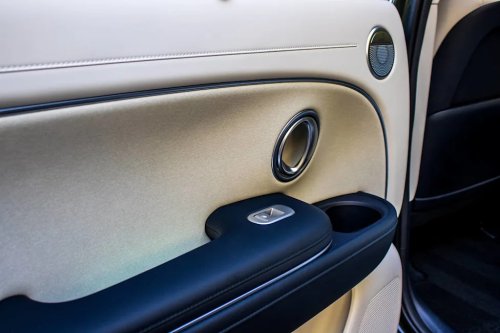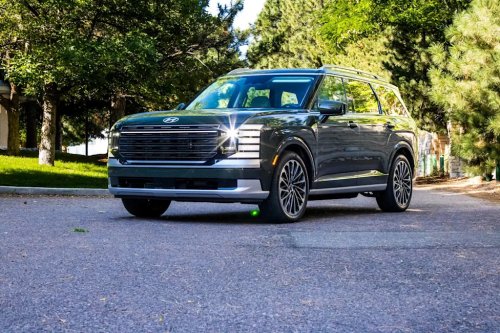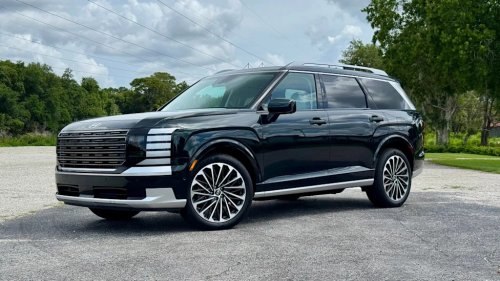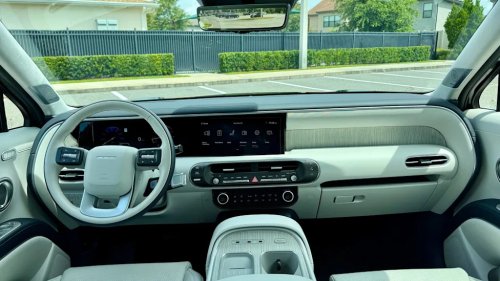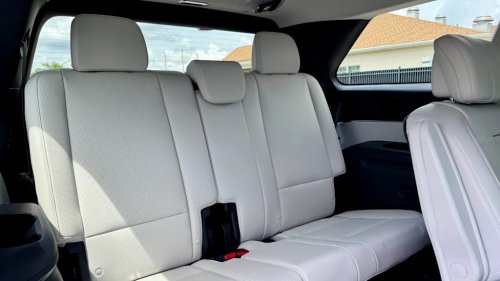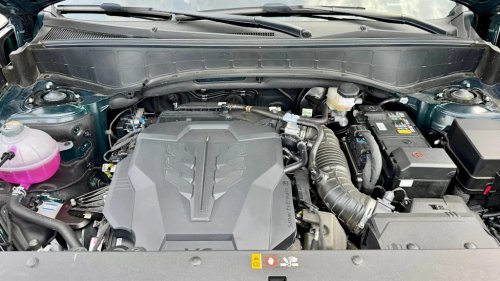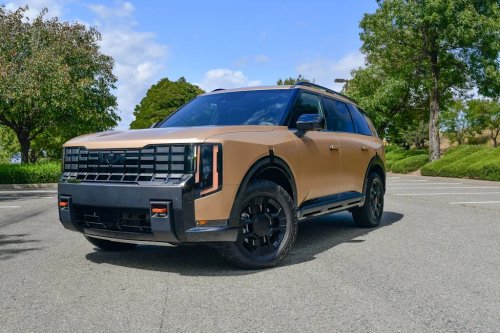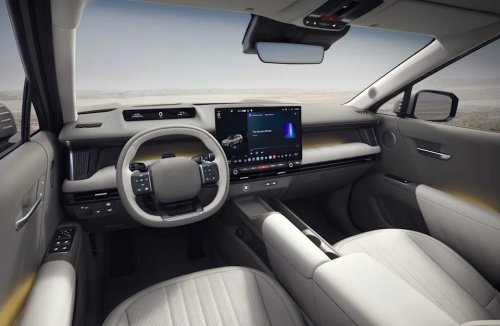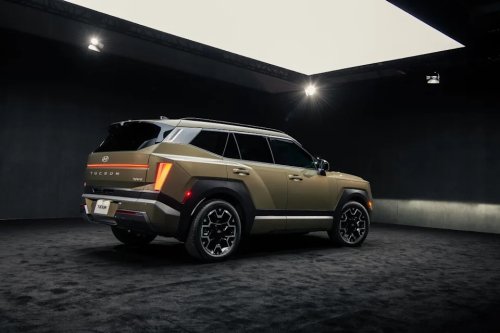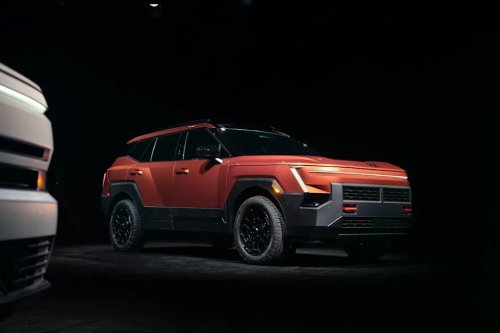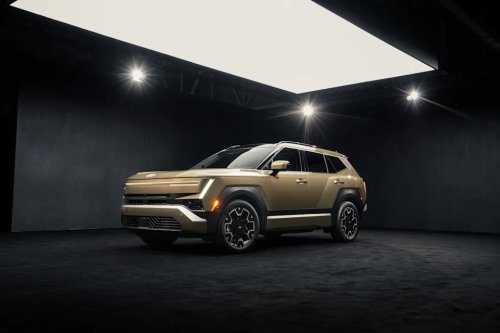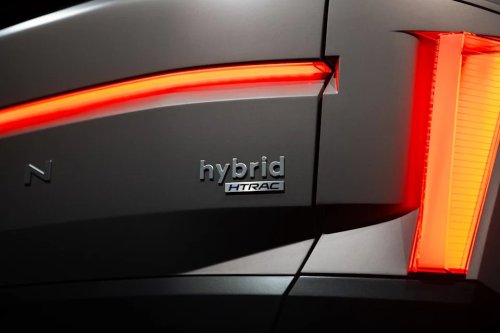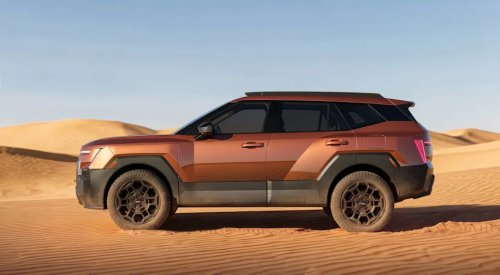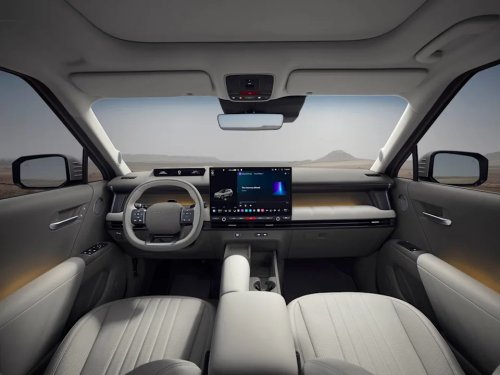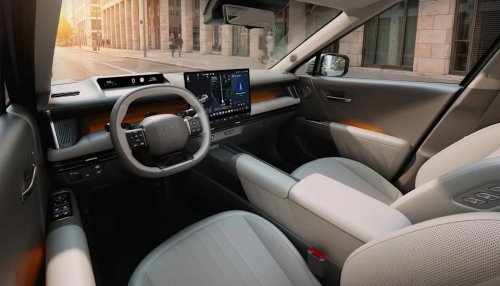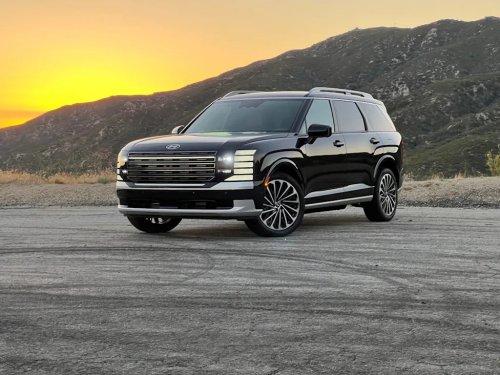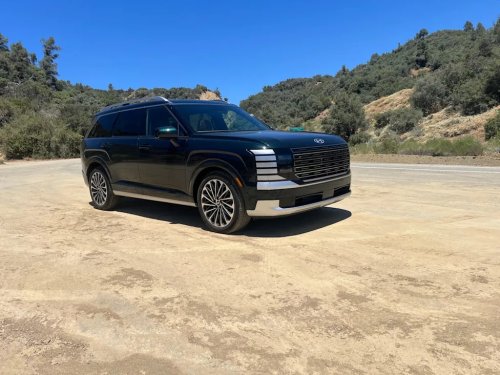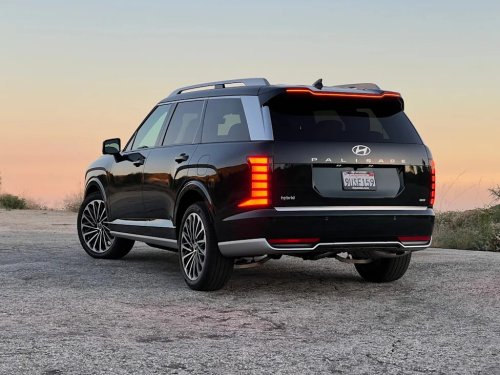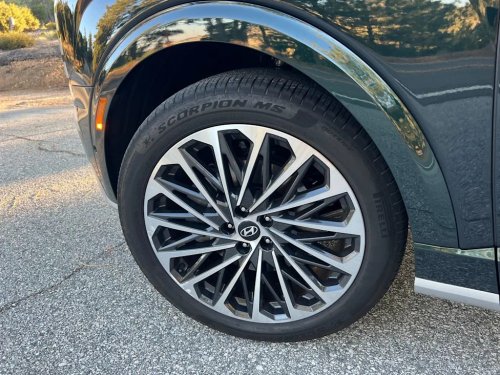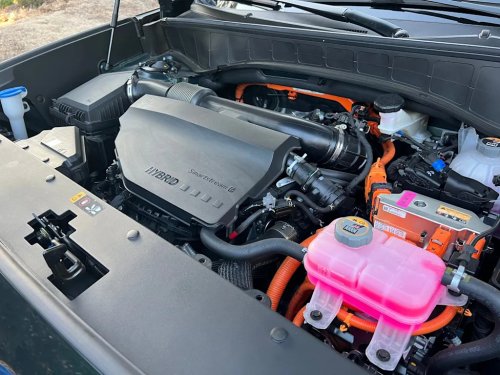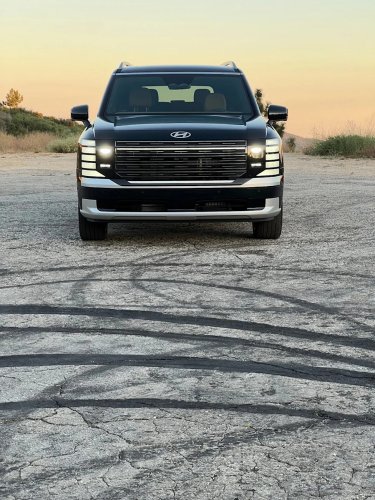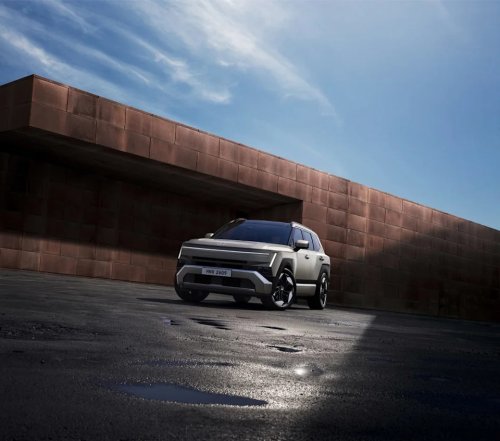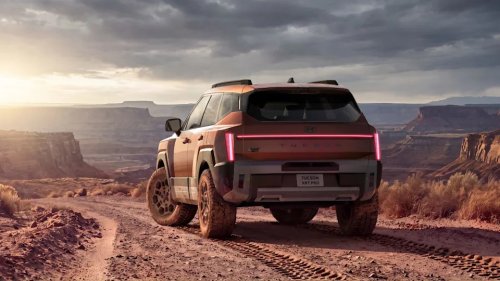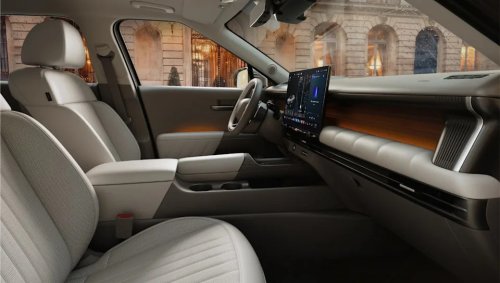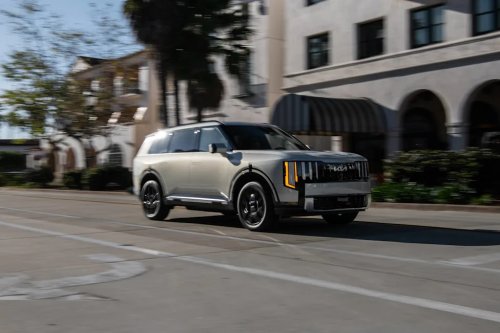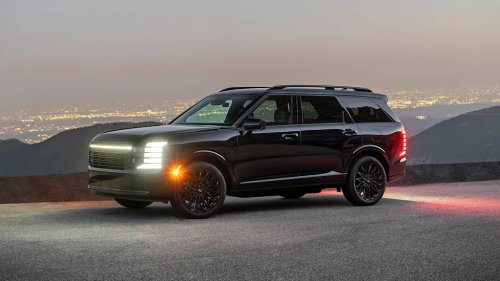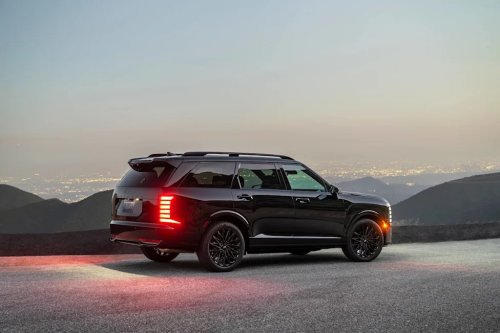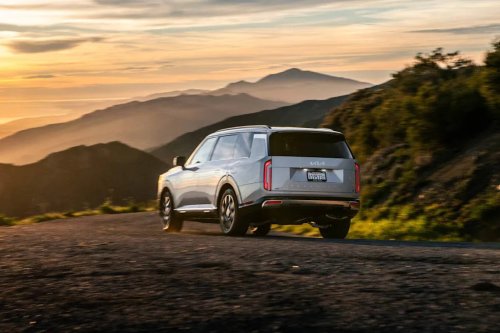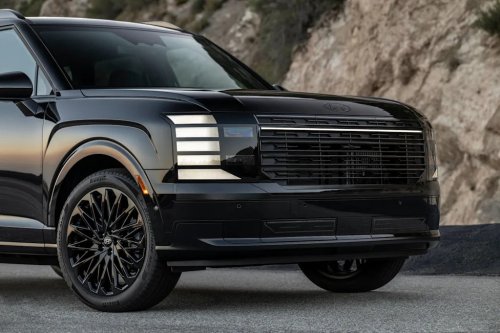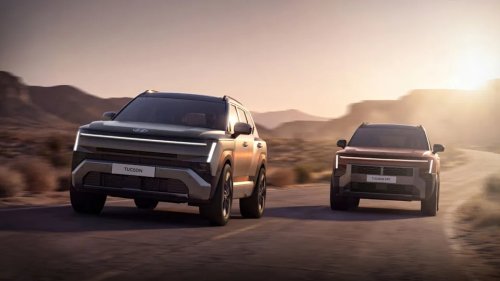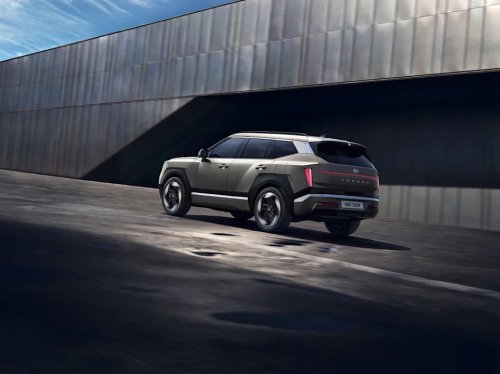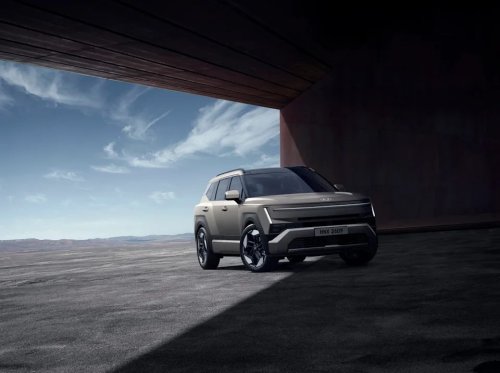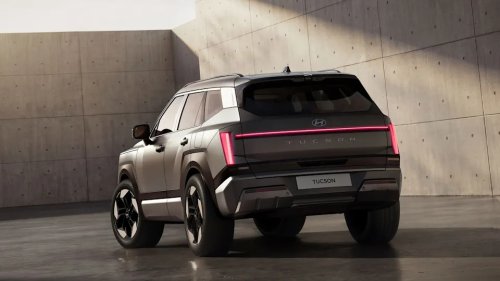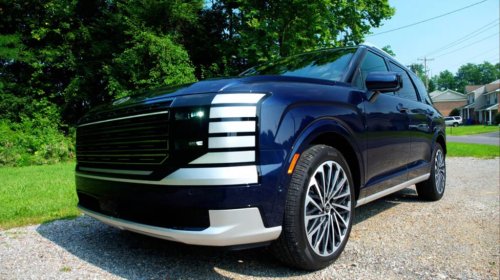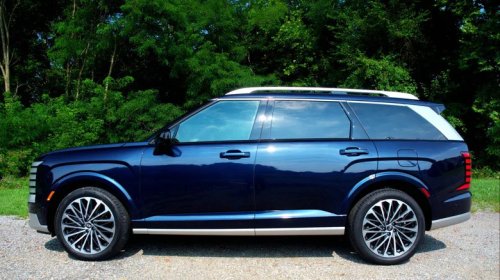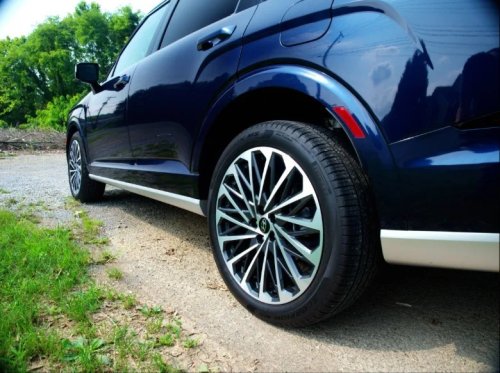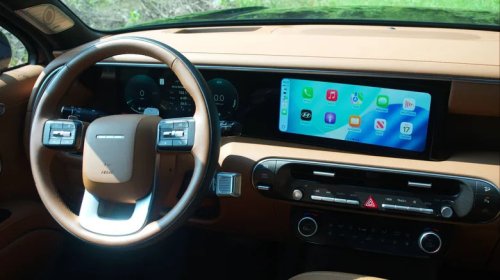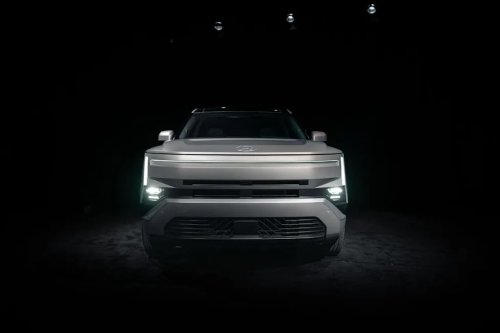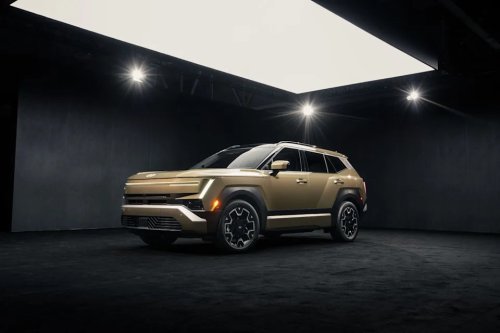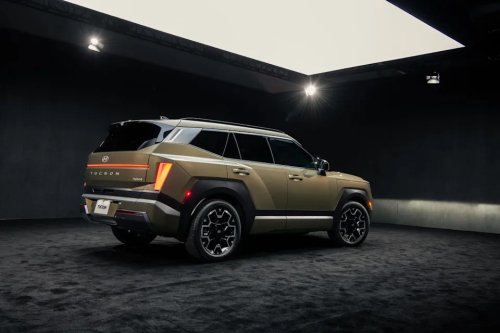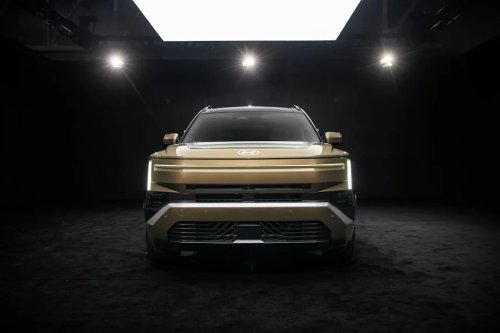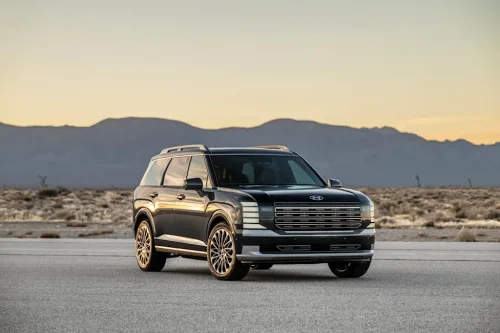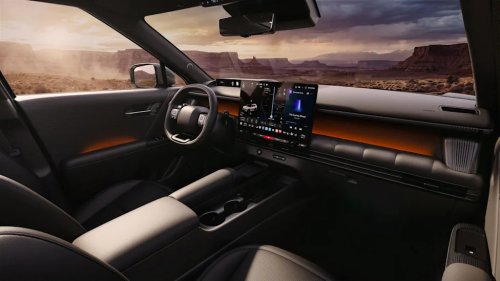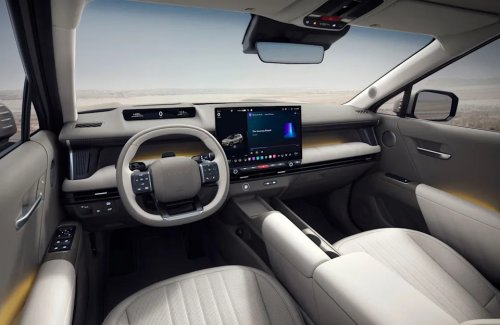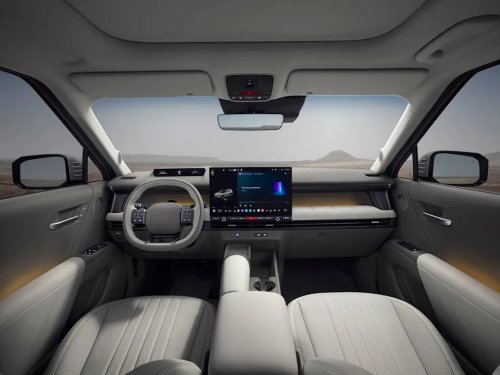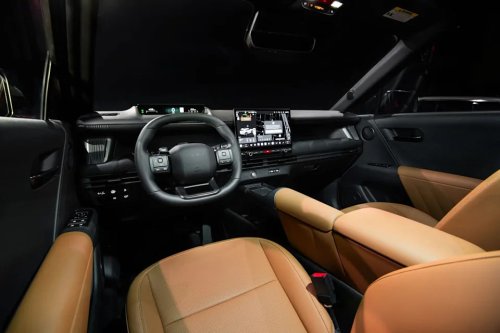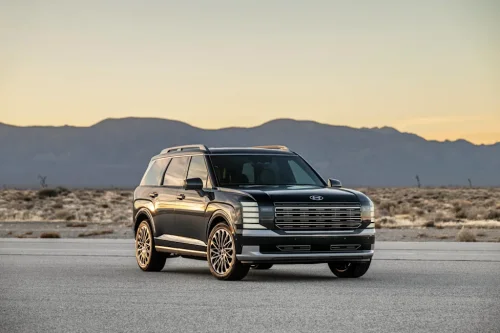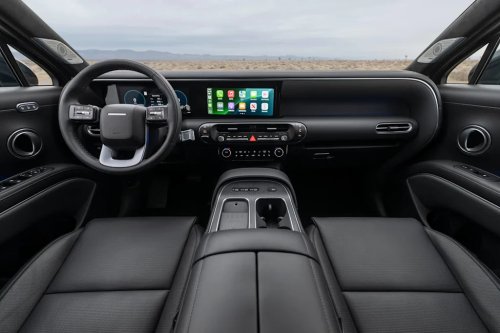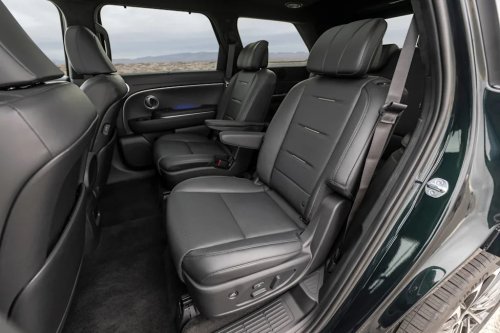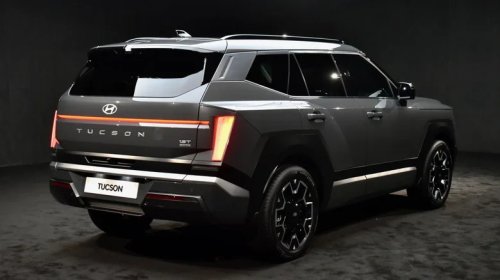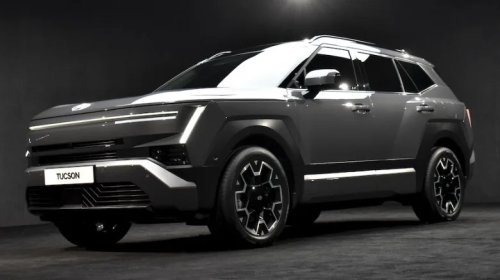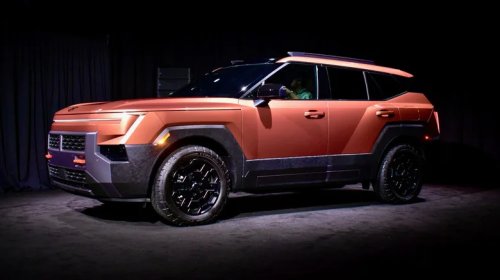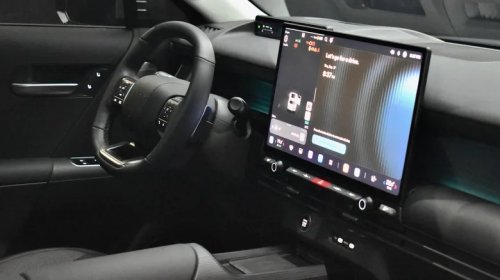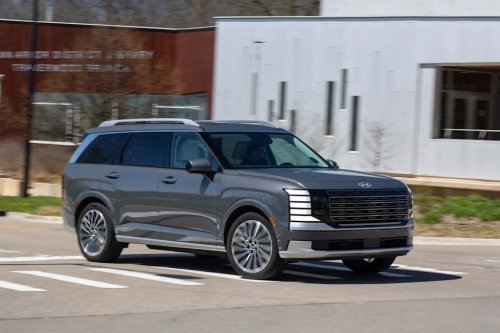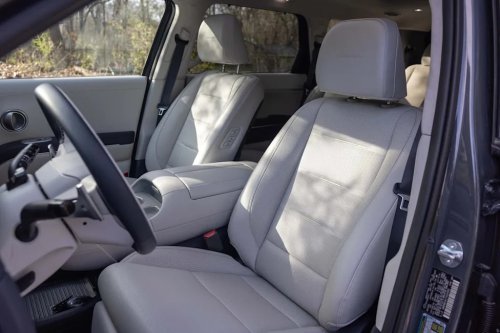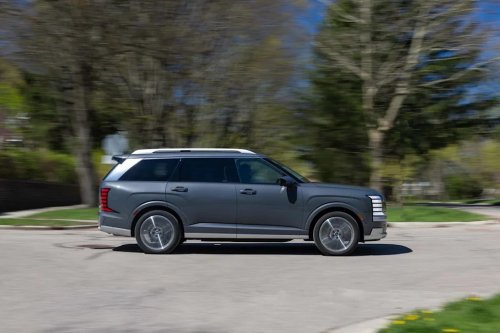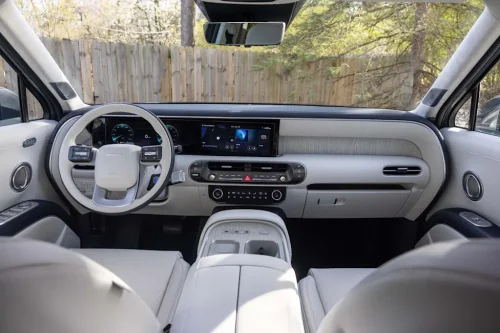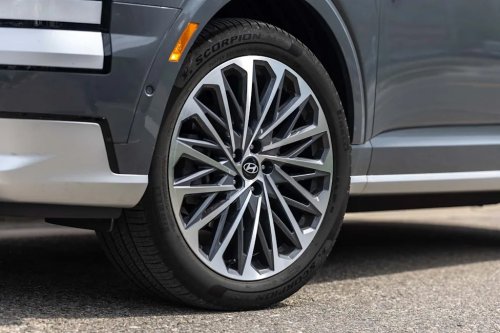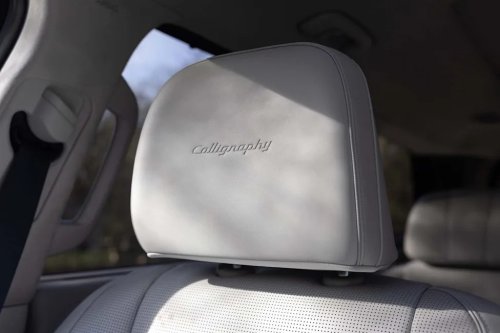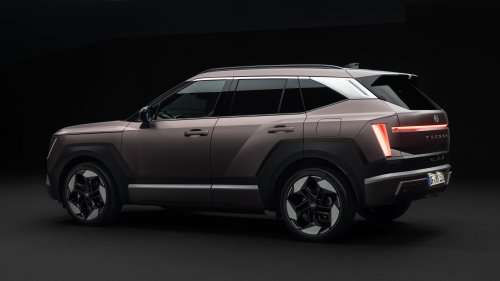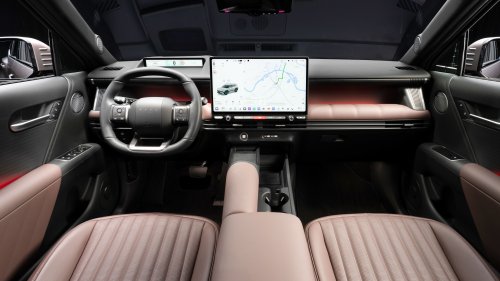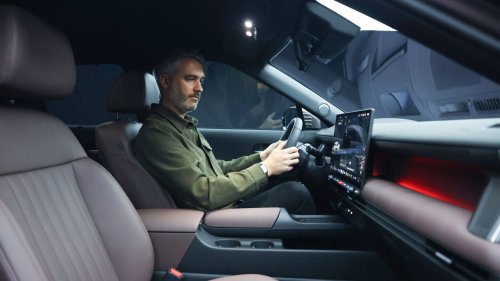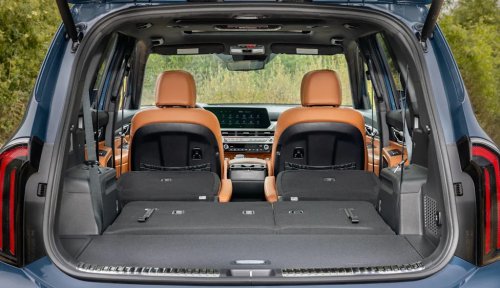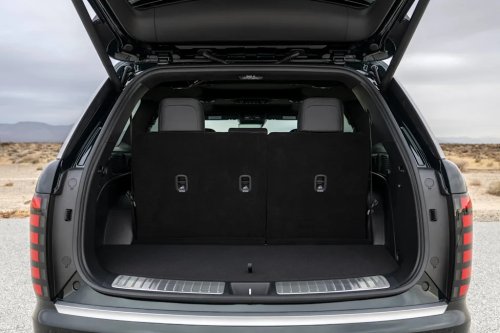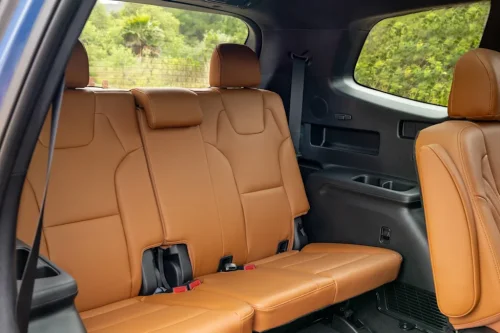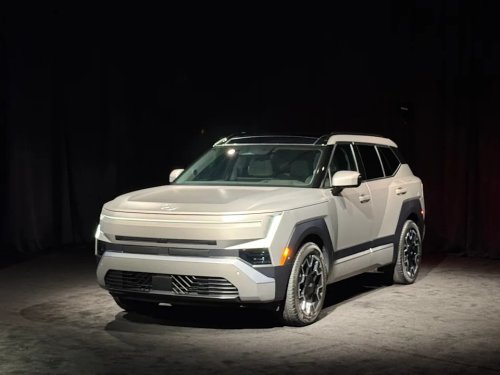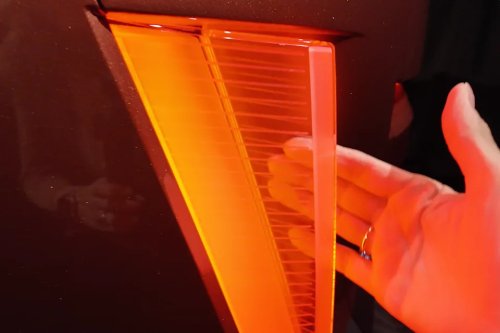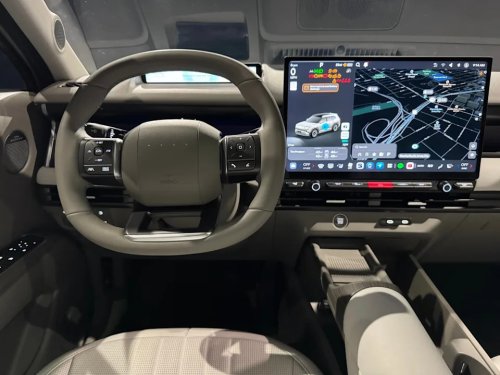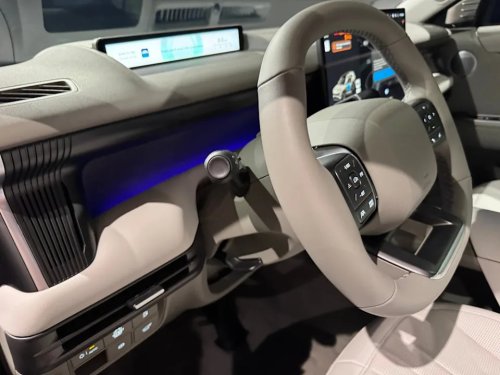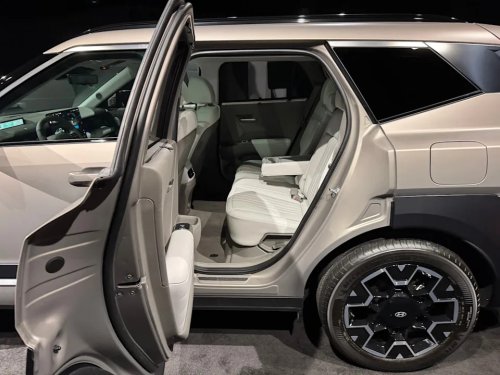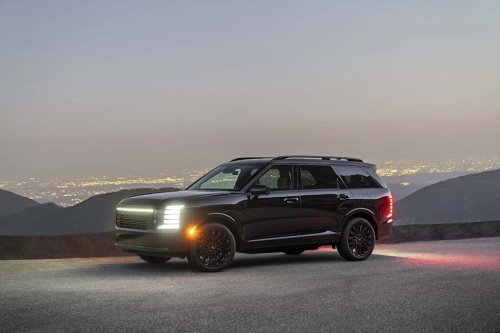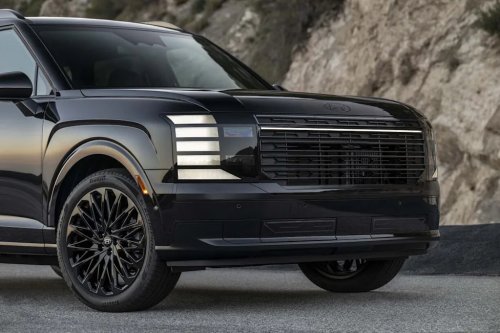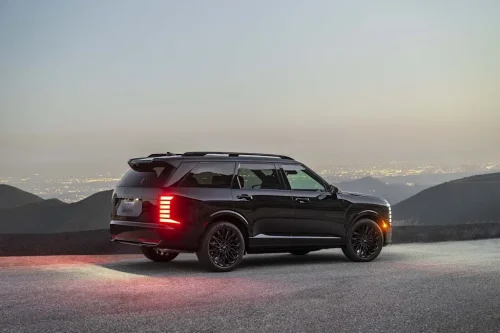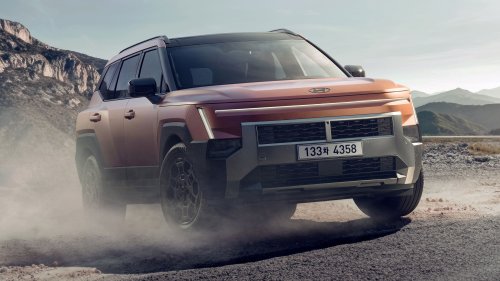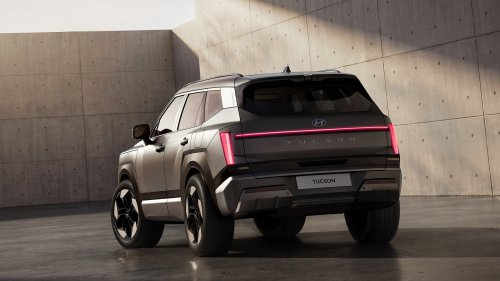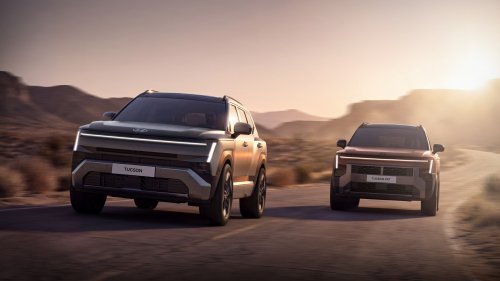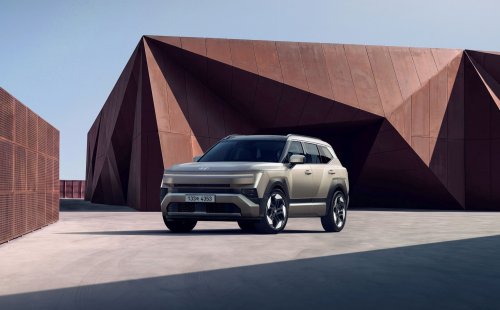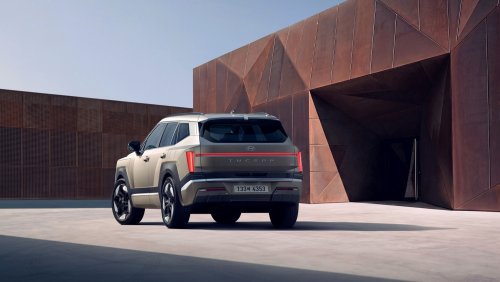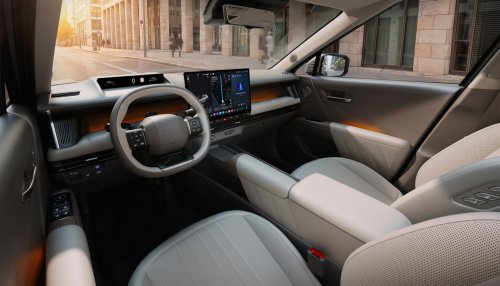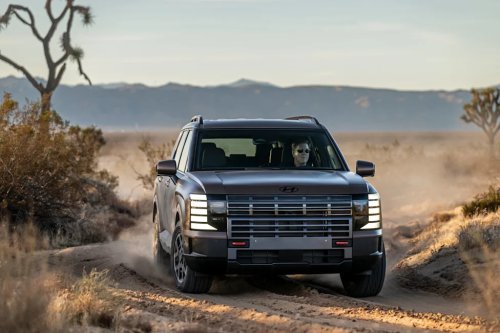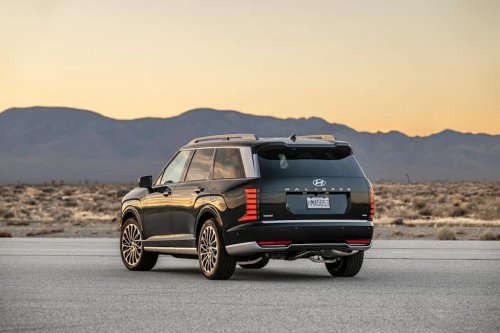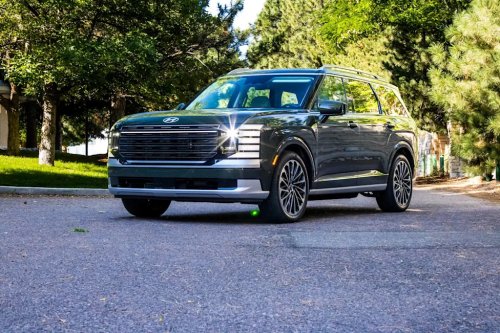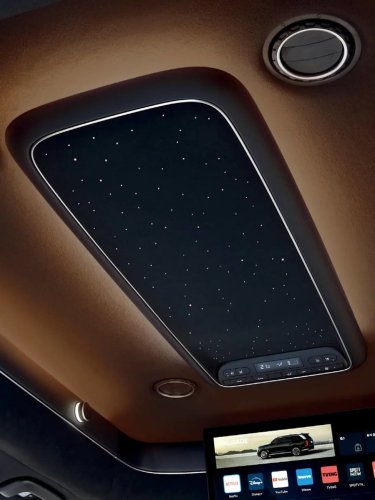

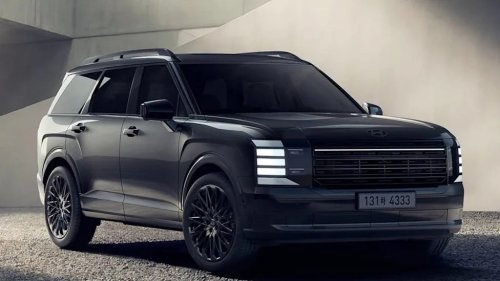
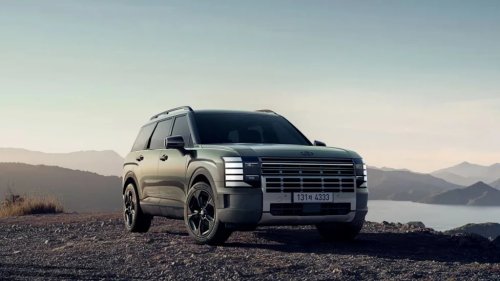



















Autoblog and Yahoo may earn commission from links in this article.Hyundai first showcased the Palisade High Roof as a pre-production concept at the 2025 Seoul Mobility Show. Now, the taller version of the three-row SUV has officially gone into production in South Korea. The basic idea isn't entirely new within the Hyundai-Kia Group. It has already explored taller, luxury-focused versions of its people movers, including the Kia Carnival Hi Limousine. However, the Palisade is different because Hyundai is applying that approach to an SUV rather than a traditional van.The Palisade High Roof Adds Nearly 10 Inches Up TopHyundaiHyundai has introduced the 2027 Palisade in South Korea with a new High Roof version, raising the SUV's roof section by 9.4 inches. The change brings the SUV's overall height to 2,005 mm, creating substantially more vertical space inside.AdvertisementAdvertisementThat makes the High Roof the most unusual addition to the updated lineup. Instead of increasing the Palisade's footprint to create more room, Hyundai has used vertical space to make the cabin feel larger and more luxurious. The High Roof also gets a model-specific exterior treatment, black window trim, electronically controlled suspension, 21-inch alloy wheels, and Pirelli tires as standard. That said, the extra roof height is clearly the standout point of the update.The Extra Space Is Meant For The People In The BackHyundaiHyundai has used the additional space to give the Palisade a more upscale rear-seat experience. The High Roof gets dedicated interior lighting, a "Starry Sky" lighting feature designed to mimic a night sky, pop-up LED reading lights, and a 21.4-inch rear-seat entertainment screen. A VIP package adds a second-row center console with dual wireless phone charging, a UV-C sterilizer, an air purifier, and heated and cooled cup holders.So this isn't simply a Palisade with more headroom. Hyundai is using the extra space to push the SUV closer to the chauffeur-oriented luxury vehicles that are particularly popular in some Asian markets. That's what makes the High Roof version more interesting than a conventional appearance package. Instead of stretching the SUV longer or wider to create a different kind of premium experience, Hyundai has gone in a direction most three-row SUVs rarely explore: upward.It Still Fits Into The Regular Palisade LineupThe High Roof is not a separate mechanical variant, and Hyundai has retained both gasoline and hybrid powertrain choices in South Korea. That distinction matters because the latest Palisade is already a global model with different powertrain combinations depending on the market. In the U.S., the Palisade is available with a 3.5-liter V6 or a new 2.5-liter turbocharged hybrid, with the latter rated up to 329 horsepower.Black Ink And XRT Round Off The UpdateHyundaiThe High Roof is part of a broader update to the South Korean Palisade lineup, which also includes new Black Ink and XRT versions. The Black Ink takes a darker approach with black exterior and interior details, 21-inch black alloy wheels with Pirelli tires, and the predictive electronically controlled suspension. On the other hand, the XRT flaunts a more rugged appearance with model-specific exterior trim and other equipment aimed at giving the SUV a tougher look. Those names may sound familiar, but they should not automatically be treated as identical to the Palisade trims sold in the U.S. The latest American-spec Palisade already has its own XRT Pro variant.The More Interesting Palisade Is The One America Isn't GettingHyundaiFor now, there is no indication of the Palisade High Roof coming to the U.S. Having said that, its underlying idea is worth paying attention to. American three-row SUVs have generally chased more interior space by getting longer, wider, or both. Hyundai has instead taken a concept already familiar within the luxury people-mover world and applied it to an SUV.AdvertisementAdvertisementWhether American buyers would embrace a nearly 10-inch taller Palisade is another question. The High Roof, however, shows there may be another way to create more interior space and rear-seat luxury without increasing a vehicle's footprint.This story was originally published by Autoblog on Aug 26, 2026, where it first appeared in the News section. Add Autoblog as a Preferred Source by clicking here.