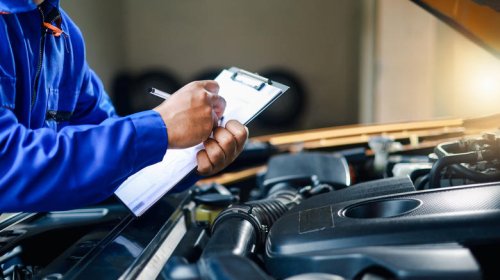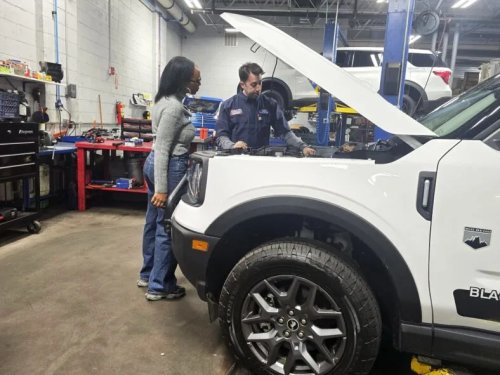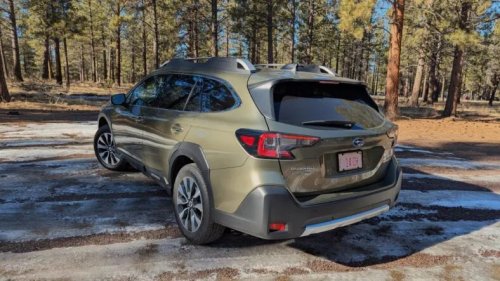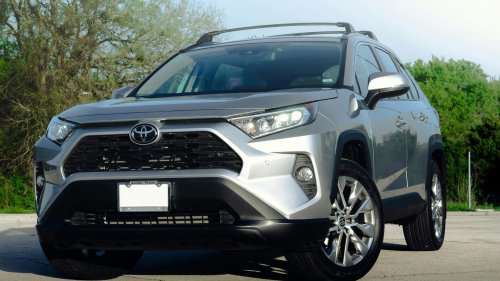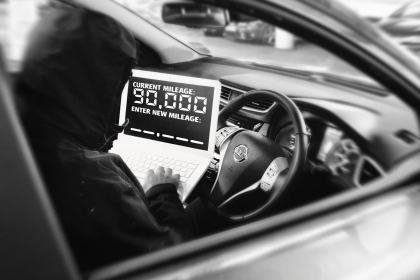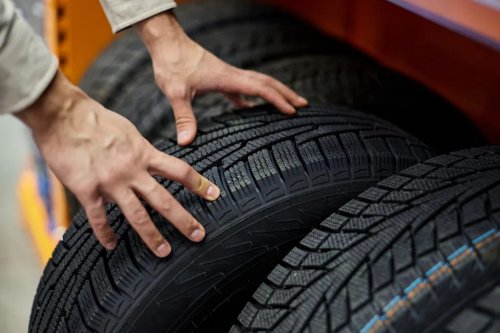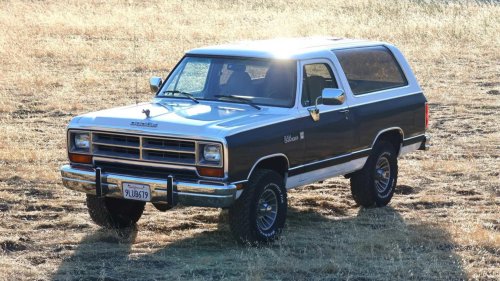



















How to Buy a Used Car Without Getting Burned: The Complete Inspection ChecklistBuying used is the smartest way to get value in a car, but it is also where buyers get burned most often. Knowing how to buy a used car the right way protects you from hidden damage, odometer fraud, and overpaying. This checklist walks you through the entire process from listing to handshake.Research Before You LookKnow the model's common problems, fair market value, and typical mileage for the year. This homework lets you instantly spot overpriced listings and recognize a genuine deal, the same discipline that serves buyers well at collector car auctions.Read the History ReportA vehicle history report reveals accidents, title issues, and service records. A salvage or rebuilt title is not automatically a deal-breaker, but it must be reflected in a much lower price and full transparency.The Visual InspectionCheck panel gaps and paint consistency for signs of bodywork, inspect for rust in wheel wells and underneath, and look for fluid leaks. Mismatched tires or fresh undercoating hiding rust are classic warning signs.The Test DriveDrive on varied roads, listen for noises, test the brakes firmly, and watch for warning lights and transmission hesitation. A car that drives nervously usually has more wrong than the seller admits.Get a Pre-Purchase InspectionFor any meaningful purchase, pay an independent mechanic to inspect it. The modest cost can save you thousands and is the single best protection against an expensive mistake. This applies doubly to performance and classic cars.Watch for Red Flags in the SellerBe wary of sellers who rush you, refuse inspections, or have paperwork that does not match the car. Stolen and fraudulently titled vehicles are a real risk, so confirm clean, transferable ownership before any money changes hands.Negotiate With InformationUse your research and any inspection findings as leverage. Be willing to walk away; there is always another car. And once you own it, protect your investment with proper detailing and the right tires for your needs.Where to Look and How to Spot DealsUsed cars come from dealerships, private sellers, online marketplaces, and auctions, each with tradeoffs. Dealers offer convenience and sometimes certified pre-owned warranties but charge more. Private sellers often have better prices but less recourse if something goes wrong. Online marketplaces broaden your options enormously. Wherever you shop, the best deals go to buyers who have done their homework and can recognize a fair price instantly, which is why research before you look is the most valuable step in the entire process.Understanding Vehicle History ReportsA vehicle history report is one of your most powerful tools, revealing accidents, title problems, odometer discrepancies, and service records. A salvage or rebuilt title is not automatically disqualifying, but it must be reflected in a significantly lower price and complete transparency from the seller. Always cross-reference the report with what you see in person, since not every incident makes it into these databases. A clean report combined with a thorough inspection gives you genuine confidence in a purchase.The Critical Pre-Purchase InspectionFor any meaningful purchase, paying an independent mechanic to inspect the car is the single best protection against an expensive mistake. This is especially true for performance cars, trucks that may have been worked hard, and classic cars with complex restoration histories. A modest inspection fee can save you thousands and reveal problems no test drive would expose. Any seller who refuses an independent inspection is waving a serious red flag you should not ignore.Special Considerations by Vehicle TypeDifferent vehicles demand different scrutiny. For trucks, check for signs of hard towing and frame rust, and consult our most reliable used trucks guide. For classics and collectibles, originality and documentation drive value, as we cover in our auction and barn find guides. Match your inspection priorities to the type of vehicle you are buying, and you will catch the issues that matter most for that specific car.Negotiating and Closing the DealUse your research and any inspection findings as leverage, and always be willing to walk away, because there is always another car. Once you have agreed on a price, ensure the title transfer is clean and complete, and arrange insurance before you drive away, as we explain in our car insurance guide. After the purchase, protect your investment with proper detailing, the right tires, and a consistent maintenance schedule. Buy carefully, and a used car delivers tremendous value for years.Patience Pays OffThe biggest advantage a used-car buyer has is the freedom to wait. Unlike a dealer trying to move inventory, you can take your time, inspect carefully, and walk away from anything that does not feel right. The market constantly refreshes with new listings, so missing one car simply means another opportunity is around the corner. Buyers who rush, who fall in love with the first option or let a seller pressure them, are the ones who end up with regrets. Approach the search methodically, trust your research and your inspection, and let patience guide you to a sound car at a fair price that serves you well for years to come.