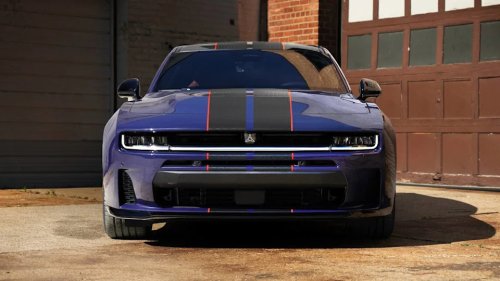
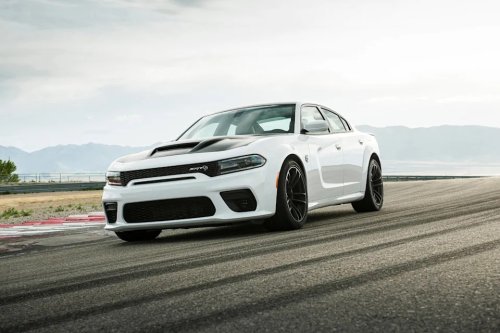
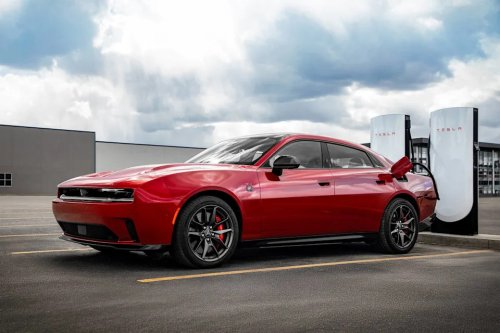
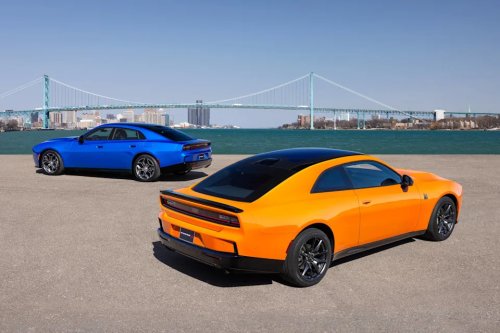
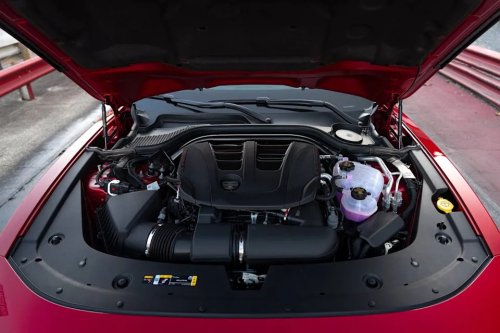
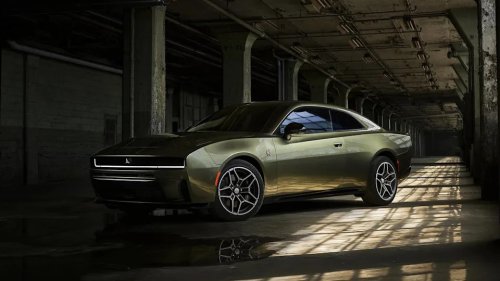
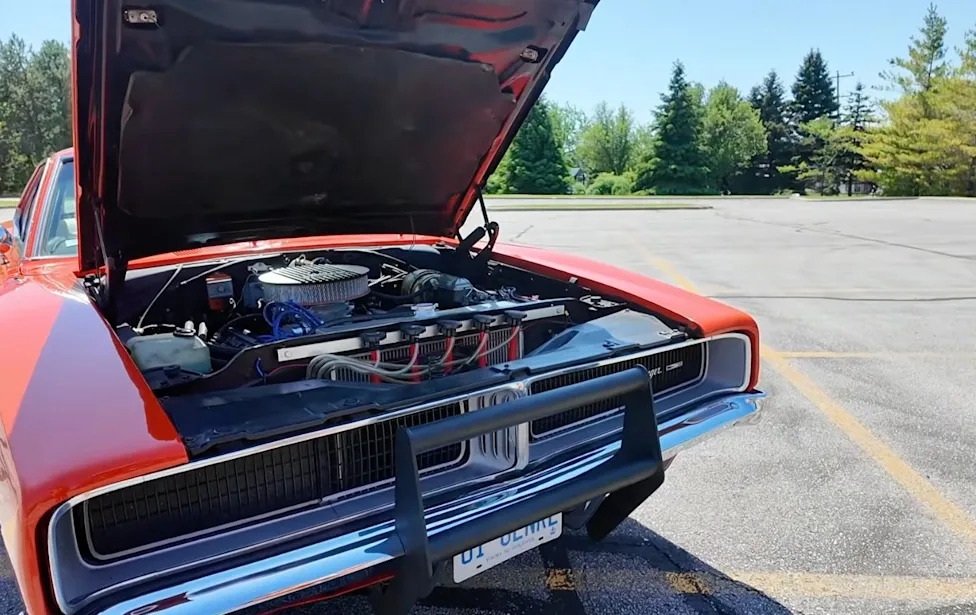
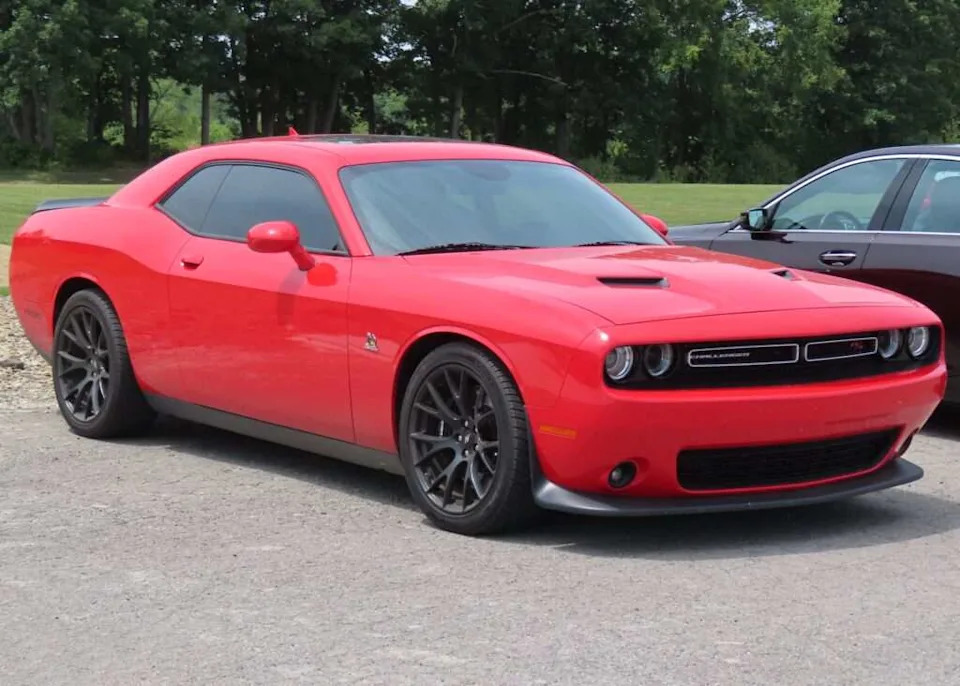
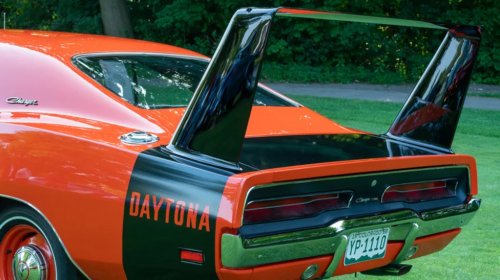
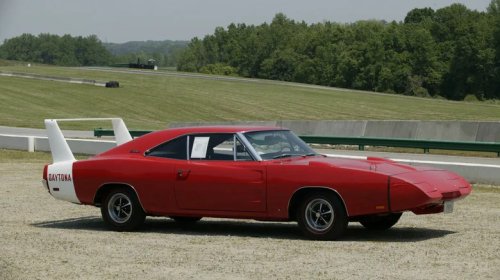
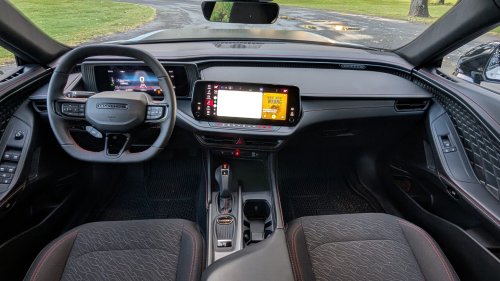
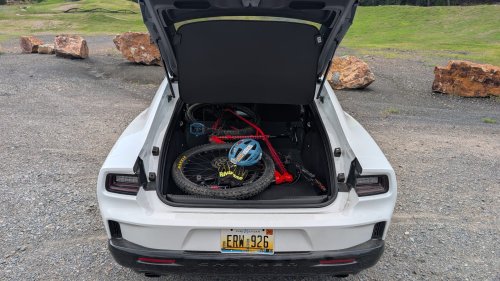
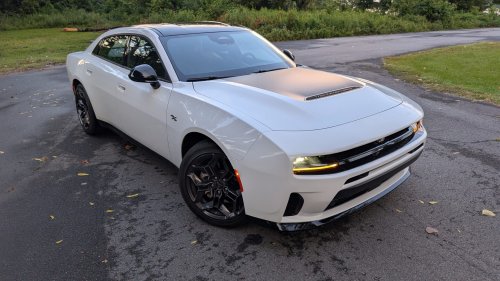
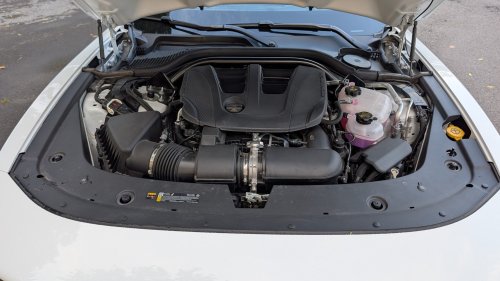
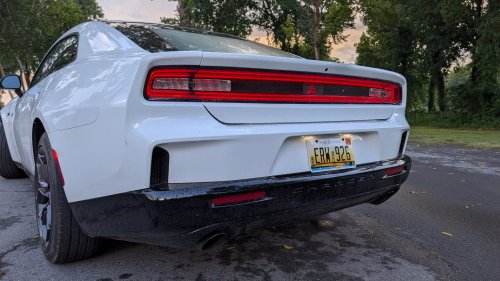
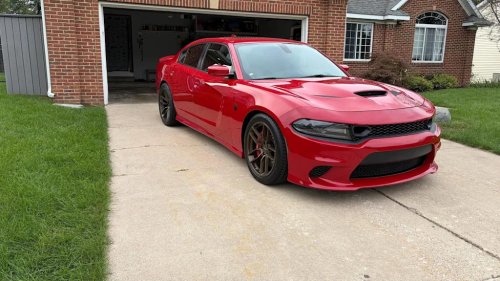
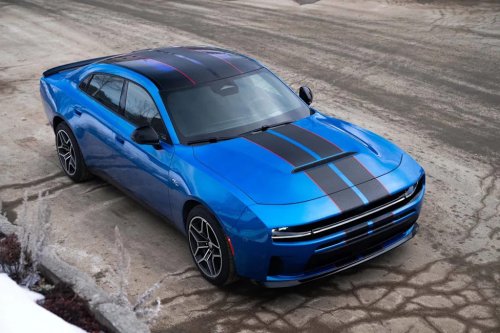
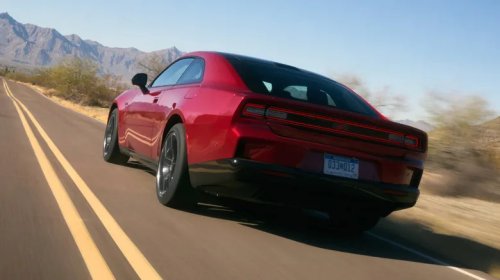
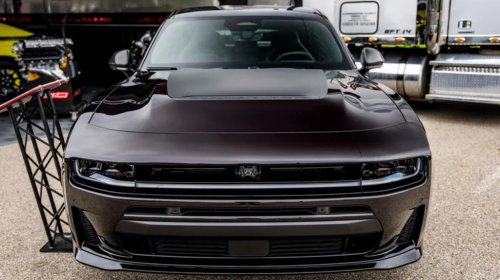
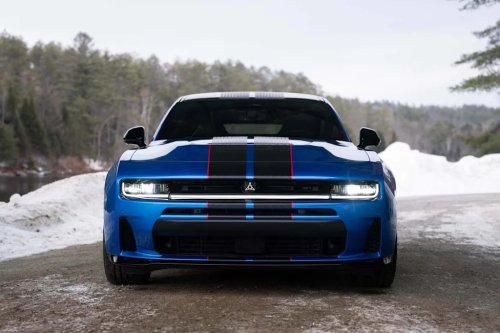
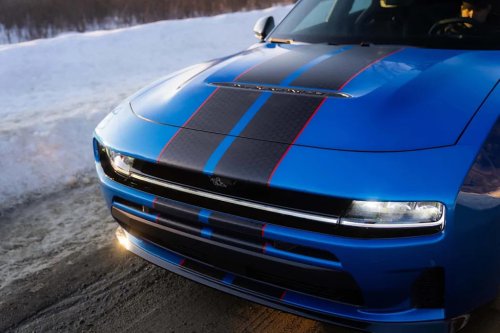
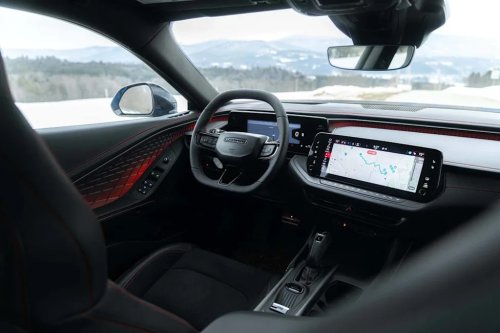
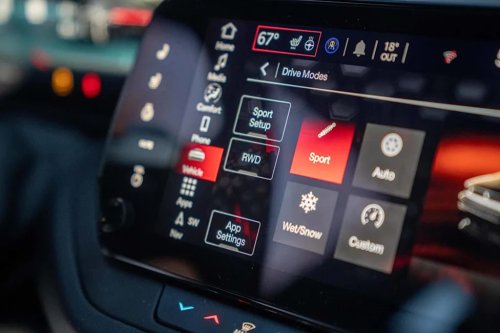
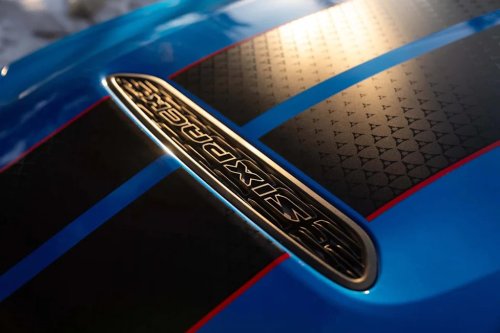
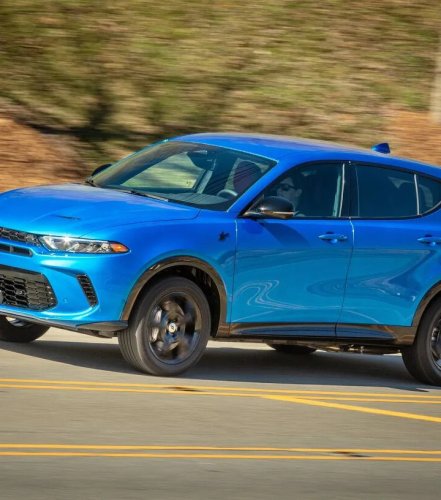
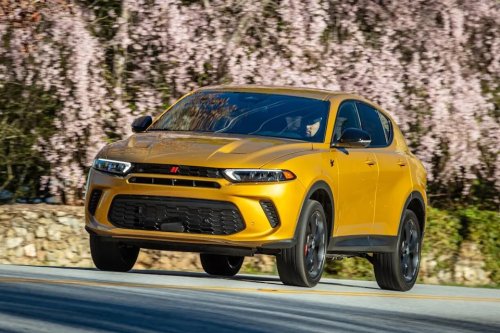
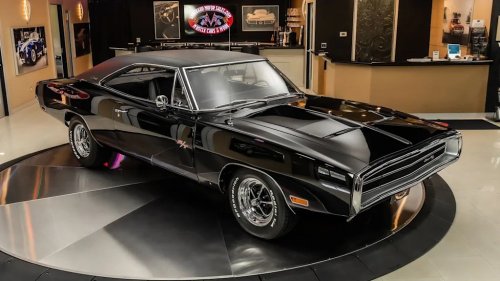
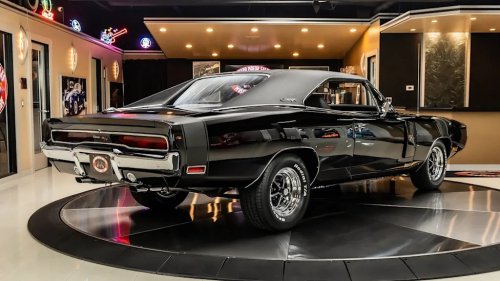
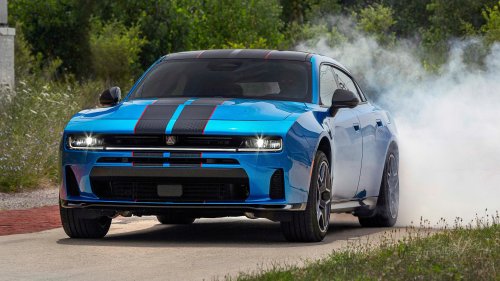
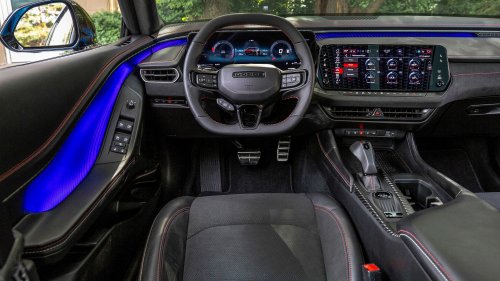
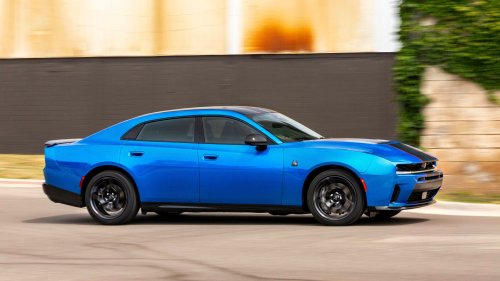
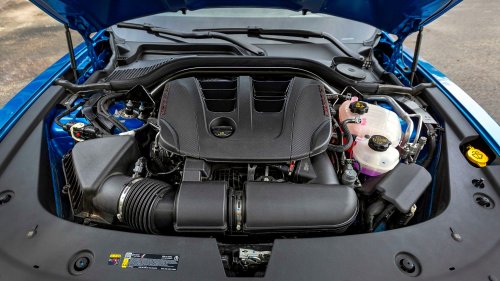
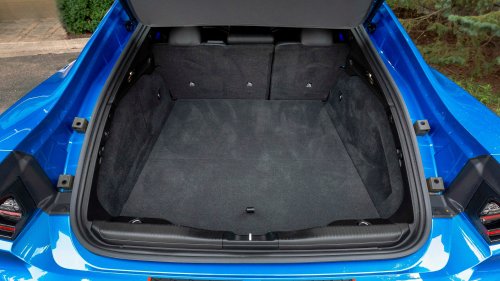
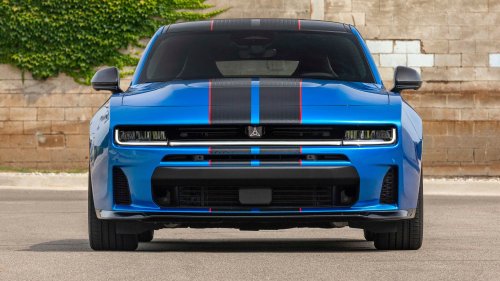
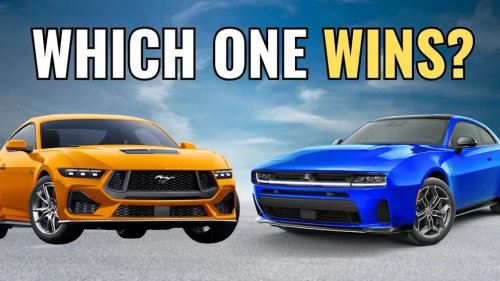
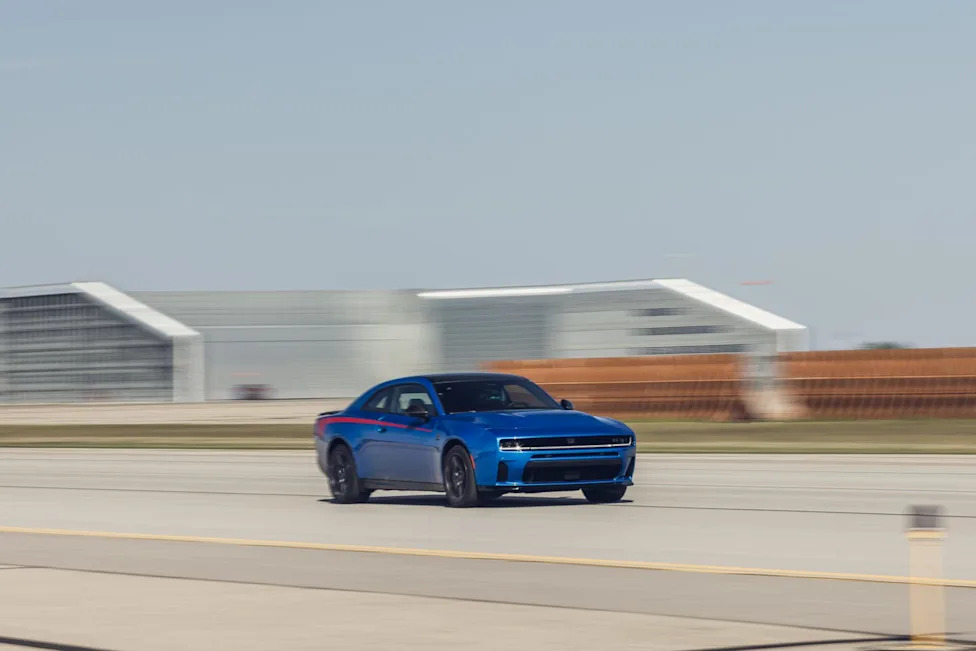
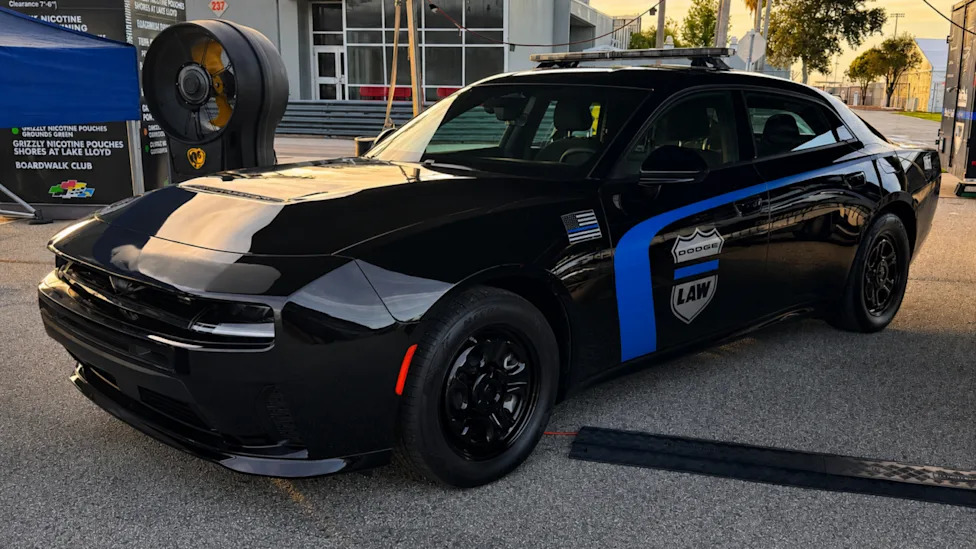
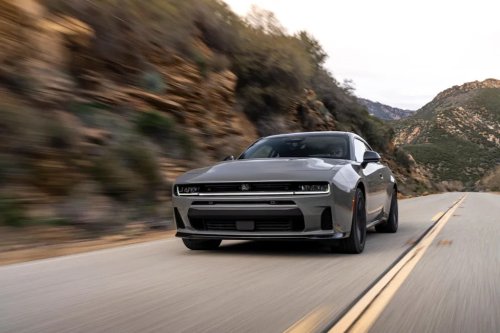
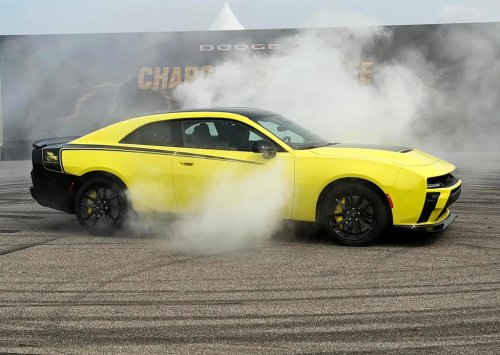
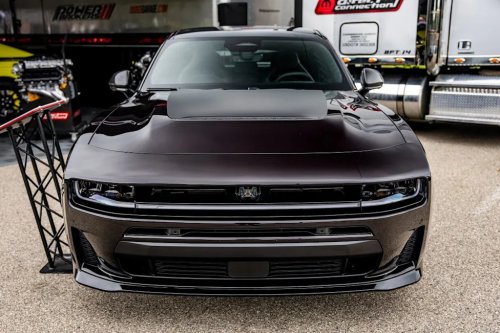
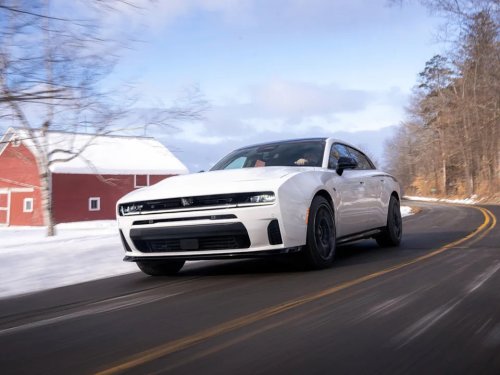
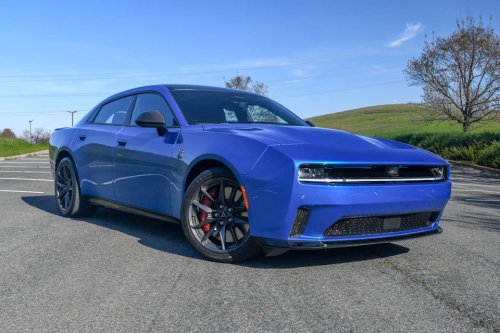
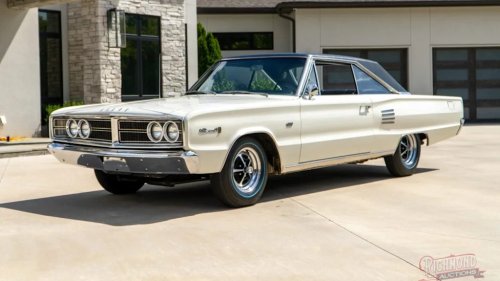
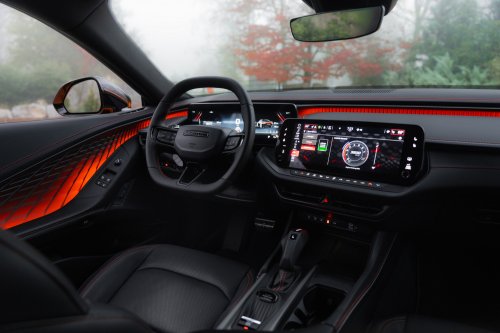
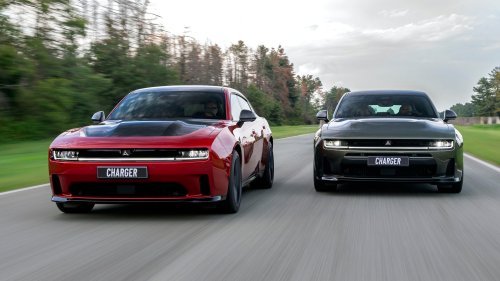
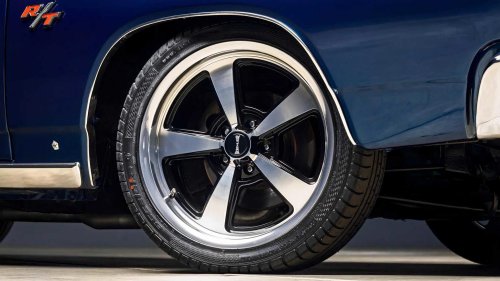
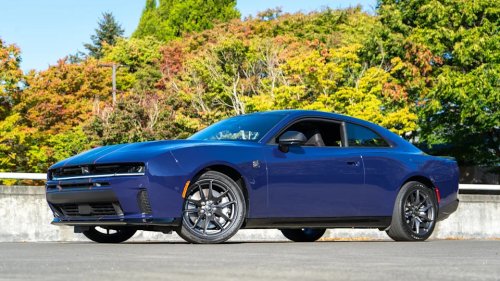
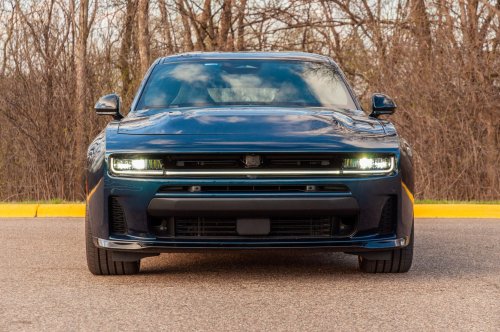
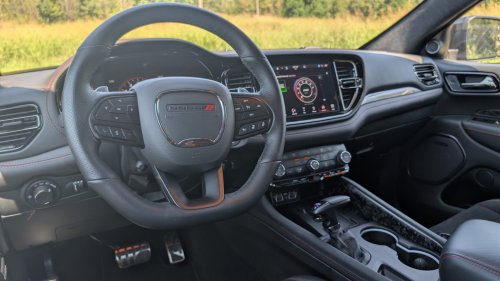
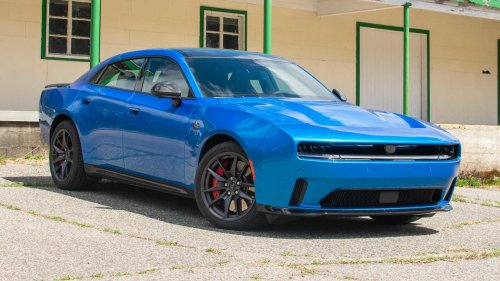
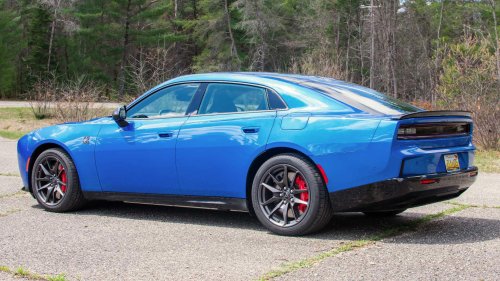
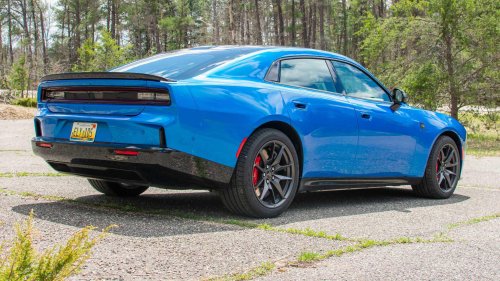
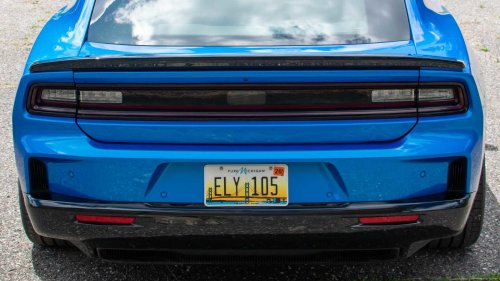
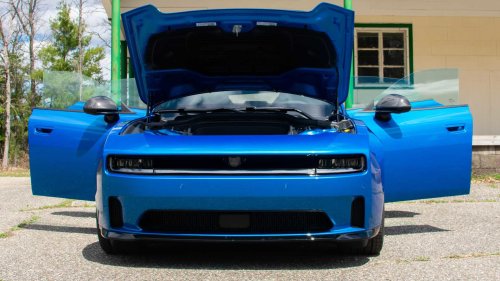
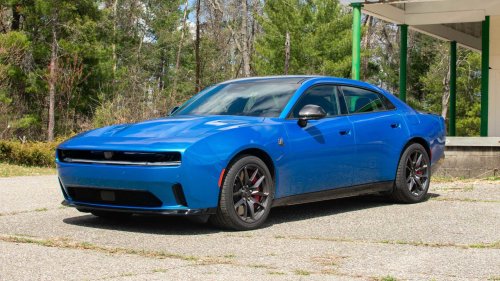
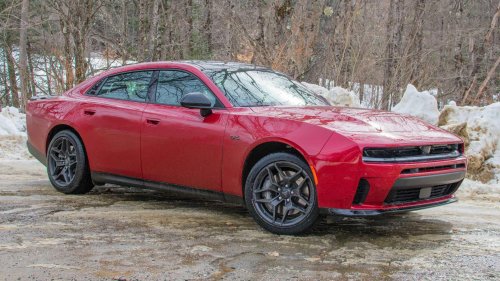
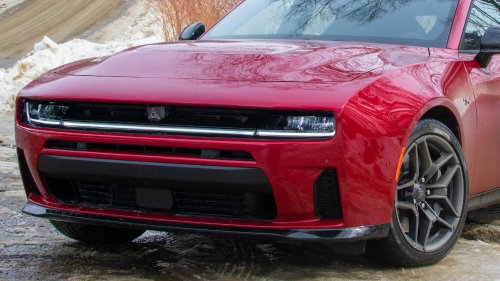
The automotive world is changing rapidly. For most automakers, electrification is one of the main areas of focus today; increasing regulations and environmental concerns have made electric and hybrid vehicles a far more common sight on our roads than they were just a decade ago.There is, however, one area of the car world that has proven to be quite resistant to the pressures of the industry: muscle cars. It has only been two years since the very first electric model in this category, the Dodge Charger Daytona, was released. The numbers so far show that muscle car enthusiasts haven’t universally embraced the new Daytona, but instead are heavily conflicted about it. Many won’t entertain the idea of an EV being classified as a muscle car at all. The Dodge Charger Daytona: Controversial, All-Electric Muscle Christopher Smith / CarBuzz / ValnetThe Dodge Charger Daytona is a model that borrows its name from a legendary mid-century muscle car, but has a far more futuristic character. That’s because it’s the first model to bear the Charger name with an all-electric powertrain. Its relevance extends beyond Dodge’s history and into the history of the muscle car itself, as the new Daytona is the first electric model in this category. The model made its first appearance as a concept in 2022, before being launched on the market for the 2024 model year.The use of the Charger Daytona name is deliberate: it draws on the nostalgia factor while creating a connection between the muscle car’s golden age and its upcoming evolution. The car’s design echoes this connection, featuring elements that are distinctly vintage paired with futuristic styling cues. The aggressive, slightly angular silhouette that we have all come to associate with muscle cars is still there, but a few key elements have been removed or altered.There is, of course, no grille, but instead we find an R-Wing pass-through that improves downforce for a performance boost. Dodge also equipped the car with LED headlights and a full-width LED strip, balancing the classic and the high-tech.Christopher Smith / CarBuzz / Valnet At the heart of the Daytona we find two electric motors, the combination of which produces a different combined output depending on trim level. When the model was first launched, there were two trim levels on offer. The R/T produced 456 horsepower and 404 pound-feet of torque, while the Scat Pack produced 630 hp and 627 lb-ft of torque.Both models offered the opportunity to unlock an extra 40 hp with the PowerShot function. The R/T trim, however, was discontinued last year due to a combination of factors including poor sales, although there is a small chance that Dodge may decide to bring it back in the future. The Backlash: Muscle Car Fans Divided Over The Daytona Christopher Smith / CarBuzz / Valnet The arrival of the new Daytona was, rather predictably, met with a fair amount of backlash. The muscle car world is fairly entrenched in its idea of what constitutes a “proper” muscle car, and for many enthusiasts a large and powerful combustion engine (more specifically, a V8) is a fundamental part of the equation. Although the Daytona was a muscle car in all other ways – aggressive styling, branding, focus on performance – it was missing something very important to many Dodge fans.Christopher Smith / CarBuzz / Valnet As a result, sales were poor from the beginning, and continue to be quite low. Soon after its launch, the Daytona was actually overtaken by the models it was created to replace, the now-discontinued combustion Charger and Challenger. This happened despite Dodge’s effort to market the model as a “true” muscle car: Dodge did its best to convince its fans the Daytona was worthy of the title, trying to break the connection between the model and the “boring eco-friendly” character people frequently associate with electric cars.These efforts, however, did not have the desired effect: just over 7,000 units were reportedly sold in 2025; Dodge even chose to kill off one of the model’s two trims, the R/T, partially as a result of these poor numbers.That being said, the road ahead for the Daytona is not entirely bleak. There will always be a cohort of car enthusiasts who aren’t willing to accept that the definition of a muscle car is changing and evolving, however some are more curious about the direction the category is moving in the age of electrification.As a larger portion of the American automotive market becomes electrified, public perception is shifting, and electric powertrains are becoming more normalized even in the world of performance; the muscle car world is difficult to break into and even more difficult to change, but it’s not entirely impossible for the Daytona to become a successful model in years to come. How Dodge Tried To Make The Daytona More Palatable Christopher Smith / CarBuzz / Valnet Aside from the Daytona’s marketing campaign, there are a few other steps Dodge took to build up the car’s image and try to win over muscle car enthusiasts. Several of its features were engineered to recreate the feel of a more traditional muscle car, in an effort to bring the Daytona’s driving experience closer to that of the models Dodge fans know and love. The design, which blends vintage-inspired muscle car styling cues with space-age elements, is just one part of the equation.Although, of course, the Daytona has no real exhaust, it is equipped with a unique device Dodge refers to as the “Fratzonic Chambered Exhaust”. This system channels air through a series of acoustic chambers, creating an artificial exhaust note that elevates the car’s emotional experience. The sound produced by the device goes up to 126 decibels and is inspired by the legendary Hellcat V8.Christopher Smith / CarBuzz / Valnet The Daytona’s chassis is also fitted with devices called vibration actuators (often marketed as force generators), which make the experience more similar to driving a combustion car by producing physical vibrations. These vibrations are synced up with the sounds produced by the Fratzonic Exhaust, as well as the vehicle’s speed.The transmission is also slightly different from the single-speed unit you would expect in a traditional EV. Dodge came up with something called the eRupt transmission, a simulated multi-speed transmission. The system recreates the power delivery, shifts, and occasional jerks of a transmission in an ICE vehicle. The Sixpack: Bridging The Gap Christopher Smith / CarBuzz / Valnet The Charger Daytona has, without doubt, caused a large amount of controversy among Dodge fans and the wider automotive world. However, there is another model in the Charger family which has also divided opinions: the Charger Sixpack. The Sixpack is Dodge’s effort at keeping combustion alive in the Charger lineup, but it eliminates one crucial element of the “quintessential muscle car”: the V8 engine was replaced with an inline-six unit, hence the model’s name.Like its Daytona sibling, the Charger Sixpack is available with either a two-door coupe or a four-door sedan body style. The Sixpack offers two trim levels: the R/T and the Scat Pack. Unlike in the Daytona, the R/T version has not been discontinued.The decision to install an inline-six engine in a muscle car has, of course, not been a popular one with everyone. While not as maligned as its Daytona sibling, the Sixpack is considered by many Dodge enthusiasts to be a “watered-down” incarnation of the Charger, missing the key element that defined the original. However, in terms of acceleration, the six-pot Charger is actually on a similar level to the old V8-powered Charger and Challenger.Christopher Smith / CarBuzz / Valnet At the heart of the Sixpack we actually find two different versions of the Hurricane twin-turbo 3.0-liter inline-six. One is the Standard Output version, which produces 420 hp and 469 lb-ft of torque. The other is the High Output version, which produces 550 hp and 521 lb-ft. Both engines are available to choose from in the four-door sedan; if you’re buying a two-door coupe, however, the High Output is the only engine on offer.The Sixpack may not have answered the prayers of die-hard muscle car fans who wanted to see the V8 return to the Charger, however it did allow Dodge to keep offering some form of combustion-powered Charger, a fair compromise considering the overall direction in which the automotive world is heading.Sources: Dodge



















 +4 others