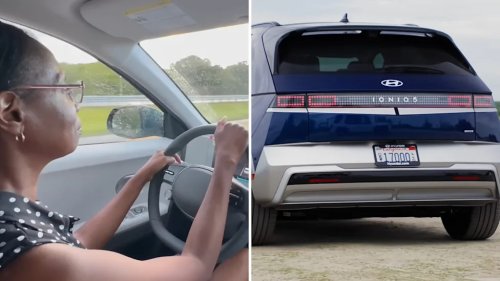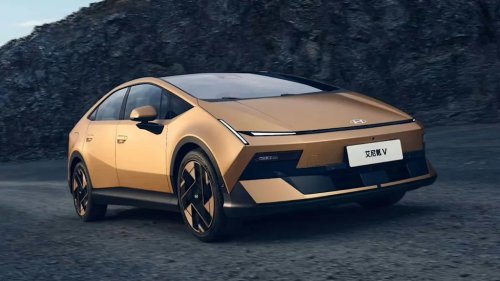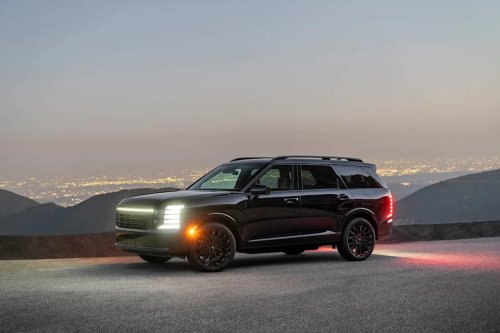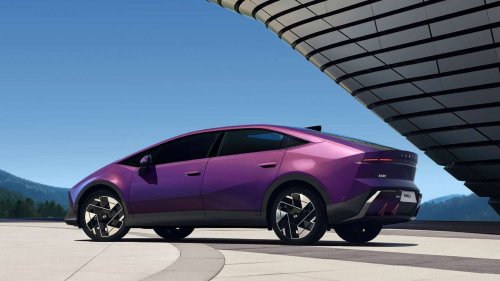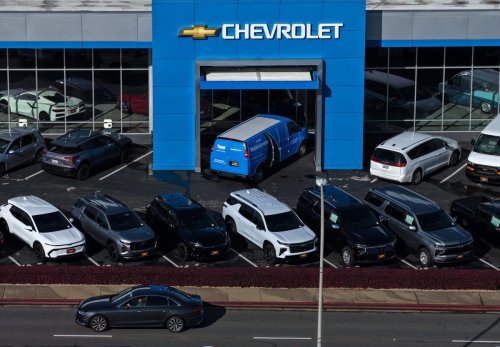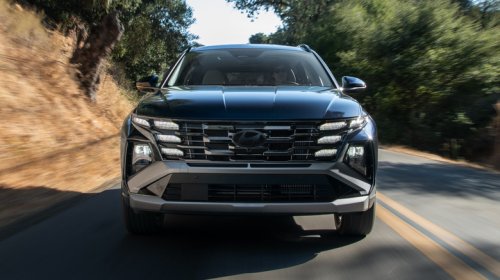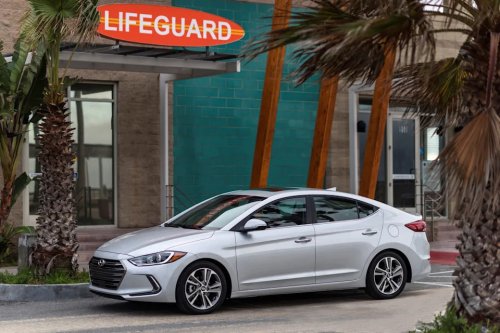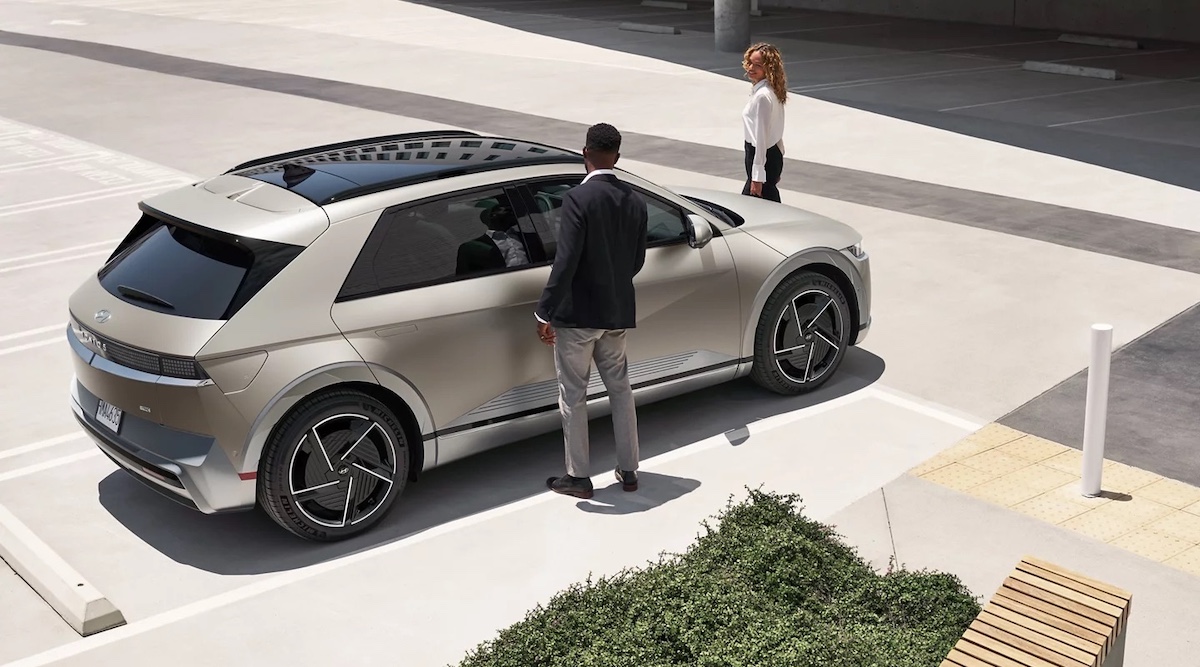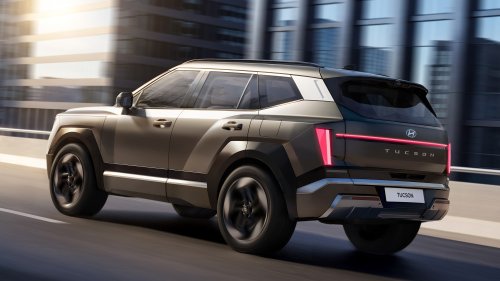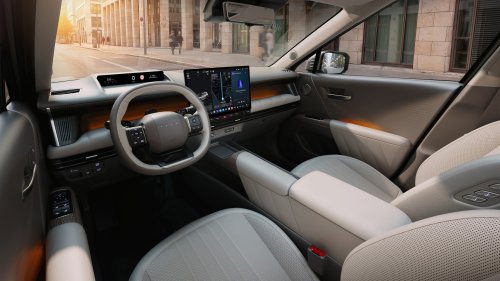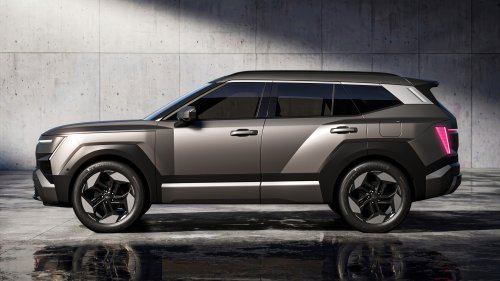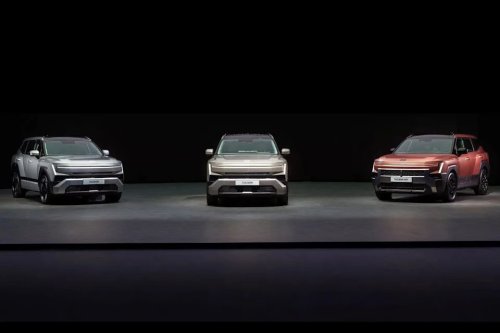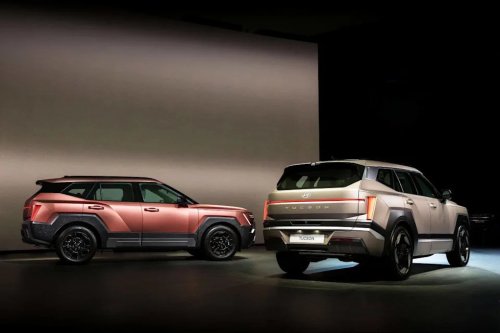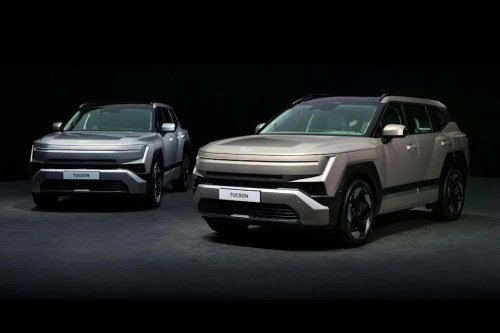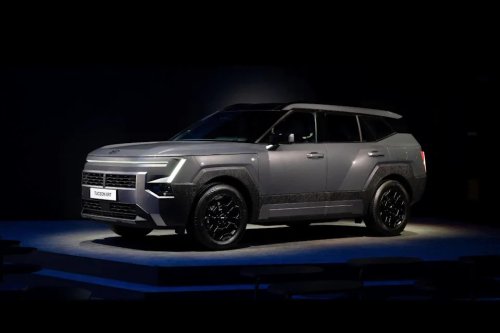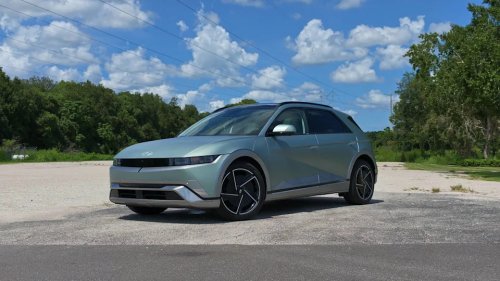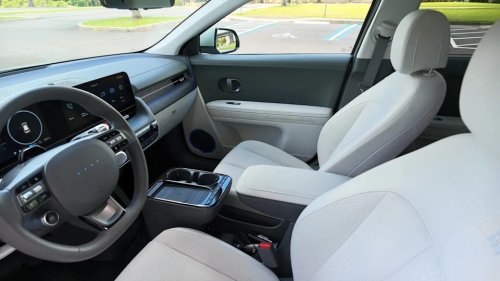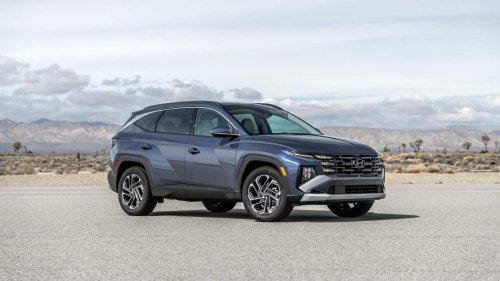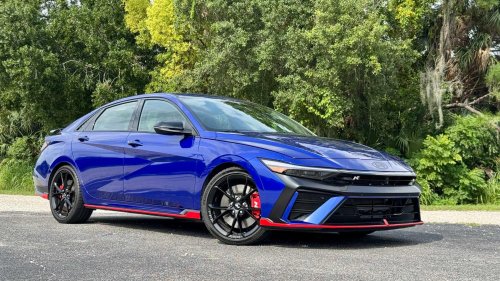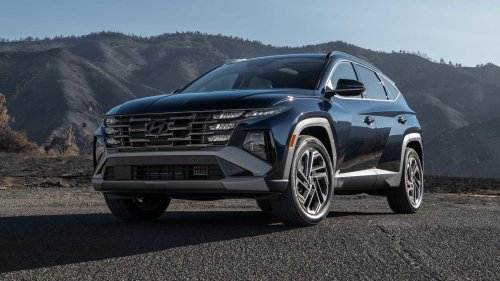
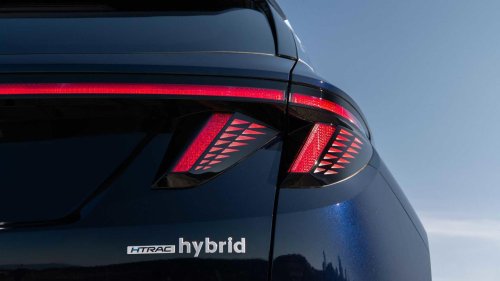
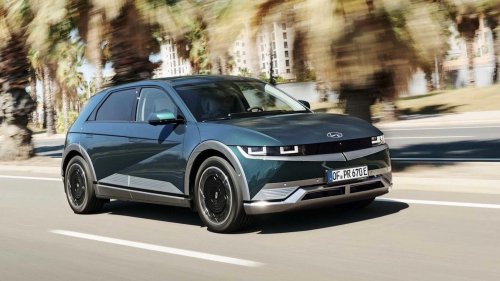
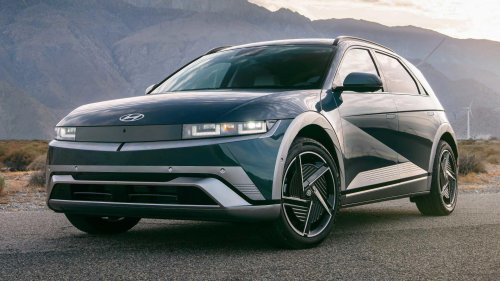
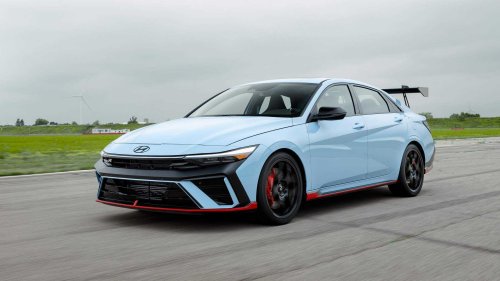
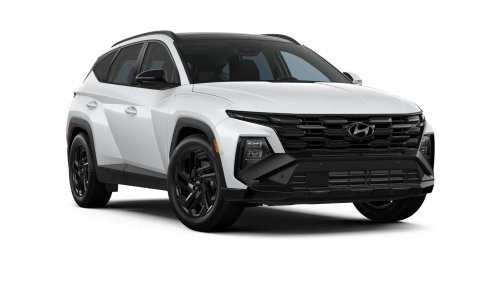
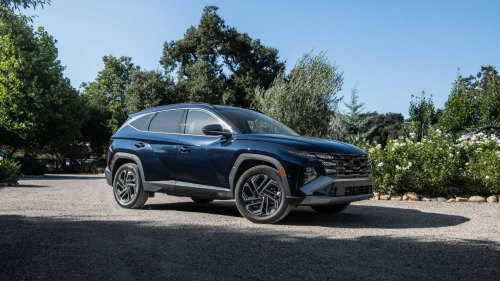
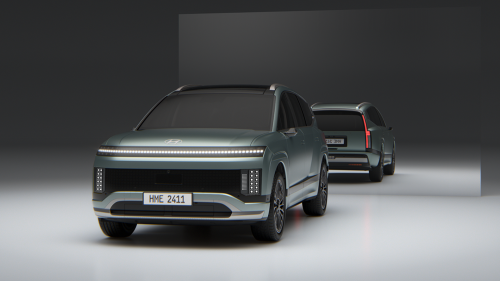



















The US automotive market. At one point, it was the largest in the world, and many of the brands based here were world-renowned for their build quality, style, and their individual models' performance. Cadillac was once known as the "Standard of the World", and Chevrolet produced muscle cars that everyone wanted, regardless of geographic location. Not to mention, in 1995, roughly 72 percent of all cars on the road were American-made. By 2014, that number had dropped to about 44.1 percent. Today, the percentage sits relatively stagnant at approximately 44.6 percent.However, despite a slight increase in US-born cars on American roads, Hyundai has been hard at work chipping away at the Detroit Big Three's remaining hold on the domestic market. There are numerous reasons for the switch, such as reliability, cost, and model choice. It isn't made easier for the American brands because, as we all know, the domestic sedan is almost completely dead, save for a few holdouts. By and large, though, Hyundai is swooping in with good products, and it shows. The Breakdown HyundaiOver the last few years, more and more buyers are defecting to Hyundai from American brands. According to a study completed by SPGlobal.com, the Hyundai Ioniq 5 sports a conquest rate roughly 21 percent higher than average for the brand. For context, "conquesting" refers to when a vehicle owner switches from one automaker to another. Overall, the model managed to achieve a conquest rate of 74.2%, meaning that specific ratio of buyers came from another brand. The study also finds that Hyundai's EVs tend to attract more ex-domestic car buyers than average.Hyundai Hyundai's hybrid and ICE model conquest rate is impressive as well. When it comes to hybrids, Hyundai's conquesting rate sits at a 23.3-percent gain for the Tucson hybrid over its ICE sibling, nearly two percent higher than the Ford Escape Hybrid. The model also sports a whopping 75.5 percent conquest rate. This also puts the Tucson Hybrid in first place for hybrid model conquest rates in the mass market. Pure ICE model conquest rates sit right around 52 to 53 percent, as buyers who tend to forgo hybrids or EVs appear to stick to their brands more closely.Here are some more Hyundai model conquest rate estimations:Tucson (ICE): 52%–53% Santa Fe: 53%–65% Elantra: 51%–55% While ICE conquests seem to be relatively normal regarding the automotive market as a whole, Hyundai's hybrid and EV models seem to have plenty of luck stealing buyers away from other brands. It's no wonder the Korean automaker has remained determined to produce EVs while other marques have backed off the electric car push. What People Have To Say About Modern Hyundais HyundaiA company that's able to steal customers away from other brands at the rate that Hyundai does has to be building good cars, right? In order to find out, we'll take a look at what some owners of new and newer Hyundai models have to say about them.For consumer reviews, many websites offer decent sources. For example, Kelley Blue Book has a section dedicated to consumer reviews. There's also a website called CarSurvey.org that allows you to find this info, too. However, one excellent and seldom-considered source for this sort of thing is Reddit.com. This is particularly the case here, as loads of EV buyers tend to flock to Reddit for buying advice.Hyundai In one post on Reddit.com titled "Why are Kias and Hyundais Still So Popular," the most-liked comment stated that both brands offer tech and amenities found in luxury cars for a lot less money. Another commenter stated that an equivalent Honda or Toyota model, when broken down into monthly payments, is substantially more money, too. So, already, we can see that Hyundai and, by proxy, Kia, offer way more for way less.Hyundai When it comes to EVs specifically, another Reddit post sheds some light on why Hyundai's electric cars are so popular. According to another Reddit post, many commenters lament that Hyundai actually tried to build a good, quality electric car. This implies that many of these folks have had at least some experience with other brands' EVs, and they came up sorely lacking. The Hyundai EV's designs are also attractive, as stated by one commenter on the post.With praise coming from all angles on Hyundai's attention to its customer base, options list, and overall design, the brand's recent successes in conquesting make even more sense. Hyundai Even Manages To Offer Reliability In Droves Johnson Chen/CarBuzz/ValnetAt this point, you may be thinking that any brand offering a huge amount of kit, great designs, and low prices probably makes cars that are as reliable as a gambler on payday. However, you'd be wrong. According to RepairPal.com, the brand scores fourth out of 32 total nameplates, making it extremely reliable. What's more, according to the source, Hyundai is more reliable than Toyota, which ranks eighth in the same study.Now, the above may come as a shock. Just about a decade ago, Hyundais were blowing engines and transmissions left and right, severely damaging its reputation. A lot of the lasting effects of said damage are still felt today, but it seems that the brand has managed to pull itself together and begin making good, reliable cars that people can count on. When it comes to specific reliability metrics, Hyundai manages to suffer fewer unscheduled and fewer severe repairs than average. In addition, the brand's overall average annual maintenance cost sits around $468, compared to a $652-per-year average.Hyundai Having a well-above-average amount of reliability to boast about, on top of all the positives to Hyundai ownership already mentioned, makes it hard to hate on the brand for any reason in this day and age. A Couple Of Hyundai's Shining Stars HyundaiWhile Hyundai has numerous models on sale in the US market, the Tucson Hybrid tends to stand out as being the most integral to the brand's overall conquesting success. We'll take a look at it, as well as how it stacks up to a competitor.HyundaiEntering its fourth year in existence is the Hyundai Tucson Hybrid, a compact crossover SUV that's placed squarely into a very competitive pool. It takes advantage of a 1.6-liter turbocharged inline-four and is able to pump out a combined 231 hp from its ICE engine and electric powertrain. Prices start at $32,450 before destination fees, and it boasts a 4.0 out of 5.0 reliability rating from RepairPal.com, alongside a below-average $426 annual maintenance cost.We'll take a look at how it compares to its closest competitor, the Toyota RAV4 Hybrid:*Specs courtesy of Toyota, Hyundai, & RepairPal.comSo, the table above shows us that the Hyundai is bigger, more powerful, cheaper to run, but just a little bit more expensive. However, given all the positives, swallowing that extra $550 would be an easy decision when choosing the Hyundai. Hyundai's Success Makes Perfect Sense HyundaiYou don't need a master's in economics to figure out why Hyundai has managed to steal so much business from the domestic automakers. Instead, all you need are a pair of eyes. Just looking through some cursory info, as we did in this write-up, we can see that Hyundai manages to offer, in many ways, a superior product to the vast majority of other models that occupy its typical price point. Of course, that price point is dominated by bang-for-your-buck value, and obviously, Hyundai has it in droves.