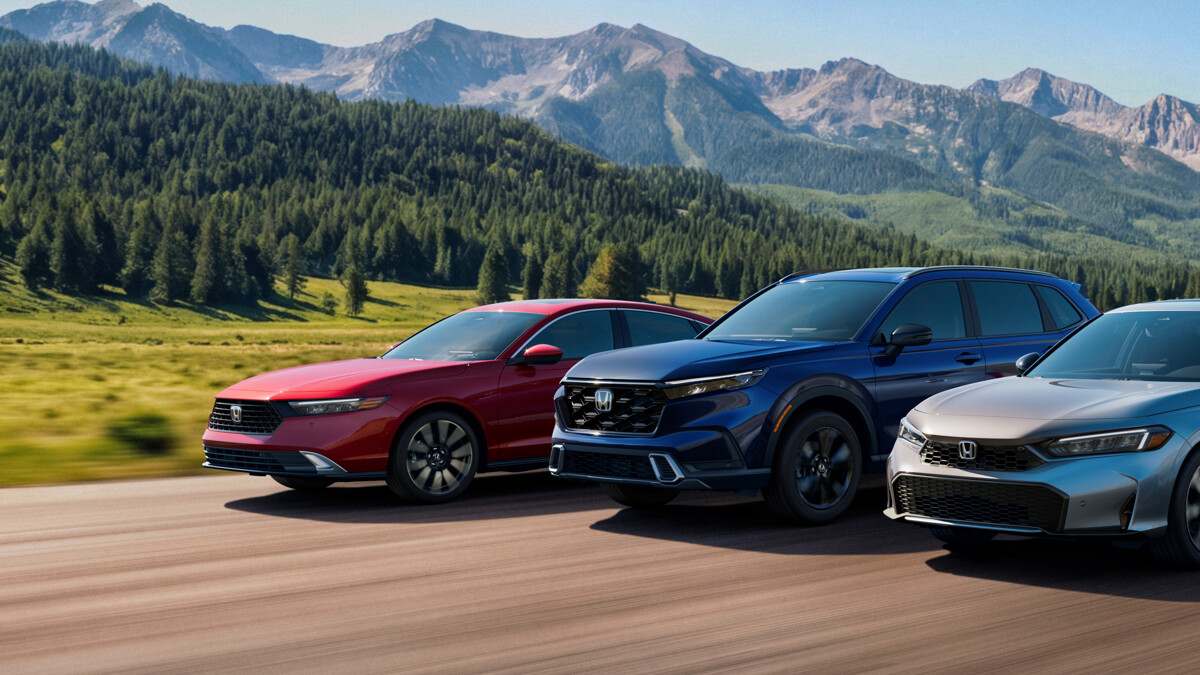
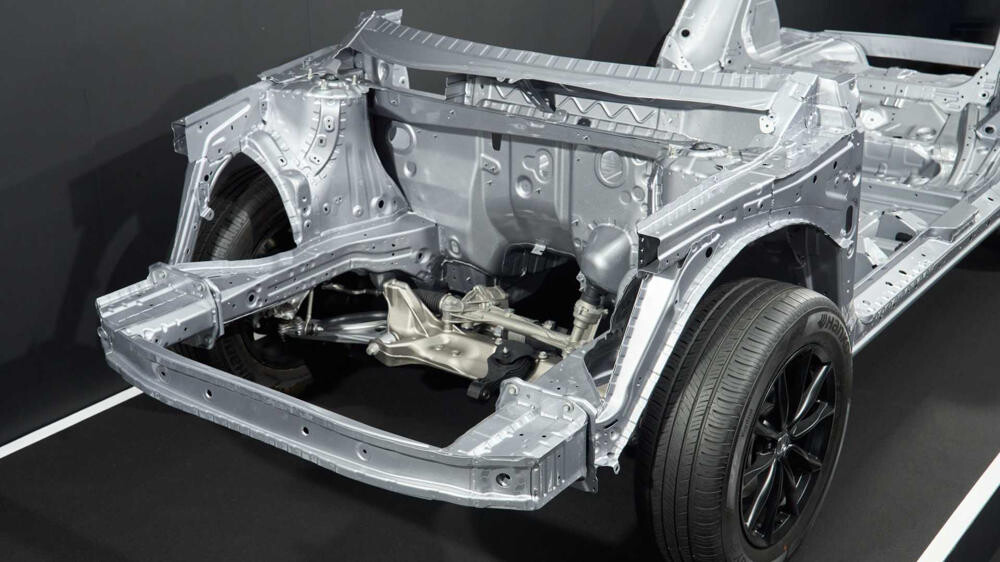
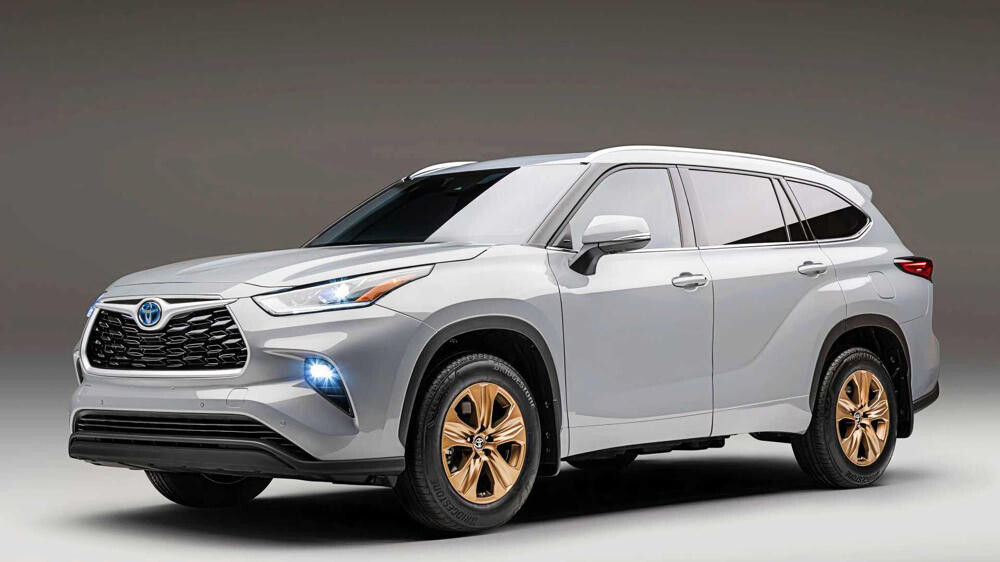
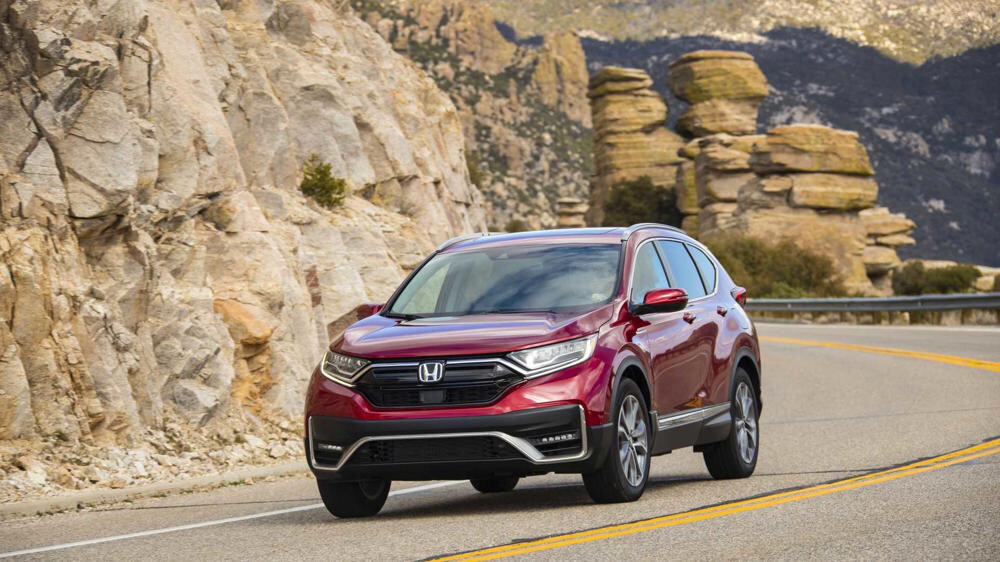
Honda has been teasing its upcoming hybrid assault for some time now. We got a preview of its new platforms and powertrains last year, which were followed by some concepts early this year. Honda has been surprisingly forthcoming with details about all these aspects, but the one thing it hasn't shared is exactly when the first production vehicles with said platforms would launch. Finally, Honda has given us an answer, and it's next year in the seventh-generation CR-V. It's Going Hybrid Only Honda wasn't any more precise about the launch of the 2028 CR-V besides saying it would show up next year, but rumors suggest we'll see it soon. A recent report said that production of the new SUV would kick off in Canada in February, followed by production in Indiana and Ohio in March. Honda has also confirmed that all three of those production locations will be building the new SUV. Not only that, but the hybrid power units and engines will also be built in Ohio. Capacity for those powertrains, including ones for larger models coming later, will be growing by 250%. Honda will need all that capacity, because the CR-V alone is the brand's bestseller, and the new generation will only be available as a hybrid. Honda has plenty to back that decision up. It says that hybrid CR-Vs have made up more than half of the model's sales this year, and the volume for the hybrid is up by 10 times compared to the first year in 2020. Plus, the SUV's arch-rival, the RAV4, already switched to hybrid power-only with its redesign, and it probably would've beaten the CR-V in sales if it weren't for production troubles early this year. What Else Do We Know About The CR-V's Platform? Even though a new hybrid powertrain is a big part of Honda's new electrified cars, Honda has done more than that. One of the major platform upgrades will be a far lighter chassis, with potential weight savings of nearly 200 pounds. The company has strategically added some flexibility to parts of the chassis for improved driving feel, plus suspension and braking tweaks to improve handling. More commonalities in parts across models will also be used, which should keep costs down. Honda is taking a very comprehensive approach to these new hybrids. The powertrain is still the heart of it all, though. The CR-V and similarly-sized hybrids will use a new naturally-aspirated Atkinson-cycle 2.0-liter four-cylinder. One of its main upgrades over the current engine will be direct fuel injection. New motors will also be in use that should be more efficient than before. They will all combine to work similarly to the current hybrid system, but should generally be more efficient and more potent. CarBuzz Insight – Why This Matters Honda knows the CR-V has become its most-important model, particularly in the US, and it has finally overtaken the RAV4 in sales this year. Keeping it as far ahead of the competition with an improved chassis and powertrain is a great move to help keep the model on top. Additionally, if the new platform does bring some cost-savings, on top of sutained or growing sales, Honda may be able to make up some of its losses from its aborted EV program. For the greater automotive industry, Honda's move makes it more clear than ever that hybrids will likely be the core of the auto industry, at least in the near-term. Two of the bestselling SUVs in America will be hybrid-only, and the competition is bringing their own options, such as Nissan's Rogue and Mazda's CX-5. Honda might've swung and missed with EVs, at least for now, but it's gunning for a home run on the hybrid front.

 Liked by Hannah Wilson, Audrey Young





 Liked by Hannah Wilson, Audrey Young