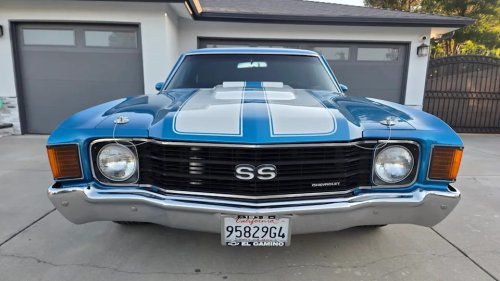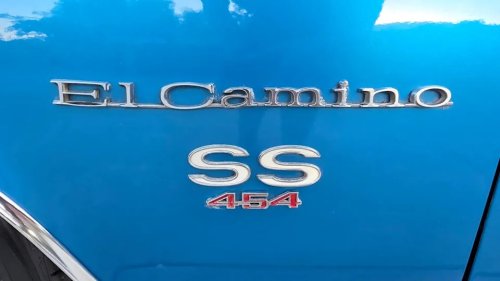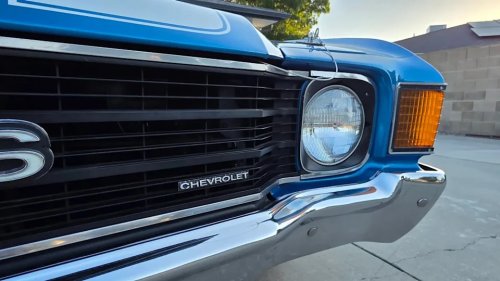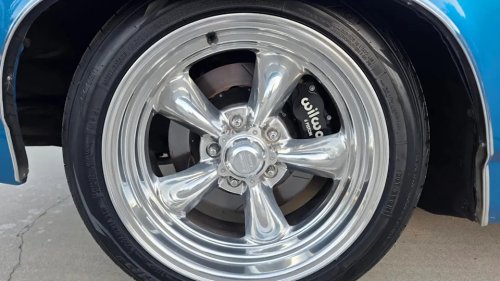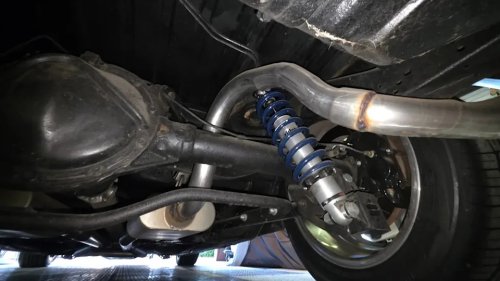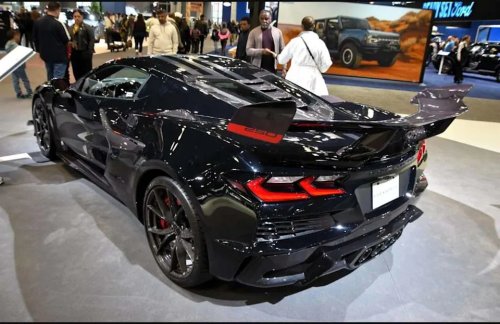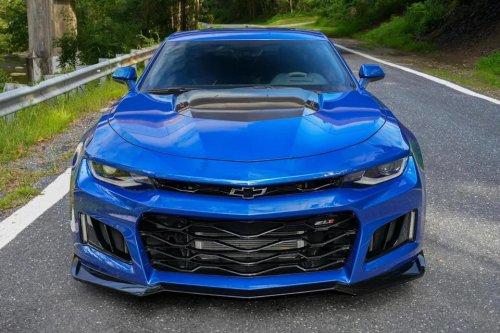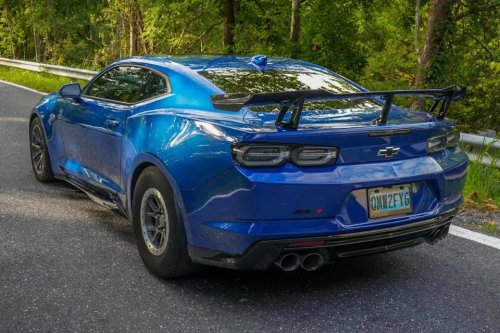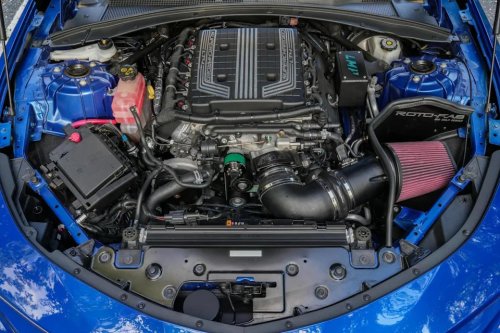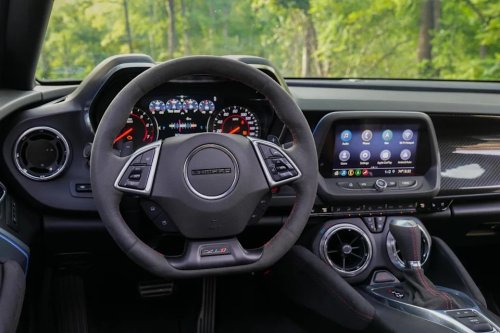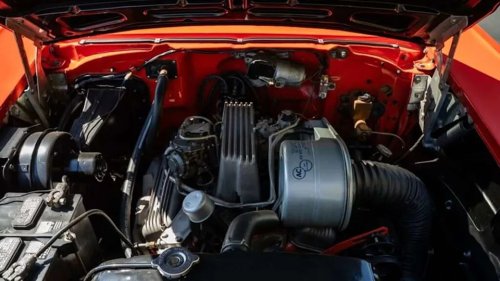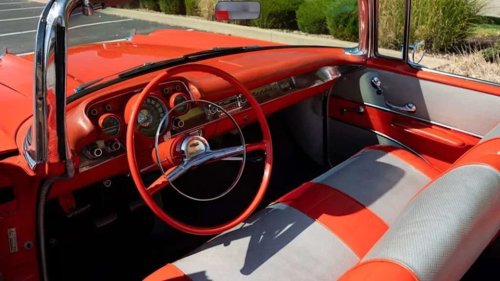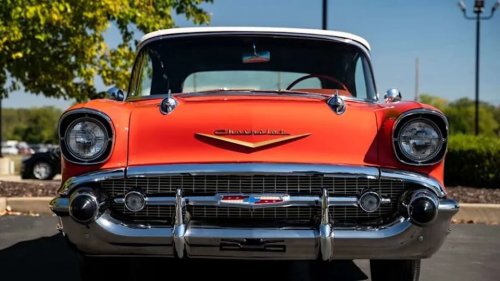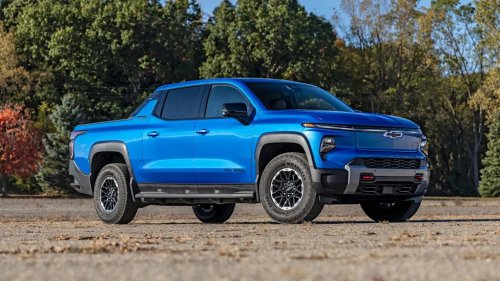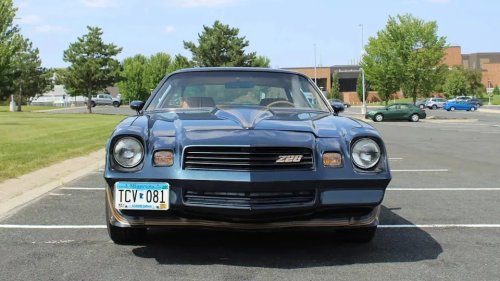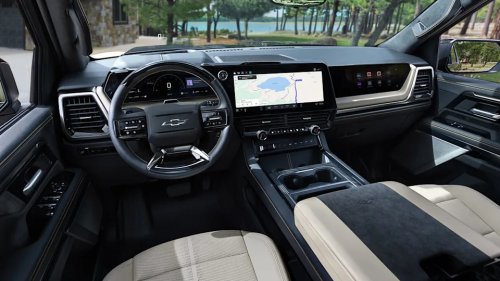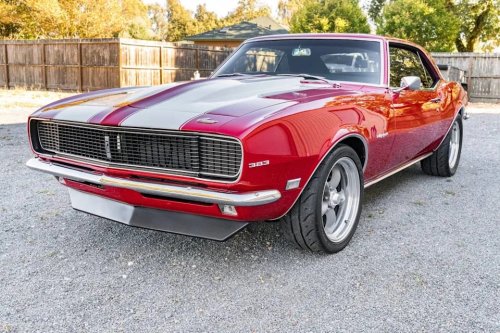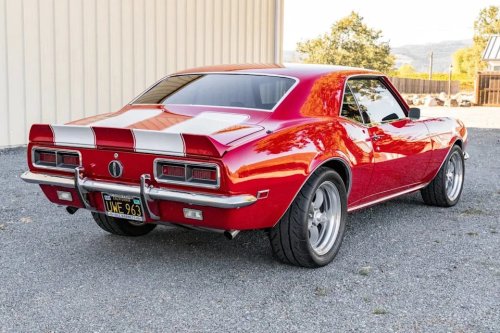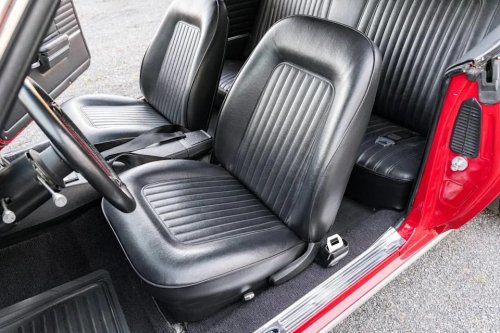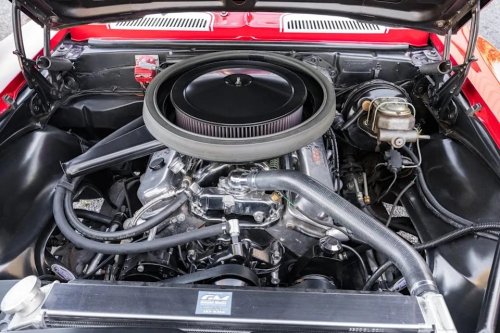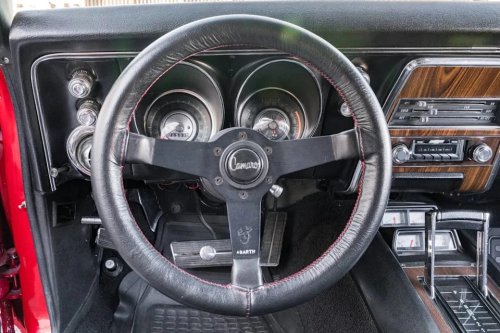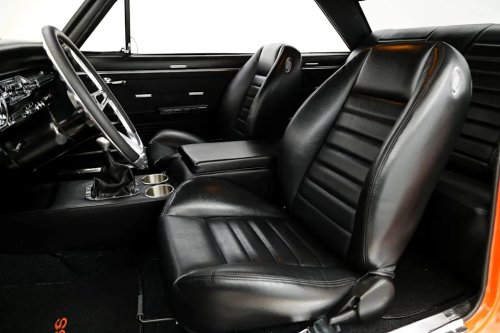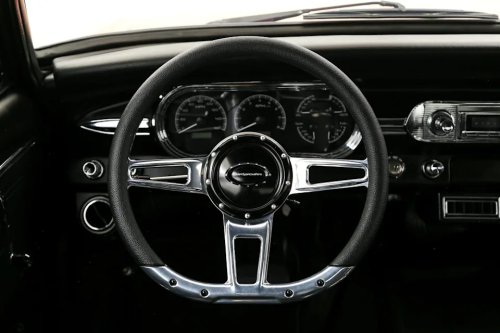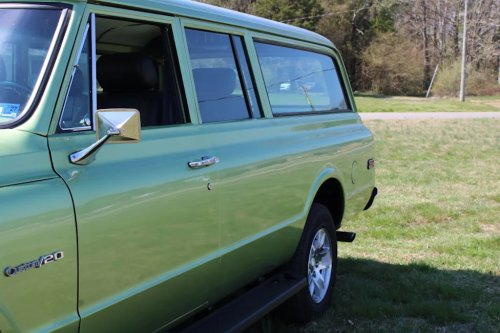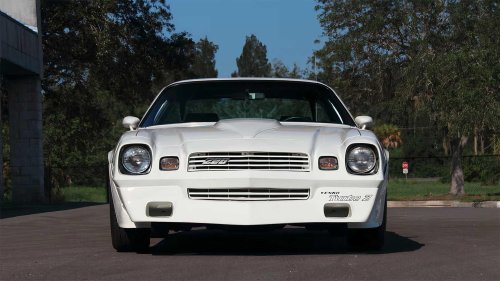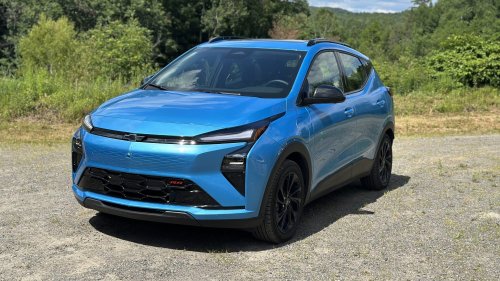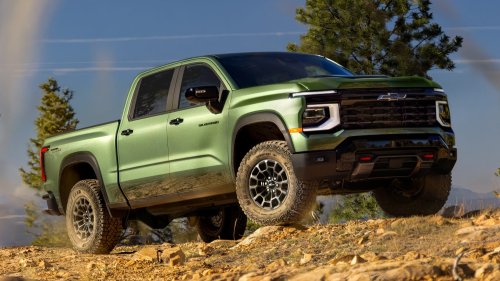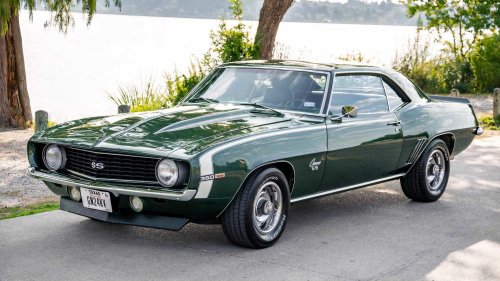
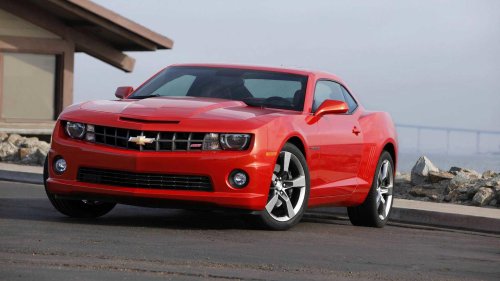
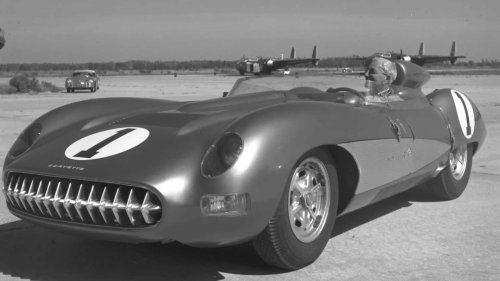
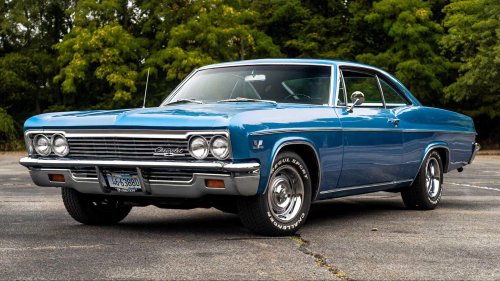
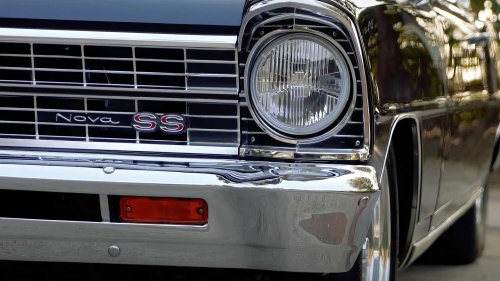
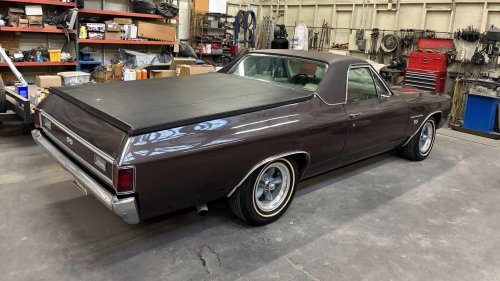
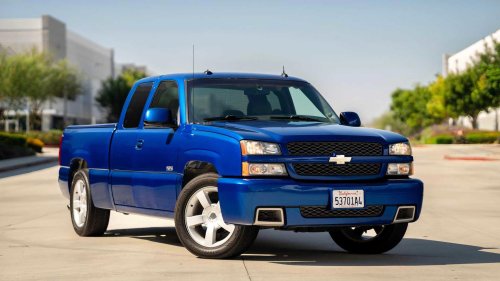
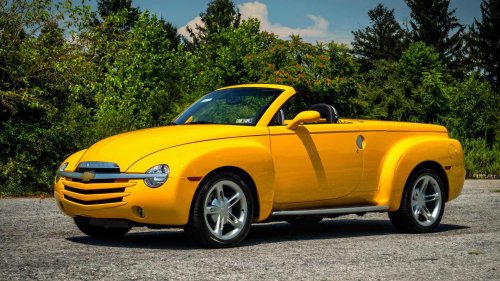
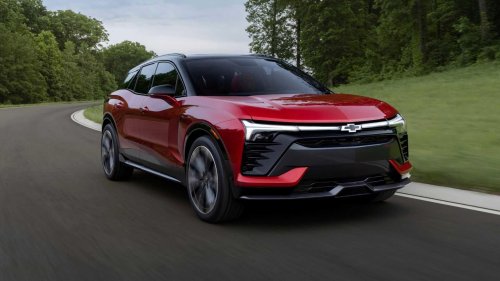


















The SS name has historical connotations – the kind that caused British brand SS Cars to change its name to Jaguar in 1945 – but Chevrolet clearly had no such compunction. The American powerhouse has used the two simple letters to denote some of its most famous performance cars over the years, and the badge has become legendary as a result.From the Impala SS to the even more famous Camaro SS, the badge has become a byword for American muscle, alongside the Ford Mustang and Dodge Charger. Yet even for some gearheads, the SS name's origins and meaning are a bit of a mystery, but there's no doubt how interesting and iconic the badge has become for collectors. The Most Famous Chevrolet SS Cars Bring a TrailerAfter appearing on the Impala and then, slightly disappointingly, on the Nova – effectively as a trim package – the SS badge really found fame on the Camaros of the late 1960s. With their traditional muscle-car image, SS badges on the grilles and rip-roaring V8s under the bonnet, the Camaro turned "SS" into a household name. As standard, the 1967 Camaro SS had a 350-cubic-inch V8, but that was supplemented by a more powerful 396-cubic-inch option, and both engines were paired with some useful chassis upgrades. Between 1967 and 1969, almost 100,000 examples of the Camaro SS were sold, proving two letters had finally caught the imagination of the American public.In the 1990s, the SS name resurfaced on the Impala SS, which was effectively an Impala sedan with the LT1 engine squeezed under the hood. The 5.7-liter motor gave it 260 horsepower, while sports suspension helped it corner more aggressively and bigger brakes were fitted to tame the huge V8. Although it only survived until 1996, almost 70,000 were sold.Chevrolet Then, in 2010, Chevrolet announced a new fifth-generation Camaro, which would once again come with an SS version. Unlike the previous Camaro, which was also available in SS form, the fifth-gen car saw the 1960s Camaro's lines recreated with a modern twist, while the long hood hid a 6.2-liter, 429-horsepower V8. Bringing the SS badge back was an inspired move, and the Camaro managed to outsell its arch-rival, the Ford Mustang. The First SS Car Is Not What You Think RM Sotheby's The very first car to wear the SS badge was actually a Corvette, built in 1957 to race against the Jaguar D-Type, but largely unrelated to the road-going Corvettes of the time. Yes, it looked vaguely similar at the front, but underneath it was wholly redesigned, with different suspension, ramjet fuel injection, and a 283ci V8 bored out to 307 cubic inches and good for over 300 hp on the track. It never won anything, despite breaking a lap record at Sebring, but it set the stage for what Chevy's SS cars would become in the future.Bring a TrailerFor four years, the SS name lay dormant until Chevrolet decided to modify and improve the 1961 Impala, which usually came with six-cylinder or small-block V8 engines producing less than 300 horsepower. At first, the resurrected SS badge – now on a production car for the first time – was essentially a trim level, but it was offered with either a 348-cubic-inch V8 or the 409-cid engine that produced 360 horsepower. It never sold that well, and 409-powered Impala SS models are rare today, but it was the genesis of a legend.If you like the sound of owning the muscle car that started an iconic nameplate, then expect to spend around $61k for a decent example. And if you don't just want an early-60s Impala SS, but have your sights set on a mint 409, they regularly fetch six figures at auction. What The SS Badge Actually Stands For Autotopia LA / YouTubeIn Chevrolet parlance, the SS badge is not just indicative of some of the fastest variants out there, but it does actually stand for something: Super Sport. Originally conceived for motorsport, the badge fitted the original 1950s Corvette SS, even though it never had much success, and it worked on the big V8 Camaros. Later on, as a trim level, the SS package essentially just included slightly more sophisticated suspension, and it could have lost some of its allure as a result. But the Camaro SS demanded respect, and the attention has remained ever since.Although not all SS cars are equal, and some effectively used the badge to denote a trim level that came with slightly more track-oriented suspension, the SS badge became a status symbol. Thanks in no small part to the Camaro, the SS-badged products that followed basked in reflected glory, and told customers they were buying one of the fastest, sportiest, and most exciting examples of their car. Even if the vehicle itself wasn't all that exciting. Not All SS Cars Are Muscle Cars Mecum AuctionsThe SS name might have its roots in motorsport, but some of the cars it has adorned have been decidedly drab. Admittedly, the first utility vehicle to bear the name — the El Camino SS — shared plenty with the Chevelle SS muscle car, and its combination of rakish looks and thunderous V8 power made it something of a hero. Today, El Camino models will set you back around $35,000, and SS versions regularly go for more than $50,000 at auction.Since then, some pretty nondescript family vehicles have been fortunate enough to wear the SS badge. The Silverado pick-up truck may be hugely popular, but it isn't exactly exciting in standard guise, so Chevrolet upped the ante with the LQ9 V8 engine, wedged under the hood of the Silverado 1500 of the early-2000s. That gave the truck 345 horsepower, which initially went to all four wheels. In 2005, though, Chevrolet offered a rear-drive option.Bring a TrailerThe Silverado was far from the first "proper" pick-up to get the SS treatment, however. Back in the early 1990s, Chevrolet produced the 454 SS, a boxy pick-up truck with a massive 454-cubic-inch big-block V8 up front. While the engine was massive, it made just 230 horsepower, as it was tuned primarily for torque, in search of low-down grunt. That meant the 454 would shift — particularly when the 255 horsepower version was introduced — but it wasn't that rapid, even by the standards of the time. It looked mean, though.Bring a Trailer As did the SSR. Although it used SS as a prefix, rather than a suffix, the retro-styled convertible utility vehicle of the early-to-mid-2000s combined a muscle-car motor with a pick-up flatbed and a folding roof. That's a bold combination, and it never really caught on, but the SSR had a 300-horsepower V8, sporty suspension, and big brakes, which made it quite good in the corners. But it was heavy, so it was hardly the fastest thing on four wheels.Nor was it the only retro-styled car to wear the SS badge. Chevrolet also built an HHR SS, which didn't look all that dissimilar to the Chrysler PT Cruiser, and had much the same remit. HHR stood for Heritage High Roof, and the van-like vehicle was not exactly sporty to start with. Yet the SS model had sportier looks and a more powerful 2.0-liter turbocharged gasoline engine, producing 260 horsepower, as well as suspension tuned at the infamous Nurburgring Nordschleife circuit. What The SS Badge Means Today The last muscle car to bear the name was the sixth-generation Camaro SS, which was one of the most spectacular versions of that iteration of Camaro. Although SS doesn't necessarily represent the pinnacle of the Camaro range these days – the Camaro ZL1 holds that honor – it was still a desirable variant right up to the car's withdrawal at the beginning of 2024.Powered by a 6.2-liter LT1 V8, the SS packed 455 horsepower, which was enough to take the muscly coupe to 60 mph in four seconds flat. It was also available with high-tech Magnetic Ride Control dampers, which could change the viscosity to adapt the car's ride to the situation, and gave it a more technical feel to match its enormous brawn.Chevrolet With the Camaro out of the picture, there are no SS muscle cars in Chevrolet's range, but it lives on in the Chevrolet Blazer EV. The all-electric Blazer EV SS is billed as a high-performance SUV, so it gets a generous specification including Brembo anti-lock brakes and 22-inch alloy wheels, but it isn't just a trim level. Instead, Chevy has given the Blazer SS a two-motor electric powertrain with 615 horsepower and the Wide Open Watts launch control system, which helps the car get from zero to 60 mph in around 3.4 seconds.Whether there will be a new Camaro SS or not remains to be seen, but it's rumored that Chevy is thinking about it. No matter whether it happens, the SS name has already written its name in legend. Classic.com data suggests first-generation Camaro SS models, built between 1967 and 1969, have been selling for an average price of almost $100,000 in 2026, which just goes to show how desirable those vehicles are. There can be no doubt that the SS legend has made it one of the classic vehicles to own.Sources: The Classic Valuer, Classic.com, Chevrolet