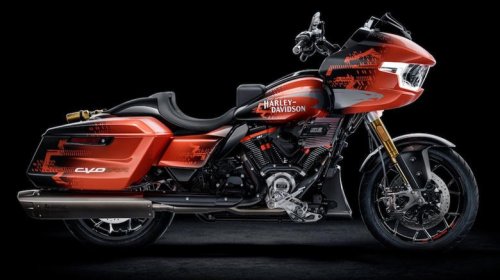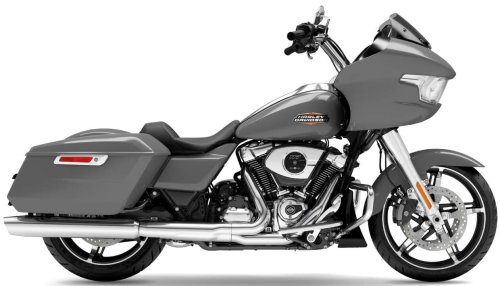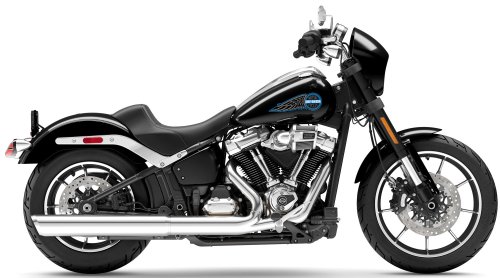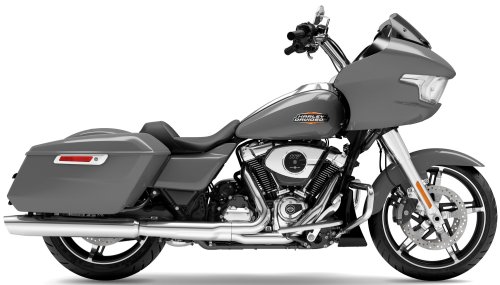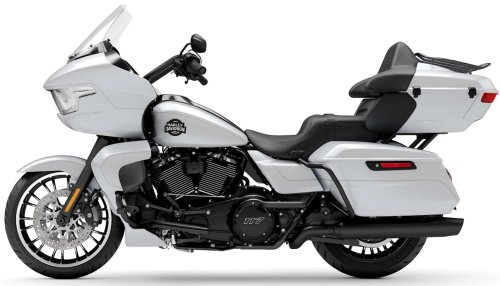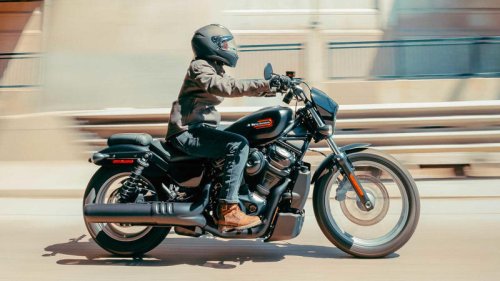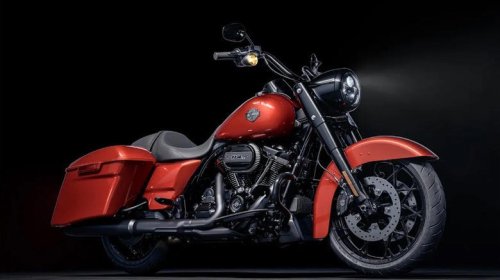



















Harley-Davidson recalls 16,994 Softails over rear brake line leak riskHarley-Davidson is recalling 16,994 Softail motorcycles in the United States after discovering that a rear brake hose can rub against the rear tire, creating a risk of brake fluid leaks and reduced braking performance. The action affects specific 2025 and 2026 model-year Softails and shows how a seemingly minor routing detail in a hydraulic line can turn into a significant safety issue for riders. The recall, which centers on the rear brake line and its protective sleeve, underscores the fine margin between normal wear and a potential loss of braking force at highway speeds. It also illustrates how quickly a major manufacturer is expected to react once a pattern of field reports begins to point toward a defect that could compromise stopping power. What happened Harley-Davidson notified federal regulators that 16,994 Softail motorcycles from the 2025 and 2026 model years are being recalled in the United States because the rear brake line may contact the rear tire during operation. According to the company’s defect report, the contact can wear through the outer protective sleeve on the brake hose and eventually damage the hose itself. That damage can lead to a brake fluid leak in the rear circuit and a corresponding drop in rear braking performance. The affected group includes four Softail variants: the FLHC Heritage Classic, the FXBB Street Bob, the FXLRS Low Rider S, and the FXLRST Low Rider ST. Harley identified specific production ranges for these models, all within the 2025 and 2026 model years, and tied them to a particular routing layout for the rear brake hose. The recall filing notes that 16,994 units in total are covered and that the issue is limited to motorcycles built with this routing configuration and hose design. In its description of the defect, Harley explains that the rear brake hose runs close to the rear tire and can move under suspension travel and frame flex. Under certain conditions, especially with sustained riding and load changes, the hose or its sleeve can make intermittent contact with the rotating tire. Over time, this repeated contact can abrade the protective sleeve, then the hose material, and finally compromise the integrity of the hydraulic line. A compromised hose can allow brake fluid to escape, which reduces hydraulic pressure and weakens rear braking action. Reports of the problem emerged from the field, where riders and dealers noticed unusual wear marks on the hose and, in some cases, signs of fluid leakage. Harley-Davidson opened an internal investigation that included inspection of returned components and comparison with design specifications. Engineers traced the pattern to the routing path and the position of the hose relative to the tire and swingarm. The company then conducted testing to replicate the contact under real-world loading and road conditions, which confirmed that abrasion could occur over time. Once the defect was confirmed, Harley moved to a formal recall and prepared a remedy plan. The company’s recall bulletin explains that dealers will inspect the rear brake hose on each affected motorcycle and replace it with a new hose that incorporates a revised routing or additional protection. Dealers will also install updated fasteners or guides to keep the line at a safe distance from the tire. The repair will be performed at no cost to owners, and Harley will reimburse customers who previously paid for related repairs if they can provide documentation. According to the recall notice summarized by motorsports filings, Harley-Davidson plans to notify owners by mail and instruct them to schedule service with an authorized dealer. The company states that parts are expected to be available and that dealers have been briefed on inspection criteria, replacement procedures, and how to document completed repairs. European reporting on the same defect explains that the rear brake hose’s protective sleeve can be worn through by repeated tire contact, which then exposes the hose to further abrasion. One technical summary notes that riders might notice a soft rear brake pedal, longer stopping distances, or visible fluid around the rear caliper or hose before a full loss of rear braking occurs. That description of the failure sequence aligns with the engineering analysis in Harley’s submission to regulators. A detailed breakdown from a motorcycle-focused outlet describes how the recall affects 2025 and 2026 Softail models that share a common chassis and brake layout. The analysis points out that the rear brake line is routed along the right side of the swingarm and then curves up toward the rear master cylinder, a path that leaves limited clearance near the tire. Under heavy suspension compression, such as when riding over bumps or carrying a passenger and luggage, the hose can flex closer to the tire and start to rub. That mechanical explanation matches the failure mode described in the recall documents. Consumer-focused coverage of the recall emphasizes that 16,994 motorcycles are involved and that the defect can lead to a loss of rear braking function if the hose fails. One report aimed at general audiences notes that the recall covers certain 2025 and 2026 Softail models and that Harley is advising owners to watch for warning signs such as a change in brake feel or visible fluid. The same report explains that the company will notify owners and that dealers will perform the repair free of charge, reinforcing the message that riders should not ignore the recall notice once it arrives. Why it matters Rear brake performance is a foundational safety element for any motorcycle, and the stakes are higher on heavyweight cruisers like the Softail family. While experienced riders rely heavily on the front brake, the rear brake still plays a key role in stabilizing the bike, controlling speed in corners, and managing low-speed maneuvers such as U-turns, parking, and stop-and-go traffic. A sudden reduction in rear braking force can upset that balance, especially for riders who are not expecting a change in pedal response. In Harley-Davidson’s case, the recall does not involve a software glitch or a rare electronic failure. It centers on a physical routing issue that can gradually erode a hydraulic line. That kind of mechanical problem is both straightforward and serious. If the hose wears through and begins to leak, the rear brake circuit can lose pressure. The rider may first notice a spongy pedal or a need to press harder to achieve the same deceleration. In a worst-case scenario, the rear brake could fail to contribute meaningfully during an emergency stop. The safety implications go beyond the rear brake alone. On a long-wheelbase cruiser, the rear brake helps keep the bike settled under braking, especially on uneven pavement or in wet conditions. If the rear circuit weakens, the rider may compensate by using more front brake, which can shift more weight onto the front tire and increase the risk of a skid if traction is limited. The problem is compounded at highway speeds, where stopping distances are already long and riders may have less time to react to a change in brake feel. From a regulatory perspective, the recall illustrates how closely motorcycle safety is monitored. Manufacturers are required to report potential defects and field incidents, then work with regulators to determine whether a formal recall is warranted. Harley-Davidson’s decision to recall 16,994 units shows that the threshold for action is not limited to catastrophic failures. A credible risk of reduced braking performance is enough to trigger a safety campaign, especially when the failure mode involves a component that can degrade over time in normal use. For owners, the recall matters because it affects relatively new motorcycles that may still be under warranty and are likely to be in regular use. Riders who purchased 2025 or 2026 Softail models, including the FLHC Heritage Classic and FXBB Street Bob, may have assumed that a factory-fresh bike would be free of such defects. The recall serves as a reminder that even new models can harbor design issues that only become apparent after real-world miles accumulate. Prompt participation in recall repairs is therefore a key part of responsible ownership. The recall also touches on brand reputation for Harley-Davidson, a company that markets its Softail line as a blend of classic styling and modern engineering. A brake-related recall can raise questions among some riders about quality control and design validation. At the same time, swift action and transparent communication can help limit reputational damage. By identifying the specific models and production years, outlining the defect, and offering a clear remedy, Harley can demonstrate that it is addressing the issue rather than minimizing it. Enthusiast coverage of the recall points out that the affected models, including the FXLRS Low Rider S and FXLRST Low Rider ST, are popular among riders who value performance as well as style. These bikes often see spirited riding and longer trips, which can accelerate wear on components such as brake hoses. A report aimed at performance riders notes that the recall’s focus on the rear brake line reflects how even seemingly minor routing choices can have real consequences when a motorcycle is pushed hard on back roads or loaded for touring. International reporting on the same defect underscores that brake-related recalls are not unique to Harley-Davidson. Other manufacturers have faced similar issues when brake lines or ABS sensor cables were routed too close to moving parts. A technical outlet that covers braking systems references a separate recall in the automotive sector where a brake fluid leak risk prompted a large campaign. That comparison highlights a broader industry pattern: hydraulic systems are sensitive to abrasion, heat, and routing errors, and even small deviations from design intent can create long-term reliability problems. The human dimension of the recall is also relevant. Riders who experience a soft rear brake pedal or notice fluid near the rear wheel may feel a loss of confidence in their machine, even after repairs. Confidence is a vital part of safe riding, since hesitation or distraction can affect reaction times and decision-making. By framing the recall as a preventive measure and ensuring that dealers handle inspections thoroughly, Harley-Davidson can help restore that confidence. Consumer-focused coverage of the recall frames it as part of a broader pattern of motorcycle safety campaigns. One report aimed at a general audience notes that thousands of bikes are being called back for a rear brake issue and encourages owners to check their vehicle identification number against recall databases. That kind of guidance helps bridge the gap between technical defect descriptions and practical steps riders can take to stay safe. What to watch next The next phase of the recall will hinge on execution. Harley-Davidson must ensure that every affected owner receives a notification and that dealers have the parts and training needed to complete repairs quickly. Observers will be watching how many of the 16,994 recalled motorcycles actually receive the fix within the first year, since completion rates are a key measure of recall effectiveness. High completion rates would suggest that communication and dealer support are working as intended. More from Fast Lane Only Unboxing the WWII Jeep in a Crate 15 rare Chevys collectors are quietly buying 10 underrated V8s still worth hunting down Police notice this before you even roll window down