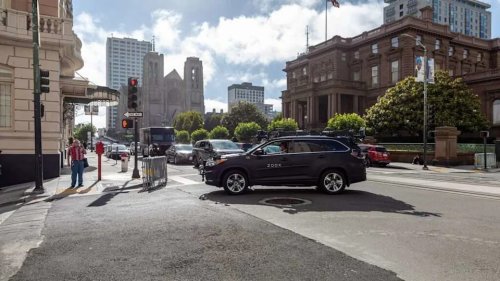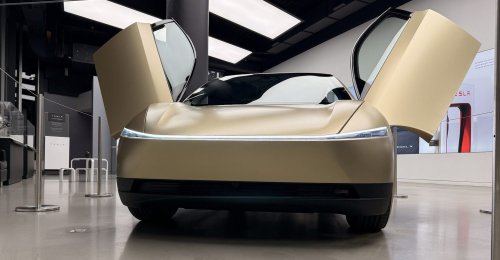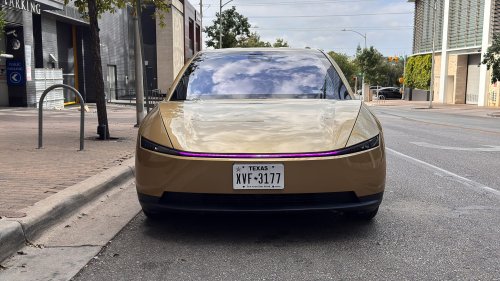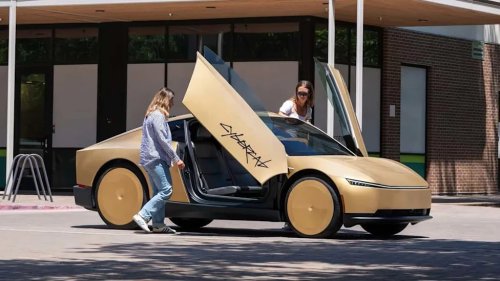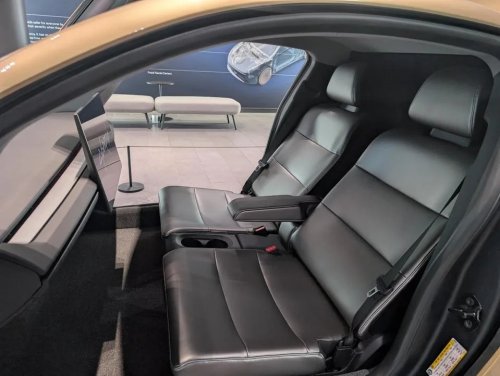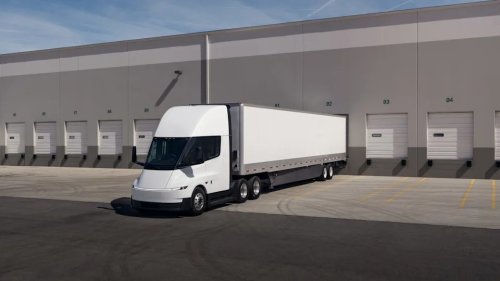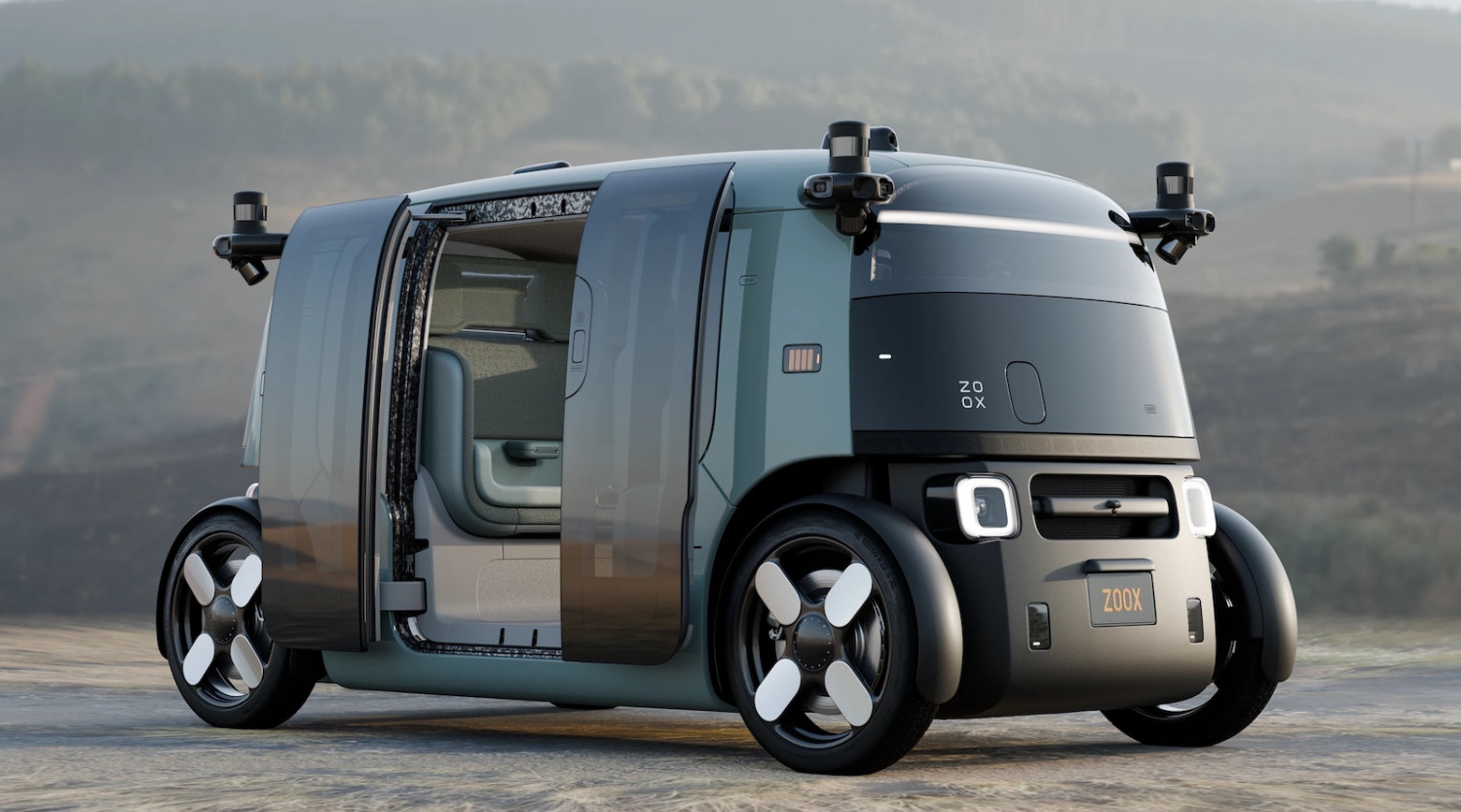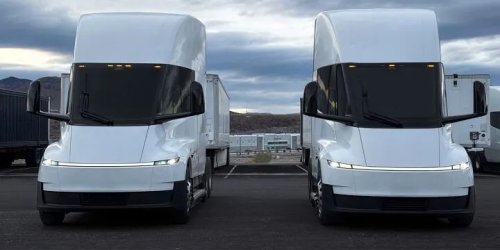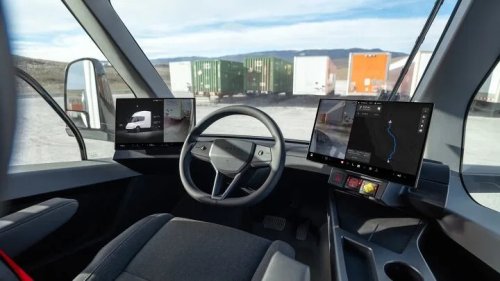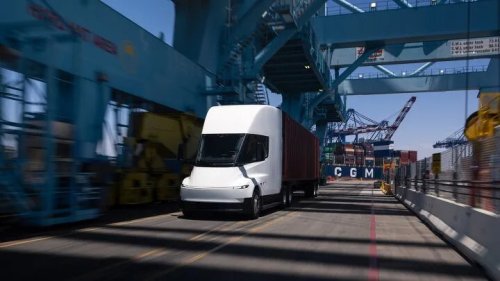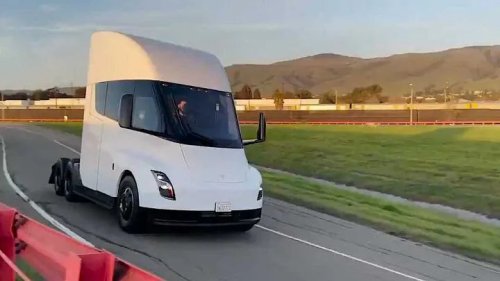









Grok In Tesla Robotaxis: The Fine Print Riders Are MissingThe Auto WireEve NowellWed, September 9, 2026 at 4:12 PM UTCAdd us on GoogleGrok In Tesla Robotaxis: The Fine Print Riders Are MissingEveryone's passing around the news that Grok is "coming" to Tesla's Robotaxi service. It isn't coming. It's already in the fleet, and the place Tesla documented it wasn't a hype post — it was a privacy notice most riders will never open.Tesla's Robotaxi Rider Privacy Notice states plainly, in the section covering infotainment data, that "Robotaxi uses Grok, an intelligent AI-powered assistant built by SpaceXAI." It adds that the assistant is governed by SpaceXAI's own privacy policy, that AI answers can be wrong, and that Grok conversations stay anonymous to Tesla and aren't tied to your account. That single paragraph tells you more about what riders are actually signing up for than anything posted on X this week.Speaking of which, Tesla's official Robotaxi account did post the marketing version on September 6: "Talk to Grok to control your Cybercab." No software version, no city list, no statement that every car in Austin already does it.The document that doesn't mention Grok at allHere's the part nobody seems to have checked. Tesla published the official Cybercab Rider Guide on September 4, two days before that post. Fourteen pages covering doors, seat belts, climate, media, emergencies, dimensions. Grok appears zero times.AdvertisementAdvertisementEvery function the guide describes routes through the center touchscreen or the Robotaxi phone app. Changing your destination mid-ride? The guide says edit it in the mobile app. Pulling over? Touchscreen, app, or the physical Stop button between the dome lights. Climate? Touchscreen. The voice layer is real, but as of Tesla's own current documentation it is an undocumented convenience sitting on top of a UI that assumes you're tapping glass.Related ArticlesThe EPA Called a 17-Year-Old Rule 'Brand New' So Congress Could Fast-Track Killing It. A Judge Wasn't Buying It.Fake Dealership Websites Are Targeting Classic Car Buyers, FTC WarnsThat gap matters, because the enthusiast video Tesla amplified describes Grok sending a notification to your phone so you can edit the destination. Read that carefully. Grok isn't rerouting the car. It's handing you off to the app that reroutes the car. The assistant controls the cabin. It does not control the driving stack. Tesla has been careful about that line, and riders should be too.What Grok actually is in this contextTesla's Grok support page is worth reading because it defines the product in owner cars, which is where most of the feature set was built. It requires an AMD infotainment processor, software 2025.26 or later, and either Premium Connectivity or Wi-Fi. It offers selectable voices and personalities ranging from Storyteller to Unhinged. And Tesla's own line: "Grok is currently in Beta."AdvertisementAdvertisementNote the connectivity requirement, because it's the mechanical heart of the thing. Grok is not running on the car. Your voice goes up to a data center and the answer comes back down. In your own Tesla, a dead cell zone means a dead assistant. In a Cybercab, Tesla owns the connectivity, but the same physics apply — a parking garage, a tunnel, a congested cell site, and the voice interface degrades while the touchscreen keeps working. If you're relying on voice to change the cabin temperature and the network hiccups, you tap the screen. That's not a flaw, it's just the architecture, and it's why Tesla's official guide still treats the screen as the primary interface.There's also a comedy of missing hardware. Half the marquee Grok vehicle commands Tesla advertises don't apply here. The support page lists opening the glove box — the Cybercab doesn't have one. It lists press-and-hold on the steering wheel mic button — there's no steering wheel. It assumes a signed-in owner account with contacts for phone calls; a taxi passenger has neither. What ships in a Cybercab is a narrower thing than what's in your Model Y, whatever the demo videos imply.One small tell of how fast this is moving: Tesla's Grok page describes the assistant as built by SpaceXAI in the body text while the page's own metadata still credits xAI. The plumbing of the merger hasn't finished flowing through the website.The privacy math riders should actually doThis is where I'd slow down. Two clauses in the privacy notice sit next to each other and change the picture.AdvertisementAdvertisementFirst, by default, cabin camera and microphone are off until needed — a support request or a detected safety event. Tesla shows a green indicator when the cabin camera is live and an orange one when the microphone is active. Good design, and worth knowing what those icons mean before you assume the car isn't listening.Second, and less publicized: riders in early access areas are subject to additional collection by default, including exterior camera analytics, cabin camera analytics and sound detection data. If you're riding a Cybercab in Austin right now, you are in that group. Tesla says the data isn't linked to your account, and it says these practices are temporary. But "not linked to your account" is a different promise than "not collected."Layer Grok on top and there's a second data controller in the car. Your Grok conversation is processed by SpaceXAI under its privacy policy, not Tesla's. Tesla says those interactions are anonymous to Tesla. What they are to SpaceXAI is a separate document with separate terms. If you talk to a robot in a robot taxi, you've involved two companies in your ride, and only one of them sold you the ride.Regulation, kids, and the "Unhinged" settingThe Cybercab's age rules are stricter than the Model Y robotaxi's. Per Tesla's Cybercab FAQ, riders under 13 aren't permitted at all, and 13-to-17-year-olds may ride only with an adult. The compliance guide says the same and adds that the car has no LATCH or ISOFIX anchors, so any booster must be belt-installed. Put a selectable "Unhinged" chatbot personality in a two-seat cabin that can legally carry a teenager, and you've created a content-moderation question that no rider guide currently answers.Related ArticlesHyundai August Sales Fall 14% as Korean Strike Hits Domestic OutputAmazon Autos Heads Overseas in Early 2027 as Hyundai Touts Conquest NumbersAdvertisementAdvertisementMeanwhile the driving software underneath is under active federal scrutiny. NHTSA's Office of Defects Investigation opened PE25012 in October 2025 covering an estimated 2,882,566 Teslas over FSD running red lights and traveling against the proper direction of travel, logging 58 incidents, 14 crashes and 23 injuries. In March 2026 the agency upgraded an earlier probe into EA26002, an Engineering Analysis across roughly 3.2 million vehicles examining whether FSD reliably detects and warns about its own degraded vision in glare and airborne obscurants. That document notes one fatality among the nine crashes under review and says Tesla's own data limitations may have caused under-reporting.Those investigations concern supervised FSD, where a human is available. The Cybercab removes the human. The chatbot in the cabin does not fill that seat.Practical takeawaysLearn the three ways out before you need them. Touch Pull Over for a normal stop. The Stop button between the dome lights is for emergencies and ends the ride while connecting you to support. The mechanical door release — pulling the lever fully up — is a last resort, and Tesla's guide warns that with the windows fully up and no power, doing it can shatter the glass. Turn your head away.Understand your liability posture. You're a passenger, not an operator. Your personal auto policy isn't the primary instrument here, and improper use of the emergency release is the sort of thing a warning label exists to establish in a later dispute.AdvertisementAdvertisementAnd treat Grok as an amenity, not a control. Ask it for music. Don't expect it to take the wheel there isn't.Images Via: TeslaJoin our Newsletter, follow our Instagram page, and connect with us on Facebook.