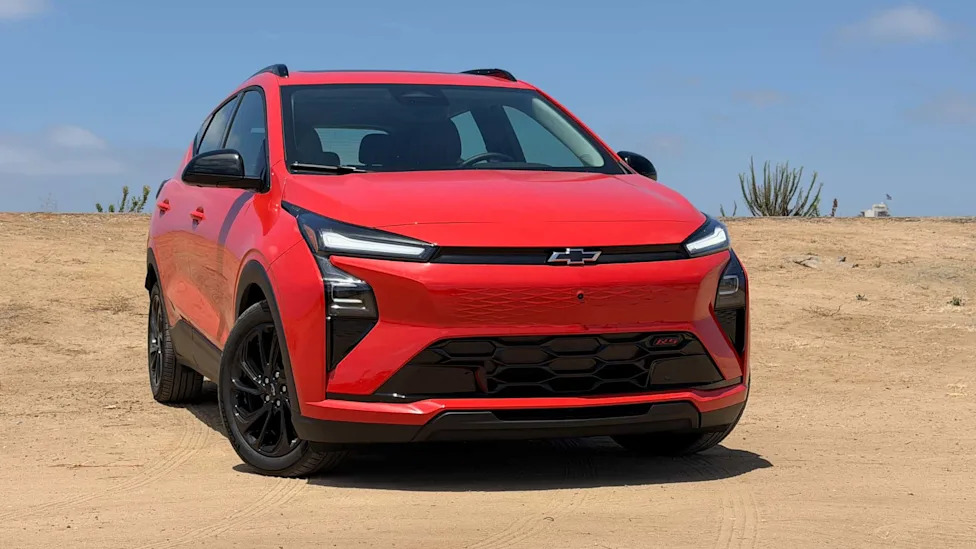
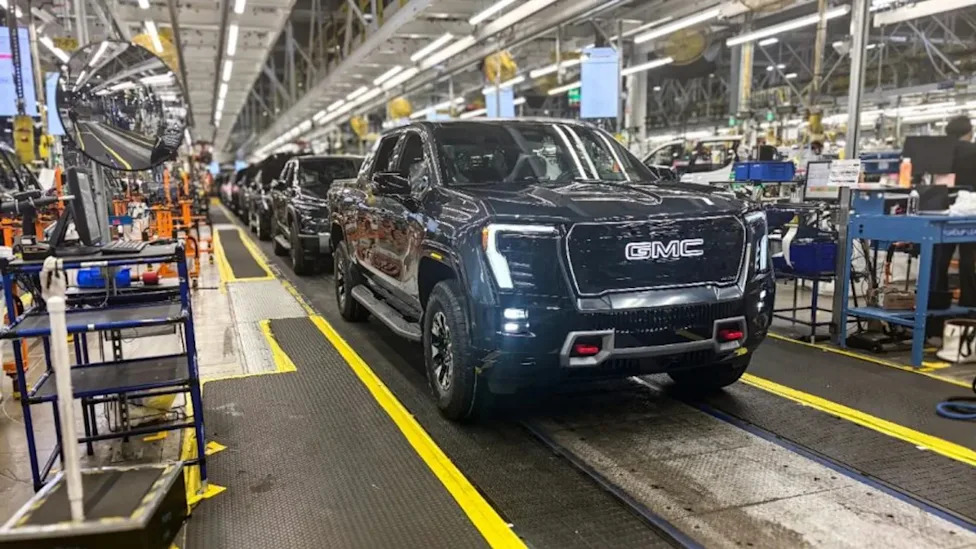
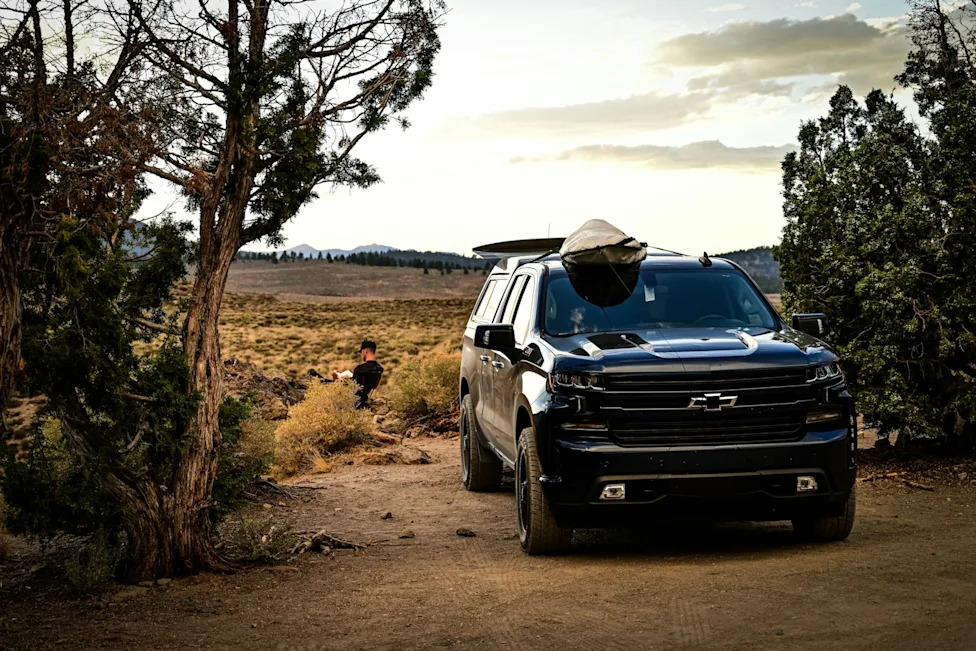
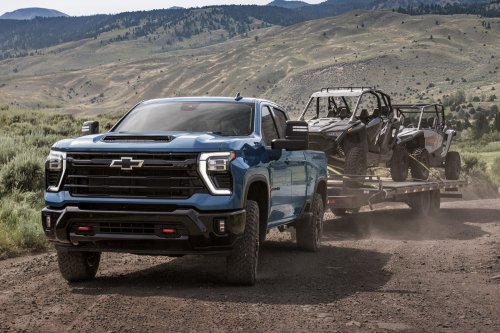
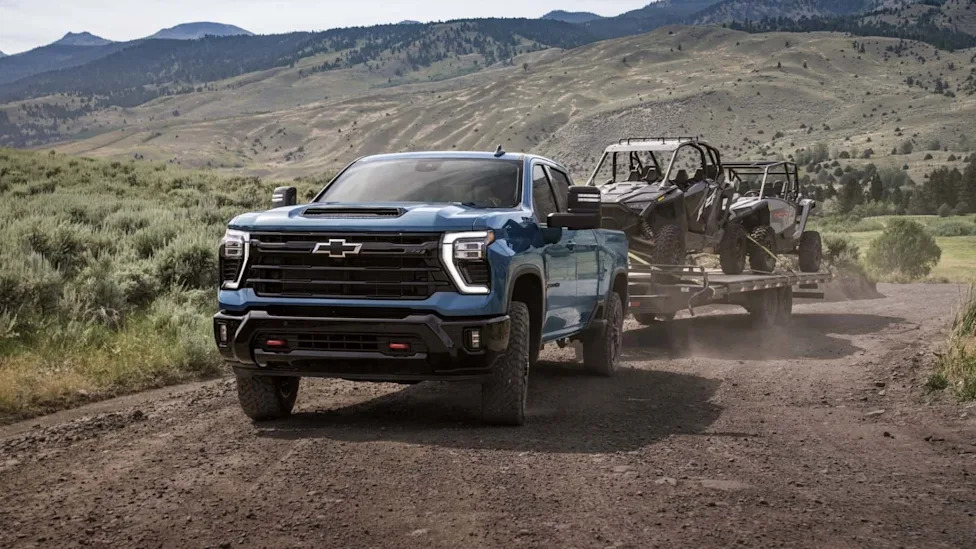
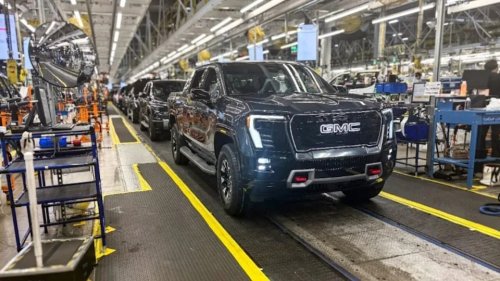
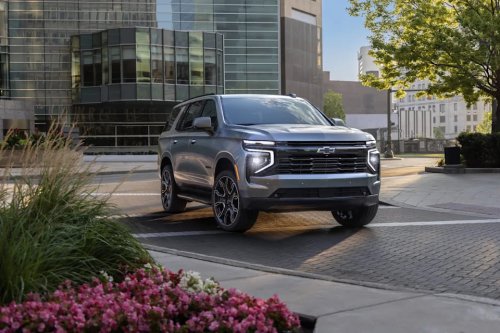
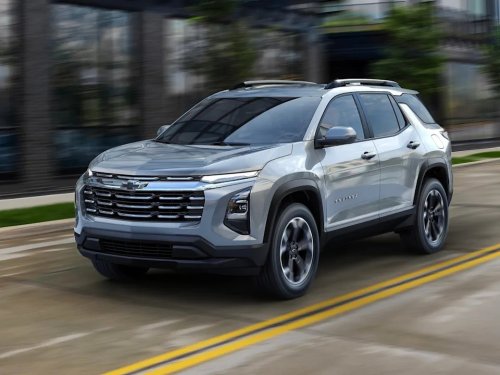
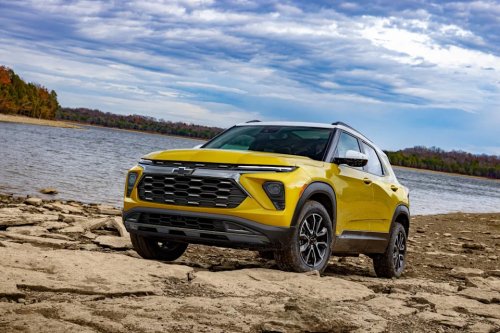
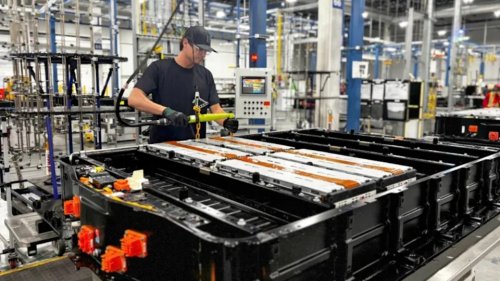
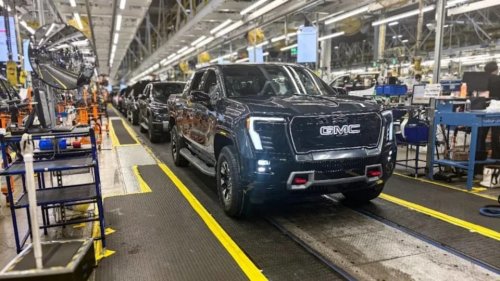
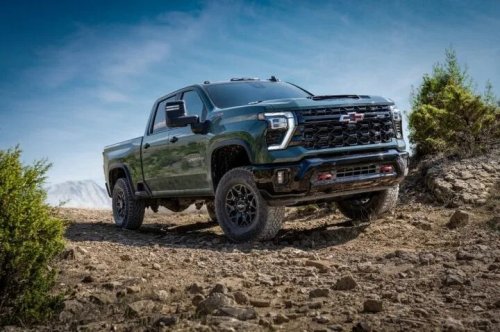
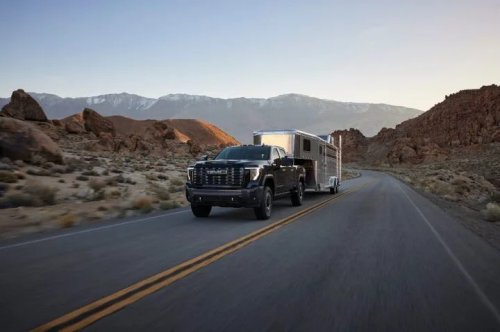
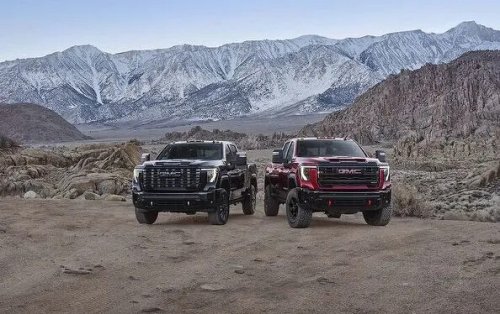
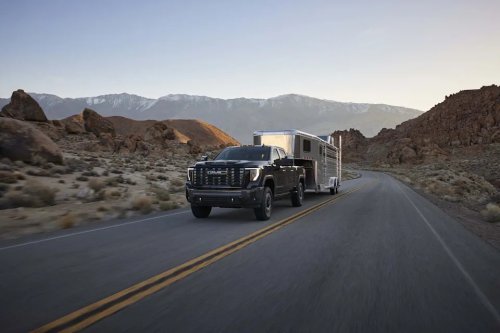
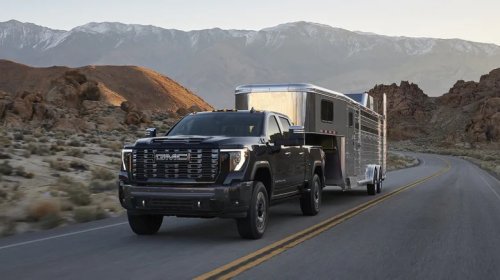
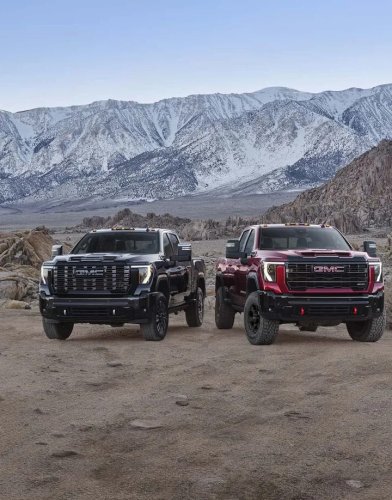
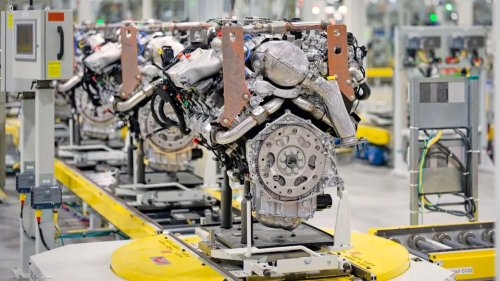
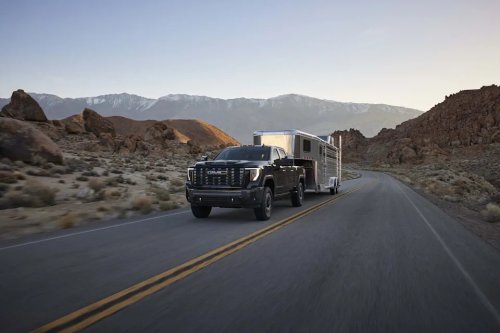
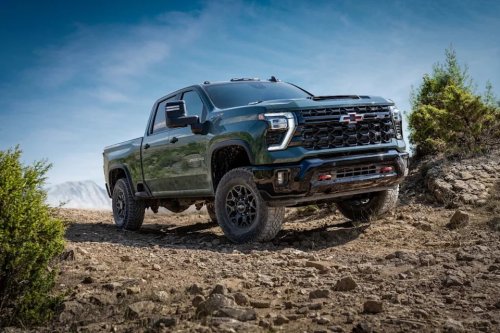
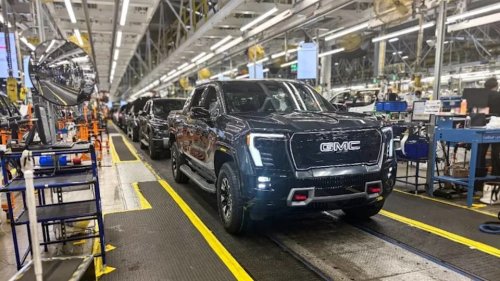
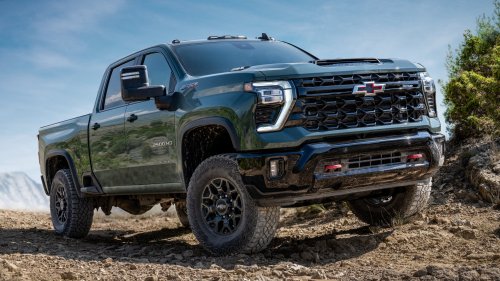
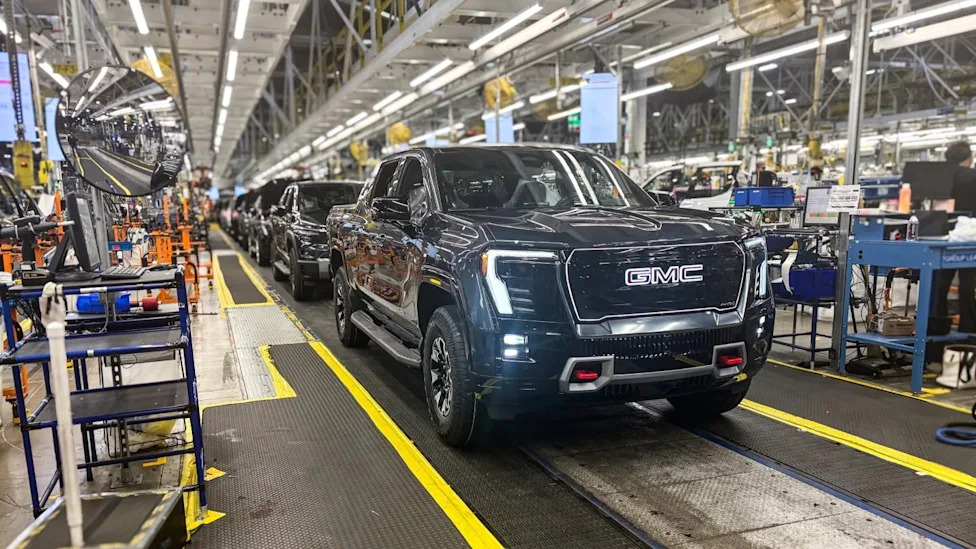
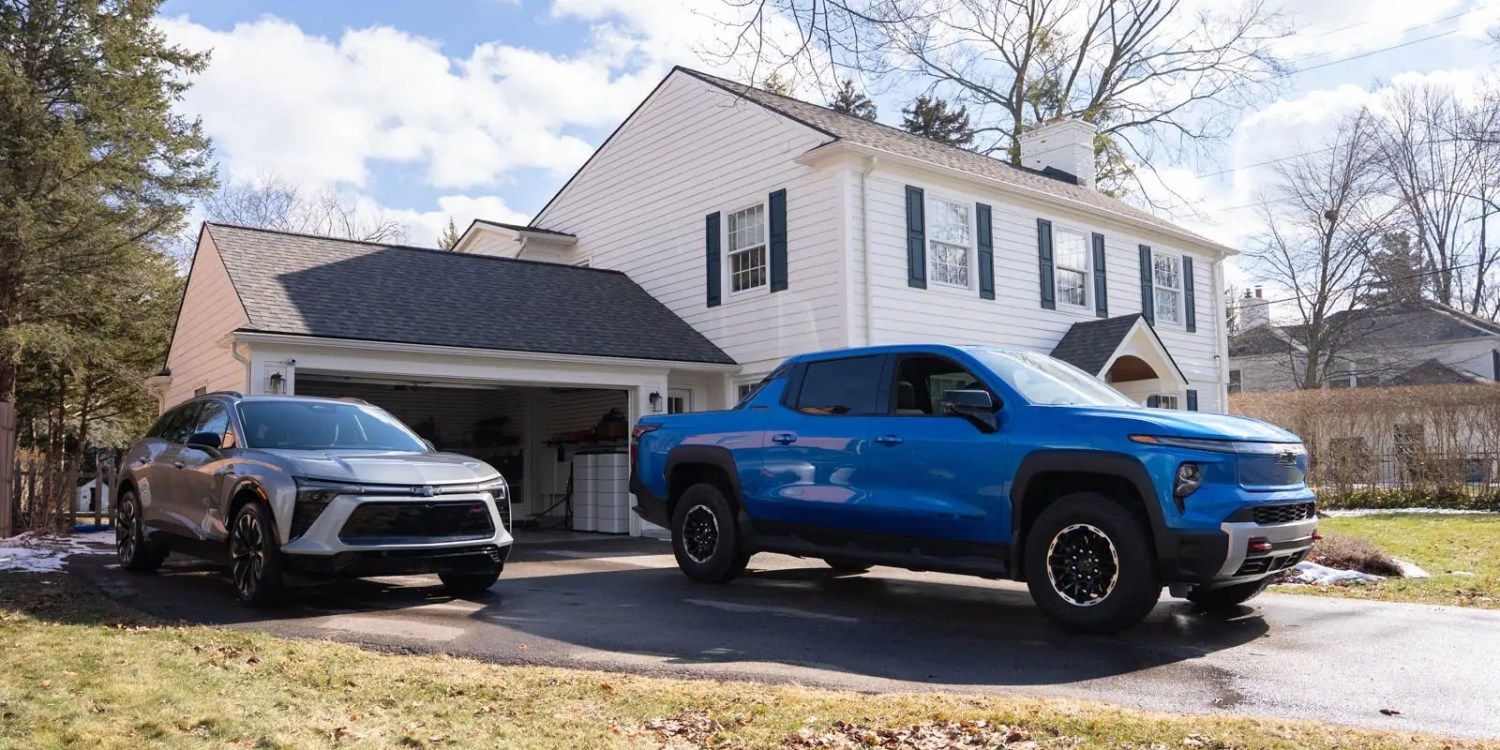
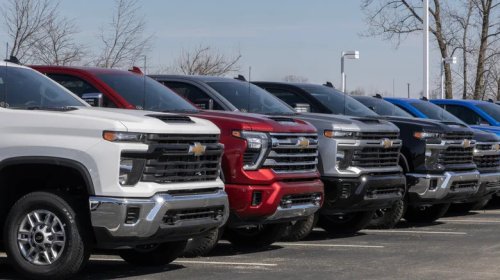
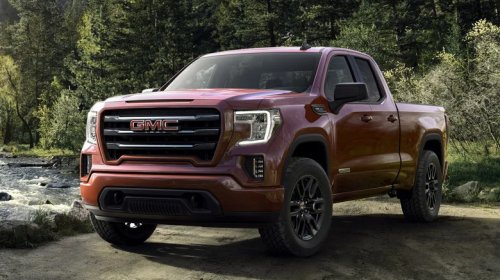
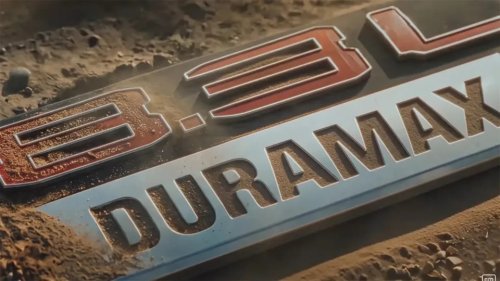
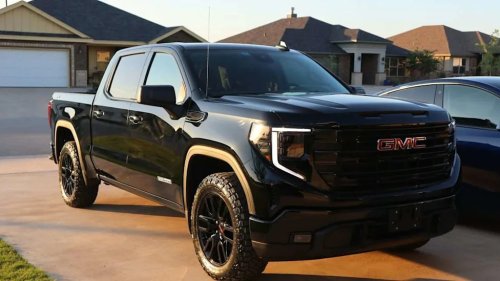
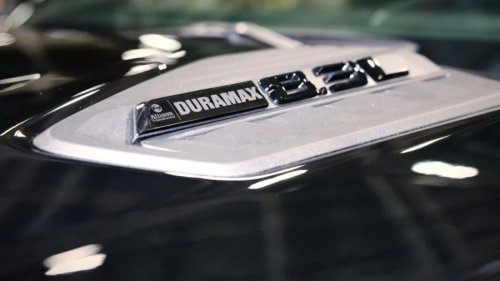
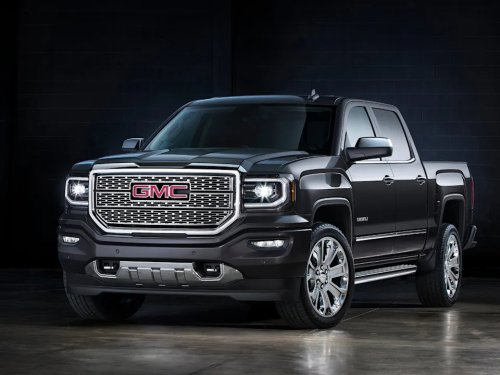
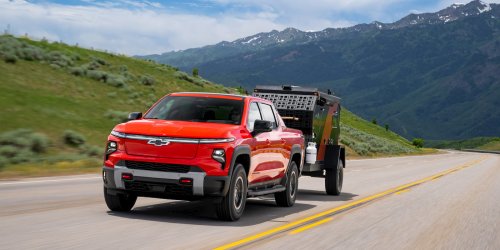
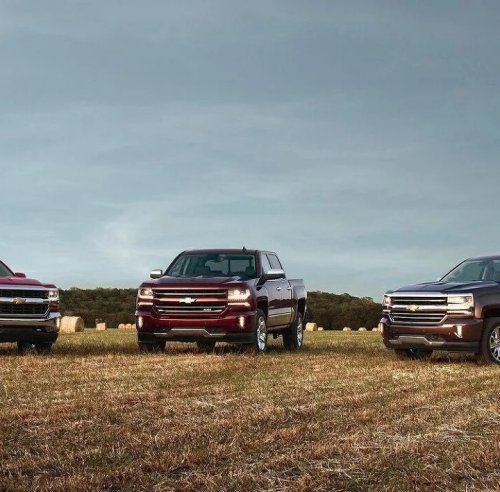
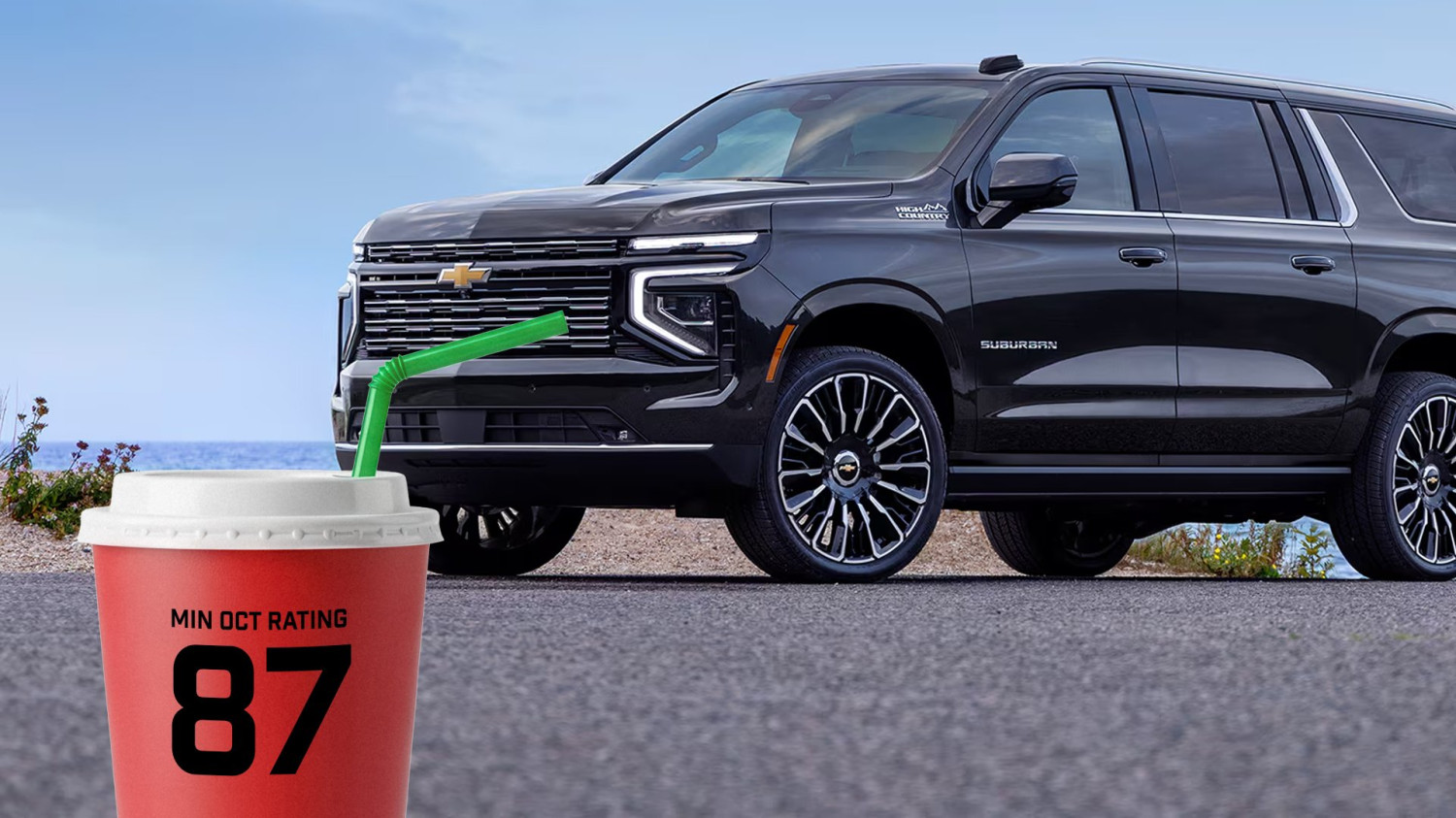
Chevrolet, adobe.stock.com, edited by Andrew Collins If you’re convinced that cars stopped getting better years ago and instead have simply become larger and less interesting, we’re about to throw you some supporting evidence for your next bar-stool (or, let’s face it, social media) argument: Despite 17 years of progress, GM’s most efficient gasoline-powered, full-size SUVs get the exact same fuel economy they did for the 2010 model year: 17 mpg. That figure applies to all three of GM’s full-size triplets (Chevy Tahoe/Suburban and GMC Yukon), and it’s based on the most efficient gas engine available; in these cases, that means GM’s 5.3-liter small-block V8. Meanwhile, GM’s full-size pickups have improved from 18 mpg to 20 mpg in the same time period. How? Base models with smaller engines. Those may not seem like big gains, but on paper, that’s an 11% bump. Small improvements matter a lot when you’re talking about trucks and SUVs. The Toyota Prius is an excellent counter-example. Its best hybrid model improved from 50 to 57 mpg in that same period—a much more impressive number, but still just a 14% improvement. Curiously, GM’s big SUVs have actually regressed in recent years. Despite landing at 17 mpg combined again in 2025, they were rated highly enough to achieve 18 mpg combined in 2015 and from 2019 through 2021; they did even better between 2016 and 2018, when they achieved a combined 19 mpg. After 2021, they dropped to 17 mpg and haven’t budged since. Coincidentally (or perhaps not), GM introduced the Duramax I6 in 2021. Want better efficiency? There you go, but make sure you do the math with current diesel prices first; even though driving a gas V8 may be painful right now, the cost-per-mile equation is not currently in diesel’s favor. And don’t look now, but GM has a whole new family of V8 engines that will surely be coming to an SUV near you in short order. Modelyears.com’s data covers a large swath of the current market, but there are some conspicuous holes. Anything that was introduced or discontinued between 2009 and 2026 is missing, which nixes a lot of models straight away. The Chevy Camaro did both, as did the Nissan Z. The comparison also lacks continuity across model name changes, so cars that were rebranded at some point over the past 17 years are missing too, which axes the Toyobaru twins, Kia Optima/K5, and plenty of others. As for models such as the Subaru Impreza and Mazda Miata? We have no explanation; they’re simply not included. Additionally, any models that transitioned away from their previous power trains (such as the Toyota Sienna, which went all-hybrid in 2021) don’t have comparison data available. You can still view their individual efficiency history for the years when a gas engine was offered, at least.



















 +45 others