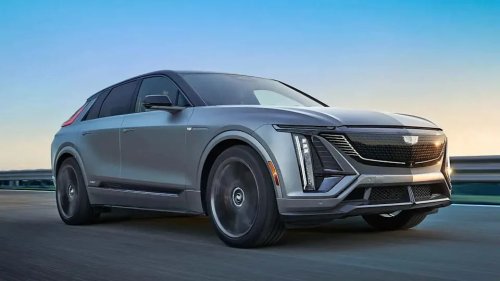
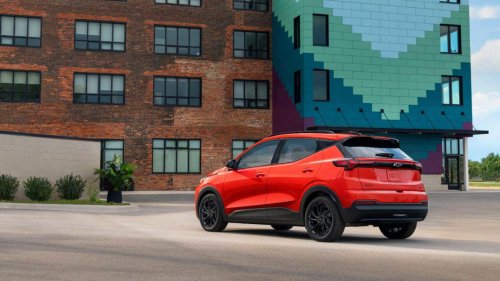
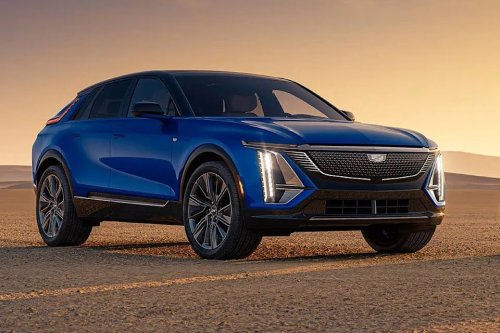
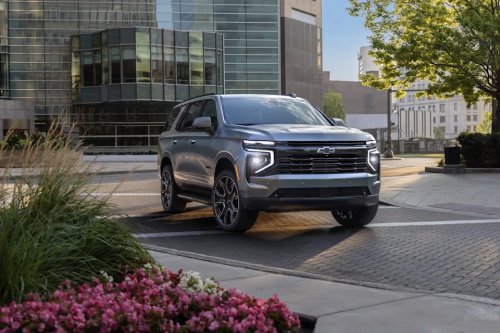
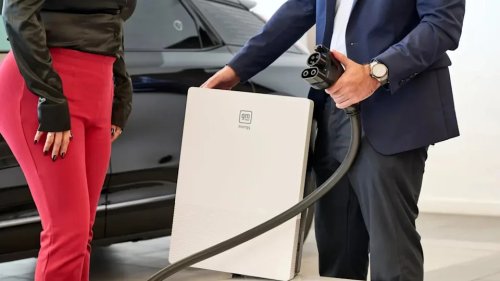
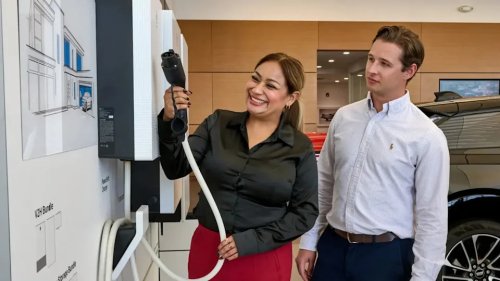
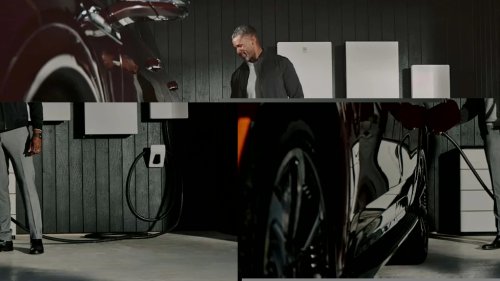
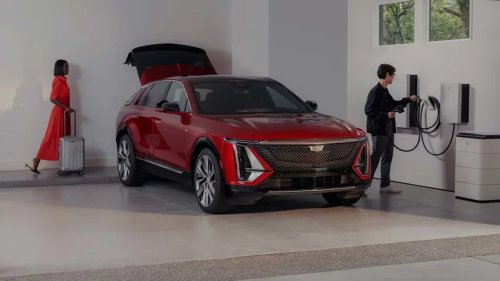
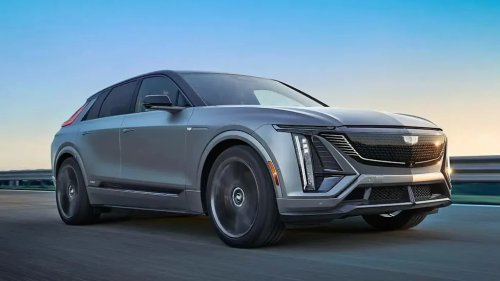
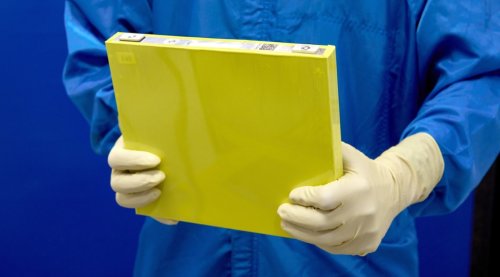
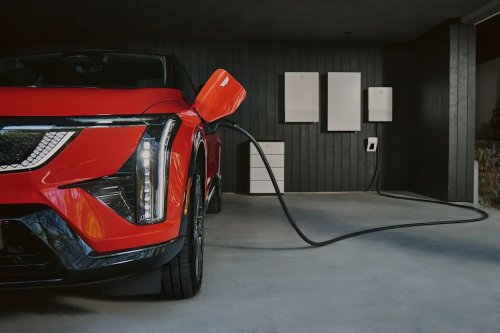
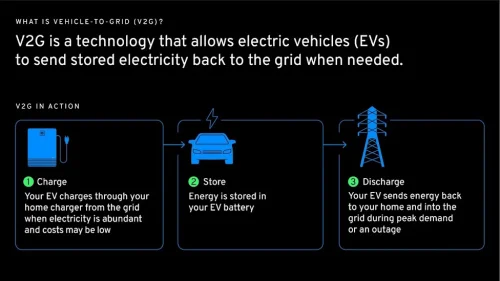
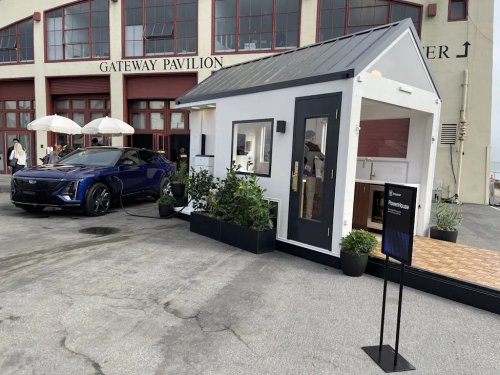
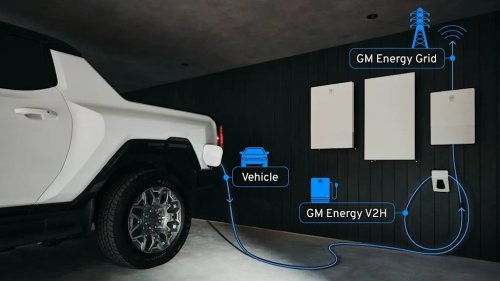
gms new pitch evs aren t the grid s problem theyre the answerSAN FRANCISCO, Cal. – Electric cars were once thought of as a problem for the electricity grid. Now General Motors says they're part of the solution.More than that, GM has announced today at their Empower symposium in the EV epicenter of San Francisco that it's rolling out what it says is at least one answer to EV grid load issues. And in an open letter to America's utility executives and energy policymakers, Wade Sheffer, Vice President, GM Energy has laid out a plan and is asking for broader cooperation."The electrical grid is facing unprecedented pressures, from historic heat waves and erratic weather patterns to the surging demands of AI datacenters," says Sheffer. "When the grid is pushed to its limits, it directly impacts the daily lives and safety of the people who rely on it. It's also an incredibly stressful time for grid operators, and we recognize the immense constraints that they are working against to keep the power on. We're here to help."AdvertisementAdvertisementThe idea being not just suggested, but acted upon, is that electric cars don't need to be thought of as a liability on the grid, but as an asset; thanks to vehicle-to-grid (V2G) capability.gms new pitch evs aren t the grid s problem theyre the answerWhat is Vehicle-2-Grid?For years automakers have touted bidirectional charging for electric cars. Rather than your home charging your car, in an emergency, you could do the opposite. And the idea that in a natural disaster your EV could keep your home running for days without interruption is a comforting one. But the opportunity is larger than that.While true that utilities could build massive battery storage facilities for just-in-case scenarios. Conversely, thanks to V2G, they could simply use the collective power of every electric car on the road. (Or more precisely, the ones not on the road)."It's time for us to look at parking lots and driveways across our communities as a massive, distributed power asset waiting to be integrated," writes Sheffer. By working together, we can help secure an affordable, reliable, and resilient energy future for everyone. This letter is an active operational invitation for collaboration. Utilities have a historic opportunity to utilize a ready asset to support their infrastructure. We believe GM is ready to deploy that asset to American driveways at a scale no other manufacturer can match. The technology is already parked outside. Let's turn it on together."GM's pop-up PowerHouse outside the Empower event at San Francisco's Pier 2. The tiny home is run entirely by the Cadillac Lyriq parked beside it.GM's pop-up PowerHouse outside the Empower event at San Francisco's Pier 2. The tiny home is run entirely by the Cadillac Lyriq parked beside it.First StepsTo move this idea from concept into reality, GM has today announced a very small pilot project in Michigan. Partnering with DTE Energy, 30 GM employee households will "stress-test" the concept. In fact, the project has already begun. Speaking with TJ Tweedle, the V2X lead at GM, inside a pop-up PowerHouse (powered entirely by a Cadillac Lyriq parked outside) at GM's San Francisco event, he confirmed that the this project has already moved 562 megawatts of power back to the grid.AdvertisementAdvertisementBut as those tiny numbers suggest, that is just the start.Currently GM has over 250,000 EVs on the road capable of bidirectional charging, meaning they're capable of V2G if the grid allows it. That number of cars, GM claims, could provide enough energy to power 120,000 homes for a week, or every home in San Francisco for two days.From there, GM has partnered with PG&E in Northern California, where it projects that by 2030 a total of 52,000+ GM EVs will participate in "grid-balancing" programs.The incentive for utilities is clear, but what about for owners?In fact, the benefit is simple. Owners can charge their vehicles at off-peak hours and then sell it back to the grid for a premium when demand rises. As Sheffer's letter so eloquently states these individuals can begin "participating in the local energy marketplace."AdvertisementAdvertisementThe letter describes it as an almost too-good-to-be-true scenario. "This creates a rare economic alignment: a car becomes an asset that offsets its own operating costs while actively delivering benefits to the public system."gms new pitch evs aren t the grid s problem theyre the answerIs It Enough?The real question in all this might not be if it does or even can work, but if it matters.AI datacenters are expanding at a rapid rate and according to a new Goldman Sachs report, will soon double their share of the available power grid. Part of the problem being that these power-hungry behemoths are coming online faster than the energy infrastructure is being built. AI demand is projected to grow from 31 GW in 2025 to 66 GW in 2027. This will take its total share of the grid from a current 4.1% up to 8.5% in 2027.The Salty SolutionTo help further, GM made yet another major announcement today, namely the launch of a new Sodium Ion battery chemistry. Speaking at the Empower event, Sterling Anderson, Chief Product Officer at GM announced that this new battery technology will be purpose built for stationary use. Sodium Ion batteries operate over a wider range of temperatures, offer more cycles, require no cooling and are overall less complex.AdvertisementAdvertisementKurt Kelty, VP Battery & Sustainability at GM commented further that "the application should determine the battery,"and that Sodium Ion is an ideal battery storage solution for the grid. Plus, he comments, that sodium is one of the most abundant minerals on earth. It's also likely not a coincidence that sodium is not a rare earth and the supply chain doesn't involve countries that might not align with America's vision for the future.In a break-out session, Andy Oury, a battery engineer expert at GM, explained that while sodium batteries are not new, GM's solution is for a next-gen chemistry that provides significant advantages. The benefit when compared to current grid storage systems is as much as 20 percent, due in part to the fact that there's no electricity required to cool a Sodium Ion battery storage system.For more from the Empower event, see our article on how GM is solving one of the biggest gripes EV owners have, right here.



















 +5 others