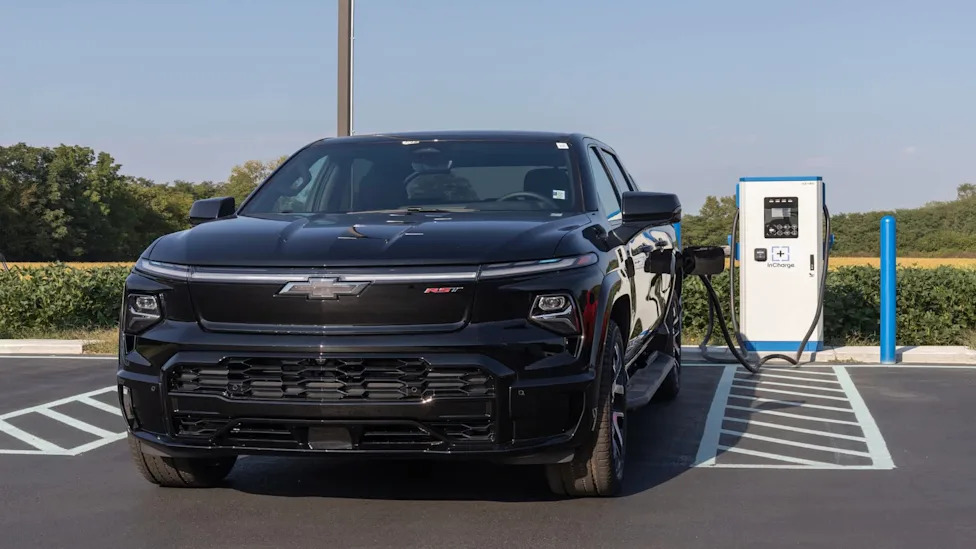
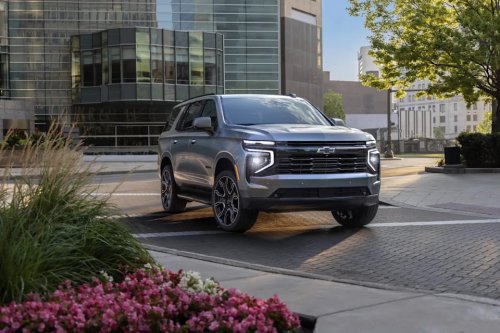
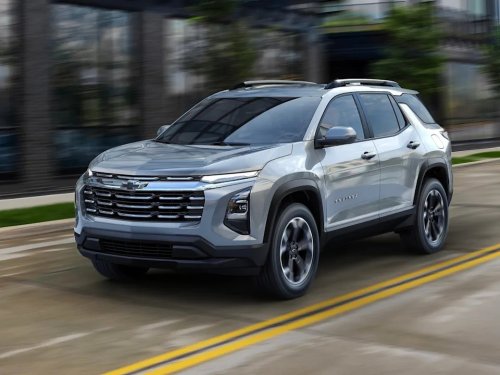
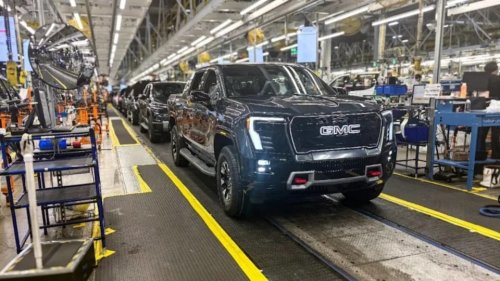
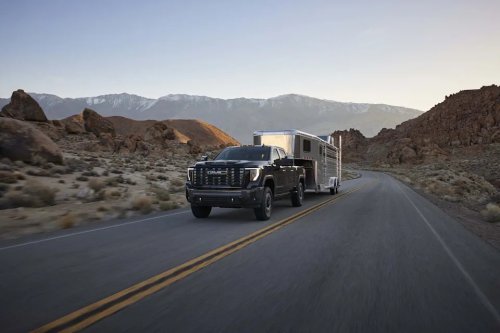
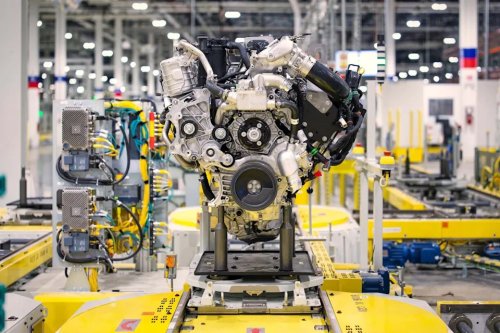
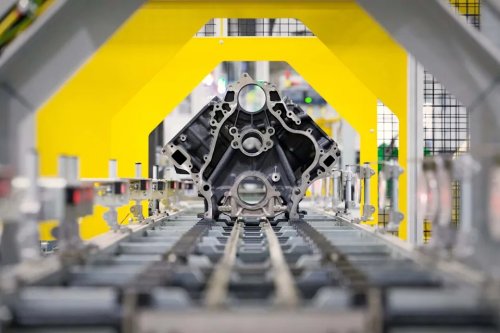
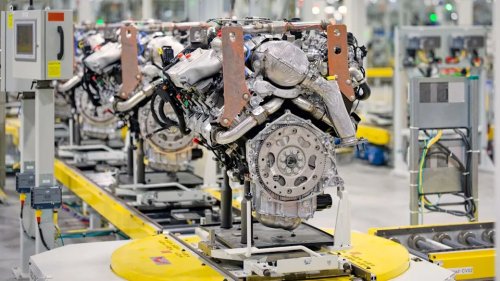
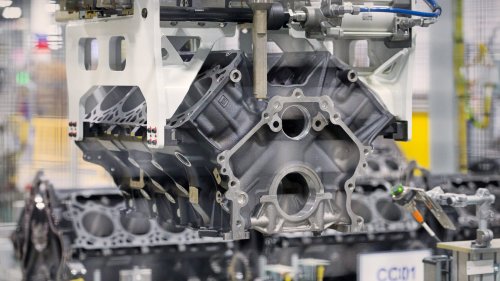
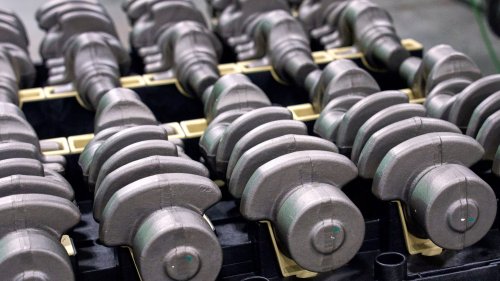
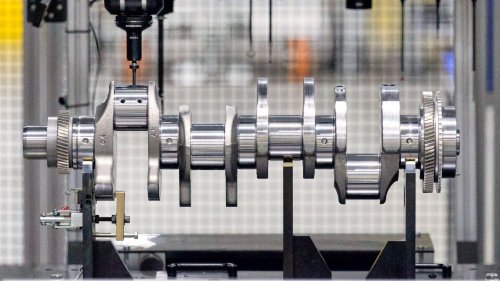
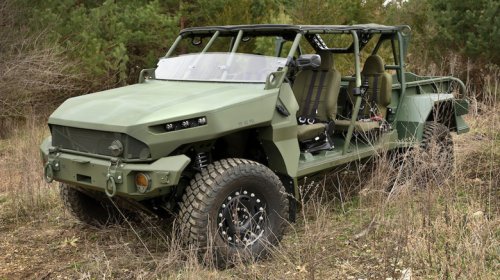
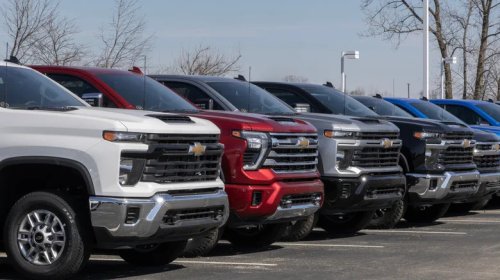
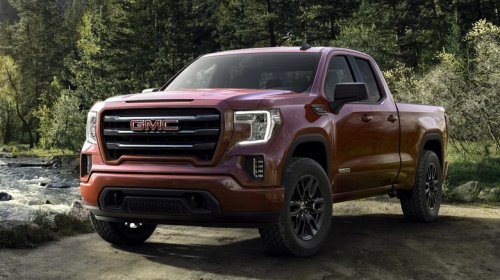
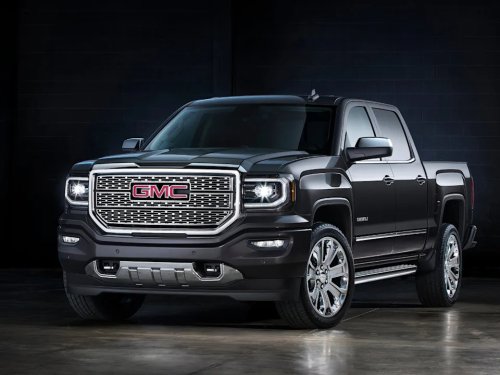
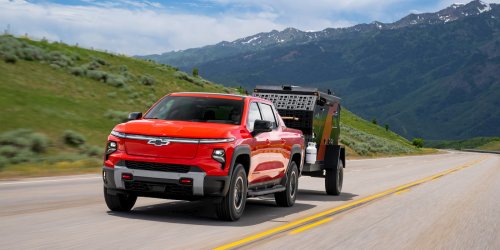
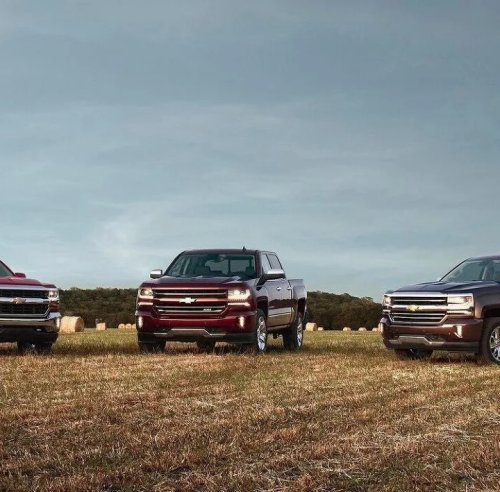
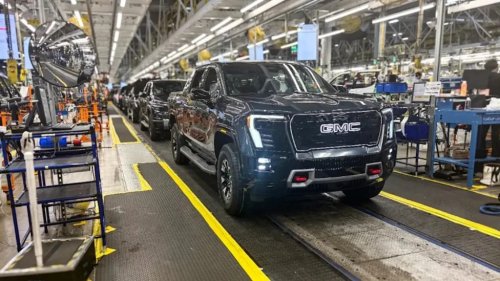
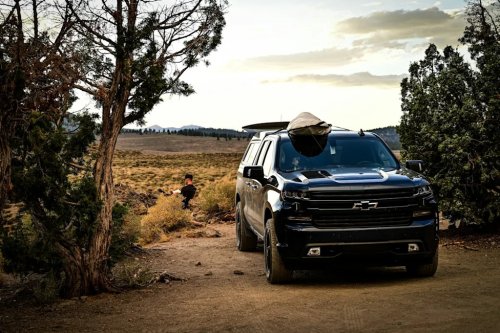
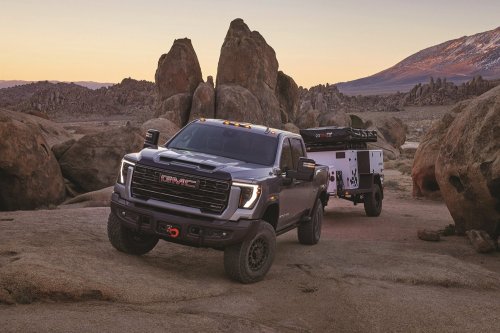
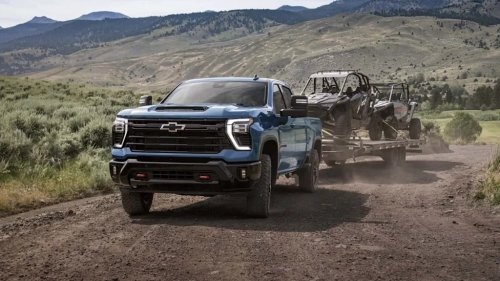
Image Credit: General Motors.General Motors' troublesome 6.2-liter L87 V8 is back under federal scrutiny, and this time regulators are looking closely at engines that have already received the company's recall remedy. Some have reportedly failed even after being completely replaced.The National Highway Traffic Safety Administration's Office of Defects Investigation (ODI) opened a new Engineering Analysis on August 20 after continuing to receive reports of L87 engine failures following recall repairs. The investigation builds upon a Recall Query opened in January to determine whether GM's original solution was actually effective.According to NHTSA, it has now received 499 complaints alleging engine failure after the recall remedy was performed. Of those, 473 involved vehicles that received an oil-viscosity change, while 26 reportedly suffered failures despite receiving replacement engines.AdvertisementAdvertisementThe numbers reported directly to GM are considerably larger. The automaker told regulators it has received 6,953 complaints involving post-remedy engine failures, giving investigators plenty of reason to continue digging into the problem.The Original Recall Covered Nearly 600,000 VehiclesImage Credit: Chevrolet.GM recalled 597,630 vehicles in the United States under Recall 25V-274 in 2025. The affected L87 engines were manufactured between March 1, 2021 and May 31, 2024 and installed in several of GM's most popular full-size trucks and SUVs.That list included certain Chevrolet Silverado 1500, Tahoe and Suburban models, along with the GMC Sierra 1500, Yukon and Yukon XL. Cadillac Escalade and Escalade ESV models were also affected.GM attributed the original failures to supplier manufacturing and quality problems involving engine components. Issues included potential rod-bearing damage associated with contamination, along with crankshafts that could have improper dimensions or surface finishes, potentially resulting in engine damage, seizure and a sudden loss of propulsion.Some Replacement Engines Are Failing TooGM's recall remedy depended on what technicians found during an inspection. Engines that failed the inspection were replaced, while vehicles that passed received a switch to higher-viscosity oil along with a new oil filter and oil-fill cap.AdvertisementAdvertisementThe L87 had originally been specified with 0W-20 oil, while the recall procedure moved affected engines that passed inspection to thicker 0W-40. The idea was to provide additional protection for engines deemed healthy enough to remain in service.The latest figures raise questions about both approaches. While the overwhelming majority of NHTSA's 499 post-remedy complaints concern engines that received the oil change, 26 involve engines that had been completely replaced.An engine replacement would seemingly remove the potentially defective original unit altogether. NHTSA hasn't concluded why these replacement engines failed, however, so it would be premature to assume they suffered from exactly the same defect.The Investigation Now Includes Newer EnginesImage Credit: Chevrolet.There's another potentially troubling development. NHTSA says it has received 191 reports involving L87 engine failures in engines manufactured after the May 31, 2024 cutoff used for the original recall.AdvertisementAdvertisementAs a result, regulators are expanding the investigation beyond the original recall population. The Engineering Analysis encompasses nearly one million vehicles spanning the 2021 through 2026 model years, including newer examples that weren't previously covered.That doesn't mean nearly one million vehicles are being recalled. An Engineering Analysis is an investigative step, and regulators will now examine the complaints and available evidence to determine the nature and scope of the alleged failures and whether further action is necessary.GM's 6.2-Liter V8 Problem Isn't Going AwayThe L87 is an important engine for GM, particularly because it powers some of the company's most expensive and profitable trucks and SUVs. A recurring reliability issue is therefore particularly painful when customers buying premium versions of the Silverado, Sierra, Yukon and Escalade are among those potentially affected.More importantly, the latest investigation suggests the story didn't end with last year's recall. With 499 post-remedy complaints submitted to NHTSA, nearly 7,000 reported to GM, and another 191 failures involving engines built outside the original recall window, regulators now want to know exactly how effective the fix has been.AdvertisementAdvertisementIf you want more stories like this, follow Guessing Headlights on Yahoo so you don't miss what's coming next.



















 +77 others