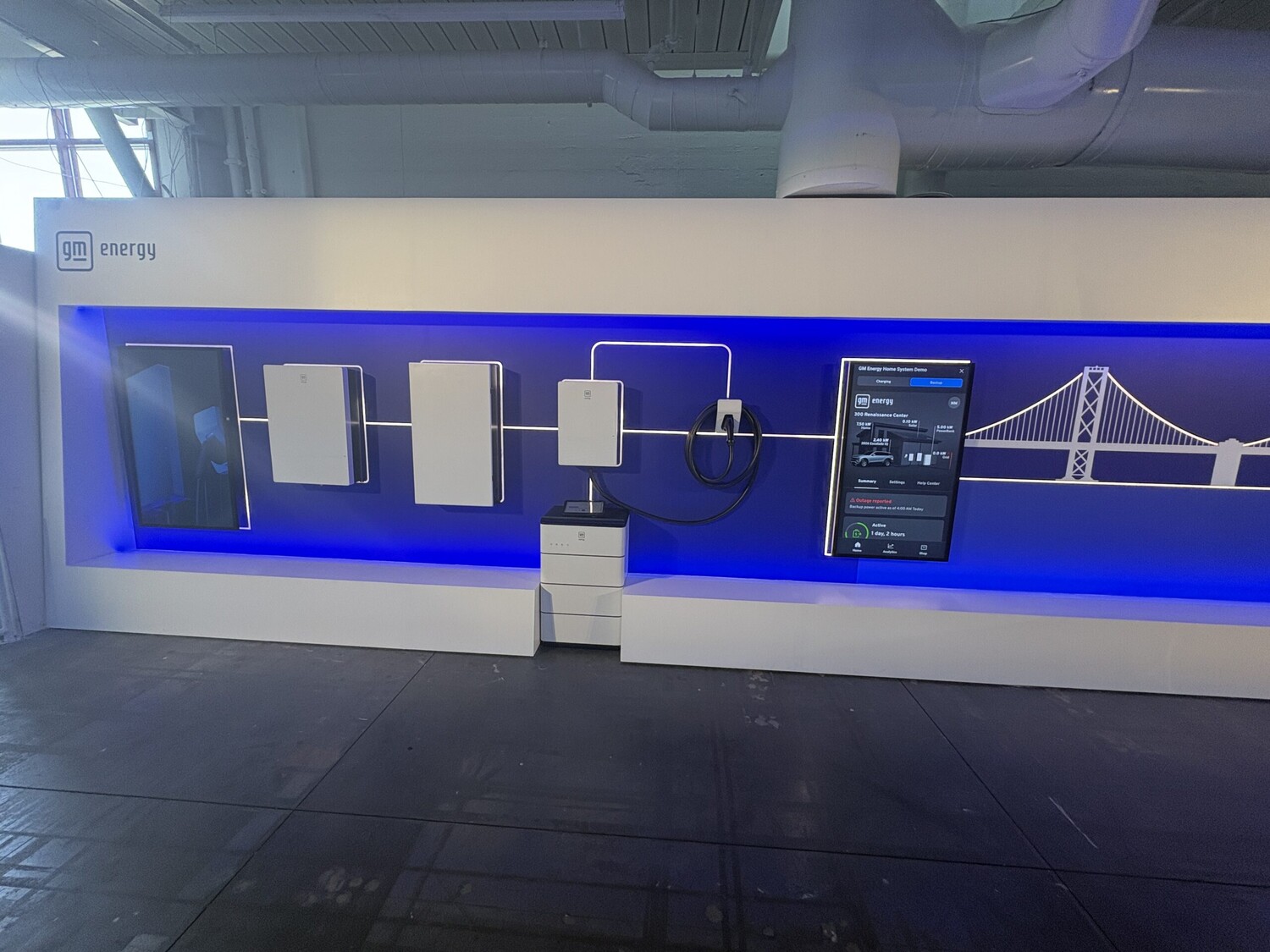
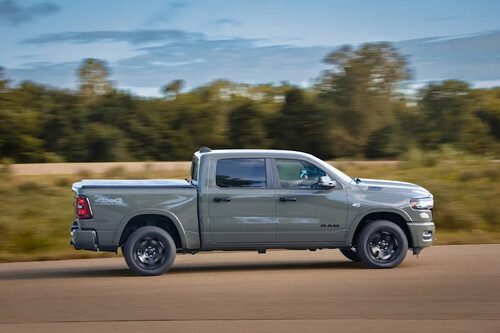
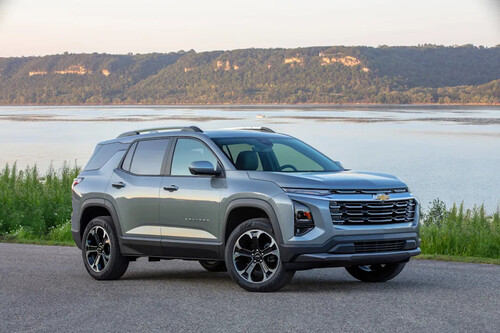
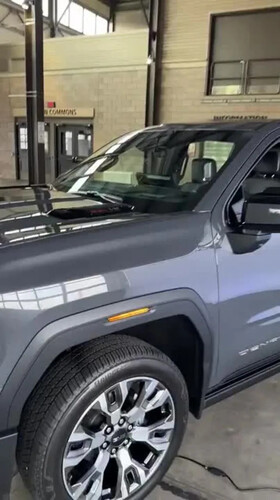
I was invited to a GM event in San Francisco on June 9th where GM made three big announcements: GM is activating vehicle-to-grid (V2G) capability for existing customers, with no new hardware required (this article). GM is expanding grid-scale battery storage with a big bet on sodium-ion technology. GM has launched Energy Pass — one universal interface for public charging. I got to attend GM’s previous announcement event two years ago in Detroit regarding its broad vision for integrating GM EV batteries with homes. The company has made a lot of progress realizing that vision by expanding its lineup to 12 vehicles and now enabling all customers to export power to the grid if their utility supports it. GM V2G: Parked EVs as the Grid’s New Best Friend Every evening across America, hundreds of thousands of electric vehicles roll into driveways, plug in, and sit largely unused until morning. Inside those cars sits one of the biggest untapped energy storage resources we have. GM just put out an open letter calling on utilities and regulators to stop treating these vehicles as simple transportation and start using them as active grid assets through vehicle-to-grid (V2G) technology. The timing makes sense. The grid is under real pressure from heat waves, extreme weather, and the explosive growth of AI data centers. Grid operators are stressed keeping the lights on. GM’s message is straightforward: we’re here to help, and the cars are already on the road. GM says it has more than 250,000 bidirectional-capable vehicles in the US today, with plans to make the capability standard on future EVs. The company points to an International Energy Agency analysis showing V2G can deliver the largest hourly energy flexibility of any technology evaluated. In a Stated Policies Scenario, the IEA sees 250 million EVs globally by 2030. If even a fraction of those can feed power back when needed, the impact on grid investment and stability could be significant. GM puts some numbers on it. Those 250,000-plus vehicles on the road today have enough combined battery capacity, in theory, to power roughly 120,000 average US homes for up to a week. That’s not a small distributed resource. The company is already running real-world tests. With PG&E in California, they project over 52,000 GM EVs participating in grid-balancing programs by 2030. In Michigan, they’re working with DTE Energy using employee homes to build reliable backup capacity the way actual owners would use it. GM acknowledges the real challenges utilities face. Maintaining safety, reliability, and affordability while adding new capabilities like interconnection rules, safety protocols, and rate design takes time. GM isn’t asking for overnight revolution. Instead, it is outlining three practical areas where automakers, utilities, and regulators can work together: First, customer enrollment. Better education and simpler sign-up processes for utility programs and time-of-use rates would get more owners participating. Managed charging programs are a good on-ramp. Second, incentives. Modernized tariffs that pay EV owners for discharging during peaks or when the grid needs support would create real economic alignment. A car could help offset its own operating costs while strengthening the system everyone relies on. Third, the path to participation. Streamlining paperwork, engineering reviews, and interconnection for bidirectional chargers would remove friction. Owners should be able to buy the right equipment, plug it in, and start contributing without jumping through excessive hoops. As someone who keeps an all-electric home and follows these developments closely, I see this as a logical next step. We’ve spent years talking about EVs as a solution for transportation emissions. Now the conversation is shifting to how those same vehicles can actively support the grid they’re connected to every night. It’s a win for resilience, for integrating more renewables, and potentially for lowering costs for everyone if the programs are designed well. This fits with the broader momentum we’re seeing. At GM’s recent event, they highlighted activating V2G capability on existing vehicles without having to provide any new hardware to customers. Combined with efforts like Energy Pass for simpler public charging, it shows the company treating the full EV ecosystem — charging, energy services, and grid interaction — as connected pieces. The technology is already parked in driveways. The open letter is essentially an invitation: let’s turn it on together. Utilities have a historic chance to tap a ready-made, distributed storage fleet at scale. GM believes it’s positioned to deploy that asset faster than anyone else. Whether the collaboration moves as quickly as the technology allows will depend on how utilities and regulators respond. The cars are ready. The grid needs the help. The question is how fast we can make the connection. Photo from GM explaining V2G. Photo from GM showing a typical setup. A photo I took of their V2G and V2H display. Conclusion I see real promise in GM’s announcement today, but it will take a few years for the vision to be realized. With over 250,000 bidirectional GM vehicles already on US roads — theoretically enough to power 120,000 homes for a week — the resource is sitting in driveways. The pilots are running. Now we need streamlined enrollment, fair tariffs, and simpler interconnection. This turns parked EVs into genuine distributed storage. The technology is ready. Utilities and regulators just need to meet it halfway. Disclosure: I am a shareholder in Tesla [TSLA] and XPeng [XPEV]. But I offer no investment advice of any sort here.