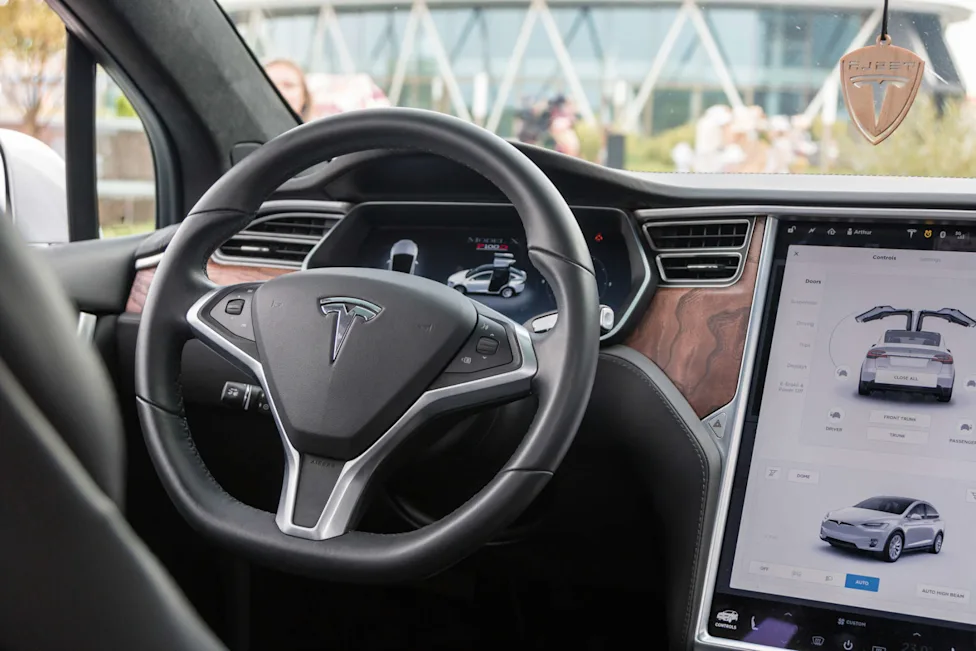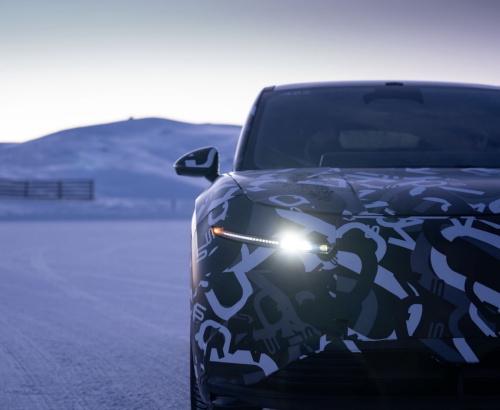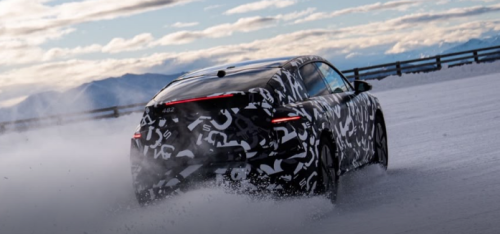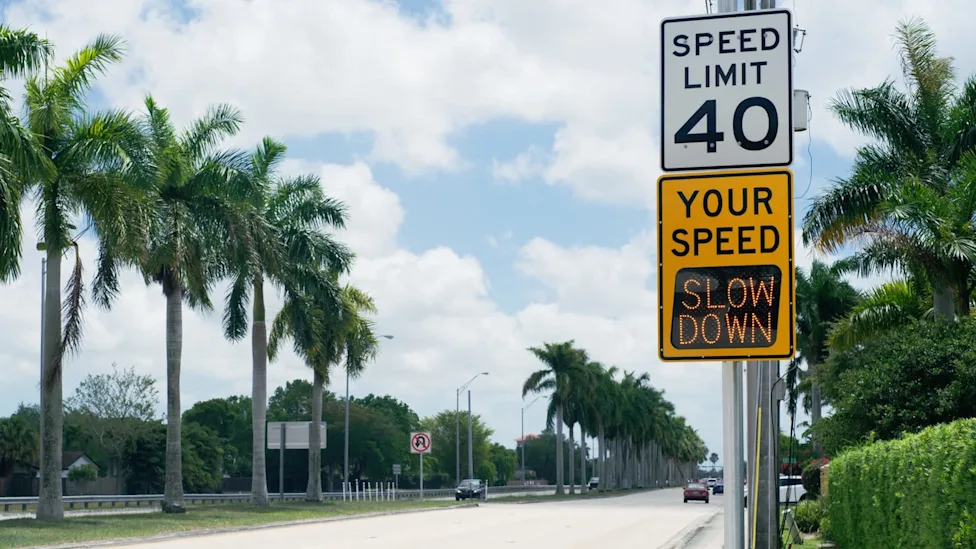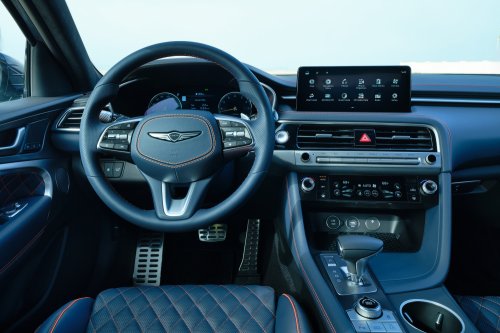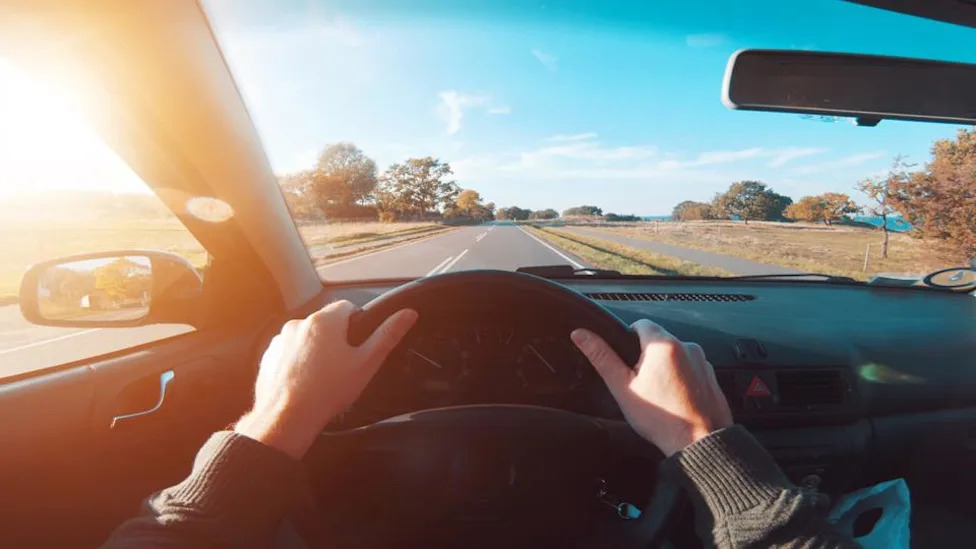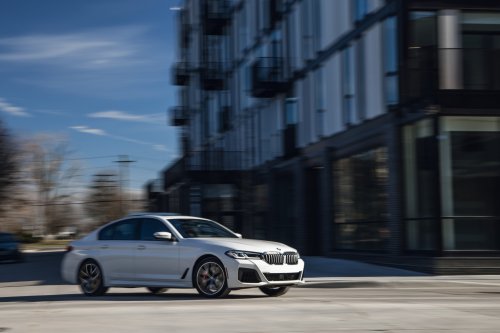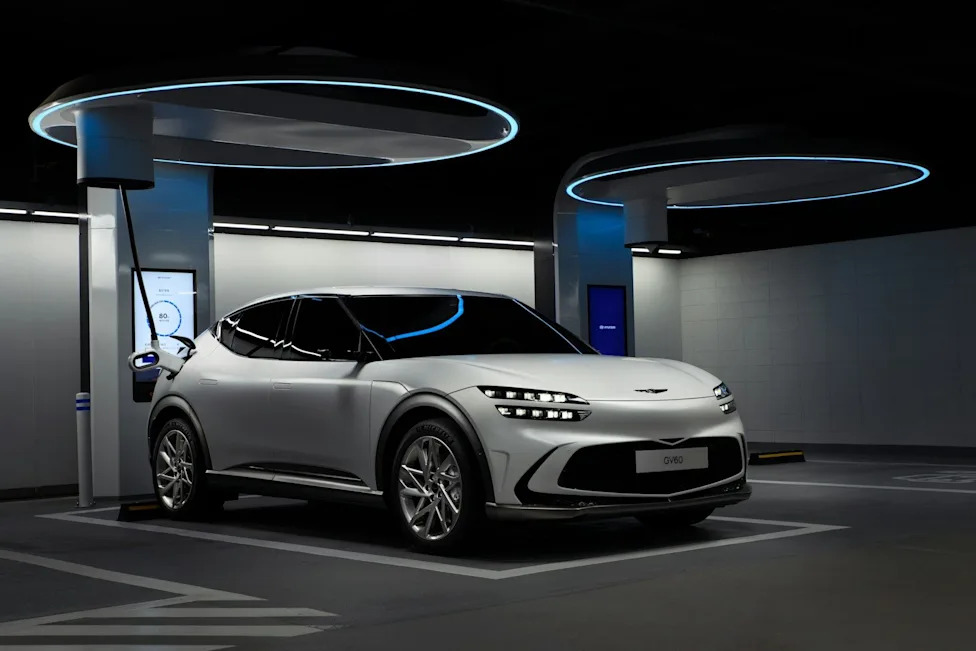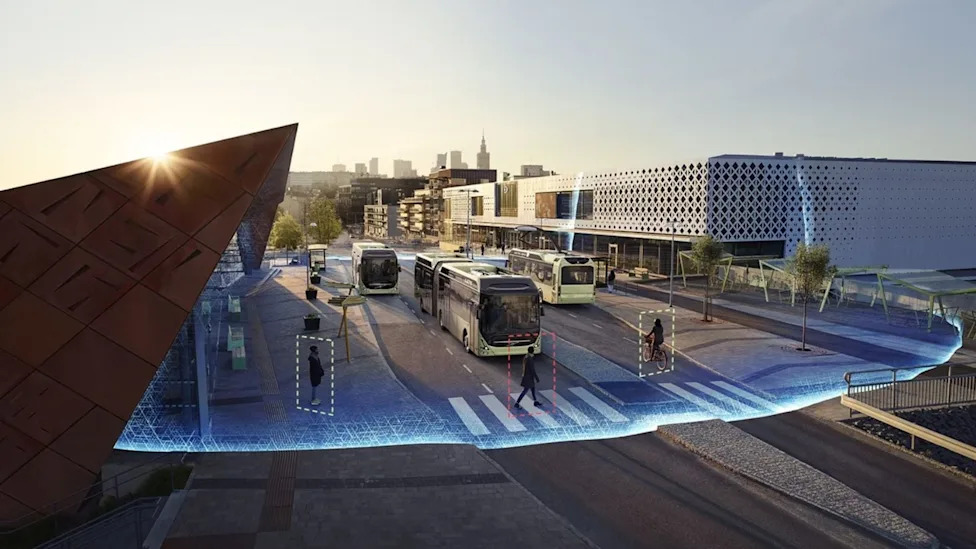






















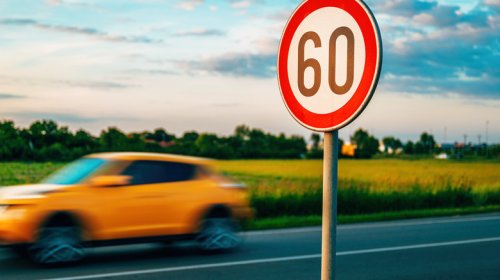
Image Credit: Volvo GroupAs vehicles become increasingly connected and software-driven, geofencing technology could soon be used to automatically prevent cars from exceeding posted speed limits based on their location.The idea has sparked considerable debate, but one social scientist believes it could become a reality within the next few years.Supporters argue the technology could improve road safety, while critics say it would strip drivers of the freedom to control their vehicles, even when driving responsibly and within the law.AdvertisementAdvertisementMany modern vehicles already have the hardware needed to support geofencing, making widespread adoption technically feasible. Some automakers have already introduced location-based features, such as automatically switching plug-in hybrid models to electric mode when entering designated low-emission areas in parts of Europe.What Is Geofencing?Image Credit: Volvo GroupA report by Australian publication Car Expert explains that geofencing relies on a combination of GPS data, digital mapping, onboard cameras, and vehicle software to establish virtual zones, allowing a car to automatically adjust certain functions or driving behavior based on its location.Instead of depending entirely on speed cameras or police patrols, geofencing allows a vehicle to recognize where it is and automatically adjust its speed to match local restrictions.That means a car could slow itself to school-zone speeds during designated hours, reduce its maximum speed in pedestrian-heavy areas, and then resume normal performance once it leaves those zones and returns to unrestricted roads.AdvertisementAdvertisementInstead of slowing the vehicle by applying the brakes, the technology would work by limiting further acceleration once the posted speed limit has been reached, preventing the driver from exceeding it.Will the Future Look Back on Dangerous Driving?The report quotes Marco te Brömmelstroet, a social scientist and professor at the University of Amsterdam, who said on Q+A with Jack Tame that geofencing could change the way cars are driven over the next 20 years, as it automatically prevents speeding violations. He said:"My dream is that in 20 years, we will look back and find it unbelievable that we allowed humans to drive 2000 kilo vehicles as fast as they wanted in our cities."We have the technology now – like geofencing – to prevent that."AdvertisementAdvertisementMr. te Brömmelstroet believes increasing pressure to improve road safety concerns about road safety will eventually outweigh objections over drivers' freedom. He added:"We will reach a point where nobody will accept the level of fatalities we currently take for granted."If we have a better conversation, change can go very rapidly."Automakers That Already Use GeofencingAmong the biggest proponents is the Volvo Group, which has deployed geofencing across commercial fleets to automatically limit vehicle speeds in designated areas. The company has also tested the technology around schools and in busy urban environments to improve road safety.AdvertisementAdvertisementLuxury brands Mercedes-Benz and BMW have adopted geofencing in select plug-in hybrid models. Their systems detect when a vehicle enters a low-emission zone and automatically switch to electric-only driving to comply with local regulations.Ford has also experimented with geofencing in Europe through its commercial vehicle business, exploring how location-based software can improve fleet operations and safety.Although Tesla has not introduced geofenced speed limits, it already relies on location-aware software for several features, including automatically adjusting suspension settings, managing charging behavior, enabling Sentry Mode in specific locations, and operating garage doors.Many of the technologies required for geofenced speed limiting are already built into modern vehicles. GPS, electronic throttle control, onboard cameras, connected software, and over-the-air update capabilities mean many newer cars are technically capable of supporting the feature.AdvertisementAdvertisementPeople who support geofencing believe the technology could make roads safer by reducing speeding-related crashes, improving pedestrian safety, and enforcing speed limits more consistently than traditional methods such as speed cameras or police patrols. Some also argue it could help cut emissions by discouraging aggressive acceleration.However, those concerned have raised questions about government control over privately owned vehicles and the potential loss of driver autonomy. There are also other practical challenges, including keeping digital maps accurate, ensuring reliable GPS coverage, and protecting connected vehicles from cyberattacks.For now, mandatory geofenced speed limiting remains under discussion, with no widespread requirement in place. However, as software-defined vehicles become more common, the technology is increasingly being considered a realistic option for the future. But only time will tell if it will ever be mandated on private vehicles.