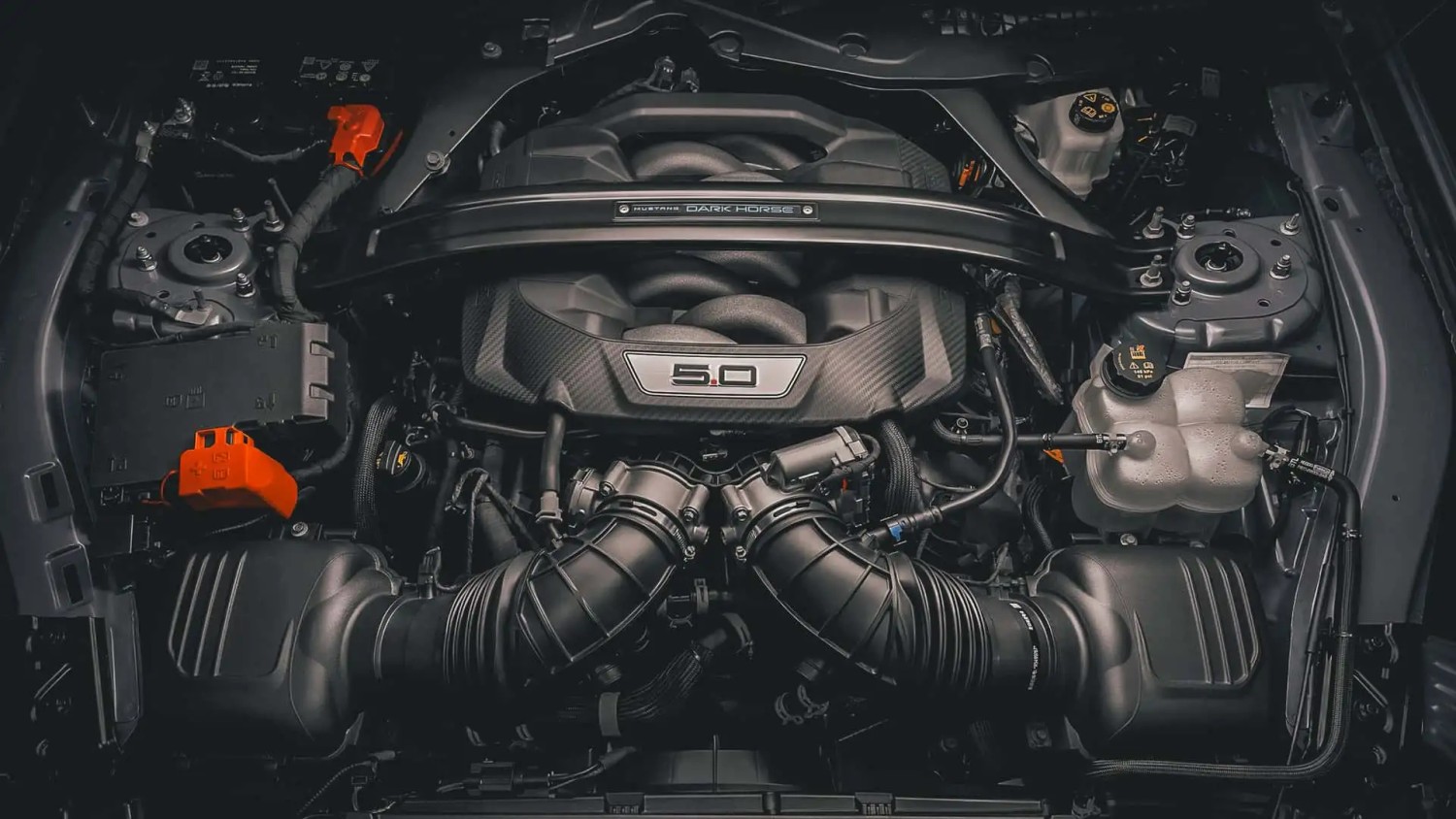
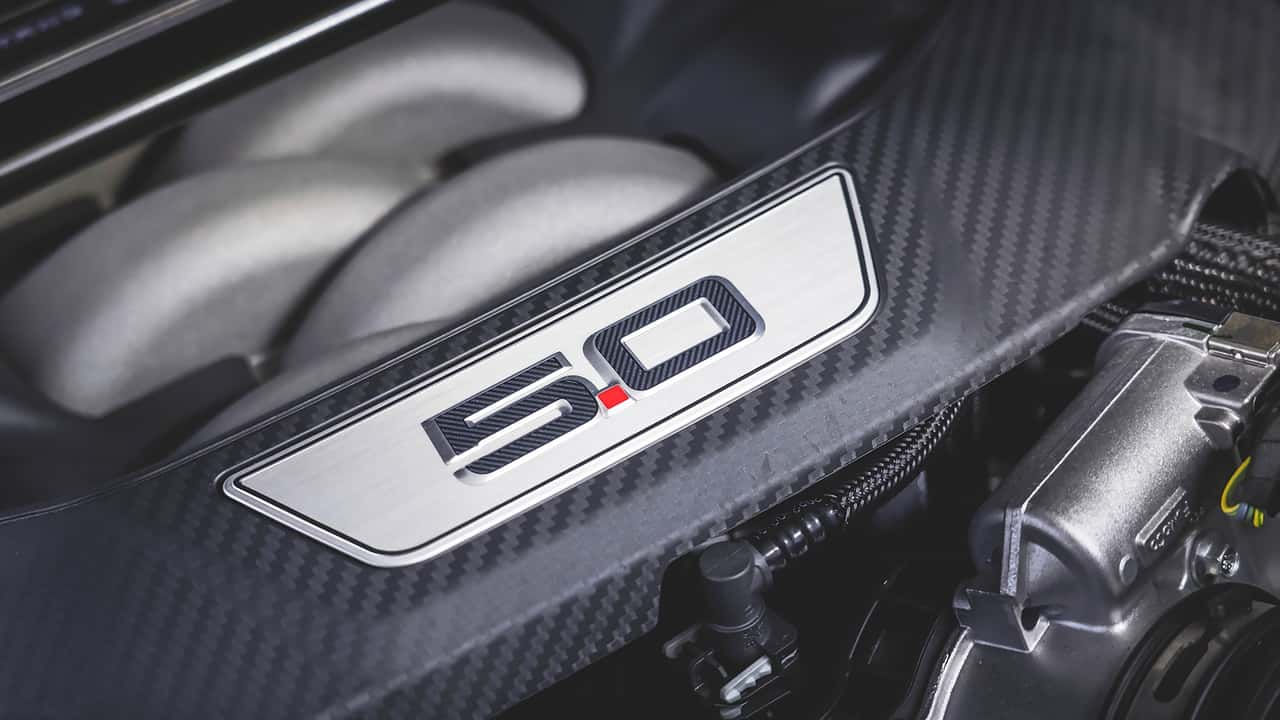
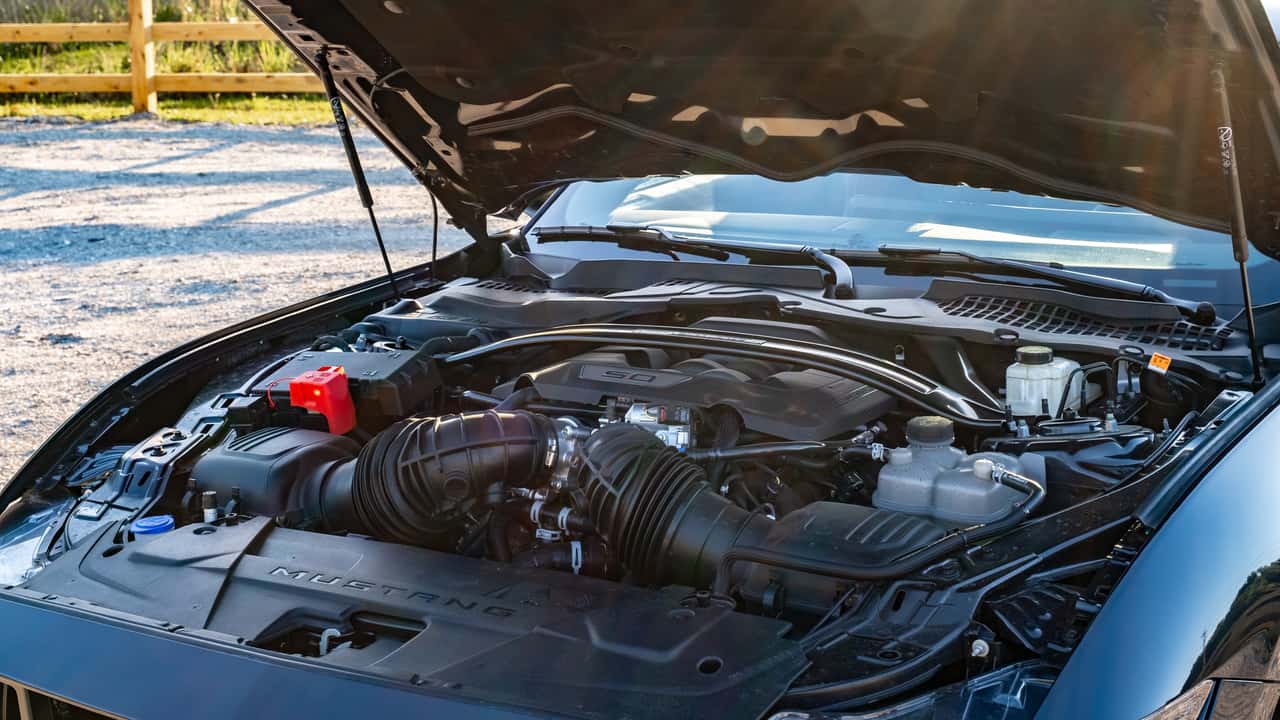
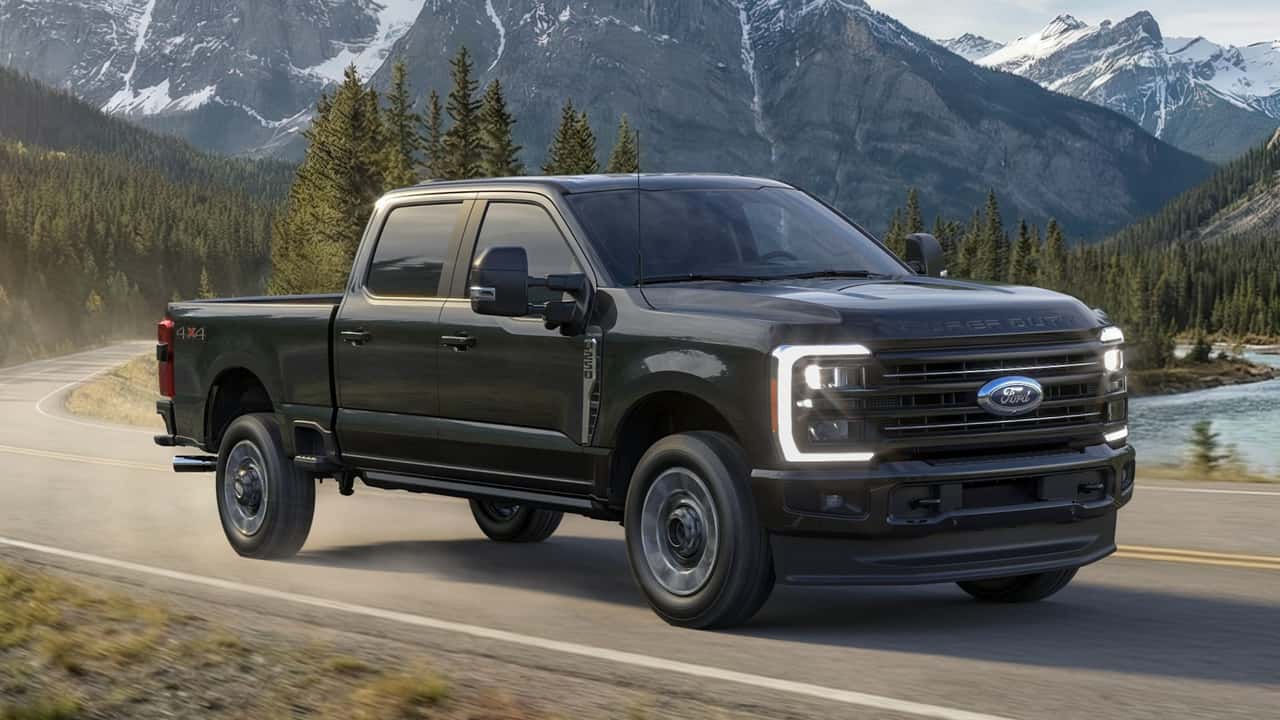
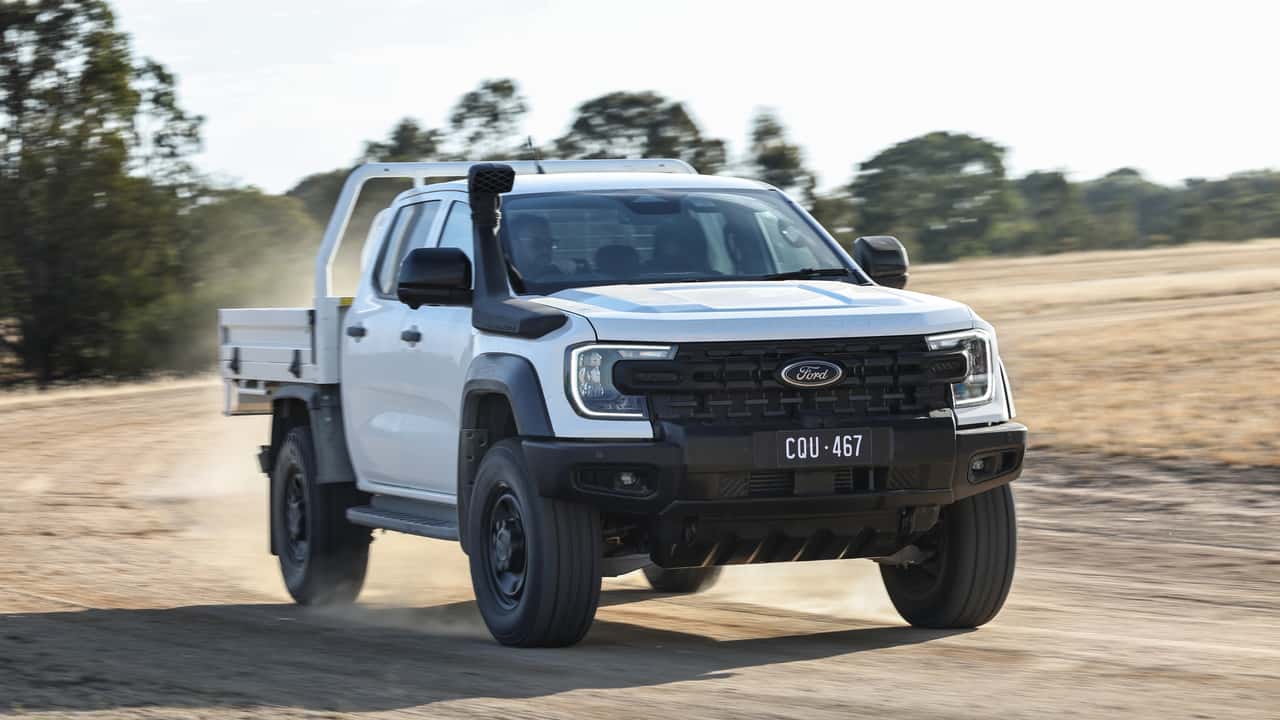
I usually talk about emissions regulations in Europe, where the EU keeps pushing automakers toward electric vehicles and tighter CO2 targets. However, another continent is facing its own challenges. Australia has introduced increasingly strict emissions rules that are pressuring manufacturers, including Ford. Yet the company has no intention of giving up on the V8 Mustang anytime soon. Instead, the Blue Oval has found a workaround: buying emissions credits from rival automakers. The New Vehicle Efficiency Standard (NVES) took effect in July 2025, setting increasingly stringent CO2 targets for manufacturers based on the average emissions of their vehicle fleets. Companies that exceed those limits can purchase credits from automakers that perform better than their targets, avoiding financial penalties in the process. It's an arrangement that could prove particularly useful for Ford. Its Australian lineup includes several high-emitting models, from the diesel-powered Ranger truck and Everest body-on-frame SUV to the V8 Mustang. Rather than sacrifice its fuel-guzzling gems, the company intends to manage the regulatory burden across its entire portfolio. 2024 Ford Mustang Dark Horse The Mustang Has A Future In Australia Speaking with Drive, Ford Australia marketing director Ambrose Henderson made it clear that the company intends to protect the Mustang's future. He described emissions compliance as an overall portfolio challenge that manufacturers must manage, rather than a reason to abandon individual models. The strategy will combine sales of lower-emission vehicles with the purchase of regulatory credits when necessary. Ford is therefore not relying exclusively on other manufacturers to bail it out. Expanding its electrified lineup should also help balance the emissions generated by its more traditional vehicles. Henderson reiterated that the Mustang remains an important part of Ford's heritage and that the company plans to keep selling it for many years. He also acknowledged that NVES affects the sports car's pricing, although exchange rates, commodity prices, and other factors contribute to the final sticker price. 2024 Ford Mustang Dark Horse The 'Stang's Aussie Problem With the risk of stating the obvious, it's worth remembering that this is an Australia-specific challenge. Ford's decision to purchase emissions credits doesn't mean the Mustang faces imminent discontinuation elsewhere. However, it does illustrate the increasingly complicated balancing act automakers face when trying to keep traditional performance cars alive. There is some irony in the situation: Ford might have to pay competitors to keep selling a car whose defining characteristic is an engine that burns considerably more fuel than the average new vehicle. But if that's what it takes to preserve the V8-powered Mustang, the Blue Oval appears willing to write the check. Speaking of irony, the Mustang is the sole surviving Ford car in Europe following the discontinuation of the Ka, Fiesta, Focus, and Mondeo. Not only that, but the performance car is exclusively available with a V8 after Ford dropped the smaller EcoBoost engine a few years ago. There is a caveat, though: emissions regulations have forced the company to detune the engine to 440 hp. Even so, at least it's still around. What do you think? The V8 And The Manual Are Not Going Anywhere Ford has repeatedly expressed its commitment to keeping the V8 alive for as long as possible. In 2023, Ford Performance global director Mark Rushbrook said the company hadn't identified an end date for the eight-cylinder engine, adding that it would build V8 Mustangs "as long as we can." CEO Jim Farley has also credited the Mustang Mach-E with helping preserve combustion engines, once explaining that the electric crossover "lets us sell ICE vehicles for a long time to come." The Blue Oval is equally determined to keep the manual gearbox around. During the 2026 Australian Grand Prix, Farley made his position abundantly clear, telling local media: "Out of our cold, dead hands will we not have a manual Mustang." With the six-speed still available on V8 models, enthusiasts have reason to be optimistic. Neither the Coyote engine nor the third pedal appears to be on Ford's chopping block just yet.