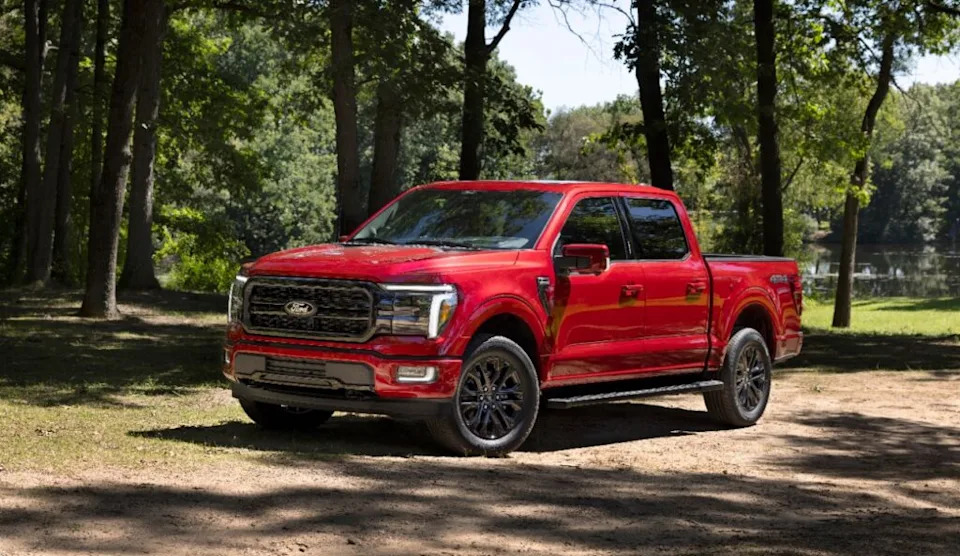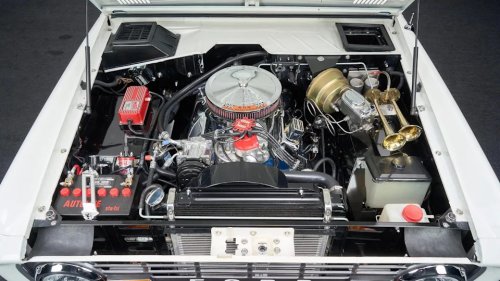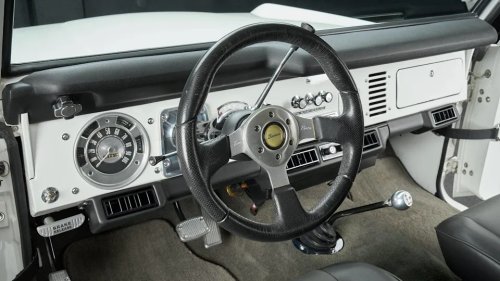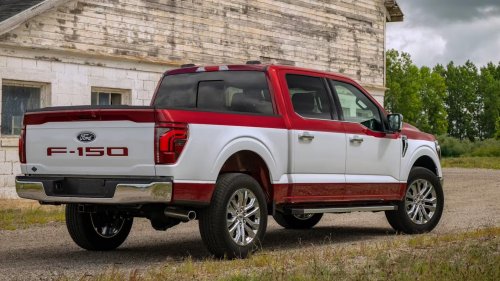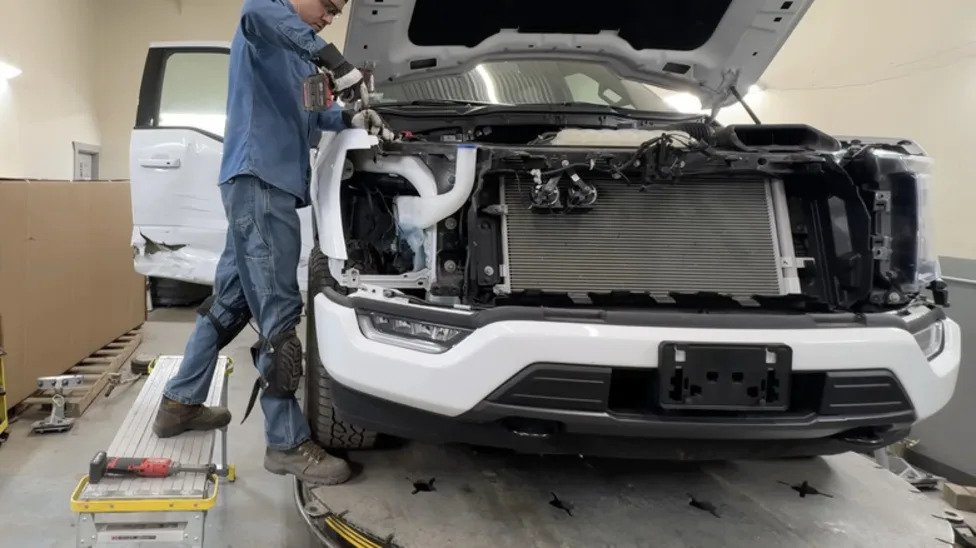
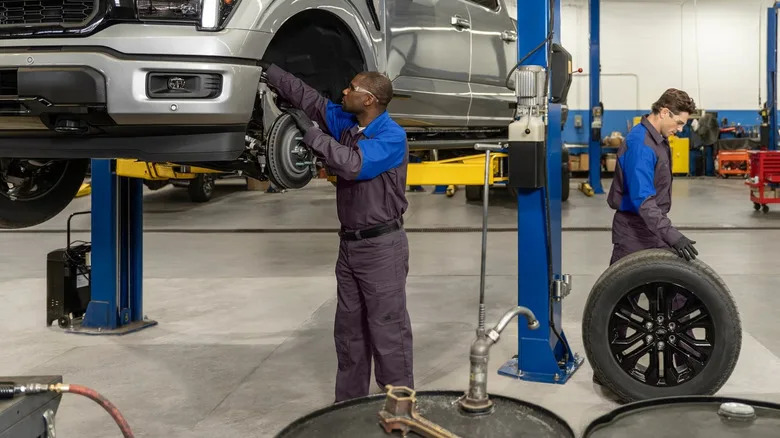



















A technician repairs a white Ford F-150 at a repair shop - Peter K/YouTubeJim Farley, the CEO of Ford, has a message for the folks who love to handle the upkeep of their cars on their own that will not sit right. It arrived during a chat with the Detroit Free Press after a White House meeting over Right to Repair (which also included Ford and General Motors). He initially picked his words very carefully once the topic came up, noting that Ford's stance is "very reasonable, really." He said Ford is an advocate for the ability to fix a car, so long as it gets done "at a reasonable cost."One reporter then inquired whether owners should stay out from under their own hoods. Farley replied that's fine, just "not for warranty work". The reasoning behind that was safety. Since these are very complicated cars, he explained, it's simply not safe to fix at home. Of course, this isn't some one-off bit of advice, since plenty of auto repair shops have argued new cars are flat-out too high tech to mess with.Farley lumped himself into that group as well, saying that somebody like him could never pull it off solo. While he has no trouble tinkering with a 1973 Bronco, a brand-new one is something else entirely. Working on one of those without specialty tools "would put people's lives at risk," according to him.AdvertisementAdvertisementRead more: 4 Common Problems With Catalytic ConvertersWhy Ford cares so much about how your car gets fixedFord technicians work on a pickup truck - FordFord's approach starts to make a whole lot more sense, from their perspective, when you follow the market scenario. Americans are hanging onto their cars for way longer these days. In fact, the average vehicle on the road sat at around 12.8 years old in 2025, according to data from S&P Global Mobility. Older cars mean fewer new sales, which squeezes the companies making them. Aging cars also require steady upkeep, but the catch for Ford is that the money keeps flowing away from its dealers and into independent shops.According to Cox Automotive, dealer service revenue has slid 12 percent since 2018. Meanwhile, the independent shops are thriving. Third-party repair garages nationwide have climbed from 266,000 to 300,000 over the past eight years or so. Take all of this into account and you can see the rationale behind Farley's statements. It's also likely why Ford has been running an ad campaign to nudge owners back toward dealer service bays.Another wrinkle in all of this is the REPAIR Act. While it's still a long way from becoming law, some flavor of it has been bouncing around Congress for a few years now. It would require automakers to give independent garages the same diagnostic data and tools that dealers get.The fight stretches way beyond FordA man's hands are chained as he tries to access his toolbox - Andrey Bukreev/Getty ImagesThat said, Right to Repair stretches far beyond Ford and cars. John Deere had been locked in a battle for years against farmers for allegedly cornering the repair market. Eventually, John Deere agreed to pay a total of $99 million as a settlement for farmers and promised to share the digital tools needed to fix big equipment for the next 10 years. Deere's initial argument was rather similar to Farley's, that its machines are too complicated for outsiders to safely touch.AdvertisementAdvertisementTech has its own version of this, too. Phone and laptop makers rely on something called parts pairing, where a swapped-in component only works if the manufacturer's software gives it a thumbs up. Apple has caught plenty of heat for locking iPhone screens that way, and that is part of why its newer handsets rank among the most difficult modern iPhones to repair. States are pushing back, and Oregon banned the practice outright. Washington state's repair law just kicked in this past January. In short, Farley's comments are not happening in a vacuum and are actually the outcome of the wider push against policies that gatekeep repairs.Want the latest in tech and auto trends? Subscribe to our free newsletter for the latest headlines, expert guides, and how-to tips, one email at a time. You can also add us as a preferred search source on Google.Read the original article on SlashGear.