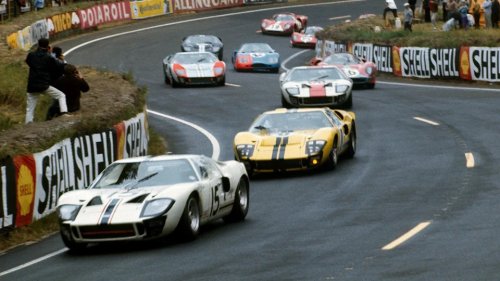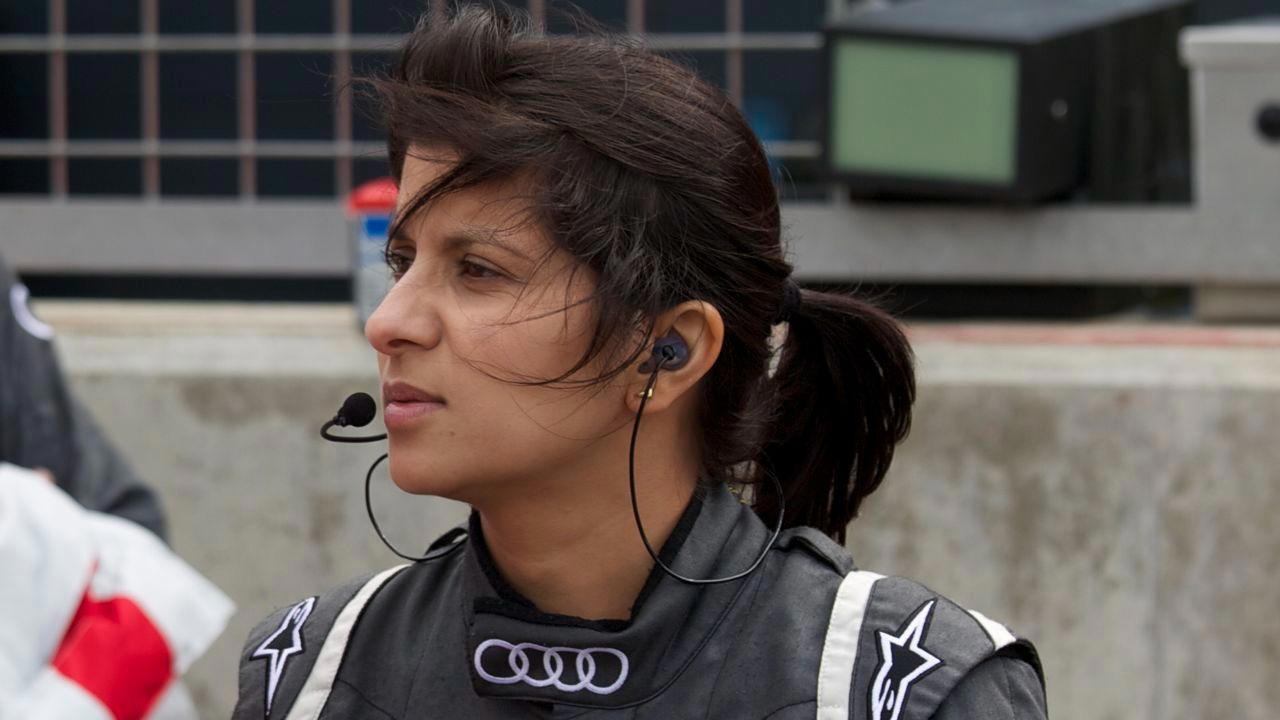

















Ford adds ex‑Audi ace Gade to bolster Le Mans hypercar bidFord has underlined the seriousness of its Le Mans ambitions by recruiting one of endurance racing’s most respected engineers, former Audi strategist Leena Gade, to its new Hypercar program. Her arrival dovetails with an aggressive factory push aimed at returning Ford to the top step overall at the 24 Hours of Le Mans, built around a Coyote V8-powered prototype and a driver squad drawn from both sports cars and Formula 1. The move positions Ford as a genuine threat in the World Endurance Championship’s top category rather than a nostalgic cameo. Gade’s winning pedigree and why Ford wanted her Leena Gade joins Ford with a reputation forged in the pressure cooker of modern endurance racing, where she became one of the most recognizable engineers in the paddock through her work with Audi. As a race engineer she guided cars to multiple 24 Hours of Le Mans victories and established herself as a rare figure able to blend strategic clarity with calm authority over a full day and night of competition. Her profile as a trailblazing female engineer in top level motorsport has been widely chronicled, and her track record with Audi’s factory prototypes is the reason her name carries such weight whenever a manufacturer plots a serious Le Mans assault, as reflected in public records on Leena Gade. Her recent experience keeps her fully embedded in the current generation of hybrid prototypes. Before joining Ford she worked on the #6 Porsche 963 LMDh that won the 2024 edition of the classic American endurance race at Daytona, bringing with her fresh knowledge of how to manage complex energy systems, Balance of Performance politics and traffic management in mixed class fields. Reports describing her recruitment to Ford’s Hypercar project emphasize that she is not being hired as a symbolic figure but as a core race engineer expected to shape performance and race operations from the outset. For a manufacturer that has publicly tied its Hypercar effort to the goal of winning Le Mans outright again, securing an engineer with recent prototype victories and deep Audi experience is a clear statement of intent. How Ford is building a Hypercar contender around elite talent Ford’s decision to bring in Gade sits within a broader hiring drive targeting high level engineering and operations staff for its World Endurance Championship Hypercar squad. On the technical side, Ford will work with French constructor ORECA as chassis supplier for its prototype, a partnership confirmed when the company outlined key building blocks of its 2027 WEC entry and described ORECA as the provider of the Hypercar’s underlying structure. That same announcement detailed that the car would run in the WEC’s top category from 2027, with the clear objective of being competitive immediately at the 95th running of the 24 Hours of Le Mans, which frames every personnel decision around a fixed competitive deadline. Inside the garage, Ford Racing has added figures such as Jean Philippe Sarrazin, who arrives from Porsche Penske Motorsport as a race engineer, and Grant Clarke, who joins as Trackside Engineering Manager after a successful stint in Formula E. Together with Gade, these appointments create a leadership group that blends hybrid expertise, experience with factory prototype organizations and familiarity with modern control systems. Clarke’s role as Trackside Engineering Manager, described as instrumental in previous single seater electric programs, suggests that Ford wants its Hypercar operation to move with the same data driven discipline as a contemporary Formula E or Formula 1 team. The manufacturer has highlighted that these hires demonstrate exactly how serious it is about fighting for overall wins, not only in 2027 but in the build up seasons where the program will test and race in preparation. The Coyote V8, ORECA chassis and the Red Bull Ford link Underpinning the personnel moves is a technical package that blends Ford heritage with modern hybrid technology. The Ford Hypercar will use a naturally aspirated 5.4-litre Coyote V8 engine developed in house and based on the company’s well known modular V8 architecture, a configuration presented as a nod to the Ford GT40 era while still meeting contemporary reliability and performance demands. In parallel, Ford has described a 5.4-liter V8 as the heart of its Hypercar project, reinforcing that this displacement and layout are central to the car’s identity rather than a placeholder specification. The chassis will come from ORECA, which has been named as the supplier of the WEC Hypercar tub and bodywork structure, giving Ford a proven LMDh style platform on which to mount its powertrain and aero package. The hybrid system links Ford’s sports car program directly to its Formula 1 ambitions. Red Bull Ford Powertrains has been identified as a partner on hybrid integration, with the Coyote V8 set to fire up in combination with a hybrid unit that draws on knowledge being developed for the 2026 F1 regulations. That collaboration gives Ford access to high end energy deployment strategies and software tools already being refined for grand prix racing, which should translate into more efficient fuel use and sharper deployment off slower corners at Le Mans. Alongside this, Ford has confirmed that its prototype will compete in the World Endurance Championship as an LMDh entry, a category that uses a spec chassis concept with hardware based on LMP2 and, in Ford’s case, an Oreca chassis that aligns with the ORECA partnership already in place for the Hypercar. Driver line up and the stakes of Ford’s Le Mans return Ford has matched its engineering hires with a driver roster that mixes youth, experience and star power from different branches of elite racing. The company has already named Sebastian Priaulx, Mike “Rocky” Rockenfeller and Logan Sargeant as key figures in its Hypercar plans, with each bringing a distinct background. Priaulx arrives with strong form in GT and prototype machinery, and his profile is documented in public databases for Sebastian Priaulx. Rockenfeller is a long time endurance specialist and Le Mans winner whose career history is captured in records for Mike Rockenfeller, while Sargeant brings current Formula 1 experience and is listed in profiles for Logan Sargeant. Ford has described these three as the drivers it has “found” to lead the Hypercar program, emphasizing that they were chosen specifically for their ability to handle the demands of a 5.4-liter V8 powered prototype at Le Mans. More from Fast Lane Only Unboxing the WWII Jeep in a Crate 15 rare Chevys collectors are quietly buying 10 underrated V8s still worth hunting down Police notice this before you even roll window down