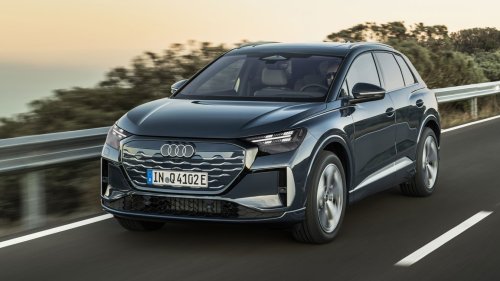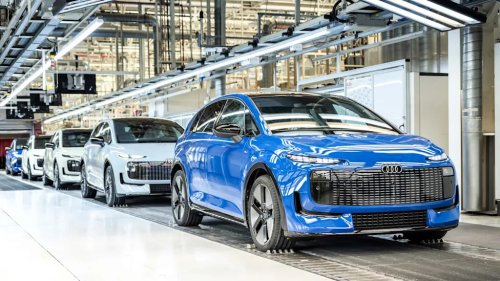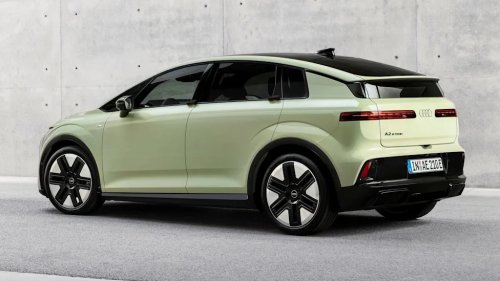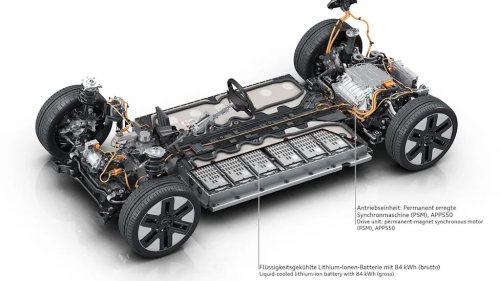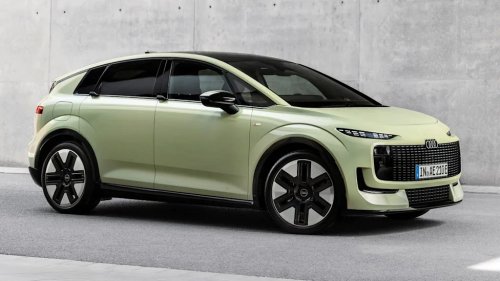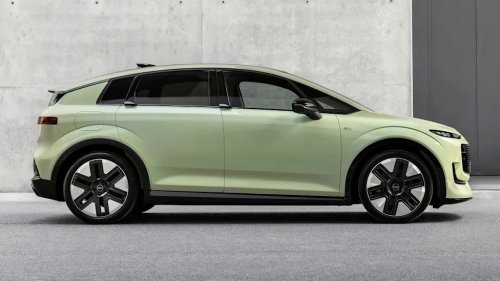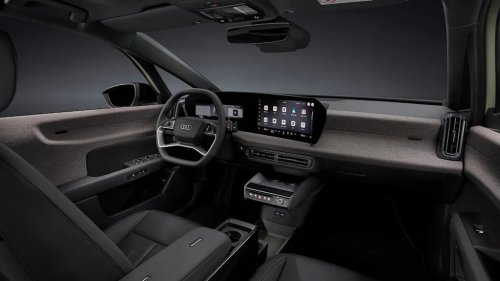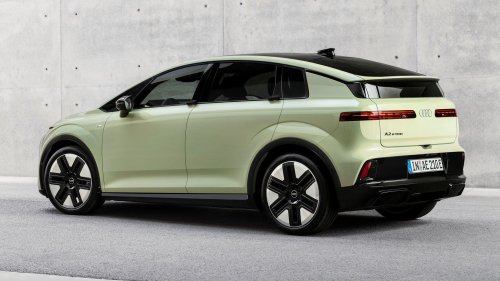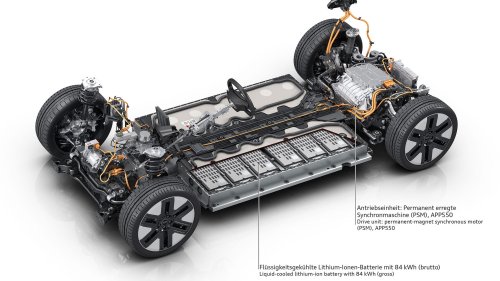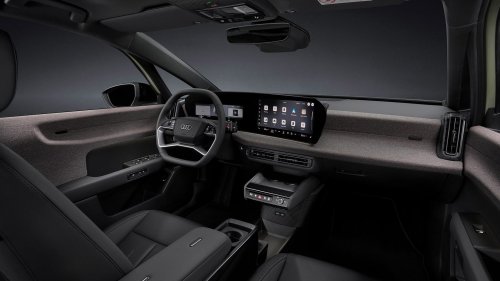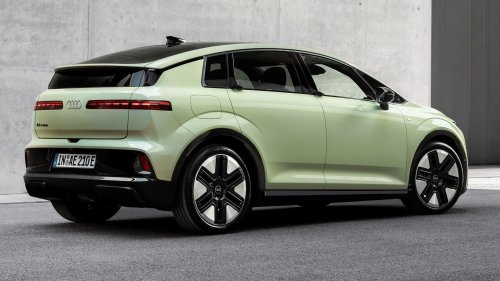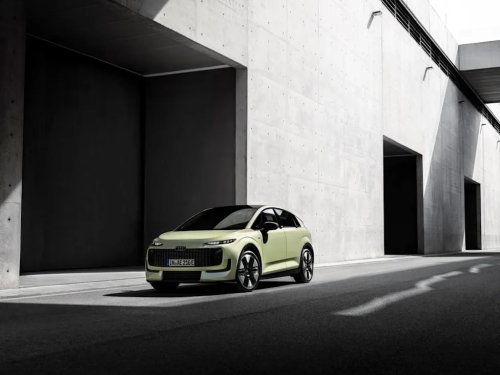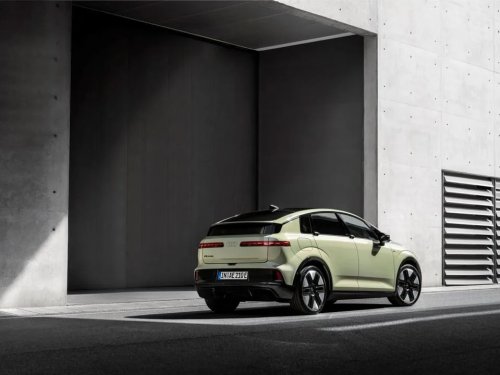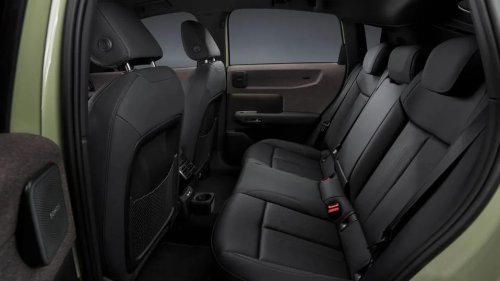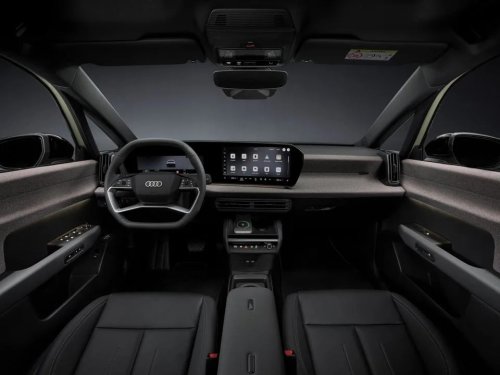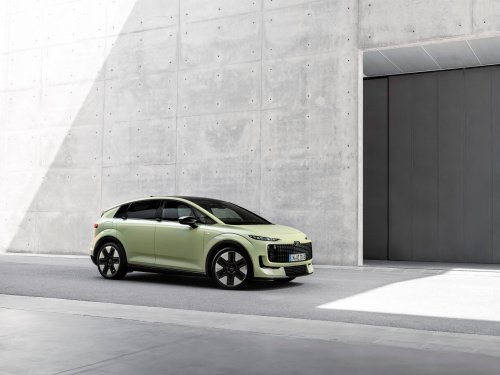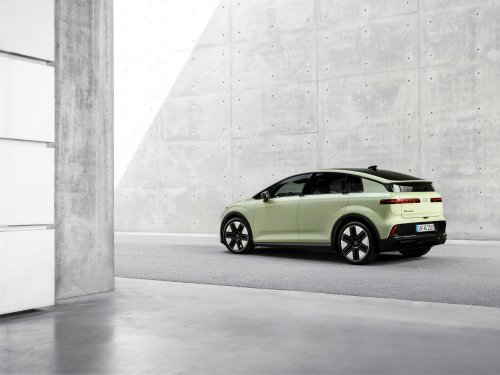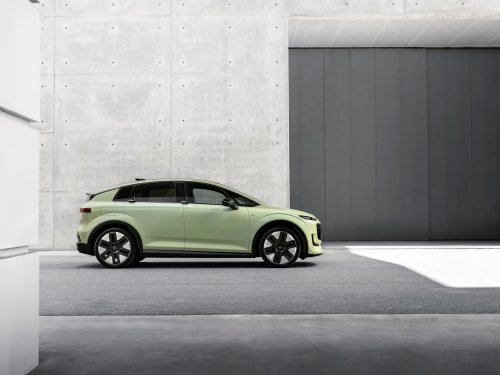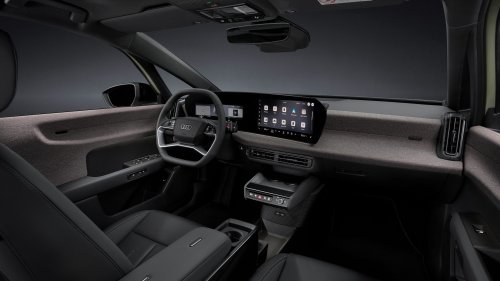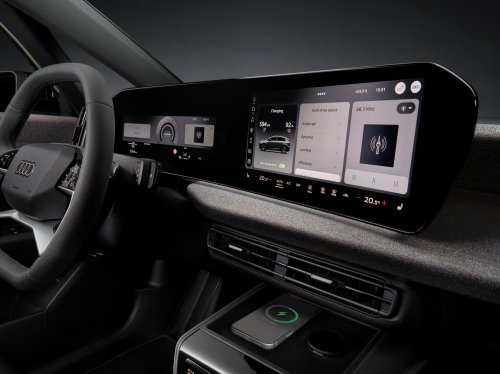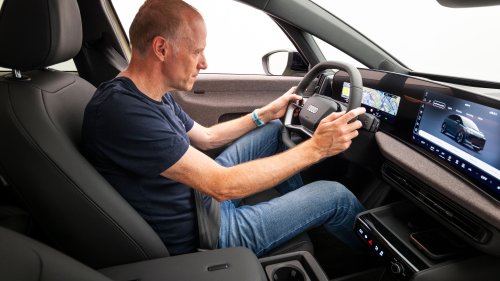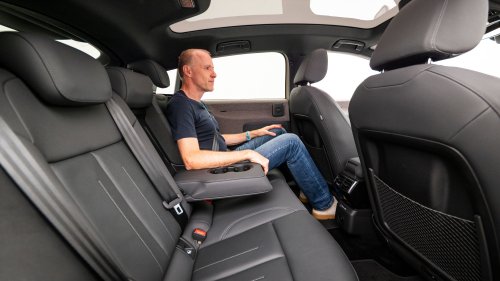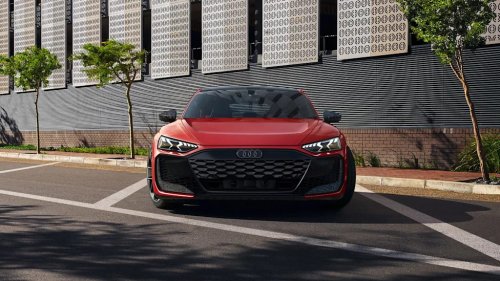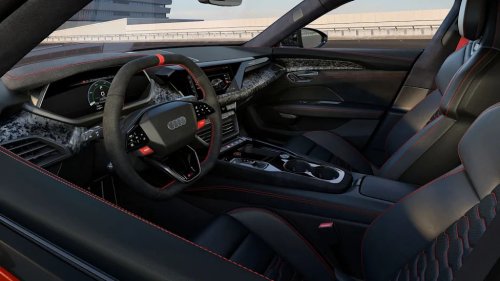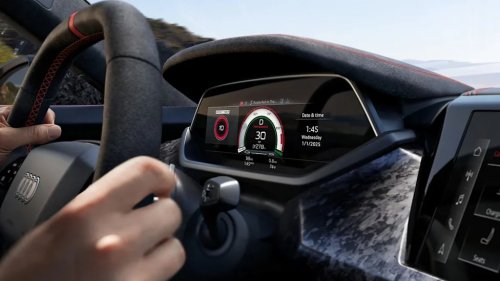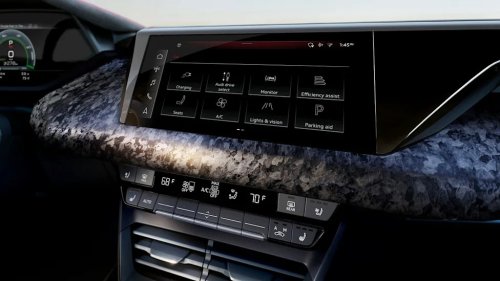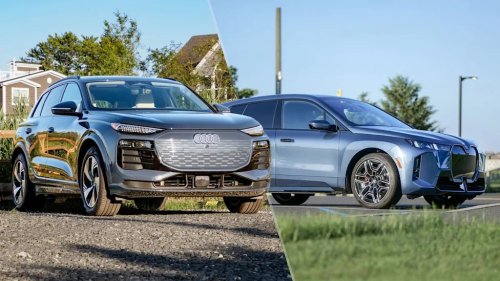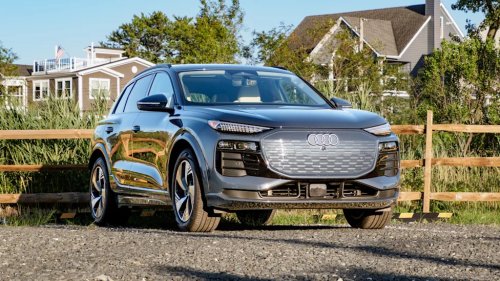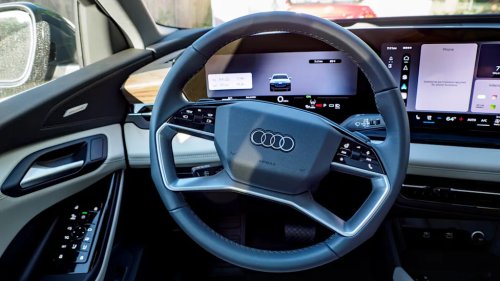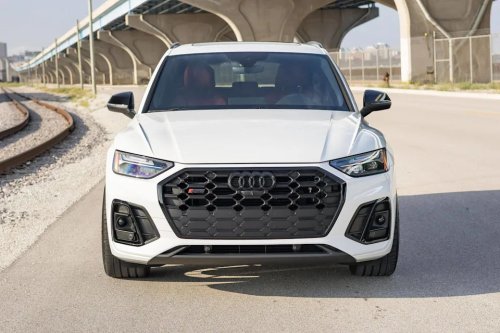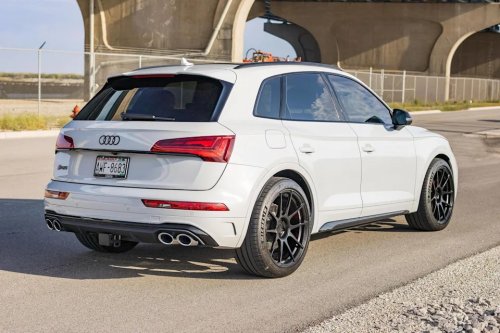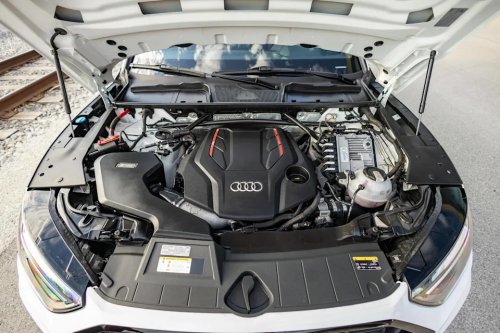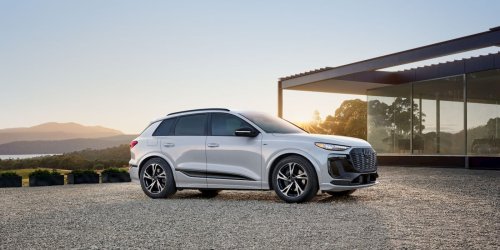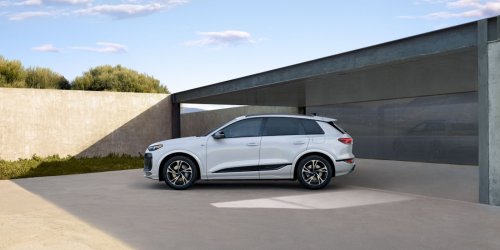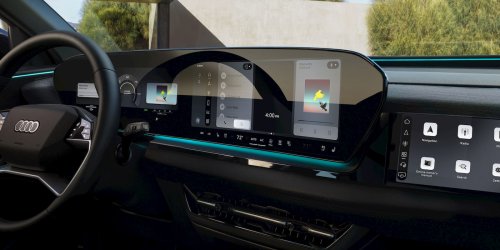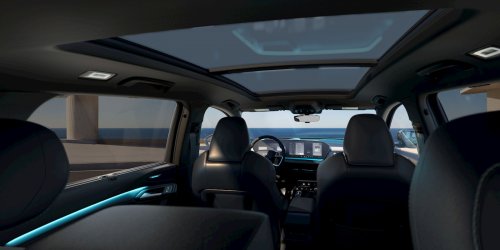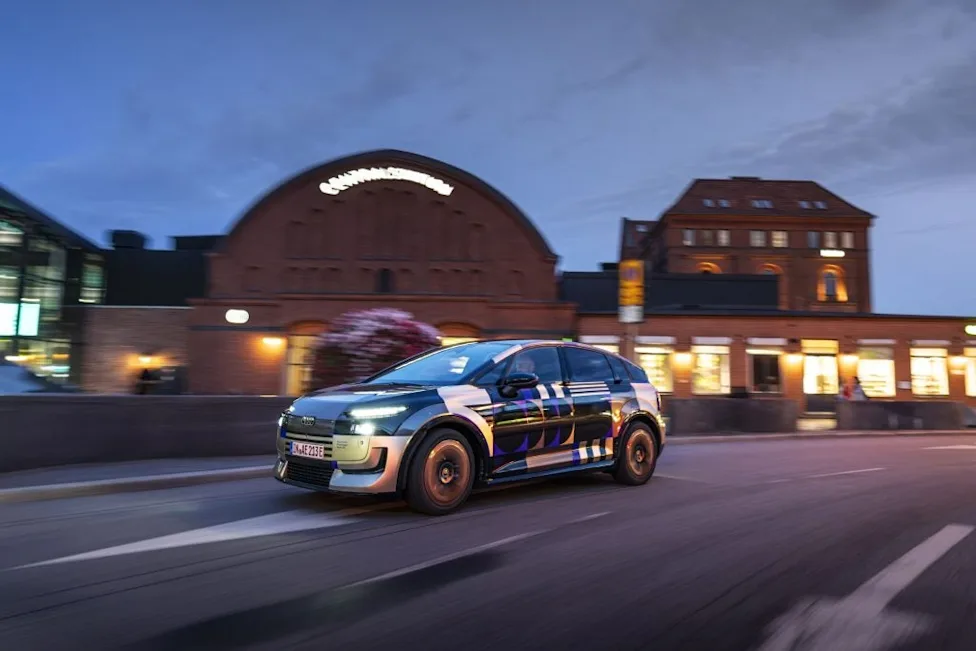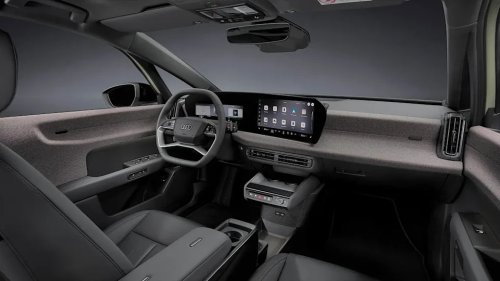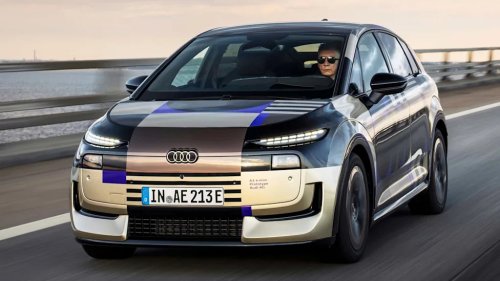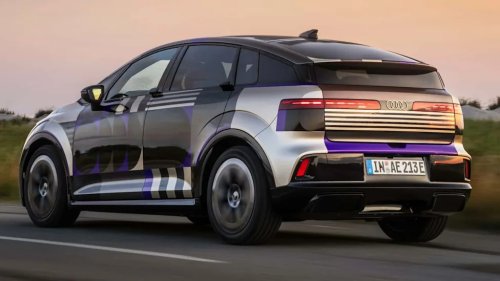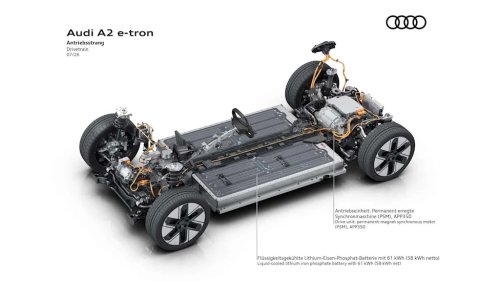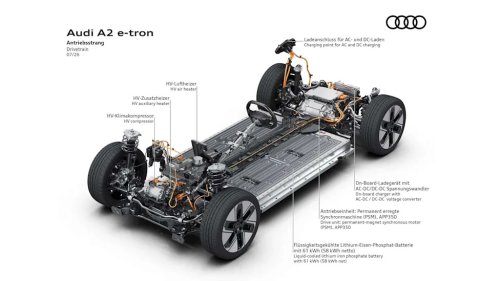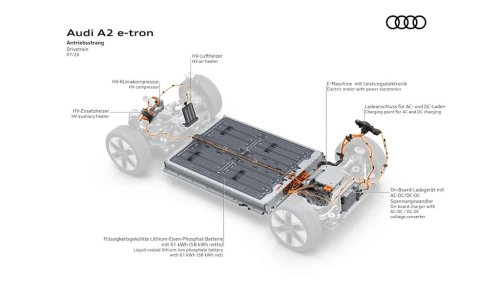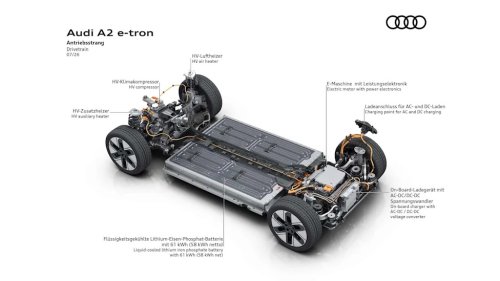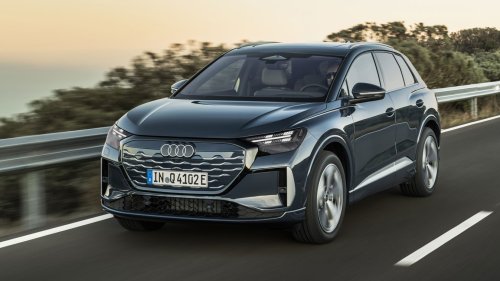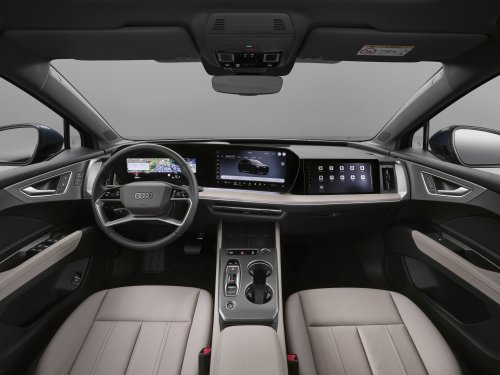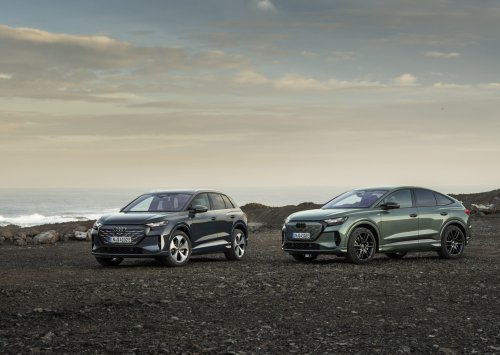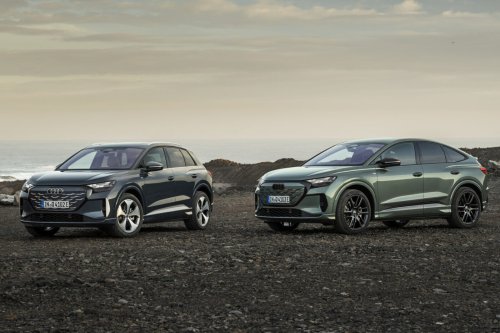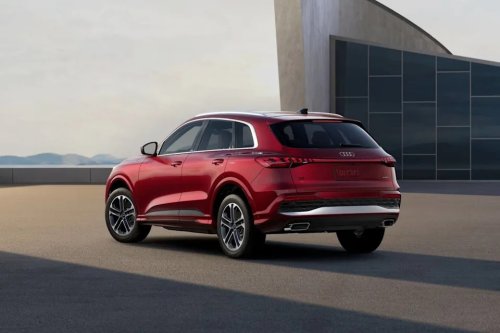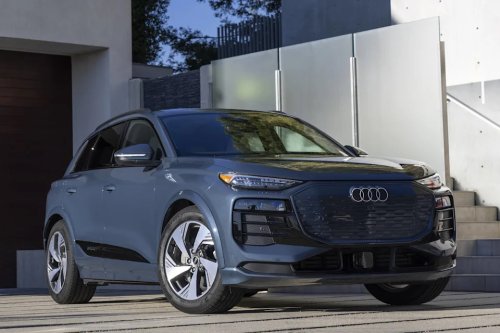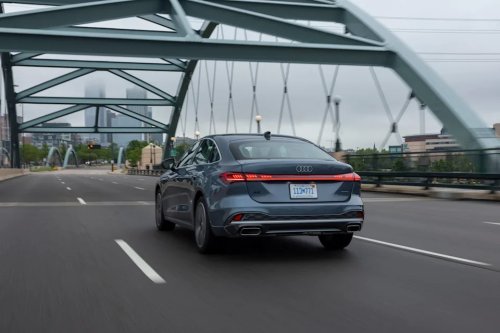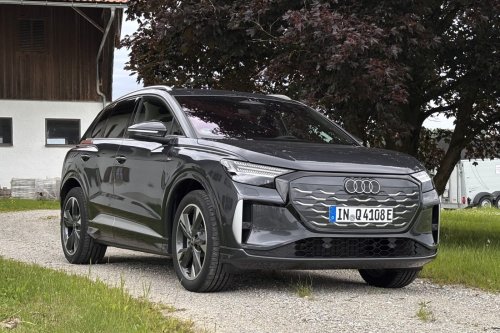
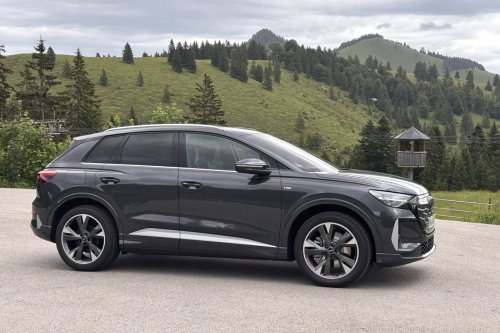
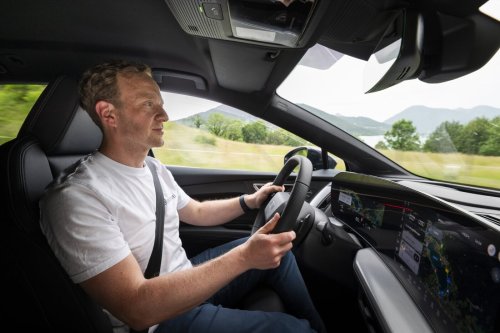
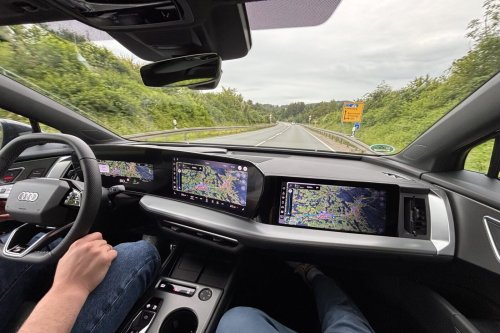
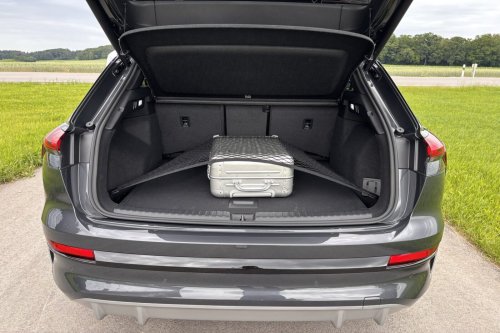
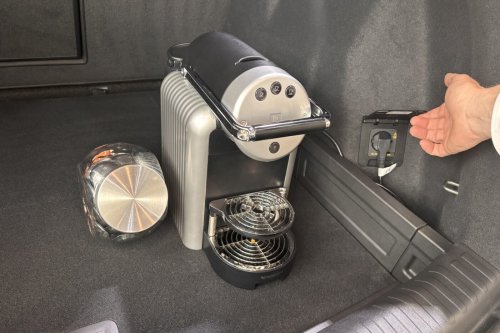
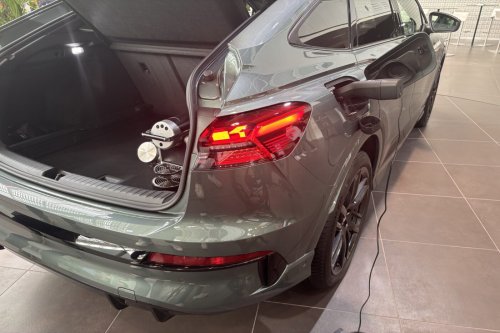



















When Audi launched the Q4 e-tron in 2021, its mission was clear: the compact SUV was to bring electromobility to the masses in Ingolstadt. The strategy paid off. With over 350,000 units built, the Q4 e-tron, along with its coupé-like Sportback variant, has become the brand’s best-selling electric vehicle. However, five years is an eternity in the world of electromobility, and the Q4’s age had become increasingly apparent—particularly in its interior and operating concept.This is precisely where the facelift (all details on the launch here) comes into play, which has been available to order since early summer. Unlike many facelifts, the focus here is not on bumpers and lights but under the sheet metal and inside the cockpit. The Q4 e-tron features a completely new screen layout, an infotainment system based on Android Automotive, a more efficient rear motor—and, as the first Audi model ever, bidirectional charging. The update directly addresses areas where the brand’s relatives and competitors had already taken the lead.For this first drive, the route took us from Munich Airport to Lake Tegernsee, covering 153 kilometres with a significant portion of country roads and narrow mountain passes. This answered two of the three key questions about the updated Q4 e-tron: How much does the new, more efficient drivetrain reduce real-world energy consumption? And does the new interior represent the hoped-for leap forward? The third question—how reliably the electric Q4 now performs fast charging—remains unanswered for now. We were unable to charge during this initial drive. More on that later. The More Efficient Drivetrain Pays OffLet’s start with energy consumption, as this is where the Q4 delivers its most compelling argument. The centrepiece of the update is the new APP350-generation PSM rear-axle motor, developed by VW, which Audi claims offers around ten percent higher efficiency. This improvement stems from enhancements in the motor, power electronics with silicon carbide semiconductors, software, and low-friction transmission components. In figures, the WLTP range increases by approximately 30 kilometres, depending on the variant.On the road, this is noticeable in the tested Q4 e-tron quattro. Over the 153 kilometres from Munich to Lake Tegernsee, the onboard computer recorded an average consumption of 16.4 kWh/100 km—at an average speed of 57 km/h. Admittedly, conditions were nearly ideal: outdoor temperatures of 20 to 25 degrees Celsius in June, mostly without air conditioning, and a route profile dominated by country roads and a good quarter of narrow mountain passes, where regenerative braking recovered significant energy on descents. The motorway portion was correspondingly low. Nevertheless, for a 2.24-tonne all-wheel-drive SUV with sporty tyres, this is an excellent figure.Extrapolating this to the usable battery capacity of 77 kWh, under these conditions, a real-world range of roughly 470 kilometres would have been achievable—not far off the 531 WLTP kilometres stated for our generously equipped test vehicle with 20-inch wheels and S line trim. The range display also supports this impression: at the start, with a 98 percent charge, the display showed 414 kilometres; upon arrival with 65 percent remaining, it indicated 305 kilometres. The prediction became noticeably more optimistic over the course of this efficient drive. How much consumption increases during sustained motorway speeds or in winter could not be determined on this trip. However, a look at the WLTP sub-values makes it clear that there is significant potential: Audi specifies 22.7 kWh/100 km for motorway driving. The more efficient Q4 is no long-distance specialist, but it is more than sufficient for everyday use and occasional trips.Charging Remains the Open QuestionThis brings us to the third question, which, to be honest, remains unanswered: fast charging. Since no charging stop was required during this first drive, we can only refer to the manufacturer’s specifications—and these are solid for our quattro, though not record-breaking. Audi promises a maximum DC charging power of 165 kW, with a charging time of 28 minutes for a boost from ten to 80 percent. In ten minutes, up to 170 kilometres of range can be added. The most powerful quattro models charge at up to 185 kW—though this does not set new benchmarks in this segment.Far more important than peak power, however, is another detail of the update: Audi has revised the battery preconditioning system. It can now be activated automatically via the navigation destination or manually. This was a weak point in some MEB models until now—and whether the Q4 now reliably maintains its charging curve, especially in cooler temperatures, can only be assessed in a comprehensive test with multiple charging sessions. We will have to reserve this for a later date.Confident, but Emphatically ComfortableOur test vehicle is powered by the quattro system with a system output of 220 kW/300 PS and all-wheel drive, delivering maximum torque of 134 Nm at the front and 350 Nm at the rear. On paper, the 6.2 seconds to reach 100 km/h and a top speed of 180 km/h are not sports car figures—and the Q4 drives exactly as such. The drivetrain is deliberately tuned for smoothness, with no harsh punch on acceleration but instead a steady, confident build-up of speed. Overtaking on country roads is effortless, and the quattro remains planted and secure in its lane.The suspension is clearly comfort-oriented—an approach that feels right for this car. Those who cycle through the regenerative braking levels using the shift paddles will find the perfect setting, from relaxed coasting to strong deceleration. The Q4 is no cornering specialist, and that is a good thing: it glides comfortably along, and it does so exceptionally well. For those who occasionally want to take in the scenery, the Level 2 system called Audi Adaptive Cruise Assist (ACA) Plus provides reliable support.The Interior: The Real Leap ForwardThe most visible progress is found in the cockpit. Audi has replaced the old, somewhat dated architecture with the “Digital Stage,” featuring an 11.9-inch digital instrument cluster and a 12.8-inch touchscreen, with an optional 12-inch passenger display. The curved display, which wraps around the driver, was previously seen in this form from Porsche—and it works exceptionally well in the Q4. The head-up display is also impressive, the passenger display is seamlessly integrated, and the seating position is comfortable. It is clear: Audi has taken the sometimes harsh criticism of the interiors in its recent models seriously.Additionally, the new infotainment system is based on Android Automotive, complete with its own app store and an AI-powered assistant that can answer freely formulated questions via ChatGPT integration. The navigation system performed very well during the drive, and the software as a whole made a smooth, mature impression. In terms of space, the Q4 leverages its MEB platform as expected. I sat in the back seat myself—with a front passenger measuring between 1.80 and 1.90 metres, I still had around 20 centimetres of knee room with my 1.80 metres. That is impressive for a compact SUV. Trade-offs must be made in the boot space: despite the practical SUV shape, it is not enormous, though the second loading floor offers some additional flexibility. The seats are comfortable, and the interior feels premium and sophisticated.The Unique Selling Point: The Q4 as a Power BankThis brings us to the second genuine innovation—and, for me, the most interesting one. As the first Audi model, the Q4 e-tron supports bidirectional charging. Using a 230-volt socket with 16 amperes inside the cabin and an adapter solution on the rear-right charging port (as is common in the Volkswagen Group), the car becomes a mobile power source—Vehicle-to-Load (V2L). In the future, Vehicle-to-Home (V2H) functionality will also be introduced, turning the Q4 into a home energy storage system. Interestingly, the interior socket and the external adapter can be used simultaneously, providing a combined maximum output of 3.6 kW. However, this is only available within a battery state of charge (SoC) window of 20 to 80 percent, as Audi explains. “We don’t want to strand our customers,” a spokesperson clarified. What sounds technical on paper becomes a tangible advantage in everyday life: those who take their e-bike into the mountains can recharge it directly from the car on site. This is precisely the adventurous target group Audi is addressing—and it is this feature that most clearly distinguishes the updated Q4 from its predecessor, alongside the more efficient drivetrain.Visually, too, the Q4 has matured. The enclosed, body-coloured “grille” with its sealed rings, housing the sensors, gives the front end a sense of depth and makes the SUV appear robust. The vertical blades of the S line trim and the new OLED rear lights add subtle accents without overdoing it.Conclusion: Grown-Up—but Not CheapThe Q4 e-tron has always been the sensible choice among Audi’s electric vehicles. With this facelift, it has also become the most refined: a comfortable, efficient, and thoroughly convincing electric SUV for everyday use, delivering realistic ranges thanks to its new drivetrain and finally featuring a cockpit that meets modern standards. The V2L function is more than just a gimmick—it makes the Q4 significantly more versatile for active users.However, it is not a bargain. The quattro starts at €55,900, while our well-equipped test vehicle came to €66,735. Those looking for this technology at a lower price will find it among the MEB siblings—the VW ID.4, Škoda Enyaq, or Cupra Born—where the Audi premium is not added. That, however, is precisely the point: the Q4 is aimed at those who value the brand emblem and a slightly more premium appearance. As a company car for private use, with high real-world range and low operating costs, it makes a lot of sense.Nevertheless, two questions remain unanswered. First, the charging performance, which can only be clarified in a detailed test with multiple fast-charging sessions. And second, the bigger question: the Q4 continues to rely on the 400-volt MEB platform—while premium competitors and Audi’s own larger PPE models have long since moved to 800 volts. This update suffices for the current lifecycle. The next step, however, will need to be more fundamental.