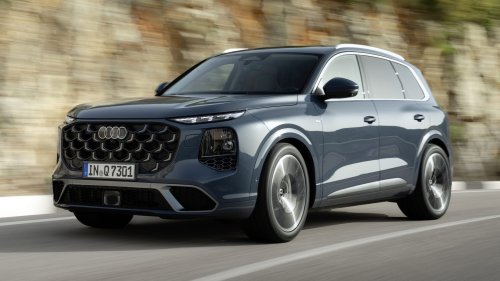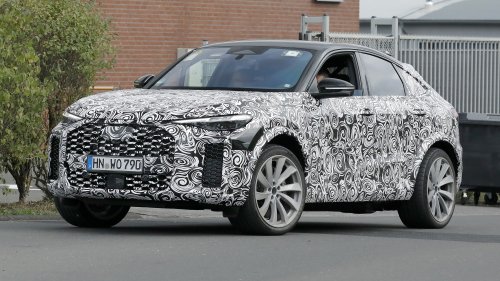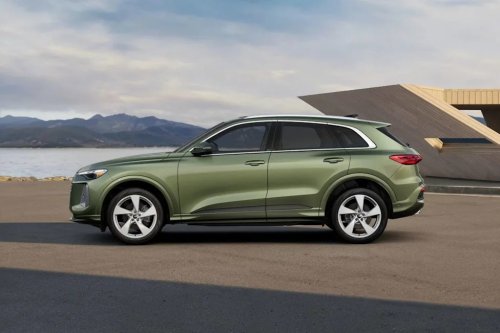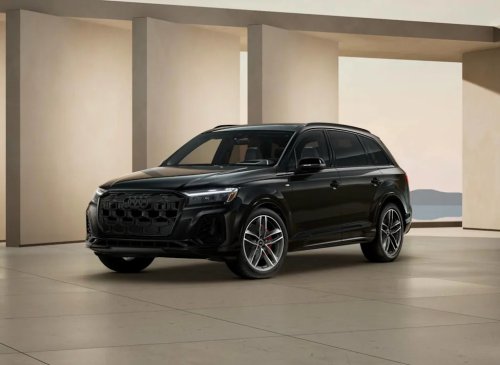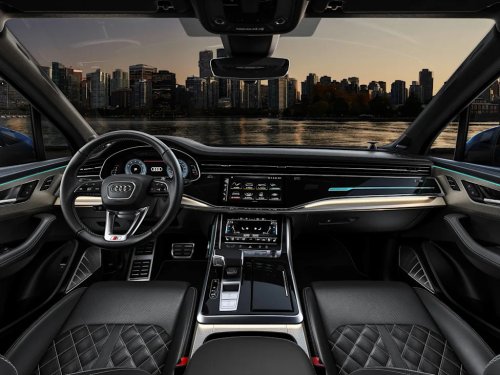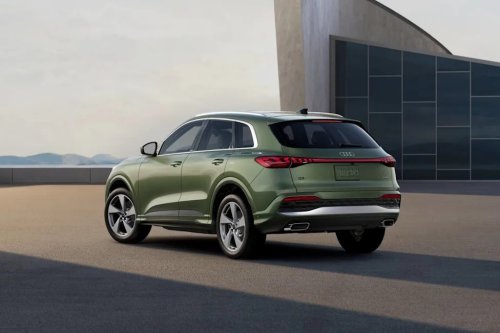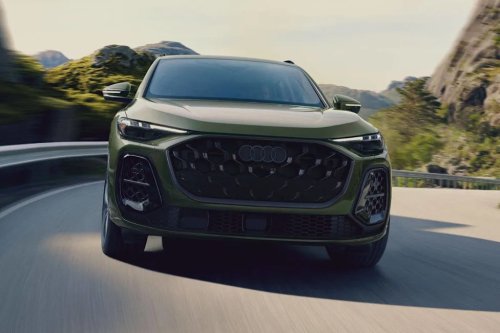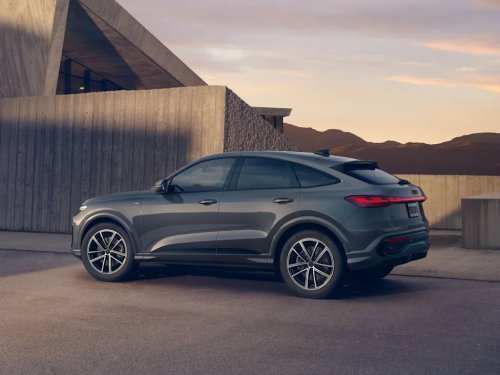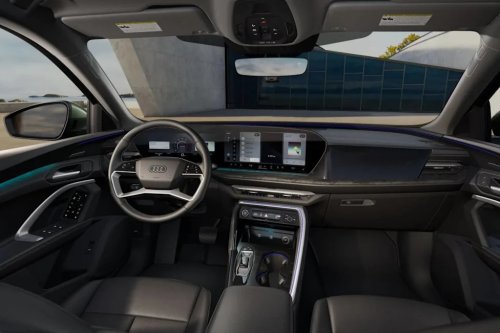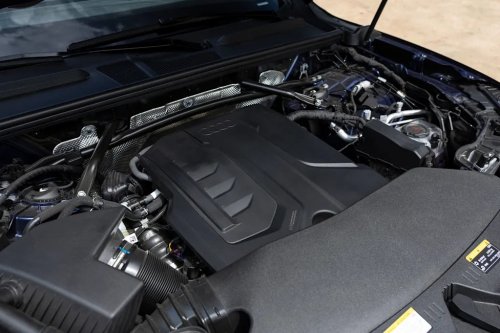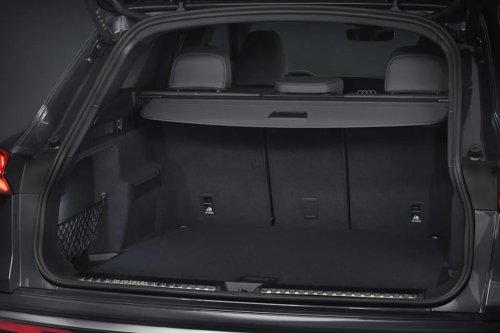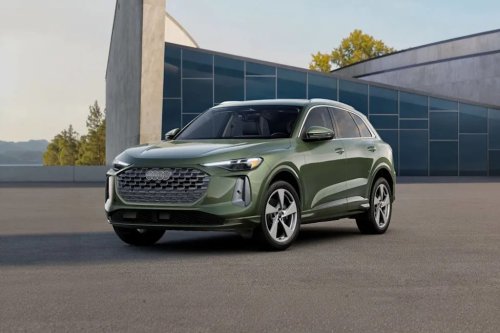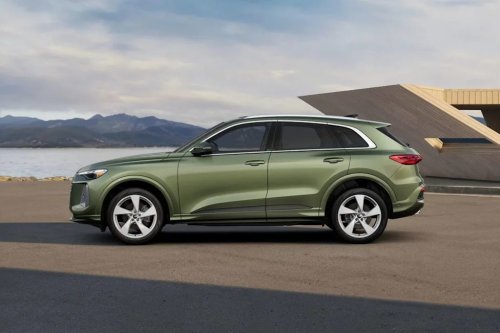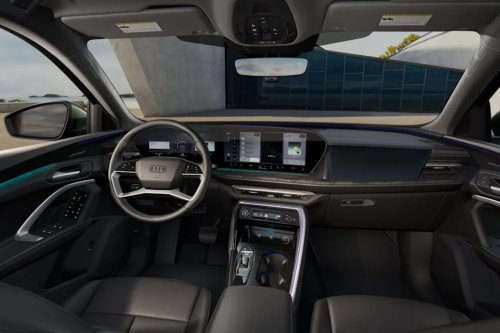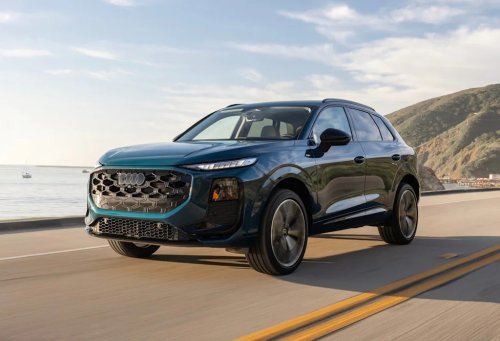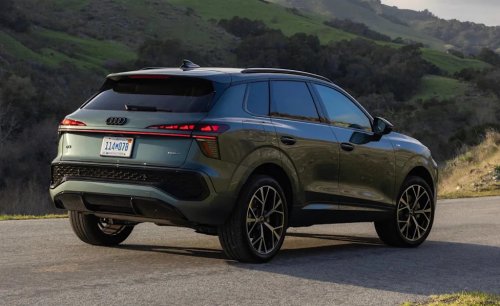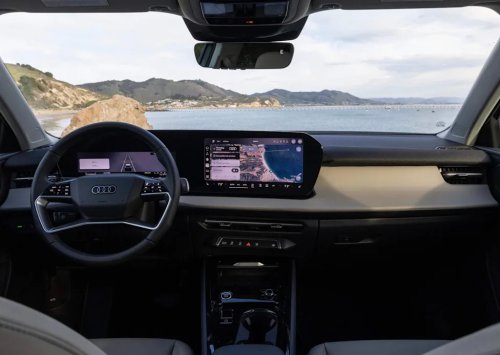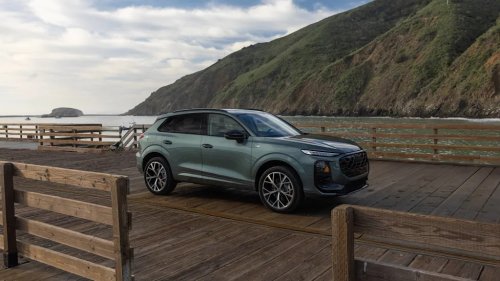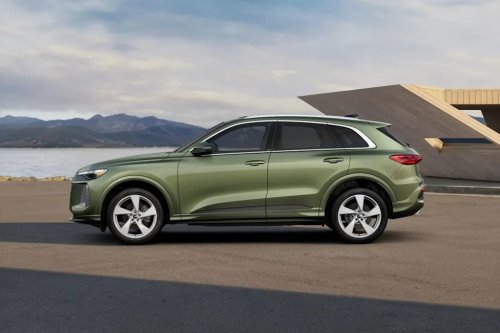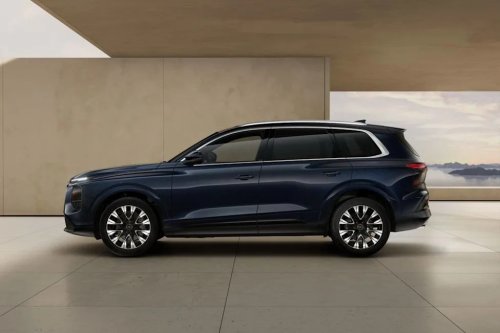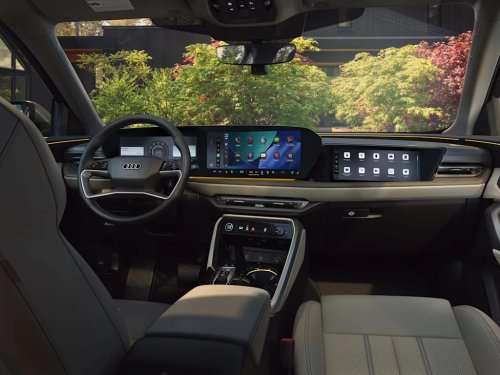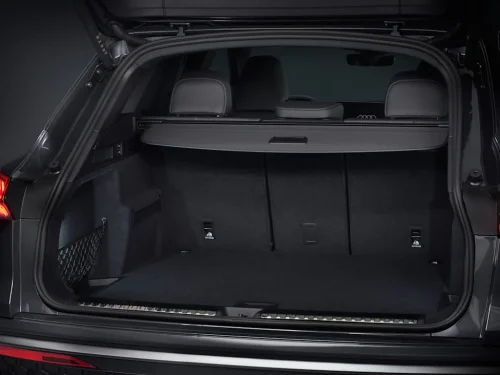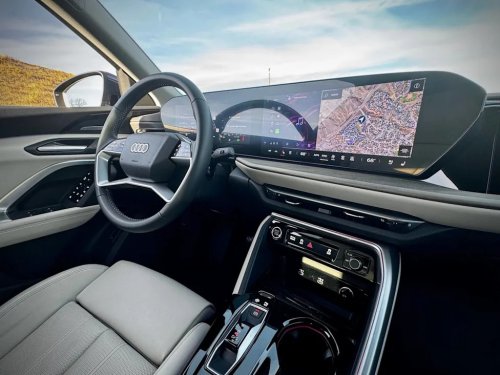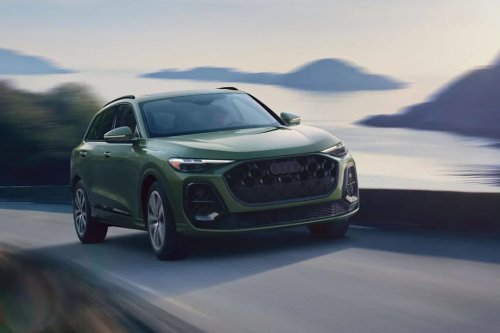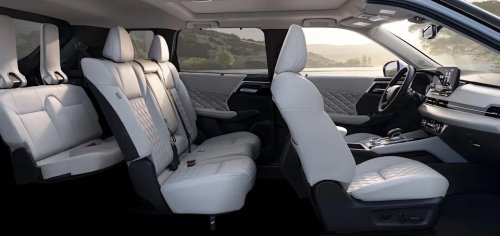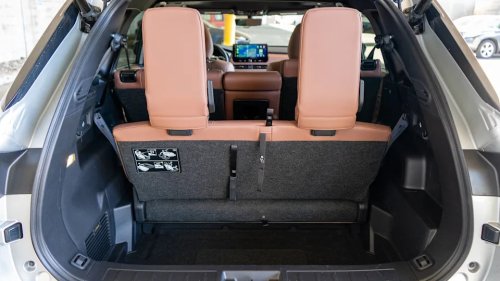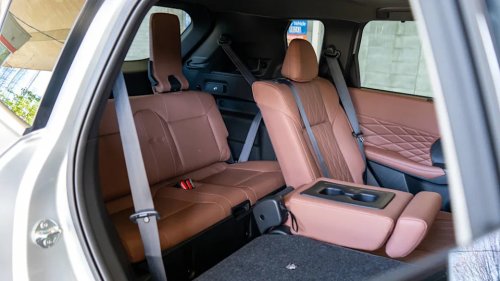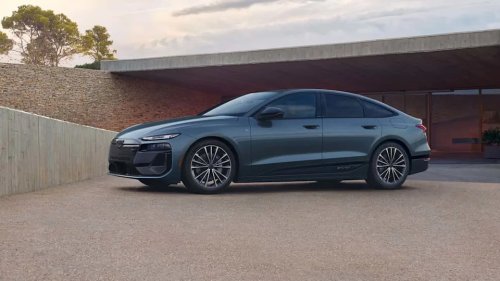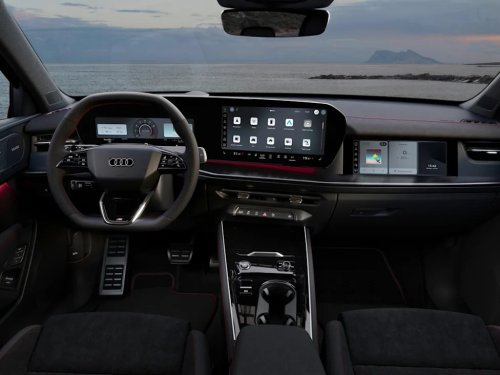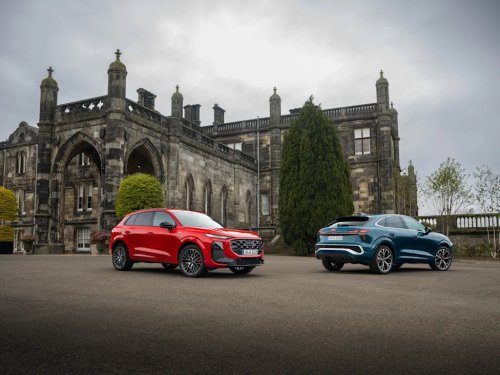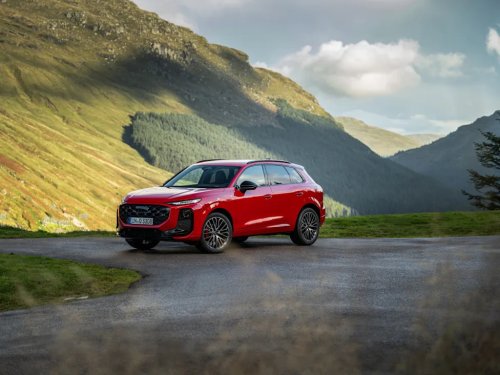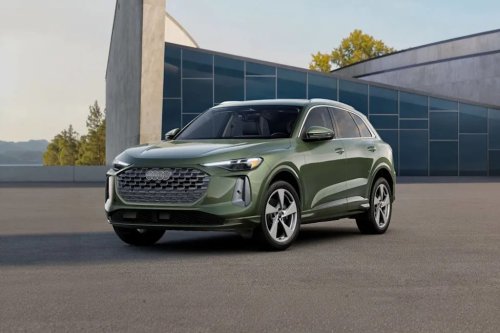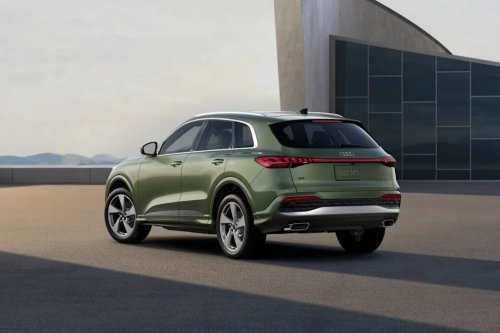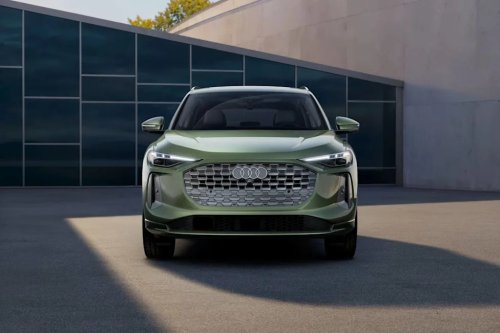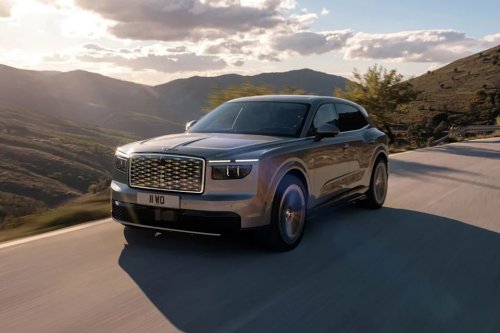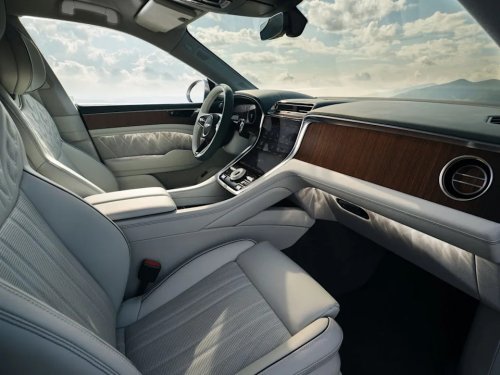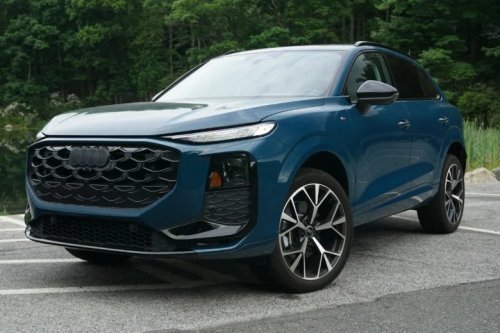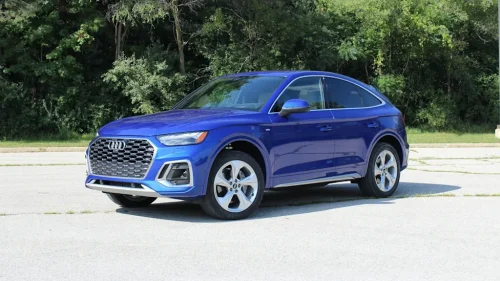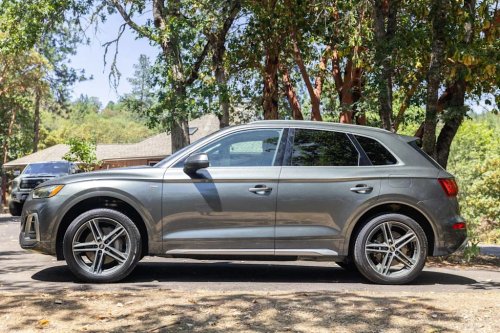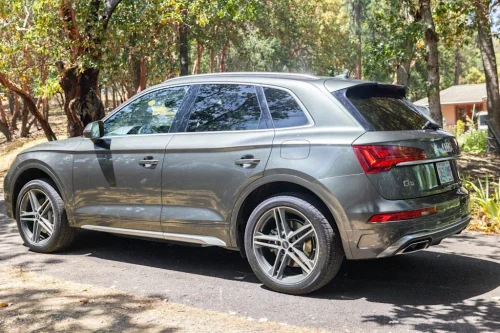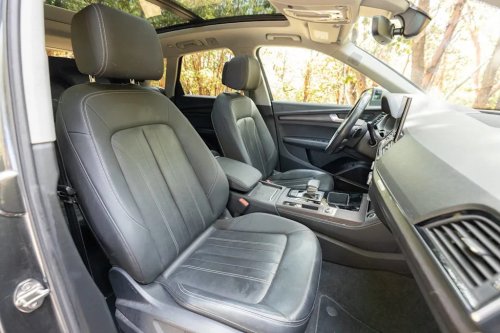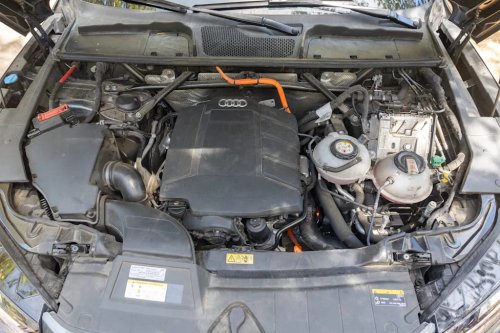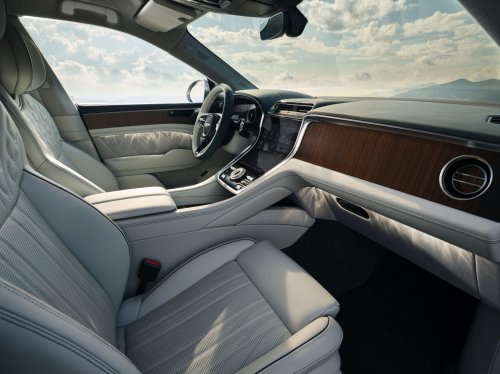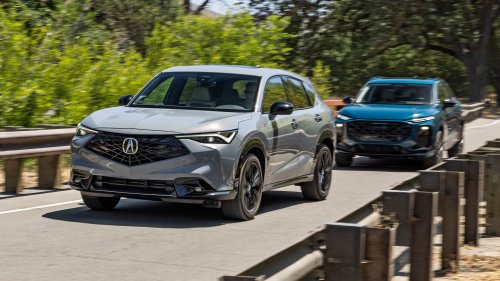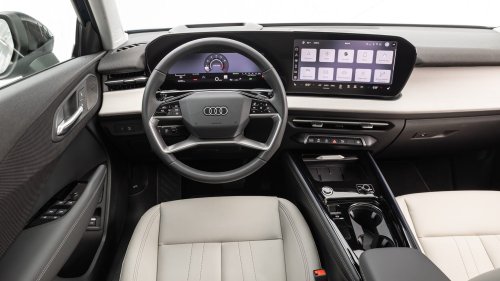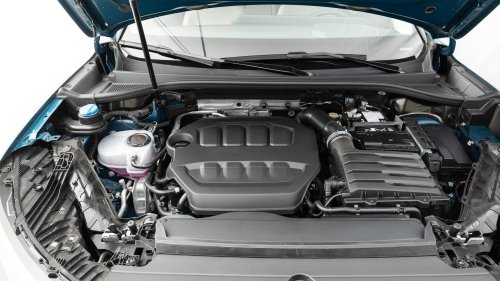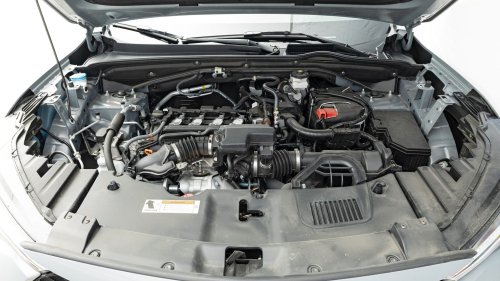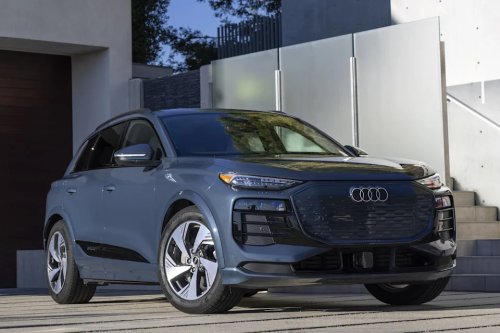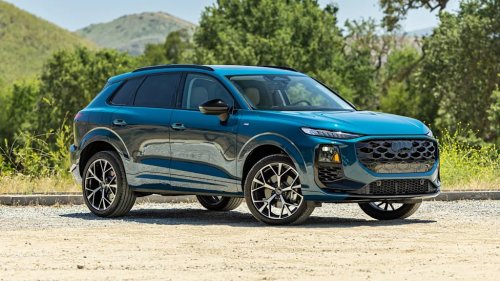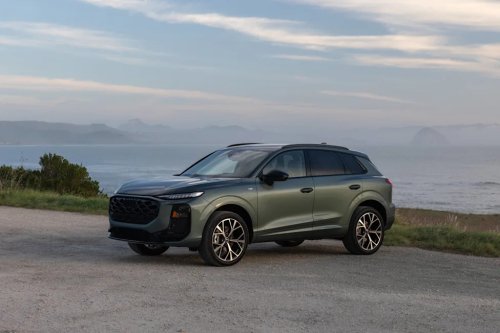
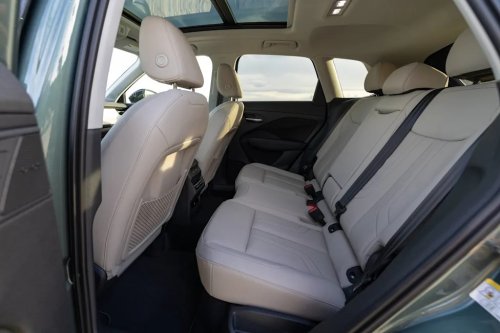

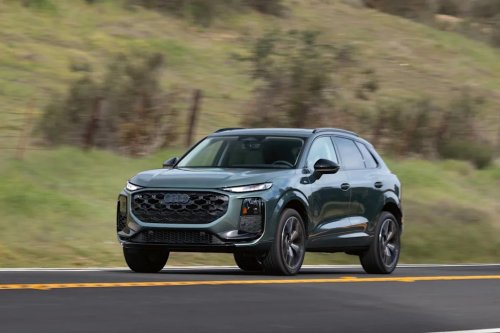



















Autoblog and Yahoo may earn commission from links in this article.The 2026 Audi Q3 and Q5 sit one rung apart in Audi's SUV lineup and share most of the hardware that usually decides a comparison. Both run a 2.0-liter TFSI turbocharged four through a 7-speed S tronic dual-clutch and quattro all-wheel drive, and both are electronically limited to 130 mph. Move past that shared driveline and the two separate on size, price, and how each one uses the space it has. The Q5 is the bigger car on the outside, yet the way the two hold cargo does not track the size class the way most shoppers would guess.I spent time behind the wheel of both, including a stretch in the Q3 with my own family of five — two six-footers and a child seat — to see how the numbers translate to actual use. This comparison follows the size gap from the outside in, then shows where the extra metal and the extra money pay off, and where they quietly don't.2026 Audi Q32026 Audi Q5Base MSRP$43,700$52,800Engine2.0L TFSI turbo I42.0L TFSI turbo I4Horsepower255 hp268 hpTorque273 lb-ft295 lb-ft0–60 mph (Audi est.)5.5 sec5.8 secLength178.4 in185.7 inWheelbase105.6 in110.9 inCargo, behind row 1 / row 249.95 / up to 29.03 cu ft56.9 / 27.6 cu ftRear legroom36.1 in38.0 inMax towing1,500 lb4,400 lbEPA combined25 mpg (23 city / 30 hwy, confirmed)24 mpgFuel gradeRegularPremiumThe Size Gap Starts on the OutsideThe Q5 is 7.3 inches longer than the Q3, at 185.7 inches to 178.4, riding on a wheelbase stretched 5.3 inches to suit. Most of that goes into the body and the rear cabin rather than the width, which stays within an inch and a half between the two. What the extra length does not buy is easier low-speed handling. Both Audis turn through the same 38.7-foot curb-to-curb circle, so the longer Q5 is no harder to park or U-turn than the Q3. A buyer who expects the compact SUV to be the obviously easier one to thread through a city gives up less on that front than the size gap implies.2026 Audi Q3 S Line QuattroAudiView the 2 images of this gallery on the original articleInside, the Rear Seat Is Where the Money GoesFront-seat occupants sit in nearly identical space in either car. The Q3 offers 40.0 inches of front legroom and 38.1 inches of front headroom, the Q5 40.9 and 38.2 — close enough that a driver moving between the two would struggle to feel it. The size premium lands in the second row, where the Q5 provides 38.0 inches of rear legroom to the Q3's 36.1, a 1.9-inch gap that adult passengers register on a longer drive, along with slightly more rear shoulder room at 55.9 inches versus 55.1. The Q3's cabin gives up little when the back seat carries children or sits empty, while the Q5's extra room matters most once adults ride back there regularly. My own family of five rode comfortably enough on most trips in the Q3, which says more about how it uses its rear space than the 1.9-inch legroom gap alone would suggest.2026 Audi Q3 S Line QuattroAudiView the 2 images of this gallery on the original articleCargo: The Q3 Fights BackWith both rear seats folded, the Q5 is the bigger box, opening 56.9 cubic feet against the Q3's 49.95. With the seats up, the order can flip: the Q3's sliding bench opens between 24.97 and 29.03 cubic feet depending on its position, and slid fully forward it edges past the Q5's fixed 27.6. A Q3 owner willing to give up a little rear legroom carries more behind an upright second row than a Q5 owner does. Only when the seats drop and outright volume decides it does the Q5 move back in front.2026 Audi Q3 S Line QuattroAudiView the 2 images of this gallery on the original articlePower and WeightBoth SUVs use the same 2.0-liter TFSI four, tuned slightly differently. The Q5 makes 268 horsepower and 295 lb-ft against the Q3's 255 and 273, and it also carries 276 more pounds, at 4,211 to the Q3's 3,935. The heavier car is marginally slower from rest, at an Audi-estimated 5.8 seconds to 60 mph against the Q3's 5.5 — the weight difference largely accounts for the gap rather than any surprise in tuning. Both are limited to 130 mph, so the small launch gap is the extent of it. The Q5's extra 22 lb-ft of torque should matter more in towing or loaded driving than the sprint figure suggests, since low-end torque is exactly what a heavier load calls on — though I didn't have a loaded trailer on hand to confirm that directly.Towing Is the One Gap That Isn't CloseThe Q5 is rated to pull 4,400 pounds when properly equipped, nearly three times the Q3's 1,500-pound limit. Where most differences between these two Audis are matters of degree, this one is a step change. The Q3's rating covers a small utility trailer or a lightweight teardrop and little beyond that, while the Q5's figure brings midsize camping trailers, a pair of personal watercraft, or a small boat into range. For a buyer who tows anything heavier than a couple of bikes, this single line on the spec sheet settles the choice on its own.AdvertisementAdvertisementRelated: I Drove the All-New 2026 Audi Q3: Here's My Honest Take on Audi's Best Entry SUV YetWhat Each One Costs to RunThe gap opens at $9,100 at base price — $43,700 for the Q3 versus $52,800 for the Q5, both confirmed on Audi's configurator. But that gap is easy to erase with options: my Q3 test car came to $51,790 as configured, just over $1,000 short of the Q5's base price. Anyone cross-shopping should price out the trim they actually want on both cars before leaning on the $9,100 headline figure.Running costs favor the Q3 more consistently. It takes regular fuel and carries an EPA-confirmed 25 mpg combined (23 city / 30 highway), while the Q5 requires premium and is rated at 24 combined. The single-mpg difference is trivial on its own, but the fuel grade is not. At 15,000 miles a year, and assuming pump prices of $3.10 for regular and $3.90 for premium, the Q3 burns roughly $1,860 a year in fuel against the Q5's $2,440 — a difference near $580 that comes almost entirely from the grade rather than the mileage. Both cars carry the same coverage, a 4-year, 50,000-mile limited warranty and three years or 30,000 miles of scheduled maintenance, so the running-cost gap shows up at the pump rather than in scheduled servicing.2026 Audi Q3 AudiWhich One to BuyAt base price, the 2026 Audi Q3 is the harder car to argue against. It's $9,100 cheaper, runs on regular fuel, turns in the same circle, matches the Q5 closely for front-seat room, and with its bench slid forward holds more cargo behind an upright second row than the Q5 does. On the road, the Q3's engine feels a step ahead of its chassis — responsive but tuned for composure over involvement — so the narrow gap to 60 mph counts for less than it does on paper.AdvertisementAdvertisementThe Q5 earns its premium in three specific places: rear-seat space for adults, maximum cargo volume with the seats folded, and a towing rating that nearly triples the Q3's. A buyer who regularly carries adults in the back, loads the cargo hold to the roof, or tows should pay the $9,100 and not think twice.The one wrinkle: that $9,100 gap only holds at base trim. The Q3 is easy to recommend stripped-down, but a harder case once options climb the range — my as-tested Q3 landed close enough to a base Q5 that the larger SUV's extra space becomes a live question again. A buyer who does none of the Q5's three things — hauling adults, maxing cargo, or towing — is mostly paying to move one rung up Audi's SUV ladder, and should stick to a modestly optioned Q3 to actually keep the savings. A buyer eyeing a well-equipped Q3 should cross-shop the Q5 at similar money before deciding.This story was originally published by Autoblog on Jul 25, 2026, where it first appeared in the Features section. Add Autoblog as a Preferred Source by clicking here.