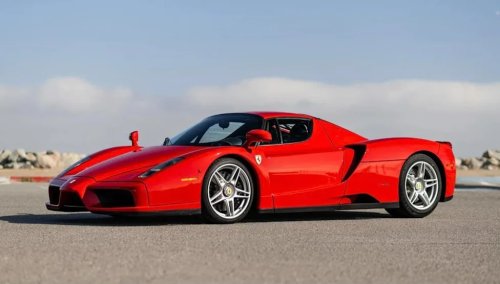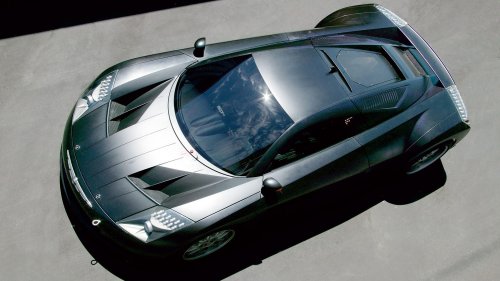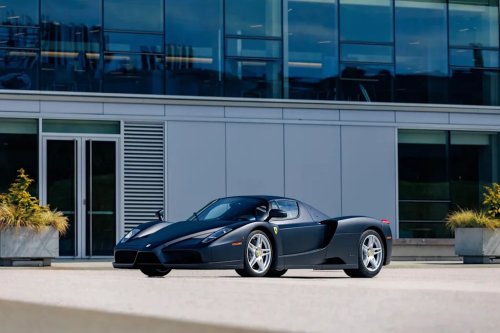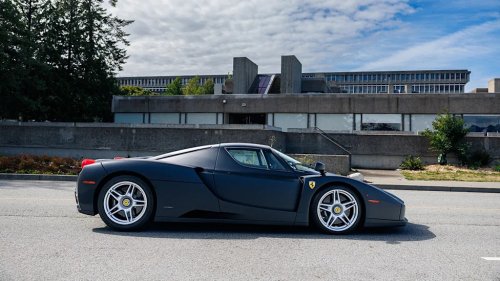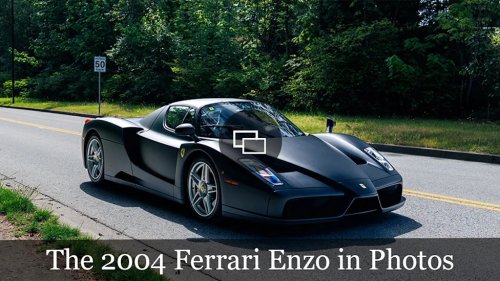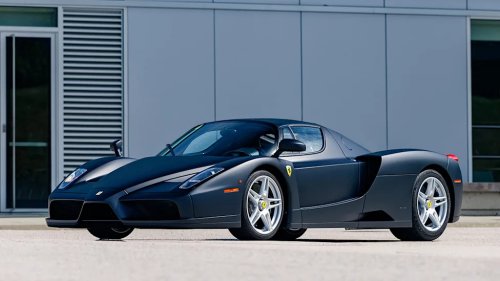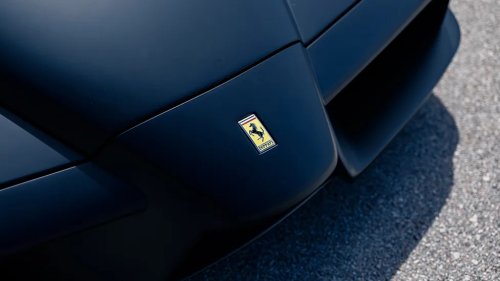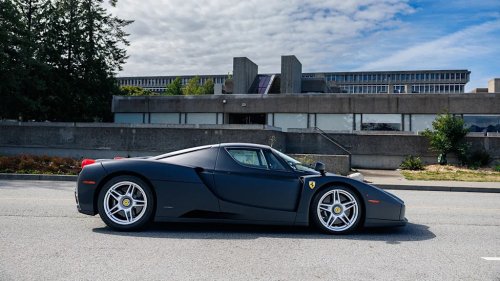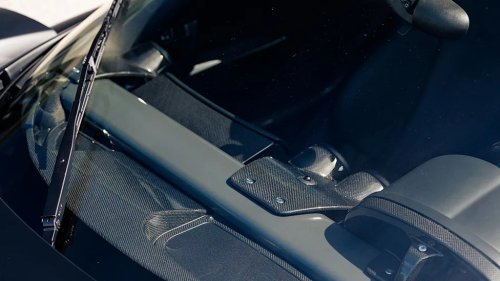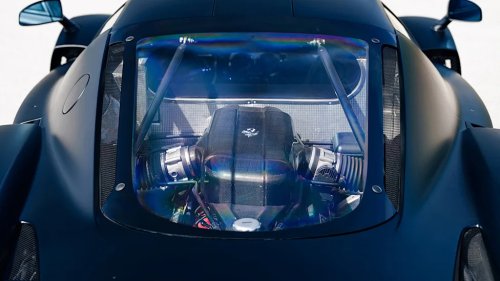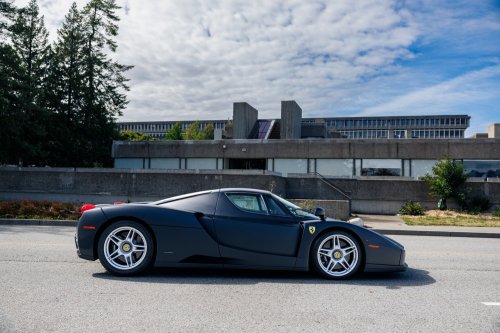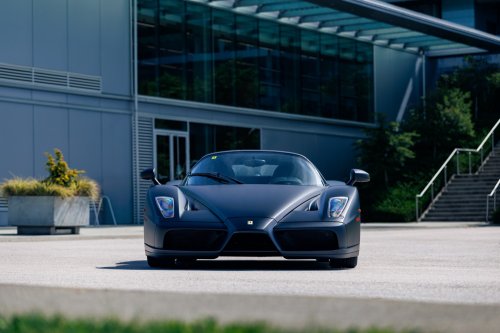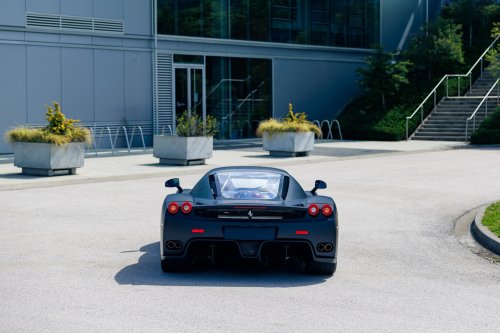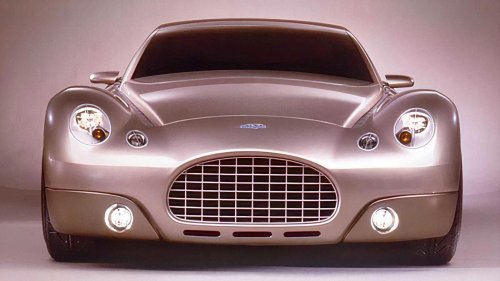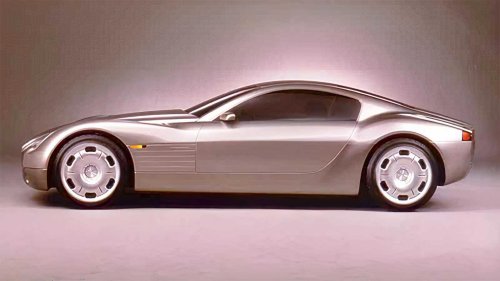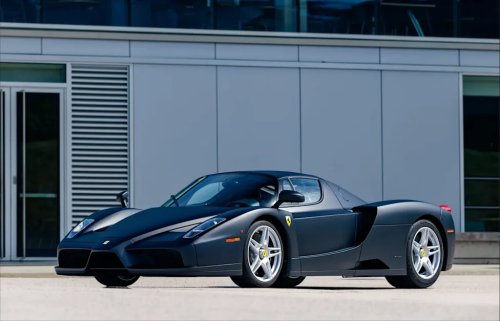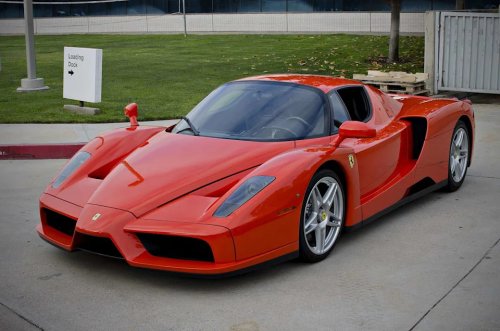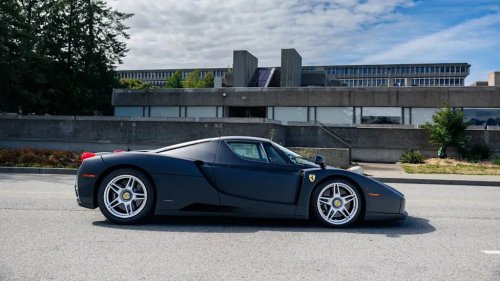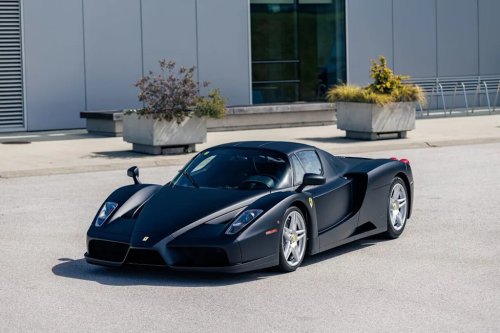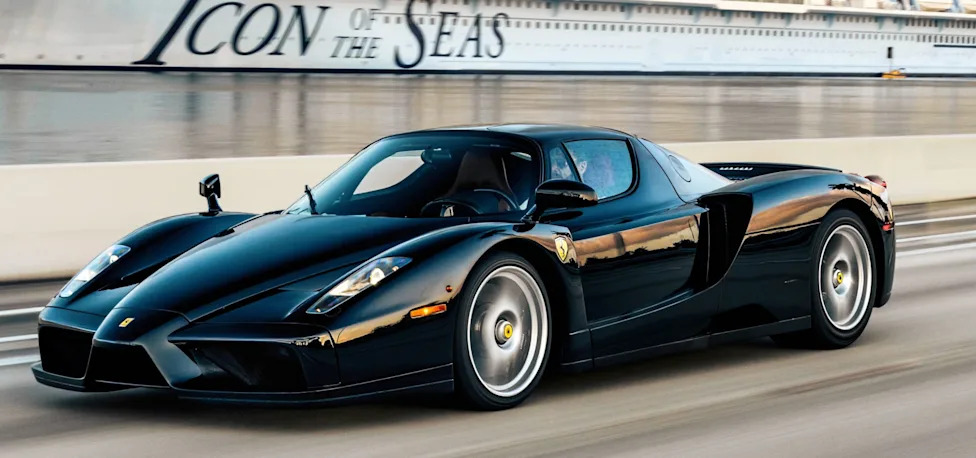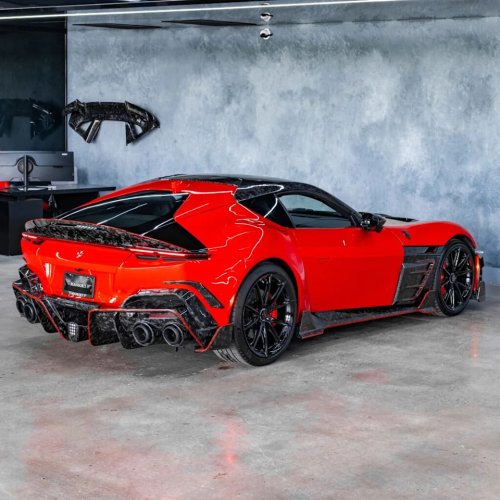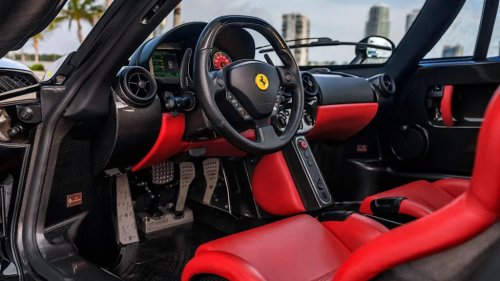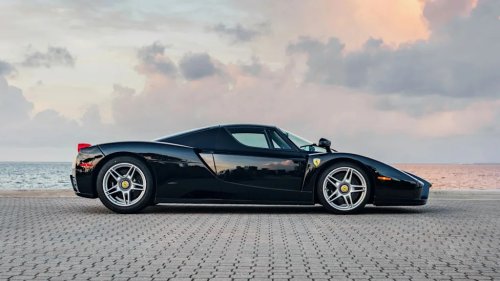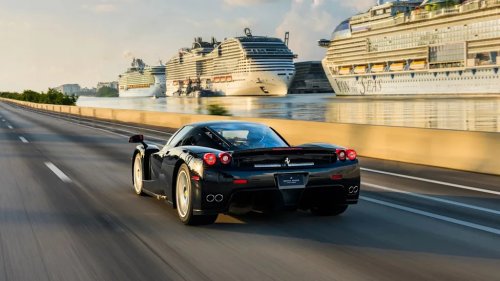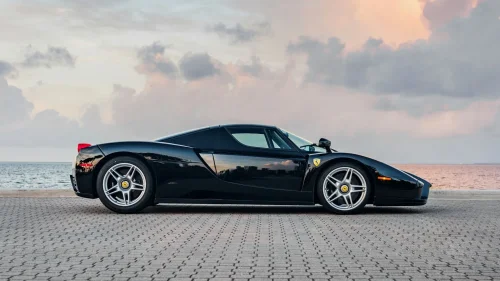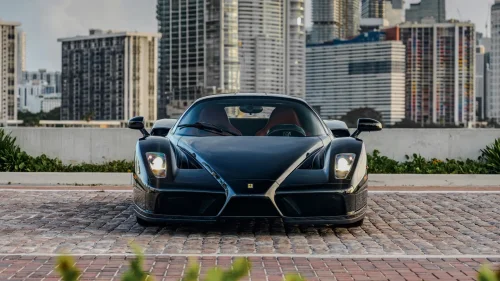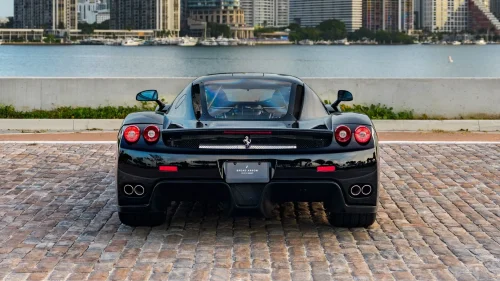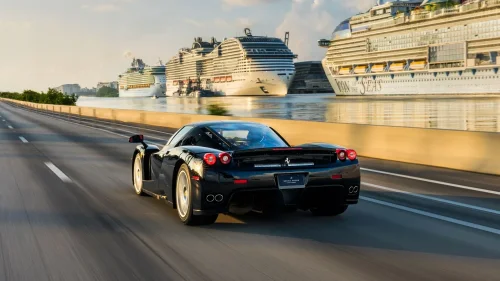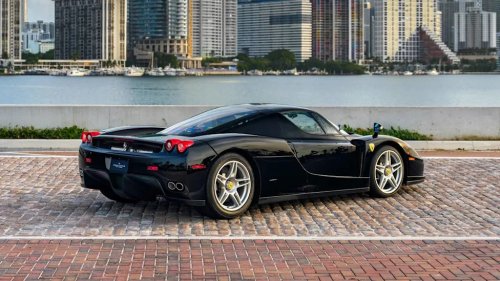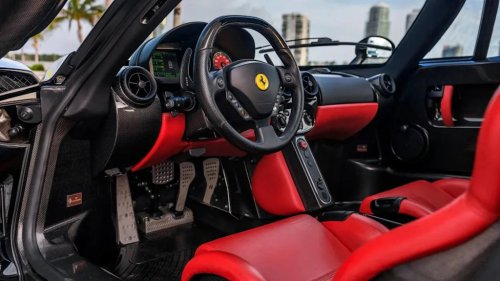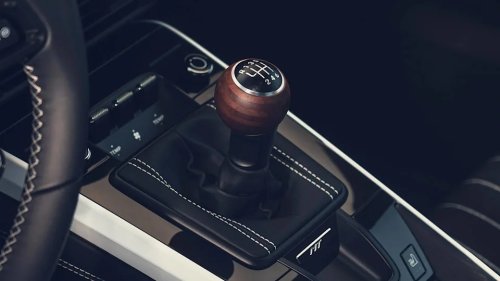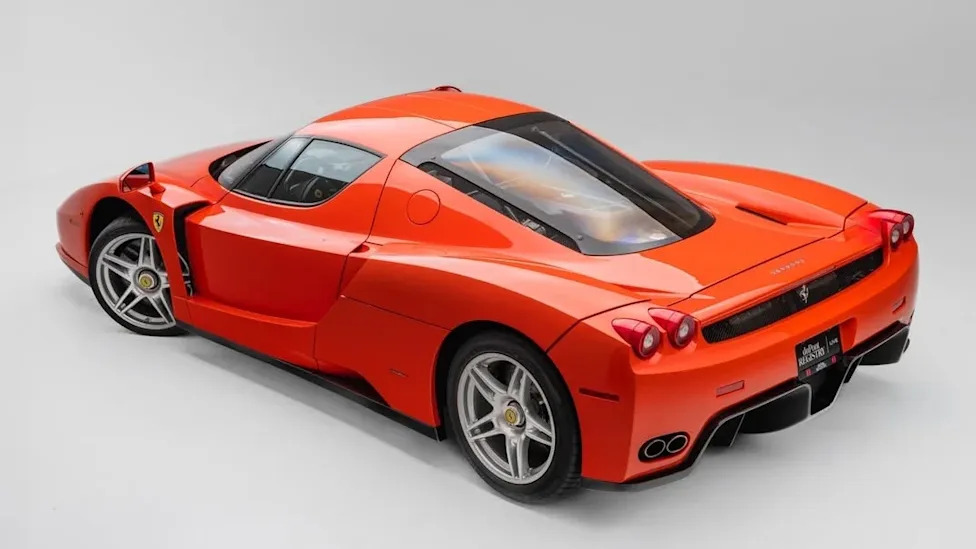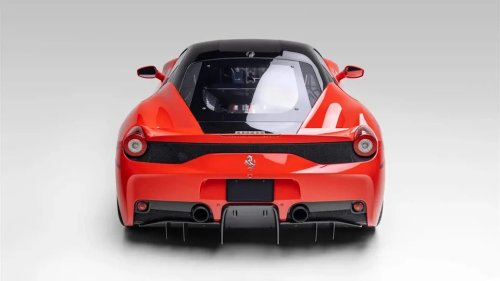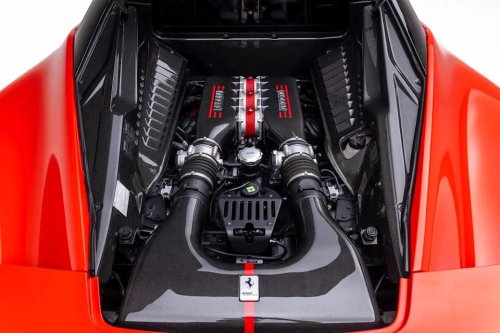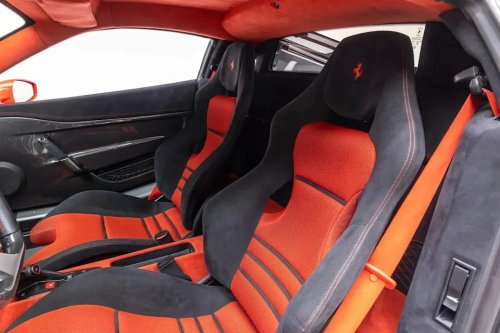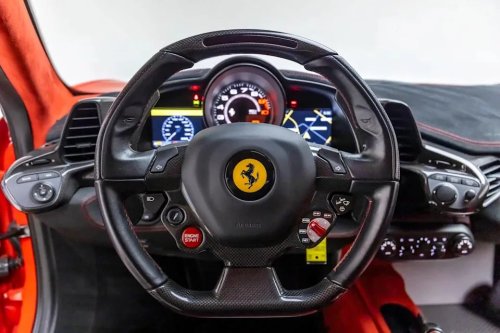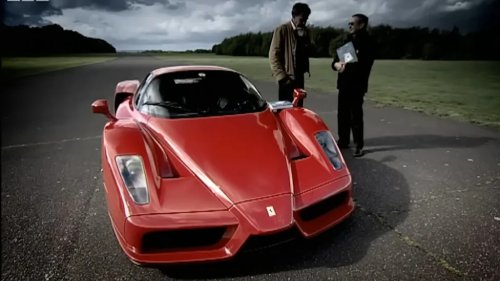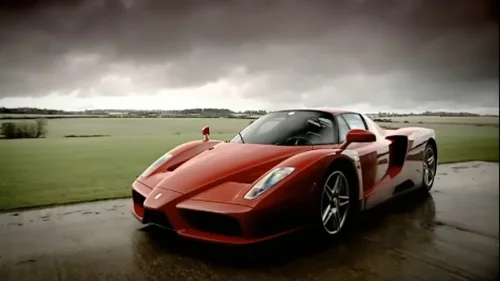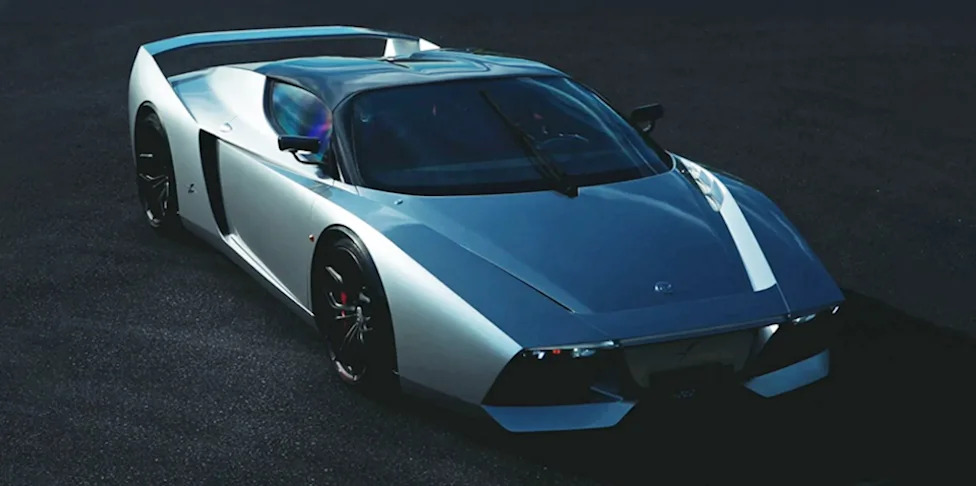
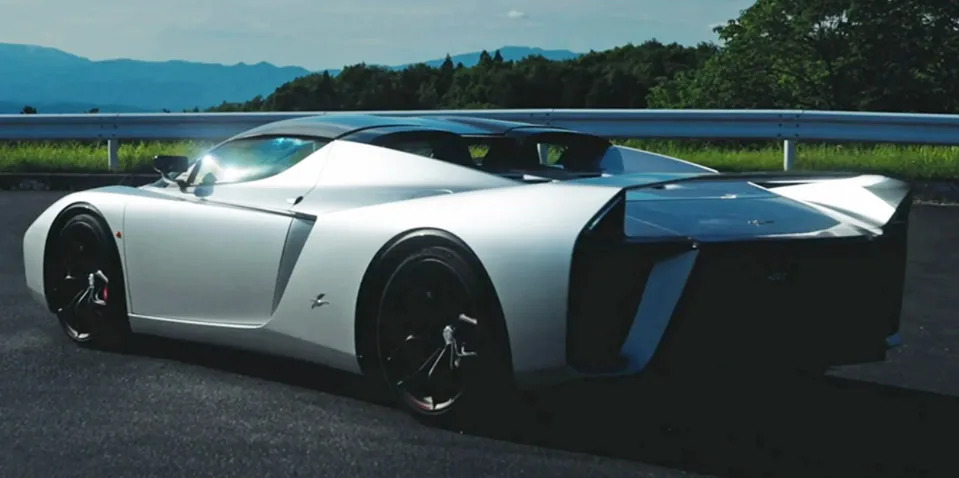
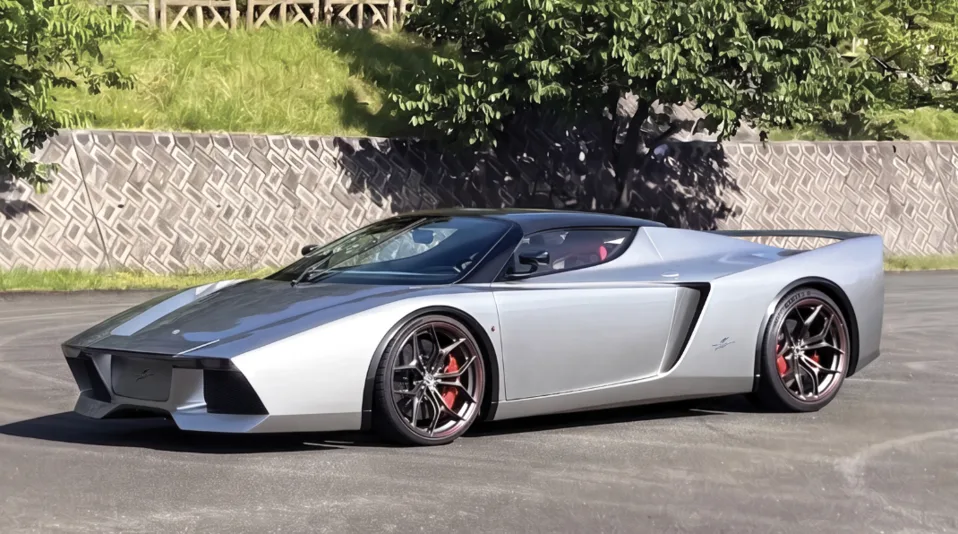



















The Kode89Photo by Ken OkuyamaWell-known for his penmanship of the Ferrari Enzo over 25 years ago, Japanese designer Ken Okuyama chose the glamorous surroundings of Monterey Car Week to unveil his latest—and perhaps most ambitious—creation, the Kode89.Presented on the Concept Lawn at the Pebble Beach Concours d'Elegance on August 16, the Kode89 is a low-slung, mid-engined supercar powered by a naturally aspirated V12 and controlled through a six-speed manual gearbox. Before its formal unveiling, it made a surprise appearance on the Pebble Beach Tour d'Elegance, driving along California's celebrated 17-Mile Drive.The Kode89 was penned by Ferrari Enzo's stylist Ken OkuyamaIndustrial designer Okuyama is best known internationally as the former Pininfarina design director whose credits include the Ferrari Enzo and Maserati Quattroporte. Since establishing his independent studio, he has produced a succession of dramatically styled, extremely limited-production cars at his factory in Yamagata, Japan, in addition to Shinkansen (bullet train) carriages, tractors, furniture and spectacles.AdvertisementAdvertisementThe number in Kode89 pays tribute to 1989, which Okuyama regards as a golden year for automotive design. More specifically, the new supercar is conceptually based on—or perhaps inspired by—the Pininfarina Mythos, the spectacular Ferrari Testarossa-based concept unveiled at the 1989 Tokyo Motor Show.However, the Kode89 does not use a Testarossa platform. Its underlying architecture is an entirely new, proprietary aluminum spaceframe developed by Ken Okuyama Cars. It is best interpreted as Okuyama's modern answer to the question of what the Mythos might have become had it evolved into a road-going supercar.Kode89At 181.5 inches long, 78.6 inches wide and just 44.8 inches tall, the Kode89 possesses the extravagantly low proportions of an old-fashioned bedroom-wall poster car. Yet its bodywork is relatively restrained, avoiding the huge wings, complex vents and aggressive appendages found on many contemporary hypercars.Its powertrain is equally defiant of current trends. Okuyama tells us that the standard specification employs a longitudinally mounted, mid-engined 5.4-liter naturally aspirated V12 producing 540 hp and 420 lb-ft of torque but the designer also says that owners can opt for any V12 on sale including a hydrogen-gasoline bi-fuel system setup.Kode89For customers seeking more performance, Okuyama will offer a specially prepared 5.9-liter V12 producing approximately 40% more power, suggesting an output of around 750 hp. Both engines drive through a six-speed manual transmission.AdvertisementAdvertisementMaterials play an important role in the Kode89's character. Instead of following the hypercar convention of using a carbon-fiber monocoque, Okuyama selected an aluminum spaceframe. He argues that aluminum provides the more compliant, communicative road feel he wanted while also being easier to recycle than a carbon structure.While the aluminum skeleton is dressed in an extremely lightweight, full carbon-fiber outer skin, the car also employs 3D-printed components and five-axis machining, combining traditional Japanese craftsmanship with modern manufacturing technology. Target weight is reportedly in the 2,900-pound range.According to Okuyama, only eight examples will be produced, with the first two already sold. In an age of electrification, hybrid assistance and touchscreen overload, the Kode89 takes an appealingly rebellious path: lightweight construction, a naturally aspirated V12, three pedals and an unmistakably human connection between car and driver.This article was originally published on Forbes.com