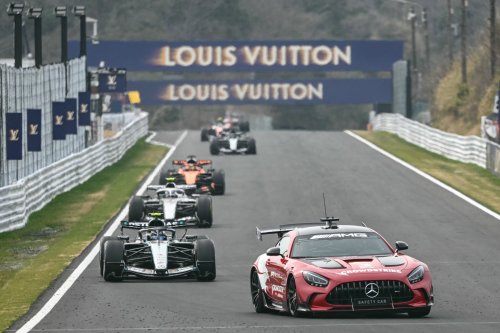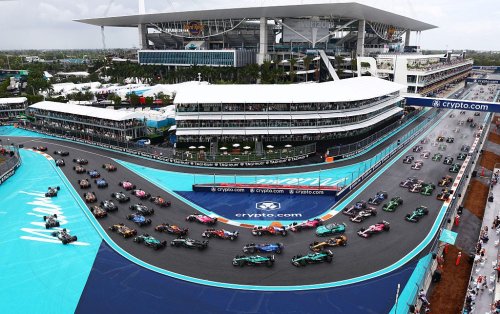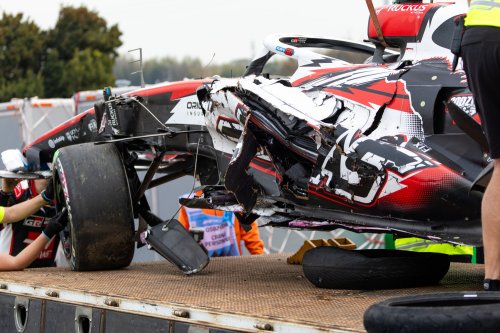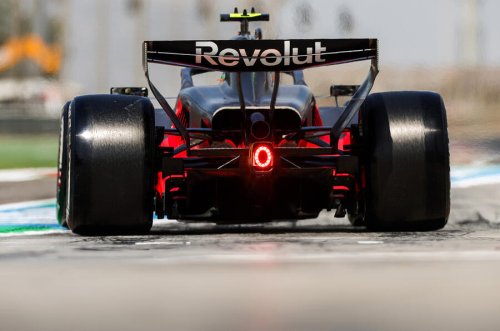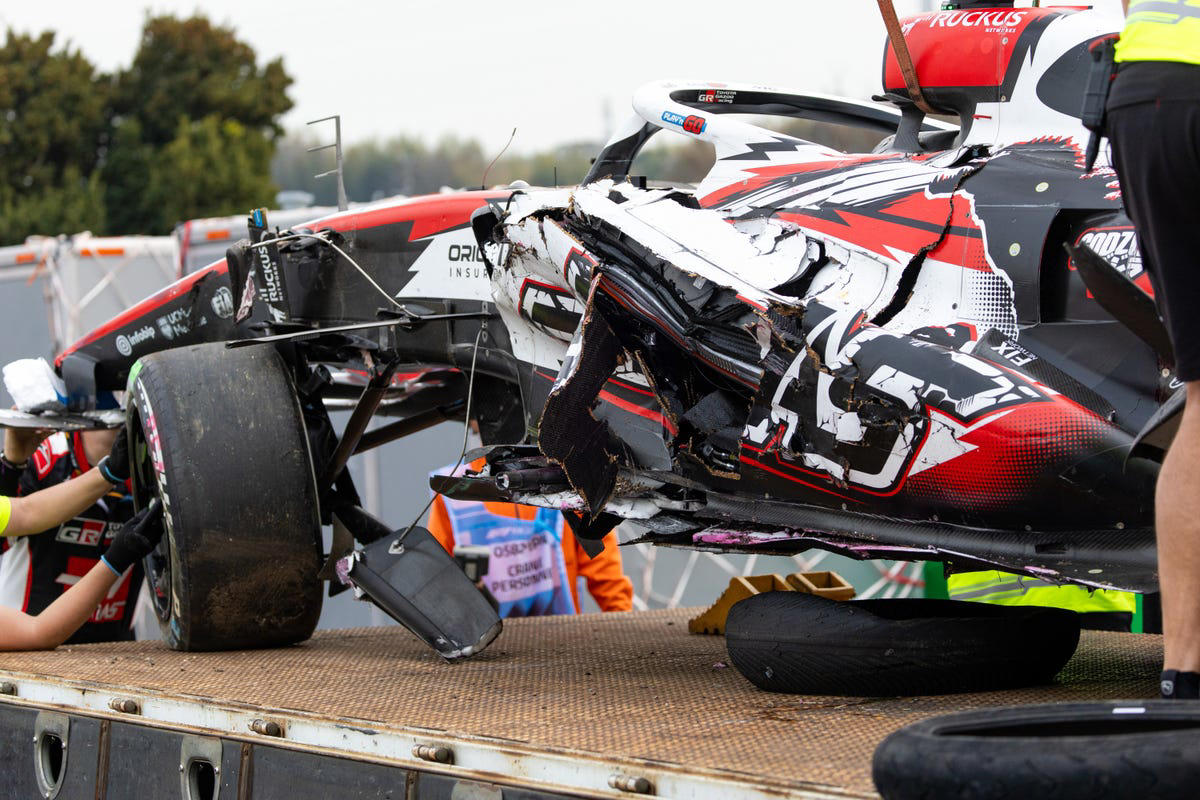
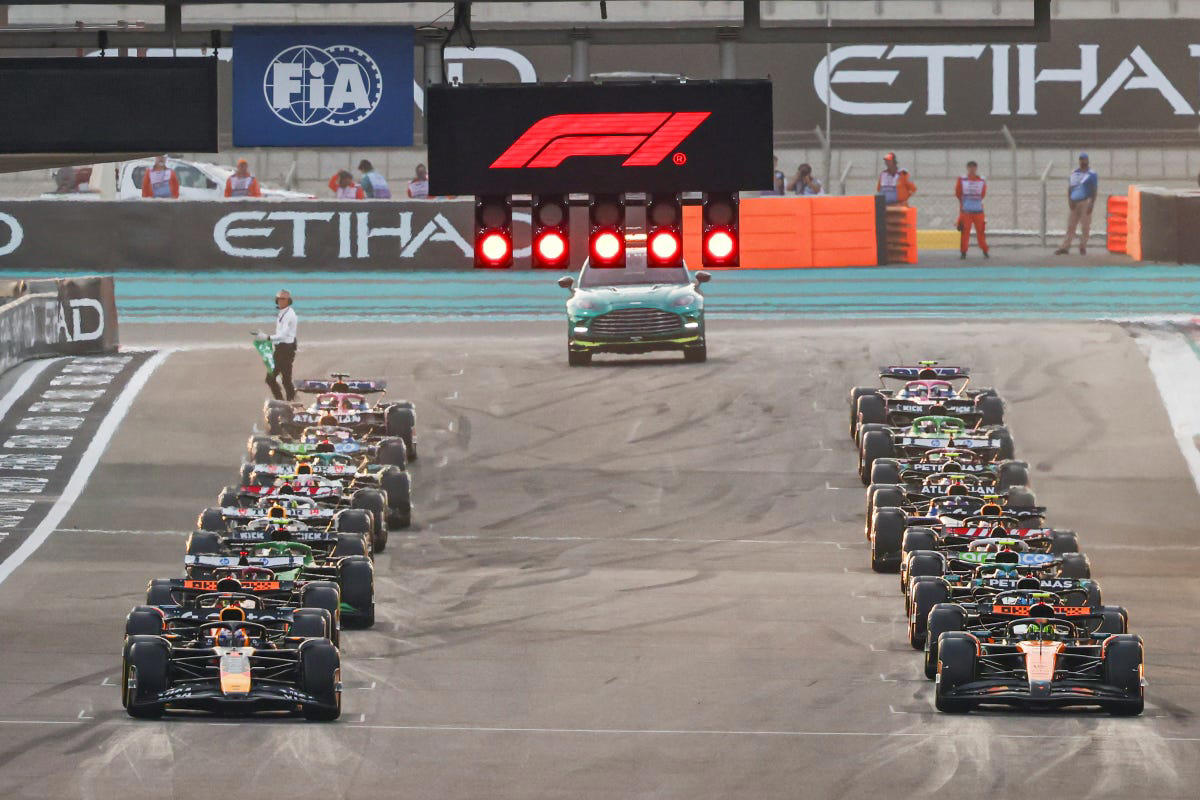



















Formula 1 will make minor revisions to its regulations ahead of next weekend’s Miami Grand Prix, in a bid to enhance the spectacle of the new ruleset.Formula 1 introduced overhauled chassis and engine regulations in 2026, but some of the elements have proved controversial, owing to increased battery management, excessive harvesting, and the prominence of ‘super clipping.’Drivers have been unhappy at not being able to push flat out even in qualifying, on account of it being more efficient to lift through some high-speed corners to preserve energy for straight-line sections. There have also been concerns over speed differentials, due to different drivers using the available energy at different moments, a situation that was heightened after the collision between Oliver Bearman and Franco Colapinto in Japan. The enforced hiatus between grands prix in Japan and Miami, due to the cancelation of grands prix in Bahrain and Saudi Arabia, has given Formula 1’s key stakeholders opportune time to undertake discussions and impose tweaks. Damage to the Haas VF-26 of Oliver Bearman following his crash during the F1 Grand Prix of Japan.There was always a reluctance to make wide-sweeping changes, owing to the embryonic nature of the current formula, but on Monday tweaks were announced following unanimous agreement between key stakeholders.There will be a reduction in the maximum permitted recharge from 8MJ to 7MJ per lap, aimed at reducing excessive harvesting, and to encourage more consistent flat-out driving. The peak superclip power will be increased to 350 kW, from 250kW, reducing further the recharge time and reducing the driver’s workload on energy management—a move which will also apply for race conditions. Changes to race regulations have been primarily aimed at safety and consistency, with the maximum power available through the Boost button in race conditions now capped at +150kW. MGU-K deployment will be maintained at 350kW in key acceleration zones but will be limited to 250kW in other parts of the lap. These changes will be implemented from the next round in Miami, where there will also be an evaluation of safety trials made for race starts, in the wake of slow-moving cars off the line across the opening rounds.An automatic MGU-K deployment will be triggered to ensure a minimum level of acceleration and mitigate start-related risks.A new “low power start detection” system has been developed, capable of identifying cars with abnormally low acceleration shortly after clutch release. In such cases, an automatic MGU-K deployment will be triggered to ensure a minimum level of acceleration and mitigate start-related risks without introducing any sporting advantage. This will be accompanied by a visual warning system with flashing lights activated on the affected cars to alert any drivers behind. There have also been revisions to the wet weather regulations, including an increase in tire blanket temperatures, a reduction in maximum ERS deployment, and simplified rear light systems.