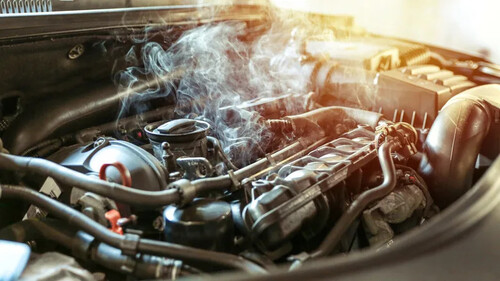
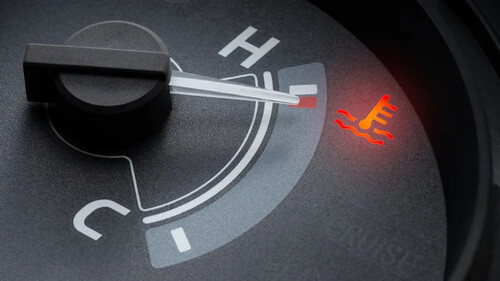
Experts warn this summer driving habit overheats enginesSummer traffic, high temperatures and long holiday drives combine into a stress test for modern engines, and technicians say one common warm‑weather habit is quietly pushing many vehicles past their limits. Letting a car idle with the air conditioning blasting, whether in a drive‑through line or while waiting curbside, can turn a routine stop into the starting point of an overheating failure. As heat waves stretch longer across more regions, specialists warn that drivers who treat idling as harmless convenience are gambling with expensive engines and limited roadside assistance capacity. Why summer idling with max A/C is so hard on engines Mechanics describe a clear pattern each year: as temperatures climb, overheated engines arrive on tow trucks after long spells of stationary waiting with the cabin cooled to refrigerator levels. At a standstill, the engine still produces the same combustion heat, yet it loses the natural airflow that sweeps through the radiator once the vehicle is moving. Technical guidance on environmental factors contributing to overheating notes that hot weather raises coolant temperatures and reduces cooling efficiency, especially when combined with thinner air at high altitudes. In that environment, every minute of stop‑and‑go driving or extended idling forces the cooling system to work harder just to maintain a safe baseline. The popular habit of cranking the air conditioning to its coldest setting while stationary makes that struggle even more intense. Because the A/C compressor is driven by the engine, maximum cooling demand adds mechanical load and additional heat right when the radiator is receiving the least outside airflow. When a car sits in a queue with the fan on high, the engine must power both the compressor and the alternator while circulating coolant through a system already stressed by ambient heat. Technicians who study overheating under load describe how this combination of high under‑hood temperature, limited airflow and sustained accessory demand can quickly push marginal systems beyond their design margin, particularly in older vehicles or those with partially clogged radiators. Hidden weak spots that turn a bad habit into a breakdown On a healthy cooling system, a short wait with the air conditioning engaged might not cause immediate trouble, but many vehicles on the road already carry silent vulnerabilities. Service advisors who compile lists of common causes of overheating highlight low or old coolant, radiator leaks or clogs, a malfunctioning water pump, and a broken radiator fan belt as frequent underlying issues. Any one of these weak points narrows the safety margin, so when a driver lets the car idle for ten or fifteen minutes in heavy heat, the temperature gauge can climb rapidly from normal to dangerous. A partially blocked radiator, for example, may cope on the highway, yet in a drive‑through lane it cannot move enough heat out of the coolant before it recirculates through the engine. Electrical and electronic components can turn the situation from manageable to urgent. Diagnostic guides that focus on traffic conditions identify malfunctioning cooling fans as a critical failure point when a car overheats while idling but cools down once it begins moving again. If the electric fan that should pull air through the radiator at low speeds is not switching on, the engine is essentially left to stew in its own heat whenever it is stationary. In that scenario, the driver who leaves the engine running with the cabin chilled while waiting for a friend or a food order is unknowingly recreating the exact conditions that expose the fault, often discovering it only when steam begins to rise from under the hood. How experts say drivers should change their summer routines Technicians and driving instructors are increasingly blunt about the need to rethink how people use their vehicles during heat waves. Rather than leaving the engine running indefinitely, they urge drivers to shorten idle times, seek shade and use ventilation more strategically. One training resource offering cool tips to keep an engine calm when temperatures climb advises planning routes to avoid prolonged congestion and using sunshades or slightly open windows to reduce cabin heat without relying entirely on the air conditioning. A separate guide aimed at summer breakdown prevention stresses that car maintenance for overheating prevention starts with simple checks, such as verifying coolant levels, inspecting hoses and belts, and confirming that electric fans cycle on when the engine warms up. Emergency procedures are just as important as prevention. When the temperature needle begins to rise or a warning light appears, specialists behind a widely shared set of summer instructions titled ‘Overheating Emergency: Don’t Panic, Follow These Simple Tips’ recommend that drivers pull over safely to a secure location rather than attempt to limp home. Once stopped, they advise switching off the air conditioning, turning on the heater to draw heat away from the engine, and waiting for the system to cool before opening the hood or touching the radiator cap. A video presented by APR host Zach of 8020 Automotive reinforces the same message, explaining that patience at the roadside is far less costly than repairing a warped cylinder head. Across these instructions, the pattern is clear: the safest response to rising temperatures is to reduce load, allow airflow and give the cooling system time to recover. Simple maintenance steps that keep engines out of the red Experts emphasize that the most reliable way to avoid an overheating incident is to make the engine less vulnerable before summer driving begins. Detailed maintenance checklists under the banner of car maintenance for overheating prevention urge owners to check engine oil, since dirty or low oil makes the engine work harder, and to top up power steering and transmission fluids so accessory systems do not add unnecessary strain. Specialists also recommend periodic coolant flushes according to manufacturer schedules and the use of the correct antifreeze mixture, a practice supported by technical explainers on modern engine coolant chemistry that detail how inhibitors prevent internal corrosion and maintain boiling points. In very hot regions such as Alberta, where one analysis framed its advice under the phrase ‘Understanding Summer’s Impact on Your Engine,’ local repair shops warn that during prolonged heat waves, even small lapses in maintenance can result in highway breakdowns. More from Fast Lane Only Unboxing the WWII Jeep in a Crate 15 rare Chevys collectors are quietly buying 10 underrated V8s still worth hunting down Police notice this before you even roll window down