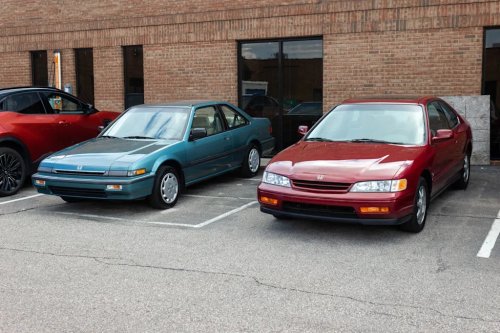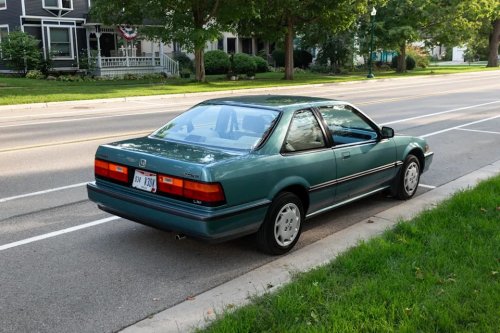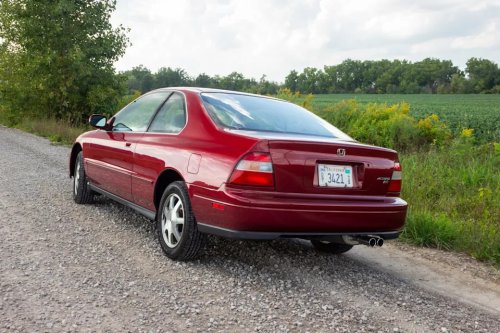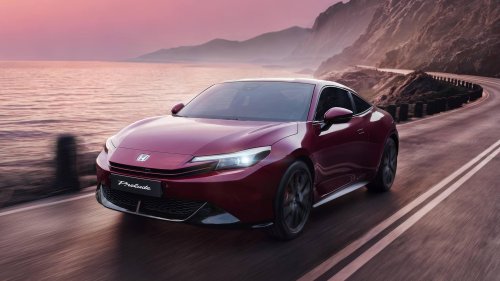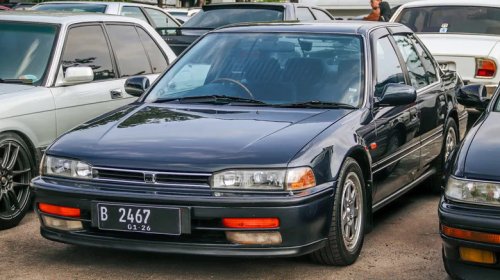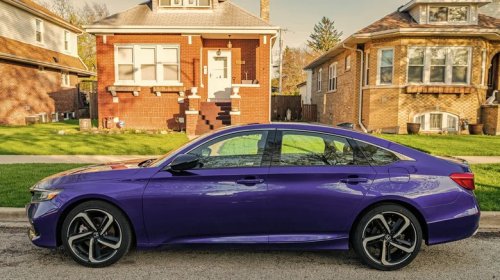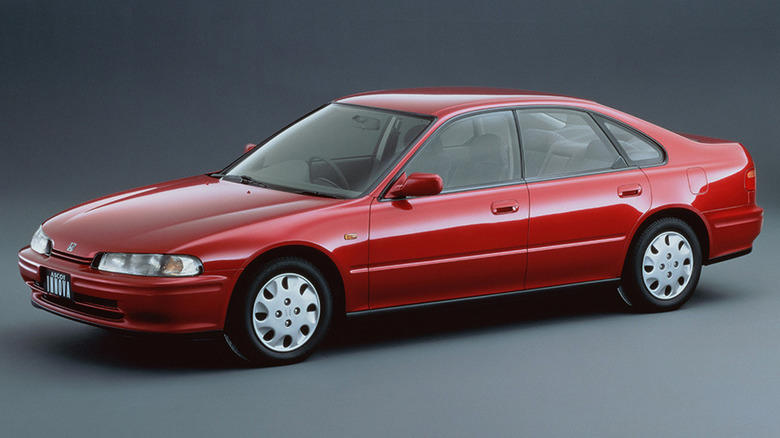
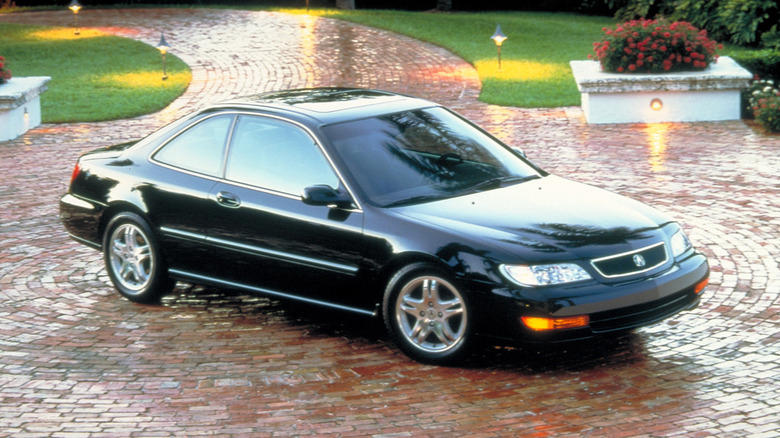
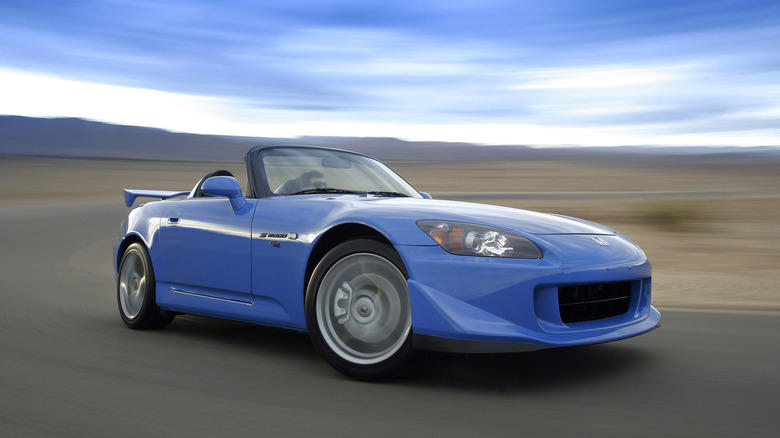



















When is an Accord not an Accord?Another lesser-known car to feature an F-Series engine was the Honda Ascot Innova. It was heavily based on the British market Accord, which was a separate car from the Japanese market model of the same name. It was marketed as an upscale option in Honda's sprawling JDM range at the time, which also included the related Ascot and mid-range JDM Accord. The car featured a choice of several 2.0-liter F20A engines at its launch in 1992, with both SOHC and DOHC variants available. In DOHC form, the engine produced just shy of 150 horsepower. A larger 2.3-liter H-Series engine was also offered in top-spec examples of the car.The Ascot Innova offered a sportier take on the traditional sedan shape, with a more sloped, aerodynamic appearance similar to that of the Prelude. Its production lifespan was relatively short, only lasting until 1996, by which time sedans as a segment were beginning to lose their appeal in Japan. As such, it was never directly replaced, but its combination of a premium interior and attractive styling has ensured the Ascot Innova retains a small but enthusiastic fanbase in Japan today.An all-new version was developed for the Acura CLHonda overhauled its F-Series design for the 1998 Acura CL, which featured a 2.3-liter four-cylinder, internally referred to as the F23A1. The engine, which Honda noted was "completely re-engineered," was a SOHC design with fuel injection and VTEC. It was designed to run quieter and smoother than other engines in the F-Series family, with the goal of competing against rivals like the BMW 3 Series and Lexus SC300. It sported a competitive 150 horsepower and produced 154 lb-ft of torque at 4,800 rpm.Honda put a lot of effort into differentiating the CL from previous Acura products, emphasizing at the time of its launch that it was the first Acura-branded car to be made in the United States. While hardly a runaway success, the first generation CL sold well enough to warrant a follow-up generation, which was unveiled for the 2000 model year.The F20C's bigger successorDespite it now being regarded as one of Honda's best engines, not everyone was quite so impressed by the F20C at the time of its launch. Some drivers complained there wasn't enough low-end torque, and so to fix this, Honda unveiled the AP2 S2000 for the U.S. market with a larger 2.2-liter engine. Internally given the engine code F22C1, the revised engine made 162 lb-ft of torque at 6,800 rpm, but featured one key compromise as a result.Rather than the sky-high 9,000 rpm redline of the F20C, the F22C1 featured a slightly lowered 8,000 rpm redline. That was still higher than nearly every other sports car on the market, and hardly much of a compromise for buyers. Alongside the larger, torquier engine, the AP2 S2000 also benefited from a suspension overhaul to make it easier to drive than the notoriously snappy original car.