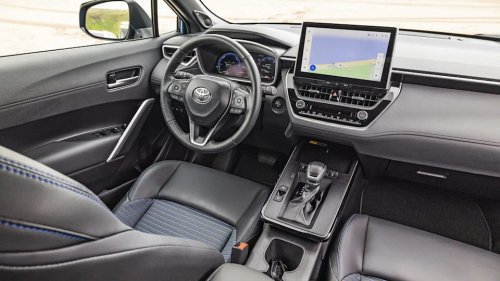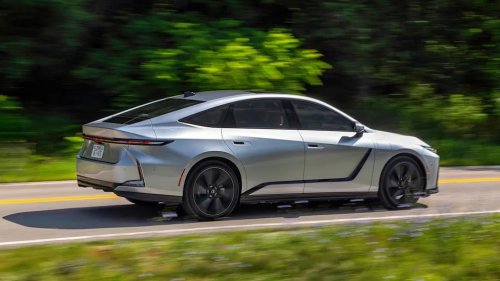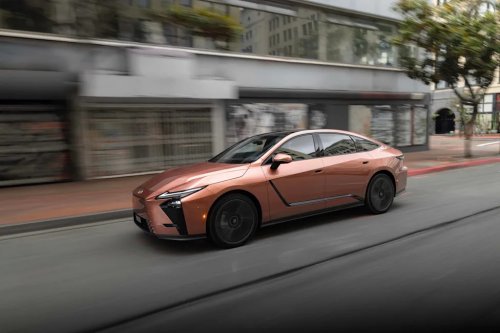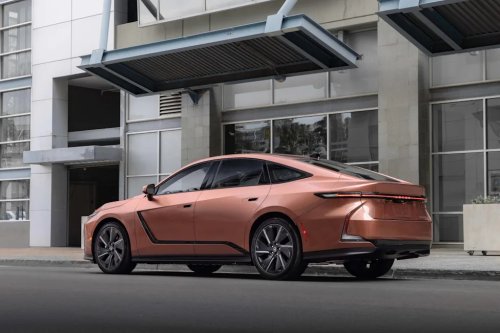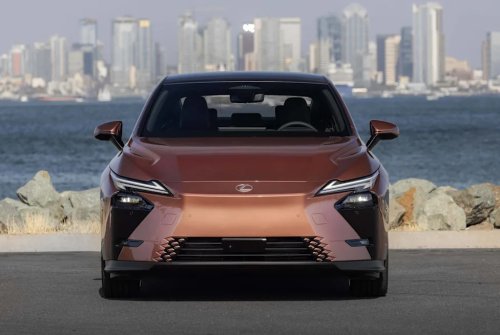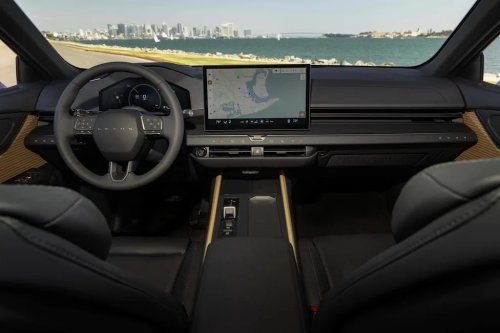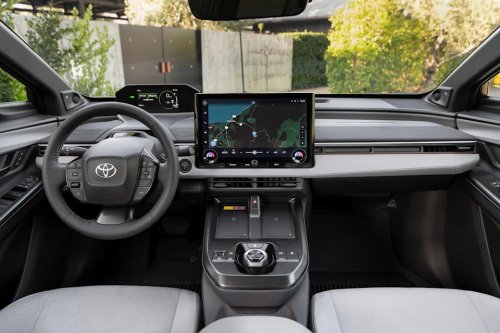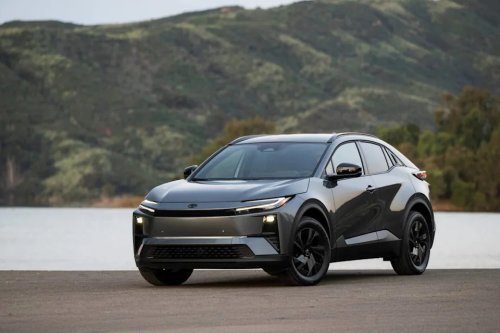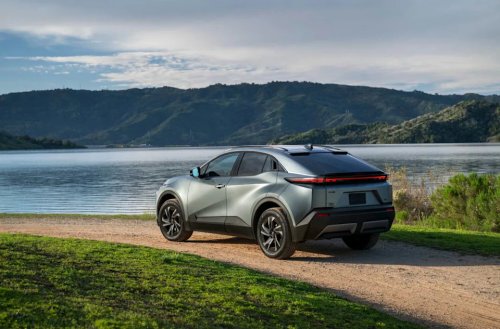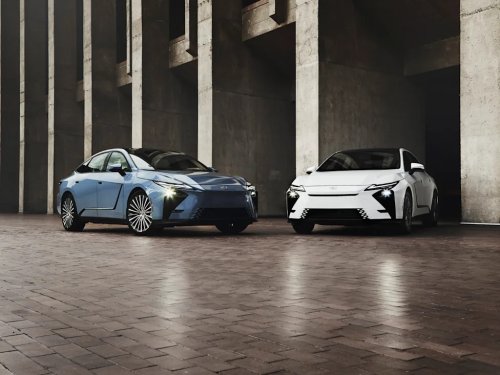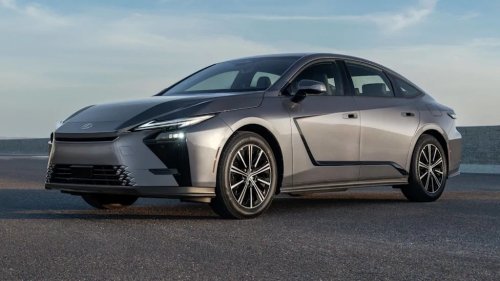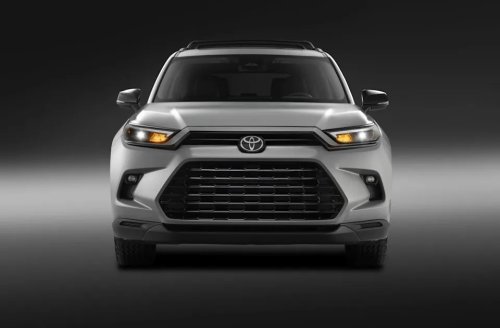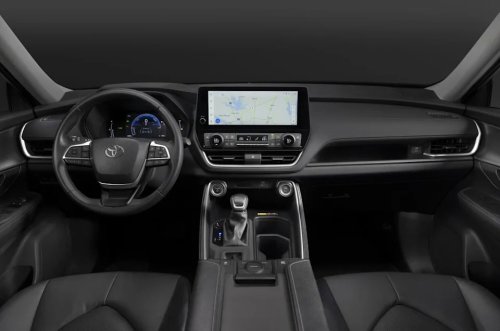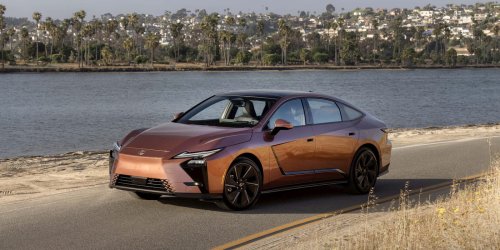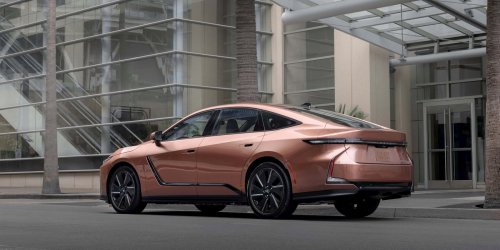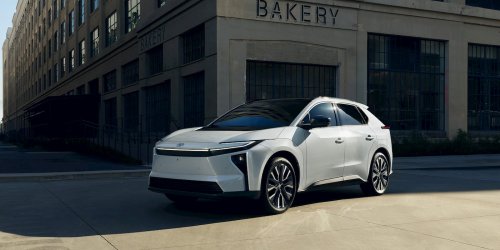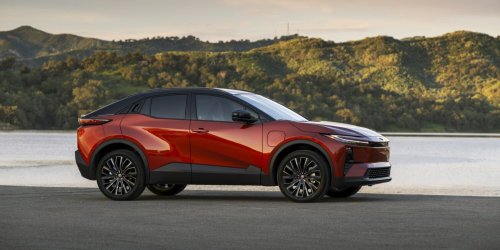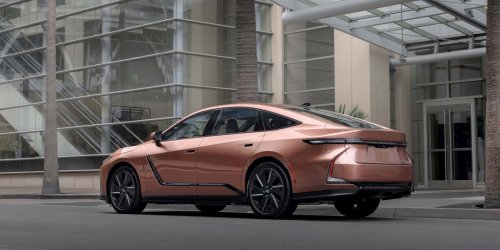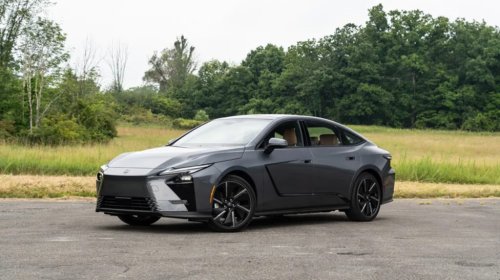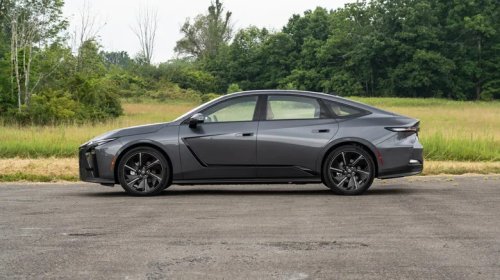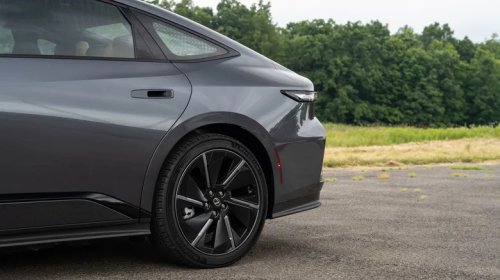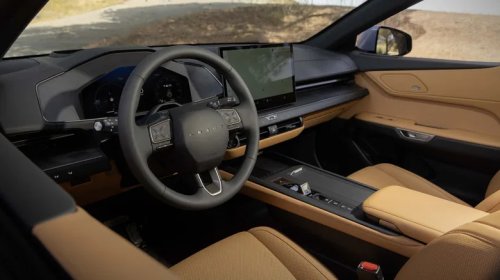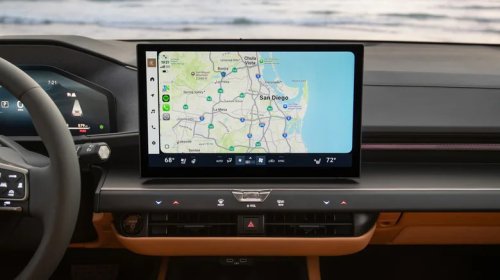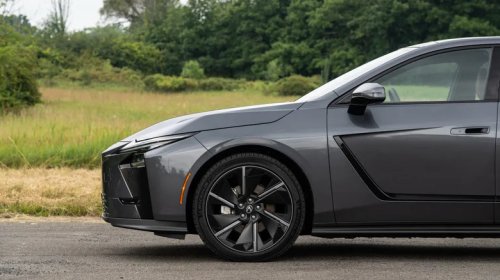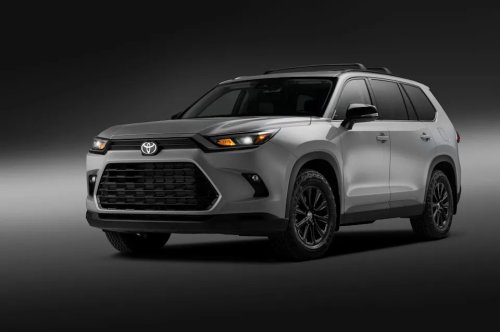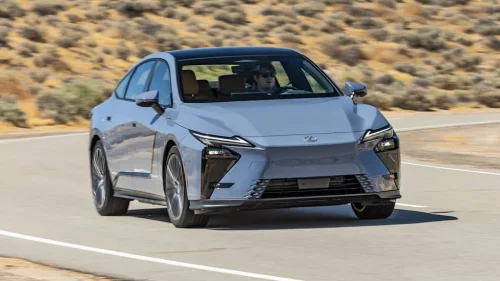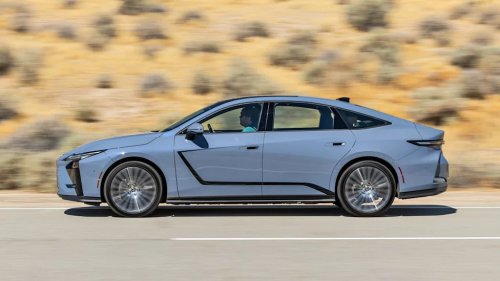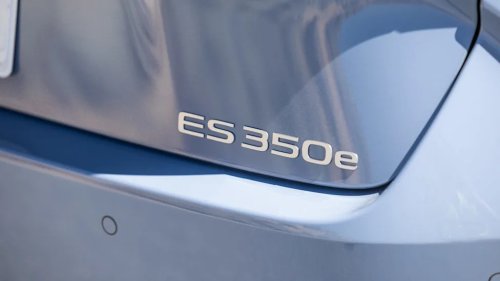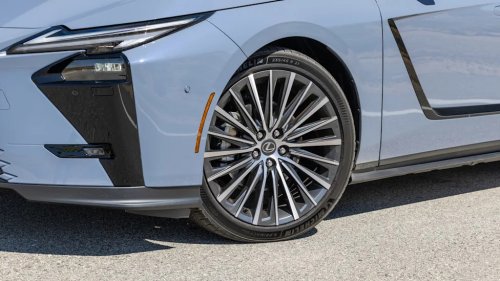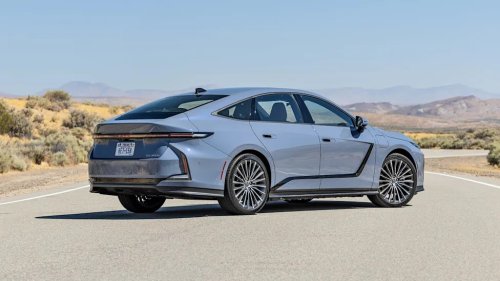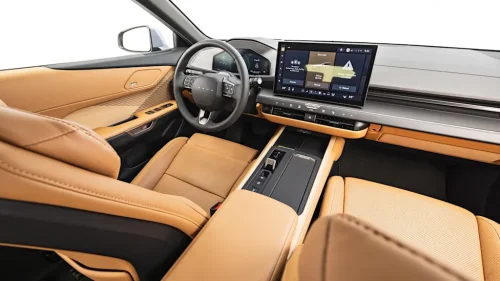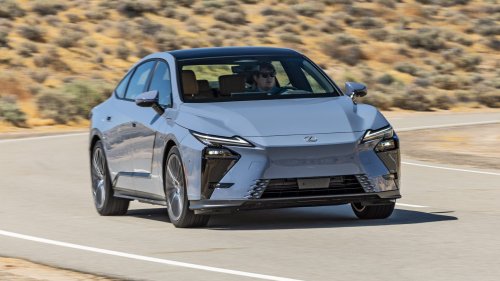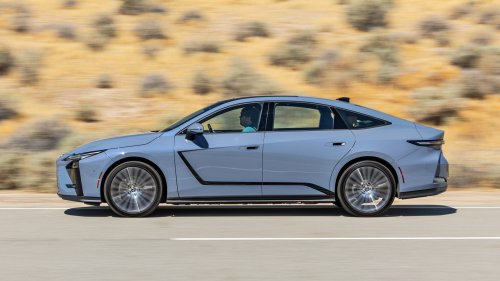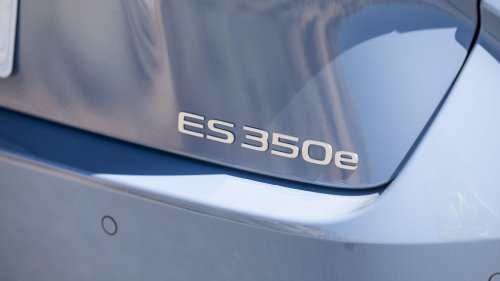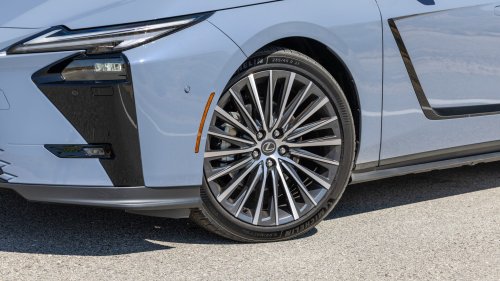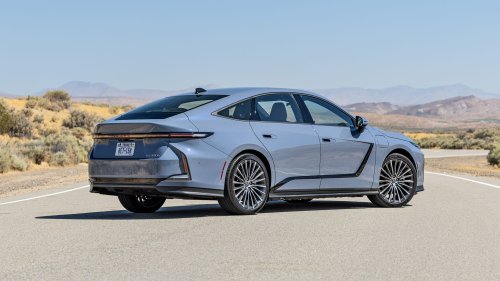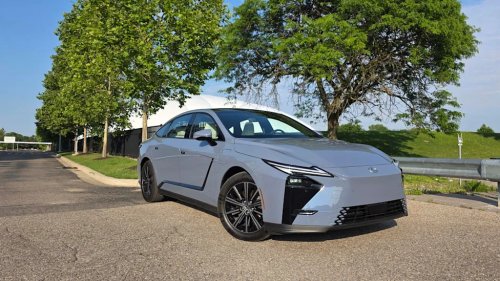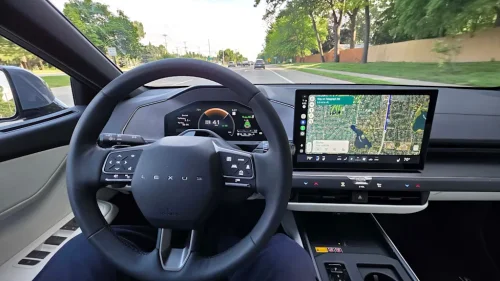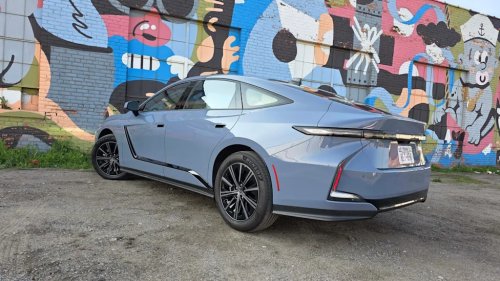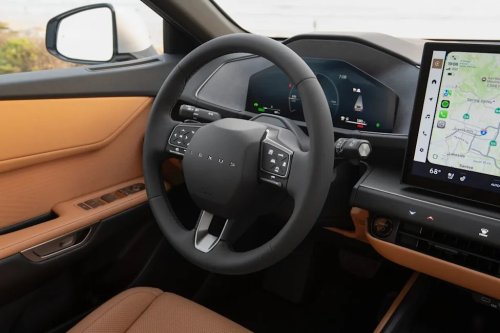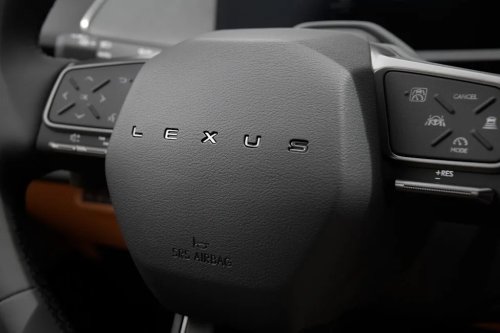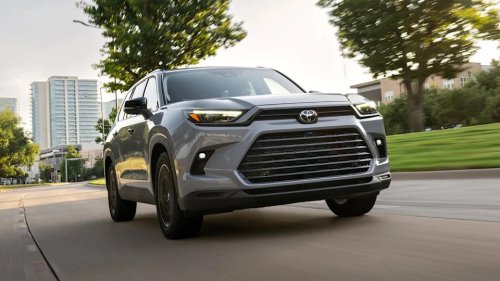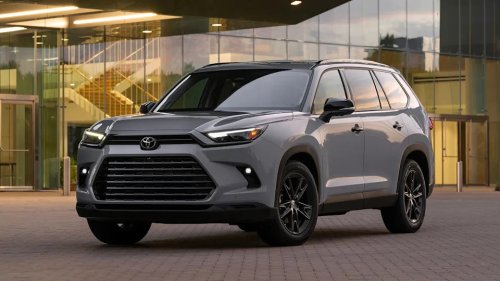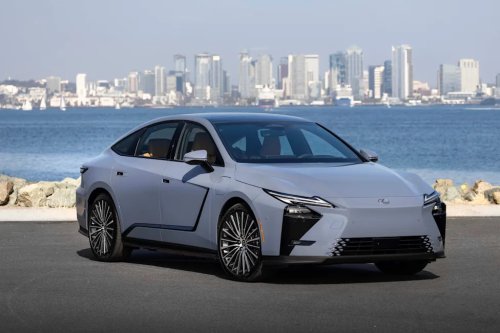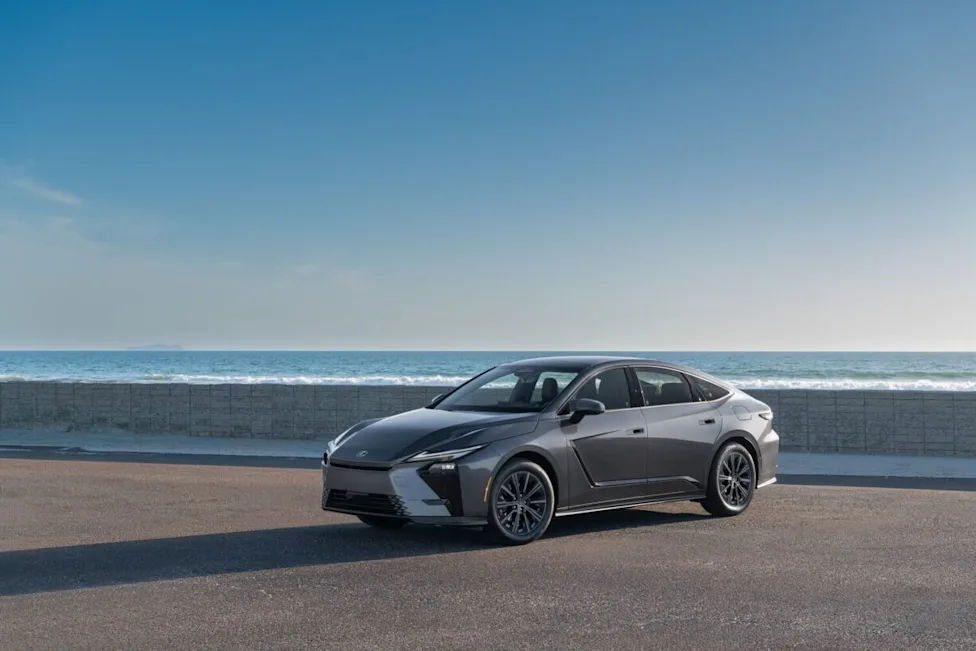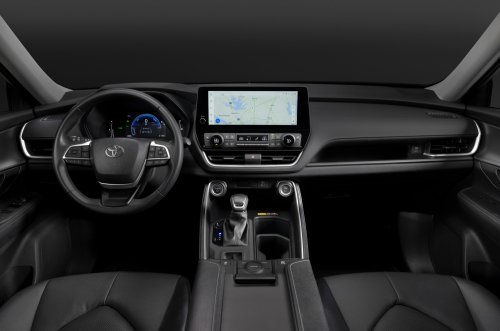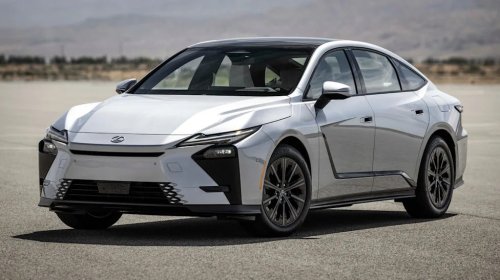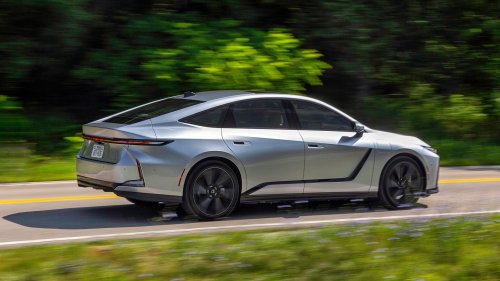

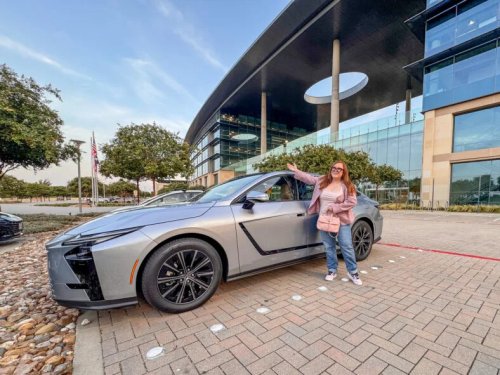

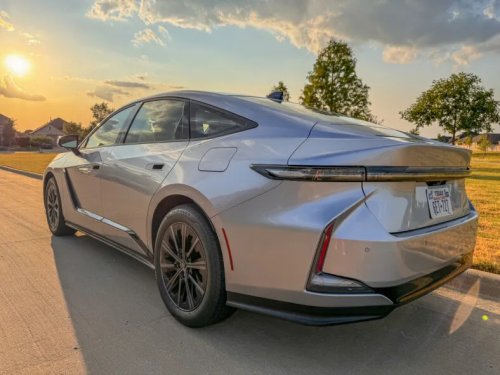



















Electrification 101: How Toyota and a 2027 Lexus ES 350h Demystified EV PowertrainsA Girls Guide to CarsNatalie MerolaFri, September 11, 2026 at 10:00 AM UTCAdd us on GoogleKristen BrownToyota walked us through the technical details of its multi-pathway future, then proved its point from the driver's seat of the 2027 Lexus ES 350h.EV's aren't easy. I've reviewed just about everything—hybrids, plug-in hybrids, and EVs—but understanding how they work has become a lot more challenging as companies refine, change, add, or remove their electrification options. Every time I feel like I get used to something, it changes again. Sometimes for the better, sometimes not.Therefore, I've developed my own questions and walked into my own concerns about different powertrains—particularly with EVs and PHEVs. To demystify things, Toyota invited me and a few other journalists to their headquarters in Plano, Texas for a deep dive. I loved getting to peek behind the curtain with Toyota's 'Electrification 101' course, originally crafted for Toyota employees, so we can accurately describe each one of their systems, how they work, and which one is best for you.AdvertisementAdvertisementTrue life: I went back to school for the day and gained hands-on experience tapping into part of Toyota's ethos, rooted in Genchi Genbutsu, or "go and see for yourself," with the 2027 Lexus ES 350h. It's been overhauled and redesigned for the 2027 model year, offering a standard hybrid powertrain, PHEV, and now, a full EV—making it a perfect anecdote for my electrification class session with Toyota. Here's what I learned, and how the Lexus enhanced it.This story is 100% human-researched and written based on actual first-person knowledge, extensive experience and expertise on the subject of cars and trucks.First Assignment: Understanding How Electricity Works In Cars (And in General)Class is in sessionToyota's philosophy is straightforward: you don't need an engineering degree to understand where the automotive world is heading. Real comprehension comes from getting your hands dirty—translating abstract physics with everyday objects. We broke down fundamental electrical concepts with simple hands-on demos: using potato batteries and magnets to see how volts (electrical pressure), amps (current flow), and watts (total power output) dictate everything from motor response to charging speeds.Beyond the tabletop science, the curriculum tackled the big picture. We explored why global emissions targets and consumer demand sparked the industry-wide shift toward electrified mobility, alongside the massive expansion of Level 2 and DC fast-charging networks needed to sustain it.AdvertisementAdvertisementMost importantly, it framed Toyota's "multi-pathway" strategy—the argument that reaching carbon neutrality doesn't rely on a single silver bullet, but rather deploying the right mix of traditional hybrids, plug-in hybrids, and EVs where they make the most sense. We even traced the full battery lifecycle, from ethical raw-material sourcing to closed-loop recycling and second-life grid storage, replacing industry jargon with the practical knowledge everyday drivers actually care about. Needless to say, I walked away feeling like I learned a lot.Toyota Aims to Have Something for Everyone (And They've Been Doing a Great Job)Like the Lexus ES 350h, Toyota offers several hybrids and PHEVs, with more EVs comingIn class, I asked Dan Gardner, Lead Facilitator and Subject Matter Expert for Toyota, the question on every prospective buyer's mind: What is the best electrified car?His answer was refreshingly honest: it depends entirely on the driver, because the goal is putting the right vehicle in the right driveway. That philosophy defines Toyota's multi-pathway strategy—the idea that reaching carbon neutrality means offering hybrids, plug-in hybrids, and EVs side by side. And nothing brought that lesson into focus faster than sliding behind the wheel of the 2027 Lexus ES 350h, which can be bought as a hybrid, PHEV, or an EV. The Prius can be bought as a hybrid or a PHEV, the RAV4 has a PHEV trim, and they're constantly expanding their EV lineup.Toyota uses six core factors to help drivers evaluate their needs: emissions, performance, convenience, cost, simplicity, and efficiency. Out on the road, here's how the ES 350h made a masterclass case for the hybrid pillar:AdvertisementAdvertisementPerformance & Simplicity: Pulling away from a stop, you feel the immediate response of that front electric motor kicking in—serving up nearly 200 lb-ft of torque off the line before the 2.5-liter gas engine smoothly blends in. You get the instant punch and whisper-quiet cabin typical of an EV without the steep learning curve. There are no charging apps to download, no cables to untangle, and no range anxiety. You just get in and drive.Cost & Convenience: While an EV eliminates tailpipe emissions and lets you bypass the gas station completely, it relies heavily on at-home charging and an evolving public charging network. The 2027 Lexus ES 350h sits at the opposite, stress-free end of the spectrum: it delivers an estimated 46 mpg combined on regular fuel. For long road trips or drivers without dedicated overnight plugs, it offers massive efficiency gains at a lower upfront cost, completely immune to cold-weather range dips or overwhelmed local grids, as you might experience in an EV or PHEV.Emissions: An EV is still the best option for pure zero-tailpipe driving, and more public charging stations are installed nationwide every year—a reality that hits close to home for me, living with allergy-induced asthma. But experiencing the 2027 Lexus ES 350h proved that efficiency doesn't have to be an all-or-nothing proposition. By recapturing energy during braking and leaning heavily on its electric motor in stop-and-go traffic, it dramatically reduces emissions.Ultimately, driving the Lexus ES 350h drove Dan's lesson home: the transition doesn't happen if it isn't made easy. Whether a driver's sweet spot is the plug-and-go simplicity of a hybrid, the dual-purpose flexibility of a PHEV, or the zero-emissions purity of an EV, having options tailored to our real-world lives is how we actually leave the world better than we found it.As a Car, the 2027 Lexus ES 350h is Luxury, RefinedThe driver's part of the 2027 Lexus ES 350hThe paddle shifters behind the steering wheel on the Lexus ES 350h are used to shift simulated gears. On the all-electric versions, the ES 350e and 500e, those same paddle shifters work as a regenerative braking level selector. If you have ever wondered how they work, they use motor drag when slowing down to capture energy and recharge the battery. Having that control is a great feature, especially if you want to get the maximum driving range out of an EV. For drivers living in areas where charging infrastructure or the grid is still unreliable, starting with a hybrid or a plug-in hybrid makes a lot more sense.I do most of my driving in the metro area, so choosing the all-electric Lexus ES 350e and charging at home or at nearby public stations would easily fit my routine. Driving the hybrid to Toyota HQ got me thinking about daily habits, especially when everyone in class shared their commute lengths. For an average 40-mile round-trip commute, a plug-in hybrid or full EV handles the entire drive on electric power alone. With fuel prices fluctuating, the savings of charging at home instead of filling up at the pump add up quickly.AdvertisementAdvertisementKnowing your options and what fits your life is empowering. When reviewing a car, it is easy to focus only on the specific model in front of you, but comparing the numbers across the entire lineup gives helpful perspective. The Lexus ES 350h hybrid delivers about 48 mpg in the city, 44 mpg on the highway, and 46 mpg combined, offering an impressive driving range of roughly 667 miles on a single tank of gas. Meanwhile, if you choose the all-electric ES 350e, you get an estimated 307 miles of range on standard 19-inch wheels, or about 292 miles if you step up to the 21-inch wheels. Seeing those choices side by side shows that you can pick the level of electrification that fits better into your daily routine.Electrification is the Future—And the Future is NowThe 2027 Lexus ES 350h is one hell of an optionWhen comparing costs, highlighting the long-term savings of lower at-home charging compared to frequent gas fill-ups makes a clear financial case. Empowering drivers with options and insights to make these choices is a key responsibility.Electrified vehicles deliver power, efficiency, quieter rides, instant acceleration, savings, and relief from range anxiety. As charging infrastructure expands, faster charging will make EV adoption even more attractive.Toyota leads through educational initiatives, listening to customers and team members seeking to understand carbon-neutral goals across departments. Participating in this course provided deep insight into the technology, shifting my perspective and prompting me to consider an electric SUV over my conventional vehicle.AdvertisementAdvertisementRelated HeadlinesWhat Non-Tesla Drivers Need to Know Before Using the Supercharger Network For the First TimeBuy This, Not That: America's 7 Most Reliable Hybrids, New vs. Used2026 Jeep Recon EV First Drive: The Most Sophisticated Jeep Ever Is a Delightful Pod of Clever FunRead more at A Girls Guide to Cars