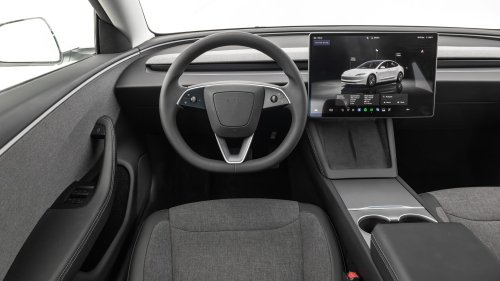
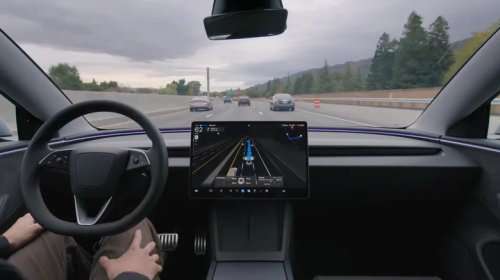
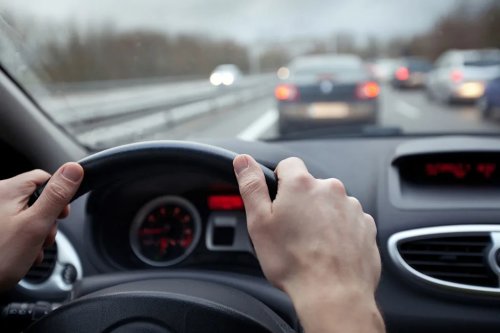
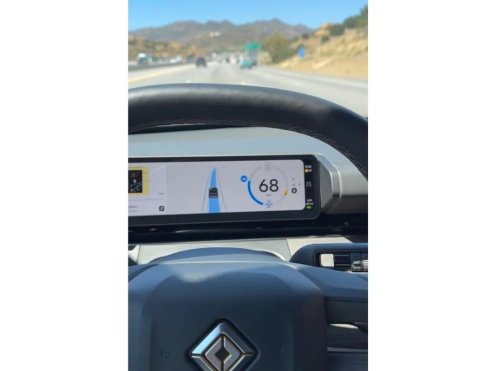
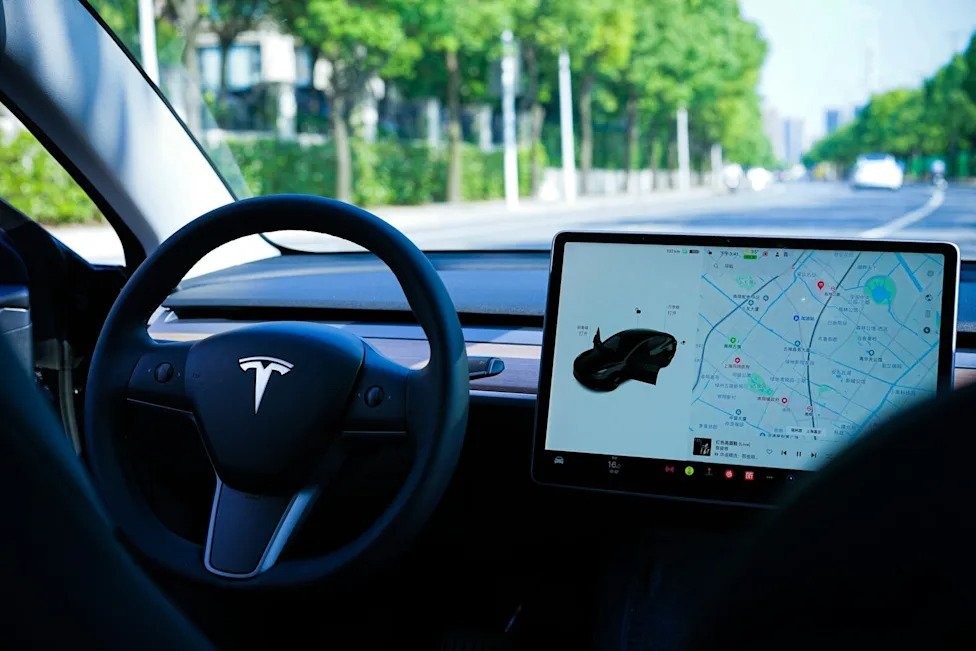
Tesla owners once tended to keep their misuse of Full Self-Driving under wraps, but that appears to be changing. Instead of hiding reckless behavior, some drivers are now recording it, adding captions, and sharing the footage online in hopes of attracting attention from the algorithm. This is happening despite Tesla repeatedly emphasizing that its "FSD (Supervised)" system does not make its vehicles autonomous and requires drivers to remain actively engaged and supervise the car at all times.A growing number of such videos have been appearing across social media, showing Tesla drivers engaging in activities such as gaming, eating, sleeping, watching screens, or even working on laptops while Full Self-Driving is active. In some cases, drivers reportedly bypass the cabin monitoring system using hacks designed to trick the vehicle's computers into believing they are paying attention when they are not.However, drivers remain responsible for the vehicle at all times. Taking attention away from the road to sleep, play games, watch a screen, or work from behind the wheel constitutes distracted or careless driving, and can violate traffic laws, depending on the jurisdiction. Here is one example posted on X that shows a Tesla owner apparently using FSD without actively monitoring the vehicle.The life of a Tesla owner with FSD. pic.twitter.com/9HO4jJXizn— Unkonfined (@unkonfined) August 26, 2026Another example shows a Tesla driver playing a video game while FSD is active:AdvertisementAdvertisementTesla's own terms make it clear that drivers remain responsible for safely operating their vehicles and complying with traffic laws, even when the company's driver-assistance technology is engaged. Despite its "Full Self-Driving" name, FSD (Supervised) is still classified as a Level 2 driver-assistance system, meaning the person behind the wheel must continuously monitor the vehicle and remain ready to take control. That gap between the technology's ambitious branding and the driver's legal responsibility is at the heart of the controversy surrounding these videos.a car dashboard with a gps deviceAccording to a report by Gadget Review, the distinction has become increasingly important as regulators examine the technology more closely. In March 2026, the National Highway Traffic Safety Administration (NHTSA) escalated its investigation into FSD to an engineering analysis involving approximately 3.2 million Tesla vehicles. Tesla has submitted 3,763 crash reports involving its driver-assistance systems since 2019, with May 2026 alone seeing a record 207 crashes reported in a single month.Tesla's safeguards are designed to ensure drivers remain attentive, but they are not impossible to circumvent. The system can reportedly suspend FSD after five inattention warnings, with the suspension lasting a week, while physical or software-based workarounds can potentially undermine some of those checks. The vehicle relies on tools such as steering-wheel torque sensing and the cabin-facing camera to monitor driver engagement, yet examples of drivers attempting to defeat these safeguards have continued to emerge. That raises questions about how effectively supervised-driving systems can prevent misuse when a driver deliberately tries to avoid their responsibilities.The mixed messaging has also drawn attention to Tesla's own portrayal of FSD. In one video shared by the company on X, a driver was shown enjoying an espresso with the system engaged and both hands off the steering wheel, a depiction that can make the technology appear far more autonomous than Tesla's official warnings suggest. Electrek reported Tesla has argued in court that drivers remain responsible for crashes when they fail to properly supervise FSD. The contrast between how the feature is marketed or portrayed and how Tesla describes the driver's responsibilities legally has created a confusing message.With FSD Supervised, your Tesla can drive you anywhere you wantTry it yourself— Tesla (@Tesla) May 26, 2026
















 +56 others