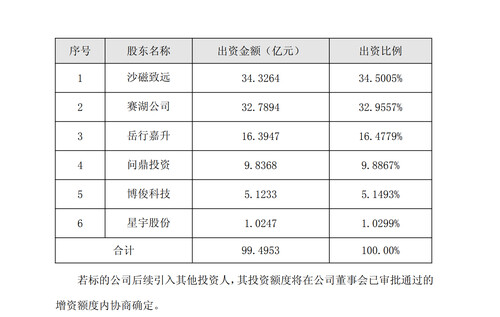
Ella Moreau · 5 months ago@ellamoreau88Dreame Auto Venture Hit by $342K Equity Freeze Liked by+72 othersPost commentRelated Posts10 Used Cars Owners Are Trading In for More Than $10K in Equity 26 · Logan Martin · 1 months agoPrivate equity bribed Trump $1M, then got $900M for a methane terminal 18 · Henry Wilson · 1 months agoArcher makes wild deal with Boeing swapping eVTOL startups for equity 74 · Morgan Moreau · 2 months agoNearly A Third Of Americans Are Underwater On Their Car Loans, Averaging Over $6,800 Of Negative Equity 34 · Emma Clark · 3 months agoPrivate Equity Is Eating the Car Modding Industry 53 · Amélie Brown · 3 months agoJiffy Lube Has Been Sold to Private Equity 82 · Kaitlyn Morgan · 3 months agoLuxeed Auto Equity Change, Chery No Longer Holds 100% Stake 62 · Amelia Fortin · 3 months agoLi Auto Grants HK$2.3 Billion in Equity Incentives With Market Cap Targets 99 · Jacob Bouchard · 4 months agoEV deals to help get you out of your negative equity gas guzzler 60 · Parker Côté · 4 months agoLandian Equity Changes: Seres Reduces Stake, Industrial Giants Enter 38 · Caleb Lewis · 4 months agoHuayou Cobalt: Proposes to Acquire 100% Equity in Atlantic Lithium for $210 Million 67 · Mason Green · 5 months agoAuto loan crisis: Car debt grows and negative equity explodes 35 · Amélie Young · 6 months agoGeely, Volvo-Backed Polestar Secures $400 Million Equity Financing 76 · Daniel Carter · 6 months agoVolvo to Raise Polestar Stake to 19.9% via Debt-to-Equity Conversion 78 · Daniel Nelson · 6 months agoIndian Motorcycle bought out by Carolwood, becomes independent company, Polaris retains small equity 74 · Leo Mitchell · 1 years agoSAIC Volkswagen's Killer Move: ID.ERA 8X Launches, Joint-Venture Giant Changes Its PlaybookEvan White · 11 days agoGAC to replace FAW in the FAW Toyota joint venture to streamline operations 56 · Samuel Labelle · 26 days agoJoint-Venture NEVs Are Gaining Momentum in China 29 · Jenna Girard · 1 months agoHonda Responds to FAW's Stake in GAC: No Plans to Merge Northern and Southern Ventures 75 · Nathan Johnson · 1 months agoGAC Group plans to acquire stake in FAW-held joint venture 28 · Kaitlyn Young · 1 months ago





 +72 others