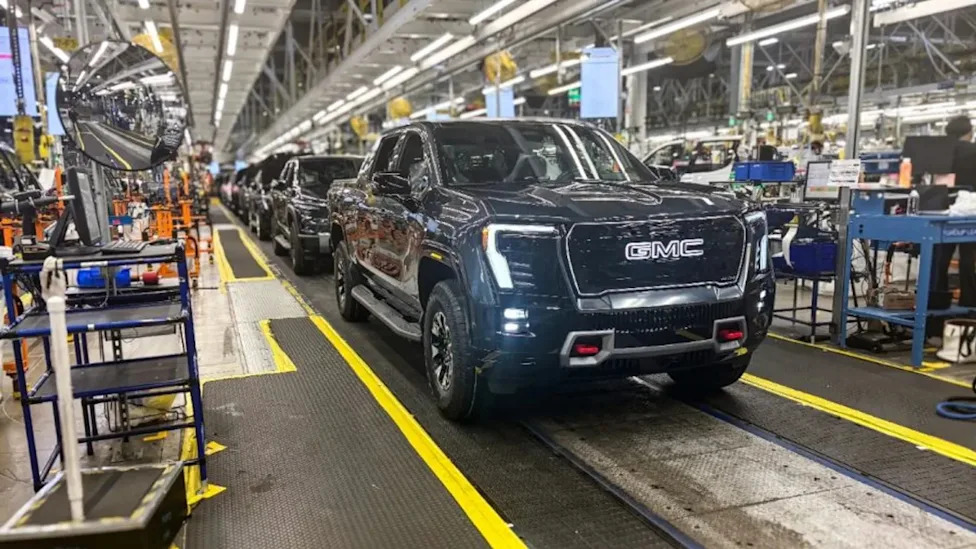
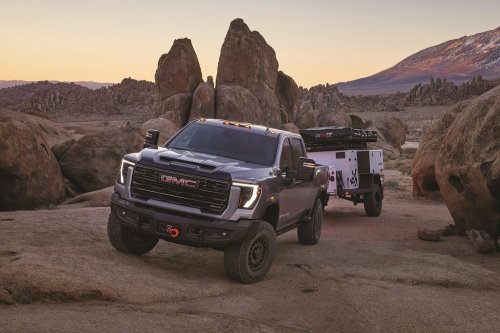
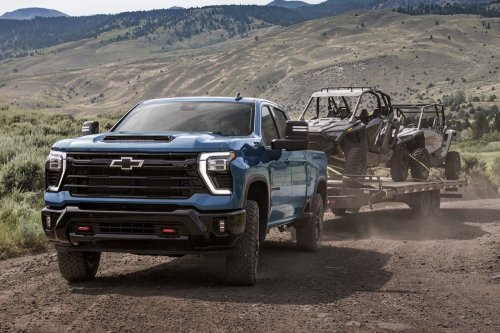
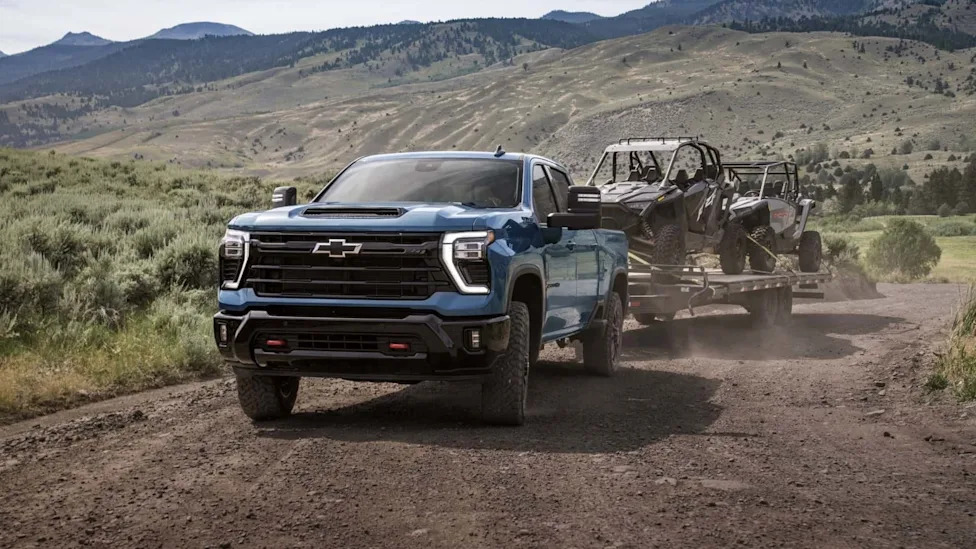
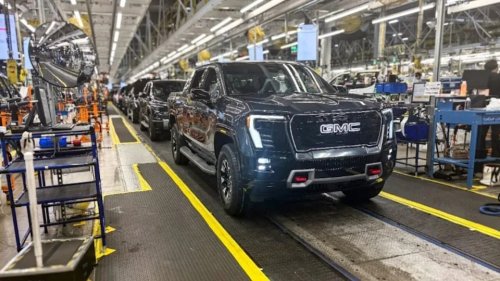
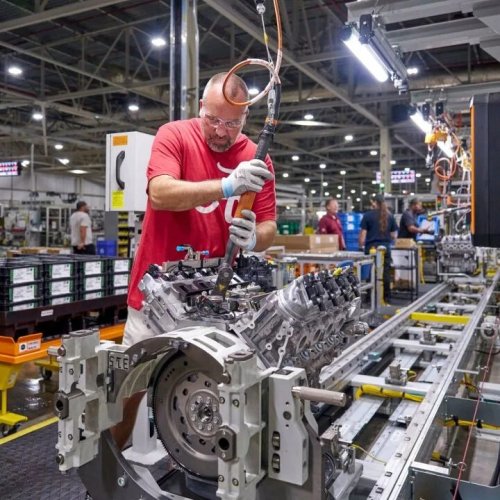
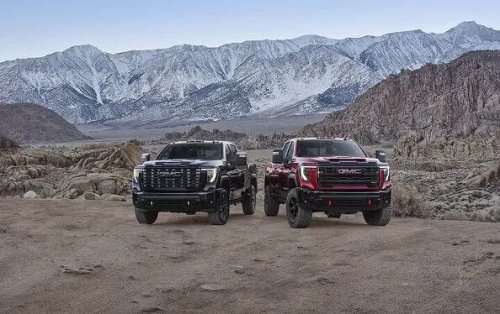
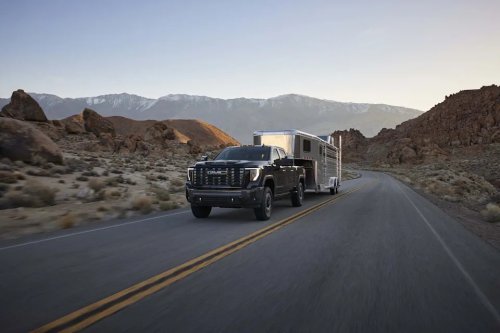
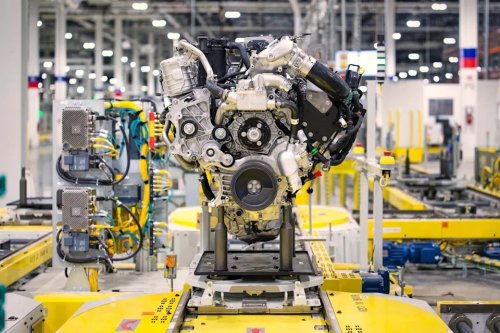
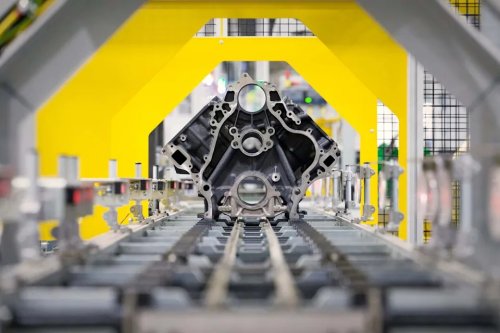
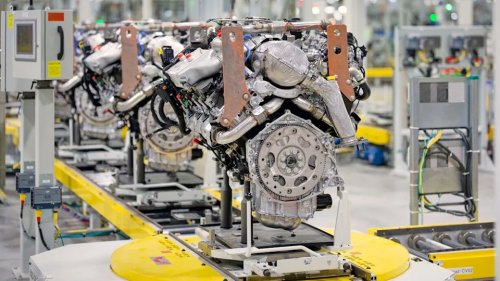
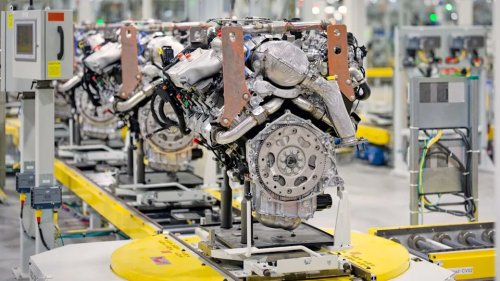
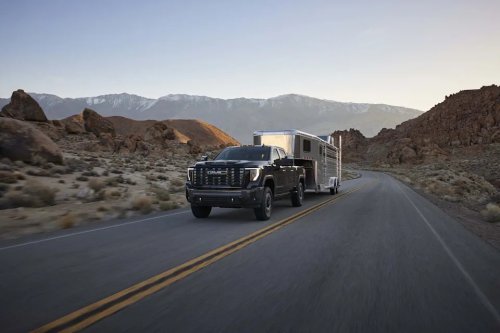
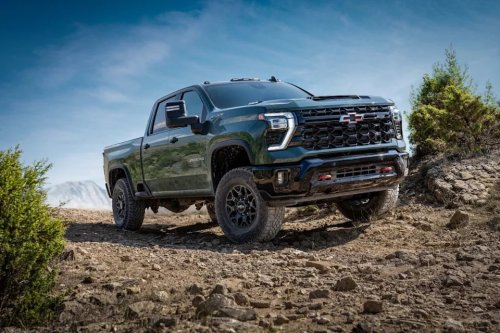
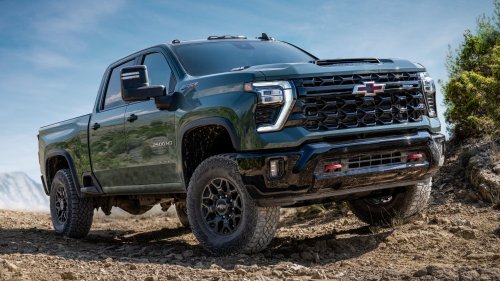
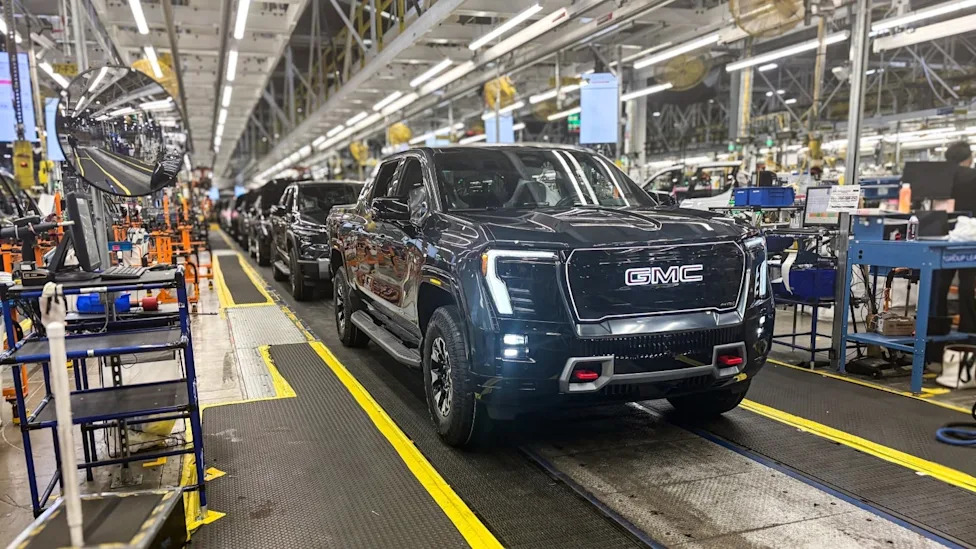
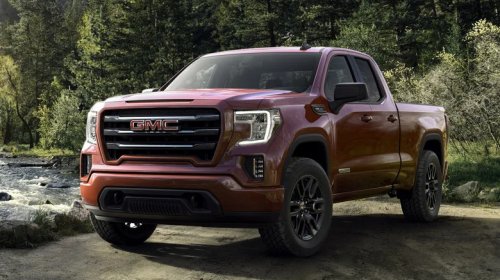
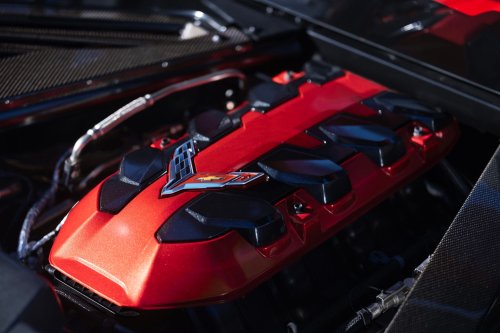
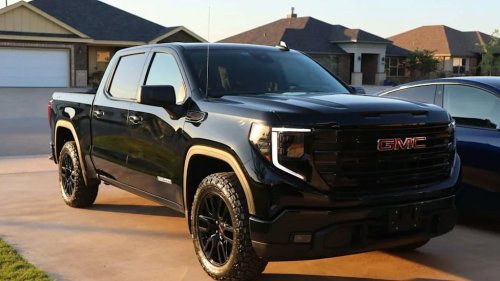
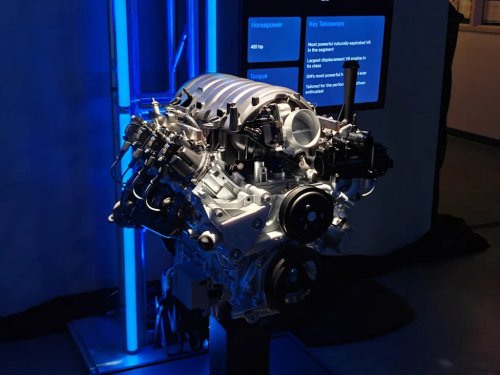
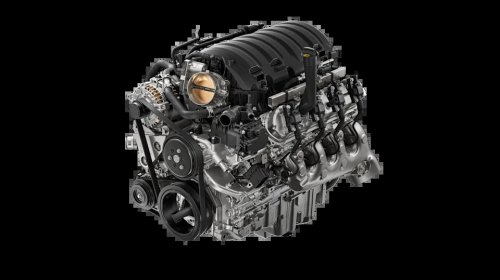
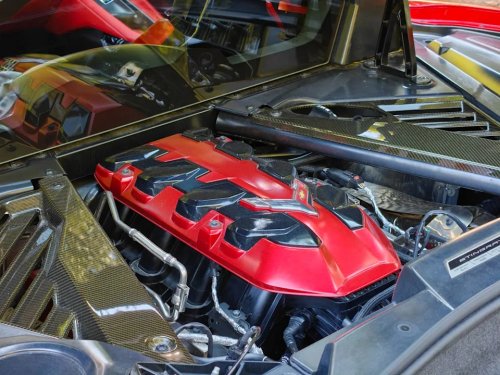
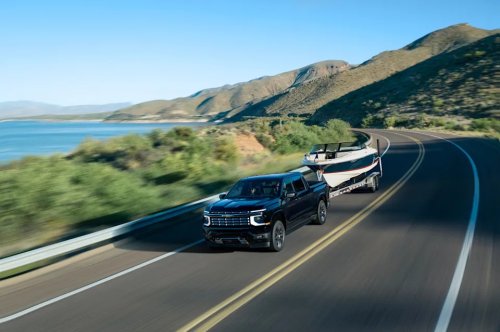
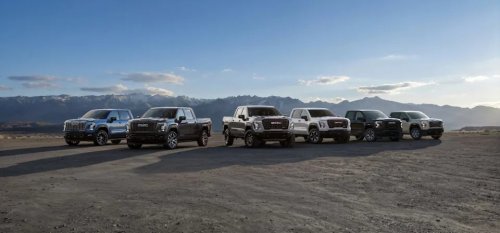
Deep Dive: GM’s New 6.6-Liter Small Block V-8 Has the Power, Promises the ReliabilityRoad & TrackZac PalmerThu, September 17, 2026 at 8:45 PM UTCAdd us on GoogleDeep Dive: GM's New 6.6L Small Block V-8Zac PalmerThe new 2027 Chevrolet Silverado 1500 and GMC Sierra 1500 have a host of updated engines to go with the new generation, but none of them are more exciting than the 6.6-liter Gen 6 small block V-8.We had a feeling a bigger V-8 was coming, given the C8 Corvette is now rocking its own version of the Gen 6 small block—this being the 6.7-liter LS6. In case you were wondering why the Corvette has a 6.7 and the trucks have a 6.6, it's because GM wanted the Corvette to have bragging rights in the Gen 6 hierarchy, not some strange technical reason or a desire to make the 'Vette seem cooler to Gen Alpha. The L78 (name for the new 6.6-liter V-8) has plenty of technical reasons to be different from the LS6, though—so let's get into GM's new flagship light duty truck engine.Output for the 6.6-liter is up big over the outgoing 6.2 liter; the motor now makes 481 horsepower and 501 pound-feet of torque, 61 horses and 41 pound-feet of torque more than the previous unit This also makes it the most powerful naturally aspirated pickup in the game, outpacing the Ford F-150's 5.0-liter V-8. That said, boosted engines like the Ram 1500's High Output Hurricane inline-six has more power, and the F-150 Powerboost hybrid has more torque.GMGM found more power thanks in part to the added displacement. The piston stroke was increased to 98 mm, just 2 mm less than the 6.7 in the Corvette. More air is being shoved through it by way of a larger throttle body—increased from an 87 mm to a 95 mm—shared with the Corvette. A completely new intake manifold and tube runners make better use of the added air. Unlike the Corvette's fancy tri-Y headers and much more aggressive exhaust system, the trucks maintain the same log-style headers as before. Small block design systems engineer Randy Dufresne tells me GM looked into a new exhaust system, but packaging restraints of the truck made it impossible.AdvertisementAdvertisementAnd then there's the increased compression ratio GM says offers the engine more efficient combustion. On the 6.6, compression now sits at 12.5:1. That's not quite the same as the Corvette's 13.0:1, but it's still significantly more than the 11.5:1 the 6.2 was rocking. Dufresne told me that increasing it all the way to the Corvette's 13.0:1 would create some challenges for a truck application it wasn't willing to take on.The fueling system is also new. GM is using a dual fuel system, combining both direct injection and port injection in a move away from exclusively direct injection. Supposedly, this brings power, efficiency, and emissions advantages. Those were all goals for the new small block, and while we don't have EPA fuel economy numbers yet, Dufresne promises this engine is more efficient than the outgoing 6.2-liter. That said, a GM spokesperson tempered this enthusiasm by telling us that even though the engine may be more efficient, fuel economy figures for the truck itself are far from final.The LS6 in the 2027 Corvette StingrayZac PalmerAlso similar to the 6.7-liter in the Corvette is the larger engine's low-emissions capabilities. Obviously, a giant V-8 isn't a green choice, but Dufresne says the 6.7 is still going to play nice with emissions regulations. "As you go up in displacement, the engine does not have to work as hard on the standard test," Dufresne tells me. "And so there are some opportunities because of that reduced load that enable some emissions."Perhaps the most important part of this new 6.6, though, is the completely redesigned oiling system. It's no secret that GM struggled mightily with engine failures from its 6.2-liter V-8. The company reiterated that it's cooperating with NHTSA for the investigation and has introduced a 10-year, 150,000-mile warranty for those trucks to try and reassure owners. However, the question was still raised to engineers in a media press conference.AdvertisementAdvertisement"This new architecture is a brand-new engine architecture," said Normal Peralta, GM executive chief engineer for engines and batteries. "It's a new lubrication system, it's a new fuel system, new heads ... you'll see the manufacturing excellence and quality controls are in place. We also mentioned how this architecture is the foundation for a lot of performance applications. That does not happen if you don't have a robust engine family. So we're very confident."ChevroletObviously, the oiling system for the L78 is not the same as the LS6 in the Corvette on account of the 'Vette using a dry-sump system and the trucks using a more traditional wet sump. However, that doesn't mean this new small block's oiling architecture is second-rate, as Dufresne says it's even more advanced than the LS6's."They're not very similar," Dufresne says when comparing the two V-8s. "For that, because the LS6 is a replacement for the LT2, there were some constraints on what we could do in the LS6, because we have the oil tank in front of the engine. So this is clean sheet. One hundred percent clean sheet from a lube perspective."Highlights include a new gallery in the oil pan, a cooler integrated into the pan itself, and a new continuously variable displacement pump. That pump is most interesting of all, as it provides flow and pressure as your driving behavior demands of it instead of protecting for the highest loads at all times. GM says this cuts down on wasted energy, ultimately helping both efficiency and power. Everywhere you look, GM says its oiling system is a big upgrade over what it offered before.AdvertisementAdvertisement"The lifter galleries are larger, the feeds, there are dual main feeds to the main bearings, those are larger," Dufresne said. "And we want to make sure all the passages are machined for maximum cleanliness. We didn't want to deal with any residual sand from the casting process. So a tremendous amount of effort in maximizing the efficiency of the loop system."GMCThe type of oil you'll be feeding this beast is different, too. GM recommended 0W-20 oil with its 6.2-liter V-8, but this 6.6-liter ships with 0W-30. This change was intentional, and GM says it didn't even lose any fuel economy from it."So, basically, this engine was all about fuel consumption, performance, and future emissions, and when we looked at modern 30 weights versus modern 20 weights, we could maintain basically the same fuel economy," Dufresne said. "And you get the benefit of a little bit of a heavier weight oil. And that helps us in terms of our bearing. And rod bearings and our main bearings."The only catch here is that packaging restraints caused by the new port fuel injection system and some other new parts made it impossible to include an engine oil dipstick. This led to GM engineering a new level sensor that allows you to check the oil level from a digital readout in the cabin. (I suspect that could induce some groans from the truck crowd, but keep in mind, plenty of cars have survived for a very long time with no physical dipsticks.)AdvertisementAdvertisementThis new 6.6-liter will be available at the launch of the 2027 Silverado 1500 and Sierra 1500 alongside its smaller 5.7-liter V-8 twin, an upgraded four-cylinder turbo and lightly refreshed Duramax diesel. You can read about all these new engines here.You Might Also LikeIf You Can Only Own One Car, Make It One of TheseThese Are the Most Popular Cars by State



















 +61 others